
 Befrey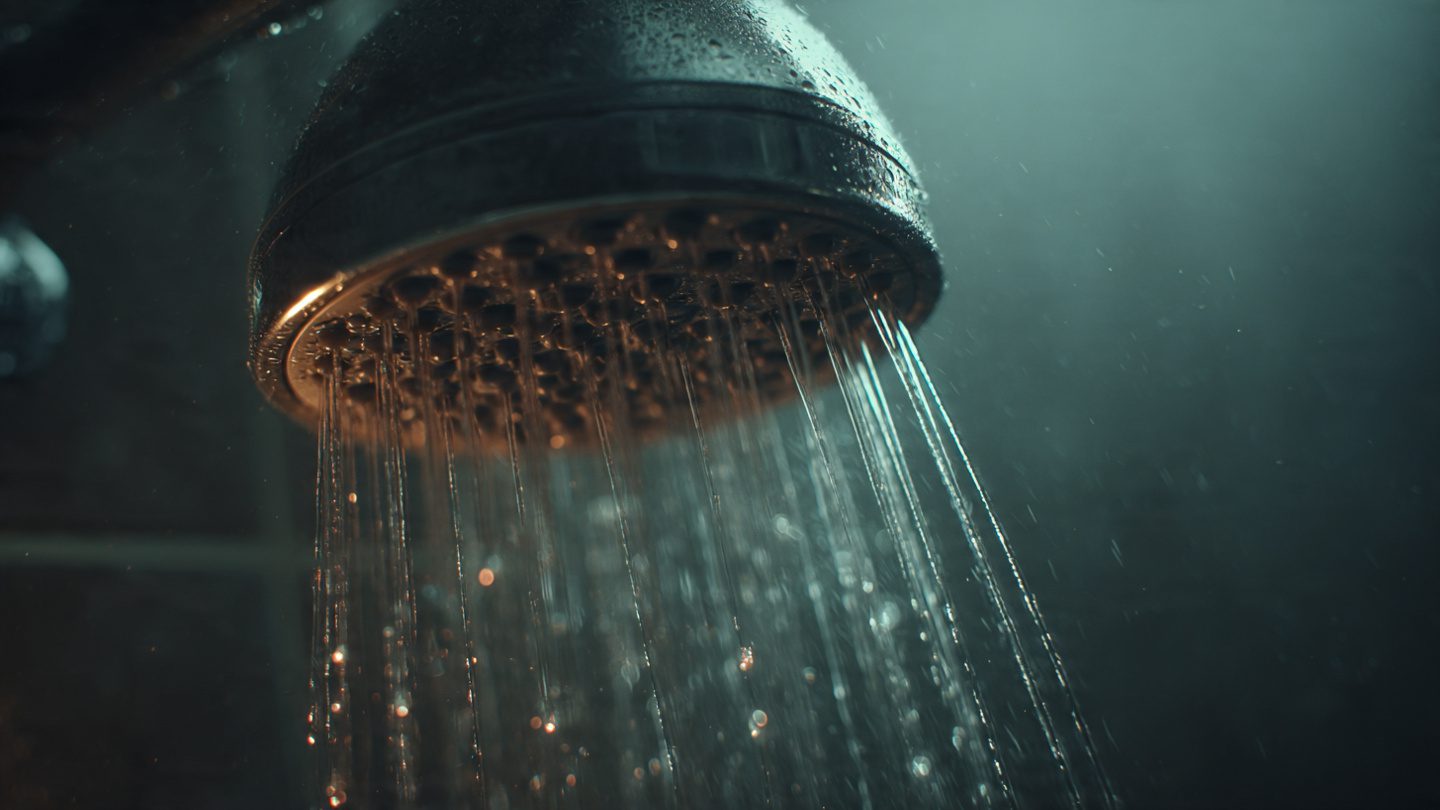
Dealing with stubborn mineral deposits becomes much easier once you understand How to remove limescale from a shower without chemicals. Whether you want to clean shower limescale naturally, remove hard water buildup without harsh cleaners, or restore your shower using eco-friendly methods, the right approach makes all the difference. Limescale is one of the most common bathroom problems, especially in areas with hard water. It builds up slowly but becomes extremely difficult to remove if ignored. The good news is that you do not need aggressive chemical products to solve it. With the right natural techniques, you can achieve powerful results safely and effectively. This guide will walk you step by step through every detail, helping you eliminate limescale and keep your shower sparkling clean using only natural methods.
What Is Limescale and Why It Builds Up in Your Shower
Limescale is a chalky white residue left behind by hard water. It forms when water containing calcium and magnesium evaporates, leaving mineral deposits on surfaces. Showers are particularly vulnerable because they are exposed to water constantly.
Over time, these deposits harden and stick to surfaces such as glass, tiles, and metal fixtures. The longer limescale is left untreated, the harder it becomes to remove. This buildup not only looks unattractive but can also damage surfaces.
Limescale can clog showerheads, reduce water flow, and leave glass looking cloudy. It also creates a rough surface where dirt and bacteria can accumulate more easily. This makes cleaning more difficult over time.
Understanding how limescale forms helps you tackle the problem more effectively. Prevention and early removal are key to maintaining a clean shower.
Why Avoid Chemical Cleaners for Limescale Removal
Many commercial cleaners promise quick results, but they often contain harsh chemicals. These substances can damage surfaces, irritate your skin, and release harmful fumes. Over time, they may even weaken materials like grout and metal.
Natural cleaning methods are safer and more sustainable. They reduce your exposure to toxic substances and are better for the environment. They are also cost-effective, using ingredients you likely already have at home.
Another advantage is control. With natural solutions, you know exactly what you are using. There are no hidden ingredients or risks. This makes them ideal for households with children or pets.
Avoiding chemicals does not mean sacrificing effectiveness. With the right techniques, natural methods can be just as powerful.
Essential Tools and Ingredients for Natural Limescale Removal
Before you begin, gather the necessary tools and ingredients. White vinegar is one of the most effective natural limescale removers. It dissolves mineral deposits quickly and safely. Baking soda is another essential ingredient. It acts as a mild abrasive and enhances cleaning power.
You will also need a spray bottle, microfiber cloths, and a soft brush. An old toothbrush works well for tight areas. A sponge is useful for larger surfaces.
Lemon juice can be used as an alternative to vinegar. It has similar acidic properties and leaves a fresh scent. Warm water helps activate cleaning solutions and improves results.
Having the right tools ensures efficient cleaning. Preparation is the key to success.
Natural Ways to Remove Limescale from Shower Glass
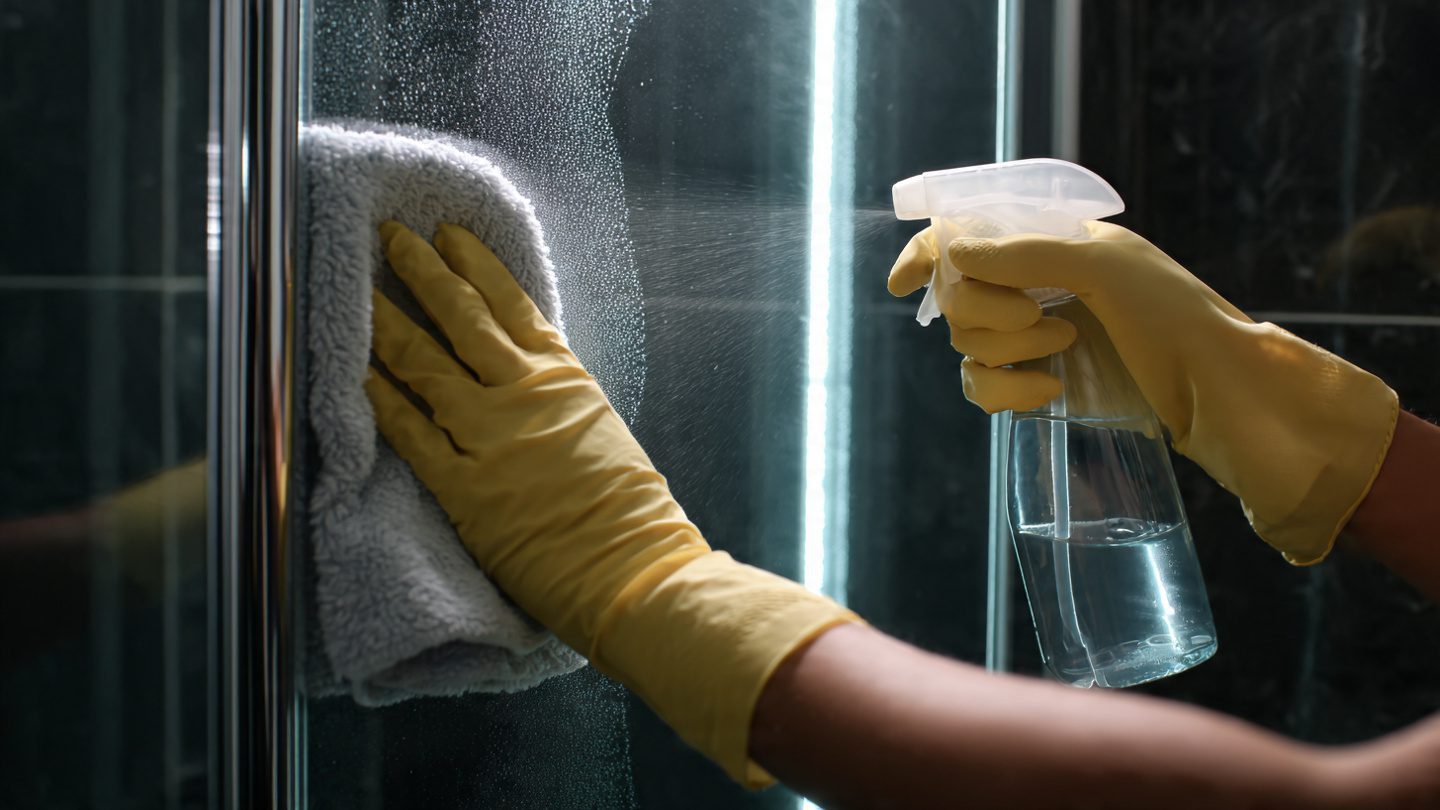
Shower glass is one of the most visible areas affected by limescale. To restore clarity, start by spraying a mixture of equal parts vinegar and water onto the glass. Let it sit for 10–15 minutes to break down the mineral deposits.
Use a microfiber cloth to wipe the surface gently. For stubborn spots, apply baking soda to a damp sponge and scrub lightly. Avoid using abrasive tools that can scratch the glass.
Rinse the glass with warm water and dry it immediately with a clean cloth. This prevents new water spots from forming. Repeating this process regularly keeps your glass clear and shiny.
Natural cleaning methods are highly effective for glass. They restore transparency without damaging the surface.
How to Clean Shower Head Limescale Naturally
Showerheads often become clogged with limescale, reducing water pressure. To clean them naturally, fill a plastic bag with vinegar and attach it around the showerhead using a rubber band. Ensure the nozzles are fully submerged.
Leave it in place for several hours or overnight. This allows the vinegar to dissolve the mineral deposits. Remove the bag and scrub the nozzles gently with a toothbrush.
Run hot water through the showerhead to flush out any remaining debris. This restores proper water flow and improves performance.
Regular cleaning prevents buildup and keeps your shower functioning efficiently. It is a simple but highly effective method.
Best Homemade Limescale Remover for Bathroom
Creating your own limescale remover is easy and effective. A simple mixture of vinegar and baking soda can handle most cleaning tasks. Combine the ingredients to form a paste and apply it to affected areas.
Let the paste sit for a few minutes before scrubbing gently. This helps break down stubborn deposits. Rinse thoroughly with warm water and dry the surface.
For a liquid cleaner, mix vinegar with water and add a few drops of essential oil for fragrance. This solution can be used on various surfaces.
Homemade cleaners are versatile and affordable. They provide powerful results without the need for commercial products.
How to Remove Hard Water Stains from Shower Doors
Hard water stains are similar to limescale but often appear as cloudy spots on glass surfaces. To remove them, apply vinegar directly to the stains and let it sit.
Use a soft cloth or sponge to wipe the surface. For tougher stains, a baking soda paste can be applied. Scrub gently to avoid scratching the glass.
Rinse with warm water and dry immediately. This prevents streaks and new stains from forming. Consistent cleaning keeps your shower doors looking clear and polished.
Removing hard water stains requires patience. However, natural methods can achieve excellent results over time.
Cleaning Shower Tiles Without Harsh Chemicals
Tiles and grout are prone to limescale buildup. To clean them naturally, spray a vinegar solution onto the surface and let it sit. This helps loosen mineral deposits.
Use a brush to scrub the grout lines gently. Baking soda can be added for extra cleaning power. Rinse thoroughly with warm water.
Dry the tiles with a clean cloth to prevent water spots. Regular cleaning keeps tiles looking fresh and prevents buildup.
Natural cleaning methods protect your tiles and grout. They maintain the integrity of the materials while delivering effective results.
How to Prevent Limescale Buildup in Shower
Prevention is the best way to manage limescale. After each shower, wipe down surfaces with a squeegee or cloth. This removes water before it can evaporate and leave deposits.
Installing a water softener can reduce mineral content in water. This significantly decreases limescale formation. Regular cleaning also prevents buildup from becoming severe.
Using natural sprays after each use can help maintain cleanliness. A simple vinegar solution can act as a preventive measure.
Consistency is key. Small daily habits can save you time and effort in the long run.
Common Mistakes to Avoid When Removing Limescale
Many people make mistakes that reduce cleaning effectiveness. Using abrasive tools can scratch surfaces and cause damage. Applying too much force can also be harmful.
Skipping the soaking step is another common error. Allowing cleaning solutions to sit is essential for breaking down limescale. Rushing the process often leads to poor results.
Using incompatible materials can cause damage. Always test solutions on a small area first. Ignoring regular maintenance allows buildup to worsen.
Avoiding these mistakes ensures better results and protects your shower.
How Often Should You Clean Your Shower to Prevent Limescale
Cleaning frequency depends on water hardness and usage. In most cases, a weekly cleaning routine is sufficient. Daily wiping can prevent buildup significantly.
Deep cleaning can be done once a month. This ensures all areas are thoroughly cleaned. Homes with very hard water may require more frequent cleaning.
Consistency is more important than intensity. Regular maintenance keeps your shower clean and reduces the need for heavy scrubbing.
How to clean a mattress at home
How to remove stains from carpet
How to Clean a Sofa at Home (Complete Expert Guide)
Summary
Learning how to remove limescale from a shower without chemicals is a powerful skill that improves both cleanliness and safety. Natural methods using vinegar, baking soda, and simple tools can effectively remove buildup and restore surfaces. Regular cleaning and preventive habits are essential for maintaining a spotless shower. By avoiding harsh chemicals, you protect your health, your home, and the environment while achieving professional-level results.
FAQ
1. Can vinegar remove limescale completely?
Yes, vinegar is highly effective at dissolving limescale.
2. Is baking soda safe for all surfaces?
Generally yes, but avoid excessive scrubbing on delicate materials.
3. How long should I leave vinegar on limescale?
Usually 10–30 minutes, depending on severity.
4. Can I use lemon instead of vinegar?
Yes, lemon juice works similarly and smells better.
5. How do I prevent limescale from returning?
Wipe surfaces dry after each use and clean regularly.
CTA (Call-to-Action)
Say goodbye to stubborn limescale today! Use these natural methods and transform your shower into a sparkling, chemical-free space. Save this guide and make cleaning easier than ever!






