
 Befrey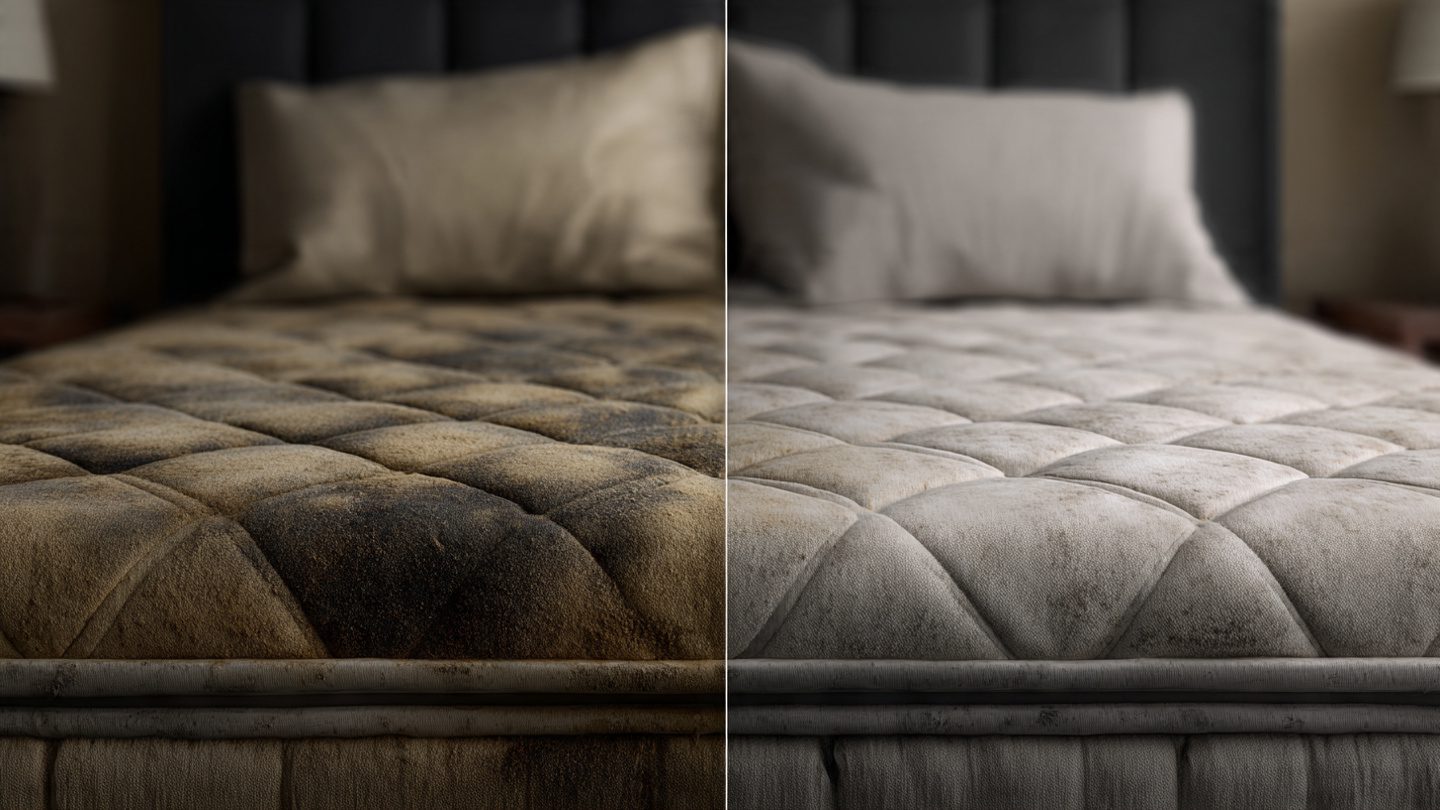
A mattress looks clean on the surface, but it hides invisible contaminants. Dust mites, sweat, dead skin, bacteria, and allergens accumulate deep inside. Many people search for how to clean a mattress at home, how to disinfect a mattress naturally, or how to deep clean a mattress safely. Learning how to clean a mattress at home is essential for hygiene, comfort, and health. Your mattress absorbs moisture every night. This creates an environment where microorganisms grow silently. Understanding how to clean, sanitize, and maintain your mattress allows you to sleep in a healthier environment. Once you know the correct process, mattress cleaning becomes simple, effective, and powerful.
A mattress is one of the most used objects in your home. You spend thousands of hours on it every year. Yet many people rarely clean it. This leads to odor buildup and microbial growth. Mattress cleaning improves sleep quality. It also extends mattress lifespan. Clean mattresses reduce allergies and respiratory problems. This guide will teach beginners and professionals everything needed to maintain a perfectly clean mattress.
Mattress Contamination Sources
Your mattress becomes contaminated faster than you think. Every night, your body releases sweat and oils. Dead skin cells fall onto the mattress surface. These skin particles feed dust mites. Dust mites multiply rapidly in warm environments. Their waste triggers allergies and breathing problems.
Humidity accelerates contamination. Moisture creates ideal conditions for bacteria and mold. Mattresses absorb spills easily. Liquids penetrate deeply into inner layers. This creates hidden microbial growth. Food crumbs also contribute to contamination.
Pets increase contamination levels. Pet hair, dander, and dirt enter mattress fibers. Outdoor particles accumulate over time. Even clean-looking mattresses contain microscopic pollutants. These contaminants affect sleep quality and health.
Understanding contamination helps explain why cleaning is essential. Knowing how to clean a mattress at home protects both hygiene and health.
Mattress Cleaning Benefits
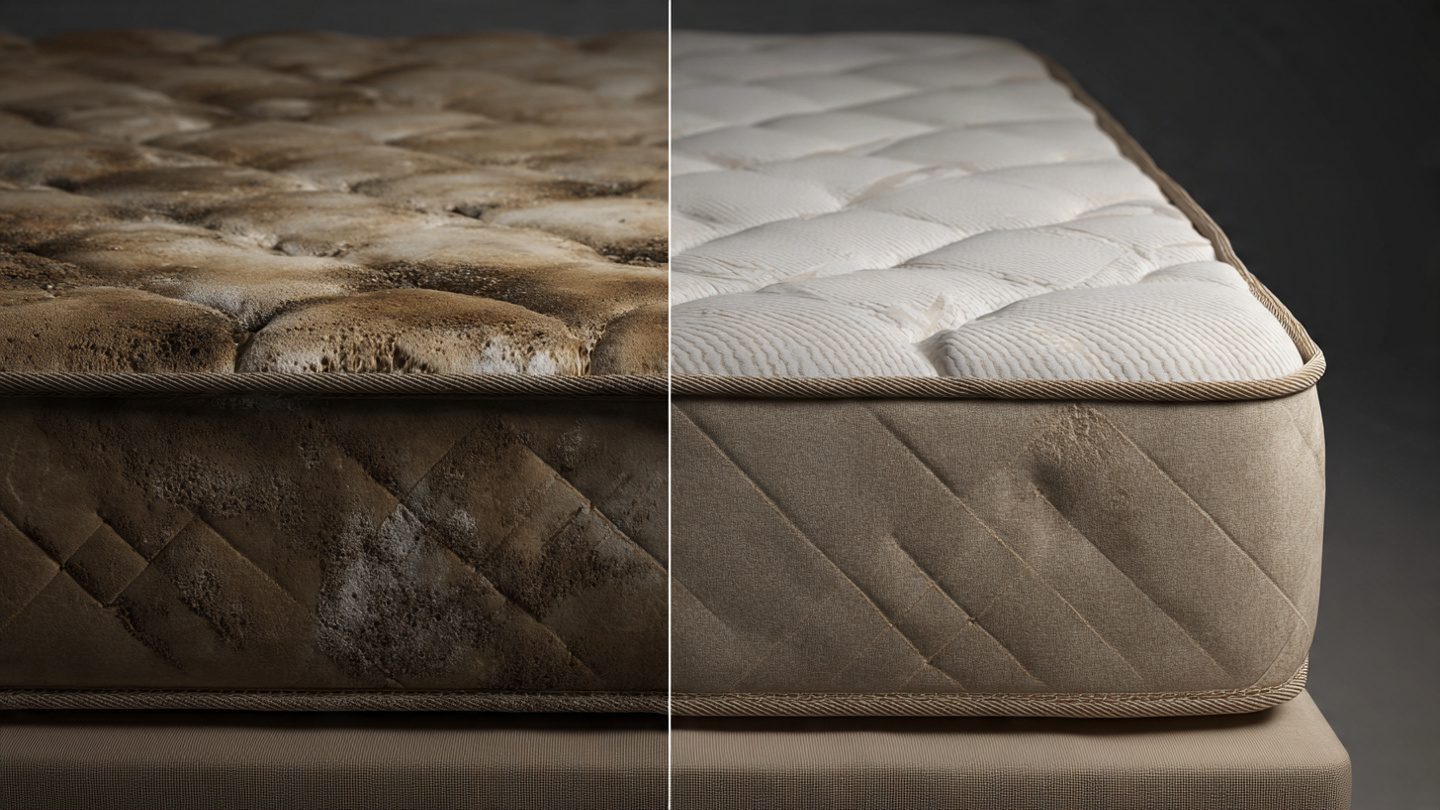
Cleaning your mattress provides immediate and long-term benefits. The most important benefit is improved hygiene. Removing dust mites reduces allergy symptoms. Clean mattresses improve breathing quality during sleep. This leads to deeper and more restorative sleep.
Odor removal is another benefit. Sweat and bacteria produce unpleasant smells. Cleaning removes odor-causing microorganisms. Your bedroom smells fresher.
Mattress cleaning extends lifespan. Dirt damages internal mattress fibers. Removing dirt preserves structural integrity. This prevents premature wear.
Clean mattresses also improve mental comfort. Sleeping on a clean surface reduces stress. It creates a sense of freshness and relaxation.
Learning how to clean a mattress at home allows you to maintain optimal sleep hygiene permanently.
Essential Cleaning Tools
Using proper tools ensures effective mattress cleaning. Basic tools are sufficient for most cleaning tasks. Professional tools improve efficiency but are optional.
Essential mattress cleaning tools include:
-
Vacuum cleaner with upholstery attachment
-
Baking soda
-
Spray bottle
-
Mild detergent
-
Clean microfiber cloth
-
Soft brush
Vacuum cleaners remove dust, hair, and debris. Baking soda neutralizes odors and absorbs moisture. Microfiber cloths capture microscopic particles.
Protective gloves improve hygiene during cleaning. Spray bottles distribute cleaning solutions evenly. Soft brushes remove stubborn stains gently.
Using correct tools ensures complete cleaning. Poor tools leave contaminants behind. Proper preparation improves cleaning effectiveness.
Basic Cleaning Process
Understanding the basic cleaning process is the foundation. This process removes surface contamination and improves mattress freshness.
Remove bedding first
Remove sheets, pillowcases, and covers. Wash them using hot water. This kills bacteria and dust mites.
Inspect mattress carefully. Look for stains, discoloration, and odor areas. Identifying problem areas helps target cleaning.
Vacuum mattress surface
Vacuum the entire mattress thoroughly. Use upholstery attachment. Focus on seams and corners.
Dust and debris accumulate in these areas. Vacuum slowly for best results. This removes most surface contaminants.
Vacuuming is the most important step. It reduces allergen concentration immediately.
Deep Cleaning Methods
Deep cleaning removes embedded contaminants. This step ensures complete sanitation.
Baking soda treatment
Baking soda is highly effective. It absorbs moisture and neutralizes odors. It also kills bacteria slowly.
Steps:
-
Sprinkle baking soda evenly
-
Leave for 6–24 hours
-
Vacuum thoroughly
Longer exposure increases effectiveness. Baking soda penetrates deep into mattress fibers.
Steam cleaning method
Steam cleaning uses heat to kill microorganisms. High temperature destroys bacteria and dust mites.
Use steam cleaner carefully. Avoid excessive moisture. Too much moisture causes mold growth.
Steam cleaning provides professional-level results.
Stain Removal Techniques
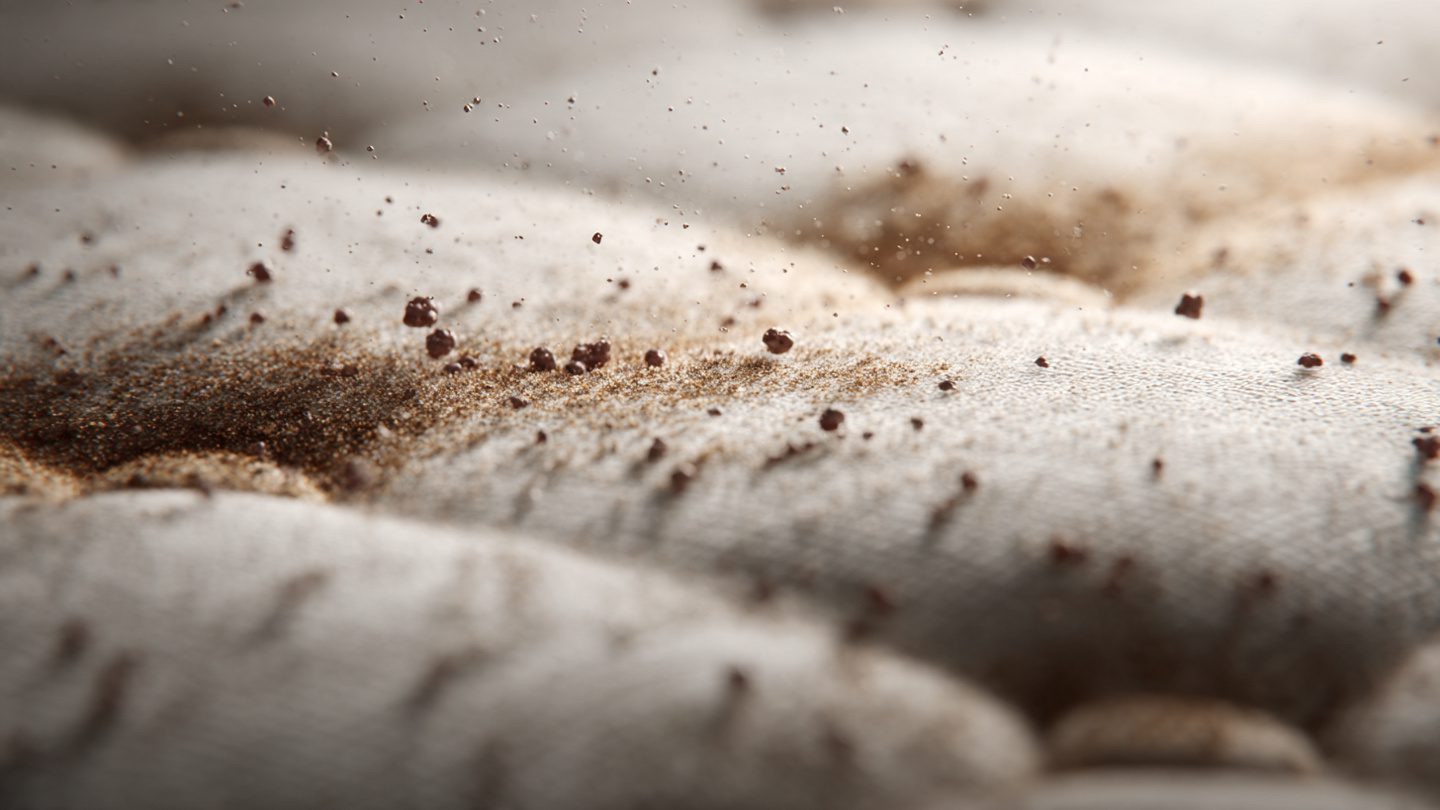
Stains require targeted treatment. Different stains require different methods.
Sweat stain removal
Mix mild detergent with water. Apply gently using cloth. Avoid soaking mattress.
Blot stain carefully. Do not rub aggressively. Rubbing spreads stain deeper.
Allow mattress to dry completely.
Urine stain removal
Urine penetrates deeply. Enzyme cleaners break down organic compounds. These cleaners remove odor permanently.
Apply enzyme cleaner. Wait recommended time. Blot and dry thoroughly.
Proper stain removal improves hygiene and appearance.
Natural Cleaning Solutions
Natural cleaning solutions are safe and effective. They contain no harmful chemicals.
Vinegar solution
White vinegar kills bacteria. It neutralizes odor effectively.
Mix equal parts vinegar and water. Spray lightly on mattress. Allow drying completely.
Vinegar evaporates quickly. It leaves mattress disinfected.
Hydrogen peroxide cleaning
Hydrogen peroxide kills microorganisms effectively. It removes stains and disinfects mattress.
Use 3% hydrogen peroxide. Apply carefully. Avoid excessive moisture.
Natural methods are safe for regular maintenance.
Odor Removal Methods
Mattress odors develop over time. Removing odor improves sleep environment.
Baking soda is best odor remover. It absorbs odor molecules effectively. Apply regularly for maintenance.
Proper ventilation removes moisture. Airflow prevents odor buildup.
Sunlight exposure helps disinfect mattress. UV rays kill bacteria naturally.
Odor removal improves mattress freshness significantly.
Mattress Drying Techniques
Drying is critical after cleaning. Moisture causes mold growth. Proper drying prevents contamination.
Allow mattress to air dry completely. Open windows for ventilation. Use fan to accelerate drying.
Avoid using mattress while damp. Moisture promotes microbial growth.
Sunlight improves drying efficiency. UV rays provide additional disinfection.
Proper drying ensures safe and effective cleaning.
Mattress Protection Strategies
Prevention reduces cleaning frequency. Protective covers prevent contamination.
Mattress protectors block moisture and dust. They extend mattress lifespan. Wash protectors regularly.
Rotate mattress every few months. This ensures even wear.
Avoid eating in bed. Food crumbs attract microorganisms.
Regular maintenance prevents severe contamination.
Learning how to clean a mattress at home ensures long-term hygiene and comfort.
Professional Cleaning Options
Professional cleaning provides deep sanitation. Professionals use specialized equipment.
They use industrial steam cleaners. These machines remove deep contamination.
Professional cleaning is ideal for heavily contaminated mattresses.
It ensures complete sanitation and odor removal.
Professional services extend mattress lifespan significantly.
Long-Term Maintenance Routine
Regular maintenance prevents contamination buildup. Clean mattress every 3–6 months.
Vacuum mattress monthly. This removes dust and allergens.
Use baking soda regularly. This prevents odor buildup.
Maintain bedroom ventilation. Reduce humidity levels.
Consistent maintenance ensures permanent mattress hygiene.
Understanding how to clean a mattress at home provides lifelong benefits.
Summary
Mattresses accumulate dust, sweat, bacteria, and allergens over time. Learning how to clean a mattress at home improves hygiene, sleep quality, and mattress lifespan. Basic cleaning involves vacuuming and baking soda treatment. Deep cleaning removes embedded contaminants. Natural solutions like vinegar and hydrogen peroxide disinfect safely. Proper drying prevents mold growth. Prevention strategies reduce contamination buildup. Regular maintenance ensures long-term mattress cleanliness and healthier sleep.
FAQ
How often should I clean my mattress?
Clean your mattress every 3–6 months and vacuum monthly for best hygiene.
Does baking soda really clean mattresses?
Yes, baking soda absorbs odor, moisture, and bacteria effectively.
Can I use water to clean my mattress?
Use minimal moisture. Excess water causes mold growth.
Does sunlight disinfect mattresses?
Yes, sunlight kills bacteria and removes moisture naturally.
Is professional cleaning necessary?
Professional cleaning is recommended for deep contamination or severe stains.
Call-to-Action (CTA)
Your mattress affects your health every night. Hidden contaminants reduce sleep quality and hygiene. Start using these proven mattress cleaning methods today. Apply regular maintenance and prevention strategies. Transform your mattress into a clean, fresh, and healthy sleeping surface. Take action now and improve your sleep permanently.






