
 Befrey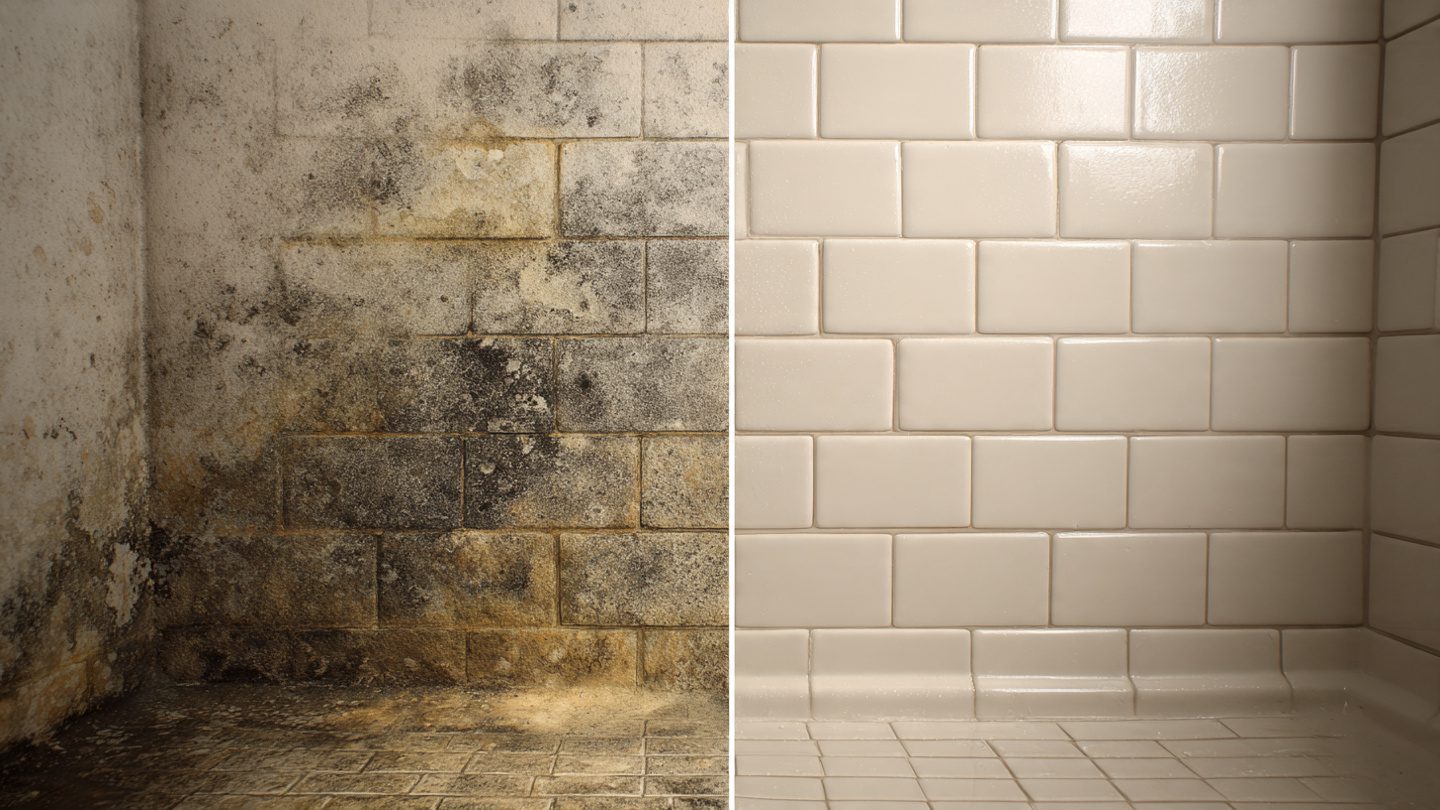
Mold in the bathroom is more than an ugly stain. It is a living organism that spreads, damages surfaces, and affects air quality. Many homeowners search for how to remove mold in the bathroom, how to clean bathroom mold safely, or how to eliminate mold from shower walls permanently. Understanding how to remove mold in the bathroom is essential for both beginners and professionals. Mold thrives in damp, warm, and poorly ventilated environments. Bathrooms provide the perfect conditions for mold growth. Learning the right techniques allows you to remove mold completely and prevent it from returning.
Mold removal is not just about cleaning visible stains. Mold roots penetrate porous materials. This means the problem often exists beneath the surface. If you only clean the surface, mold will return. Proper mold removal requires correct tools, methods, and prevention strategies. Once you understand the science and process, mold becomes manageable and preventable. This guide will show you everything step by step.
Bathroom Mold Causes
Bathroom mold develops because of moisture, heat, and poor airflow. Mold spores exist everywhere in the air. They become active when they land on damp surfaces. Bathrooms produce constant humidity from showers, baths, and sinks. Steam condenses on walls, ceilings, and tiles. This creates a perfect breeding ground for mold colonies.
Poor ventilation is the biggest contributing factor. Without airflow, moisture remains trapped. Mold spores settle and grow rapidly. Even small moisture levels can support mold growth. Leaky pipes also contribute to hidden mold problems. Mold can grow inside walls without being visible.
Organic materials feed mold. This includes soap residue, dust, hair, and skin particles. These substances accumulate in bathrooms. Mold uses them as food. Dark areas accelerate mold growth. Corners, ceilings, and behind toilets are common locations.
Temperature also plays a role. Mold grows faster between 20°C and 30°C. Bathrooms often stay within this range. Understanding these causes helps you prevent future mold problems.
Mold Health Risks
Mold is not just a cosmetic issue. It affects health and indoor air quality. Mold releases microscopic spores into the air. These spores can be inhaled. Sensitive individuals may experience health symptoms. These include coughing, sneezing, and eye irritation.
People with asthma are especially vulnerable. Mold can trigger asthma attacks. Long-term exposure may cause chronic respiratory problems. Mold can also cause skin irritation. Touching mold directly may lead to rashes.
Some molds produce toxins called mycotoxins. These substances affect the nervous system. High exposure can cause headaches and fatigue. Immune systems can weaken over time.
Even healthy individuals should avoid mold exposure. Mold reduces overall air quality. Removing mold improves indoor health immediately. Knowing how to remove mold in the bathroom protects both your home and your health.
Mold Identification Guide
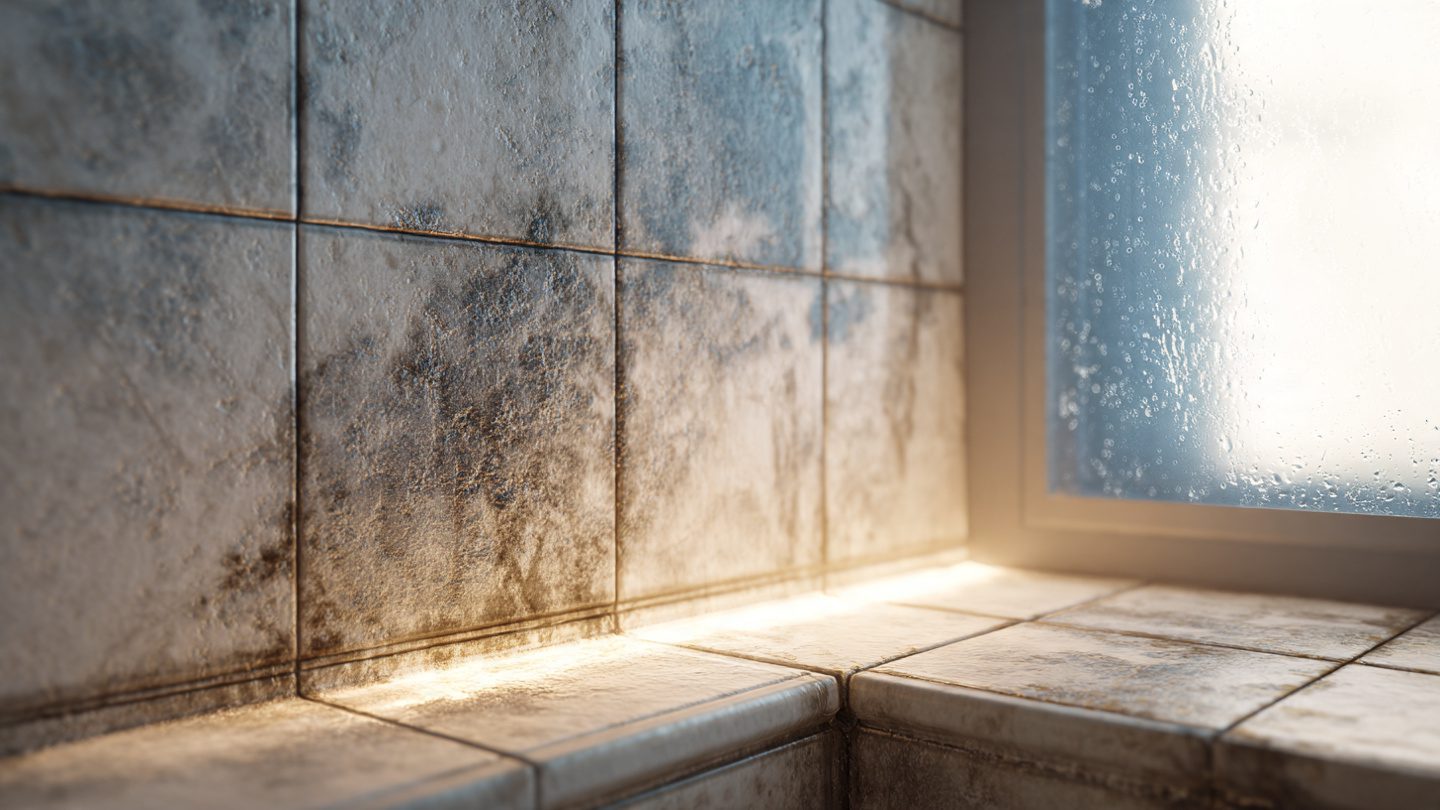
Identifying mold correctly is important. Mold appears in different colors and textures. Common colors include black, green, white, and gray. Mold may appear fuzzy, slimy, or powdery. It often develops in corners and grout lines.
Bathroom mold commonly appears on:
-
Shower tiles
-
Silicone sealant
-
Ceiling corners
-
Grout lines
-
Around drains
-
Behind toilets
Black mold is the most feared type. However, not all black mold is toxic. Many mold types are relatively harmless but still undesirable. Regardless of type, mold must be removed.
Mold often has a musty smell. This smell indicates active mold growth. Even if mold is not visible, the smell reveals hidden mold. Mold may grow behind wallpaper or under paint. Peeling paint is a warning sign.
Early identification allows easier removal. Small mold colonies are easier to eliminate. Large infestations require more effort and tools.
Mold Removal Tools
Using the correct tools makes mold removal easier and safer. Basic protective equipment is essential. Mold spores can spread during cleaning. Always protect yourself.
Essential mold removal tools include:
-
Rubber gloves
-
Protective mask
-
Safety goggles
-
Scrub brush
-
Spray bottle
-
Microfiber cloth
-
Cleaning solution
Professional tools improve efficiency. These include steam cleaners and HEPA vacuums. HEPA filters capture microscopic mold spores. This prevents spreading mold into the air.
Using proper tools ensures complete removal. Poor tools leave mold roots behind. This causes mold to return quickly. Investing in quality tools saves time and effort.
Proper preparation is critical before cleaning begins. Always ventilate the bathroom. Open windows and doors. This reduces airborne mold concentration.
Natural Removal Methods
Many natural solutions effectively remove mold. These methods are safe and environmentally friendly. They work well for small and medium mold infestations.
Vinegar cleaning method
White vinegar is highly effective. It kills most mold species. Vinegar penetrates porous materials. It destroys mold roots.
Steps:
-
Pour white vinegar into spray bottle
-
Spray directly on mold
-
Wait 60 minutes
-
Scrub surface gently
-
Wipe with clean cloth
Do not rinse immediately. Vinegar continues working after application. This prevents regrowth.
Baking soda solution
Baking soda removes mold and odor. It also absorbs moisture. This prevents mold return.
Mix:
-
1 teaspoon baking soda
-
500 ml water
Spray and scrub affected areas. Baking soda is safe and non-toxic.
Hydrogen peroxide treatment
Hydrogen peroxide kills mold effectively. It penetrates deeply into porous materials.
Use 3% hydrogen peroxide solution. Spray and wait 10 minutes. Scrub and wipe surface.
Natural methods are ideal for maintenance cleaning. They help maintain mold-free bathrooms.
Chemical Removal Methods
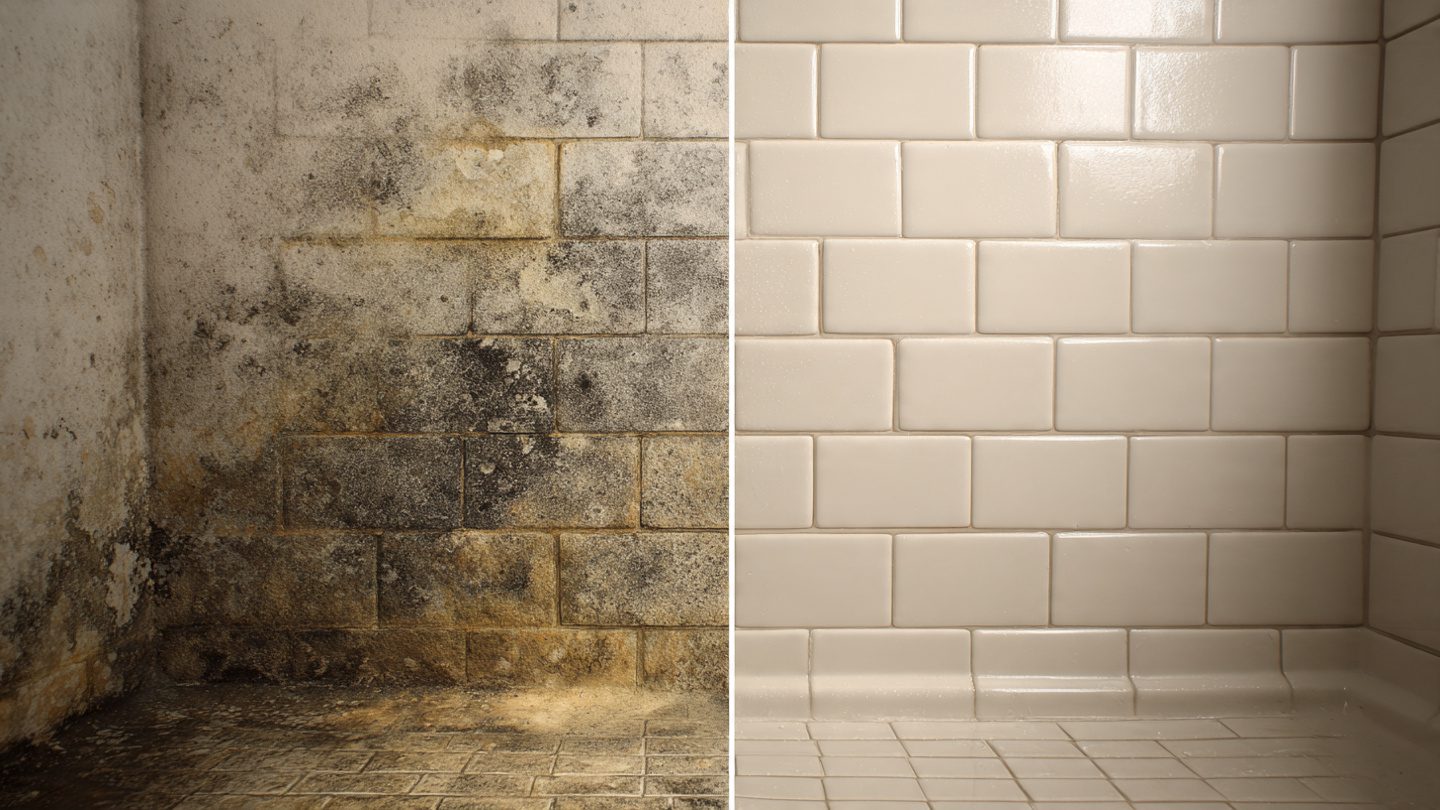
Chemical cleaners work faster and stronger. They are ideal for severe mold infestations. Bleach is the most common chemical solution.
Bleach kills mold on non-porous surfaces. It removes visible stains quickly. However, bleach does not penetrate deeply. Mold may return if roots survive.
Steps:
-
Mix bleach with water (1:10 ratio)
-
Apply carefully
-
Wait 15 minutes
-
Scrub thoroughly
-
Rinse and dry
Commercial mold removers are highly effective. These products contain antifungal agents. They prevent mold regrowth.
Always use chemicals carefully. Wear protective gear. Ensure proper ventilation. Avoid mixing chemicals.
Chemical methods provide fast results. They are ideal for stubborn mold problems.
Shower Mold Removal
Showers are mold hotspots. Constant moisture creates ideal conditions. Learning how to remove mold in the bathroom shower is essential.
Focus on grout lines and silicone seals. These materials absorb moisture. Mold grows deeply inside them.
Use specialized grout brush. Apply cleaning solution thoroughly. Allow time for penetration.
Steam cleaners are highly effective. Heat kills mold instantly. Steam penetrates porous materials.
Replacing silicone may be necessary. Old silicone contains deep mold roots. Removing and resealing prevents recurrence.
Dry shower area after use. This prevents mold formation.
Ceiling Mold Cleaning
Bathroom ceilings often develop mold. Steam rises and condenses on ceilings. Mold grows unnoticed in corners.
Cleaning ceilings requires caution. Always use stable ladder. Apply cleaning solution carefully.
Use spray and wipe method. Avoid oversaturating ceiling. Excess moisture worsens mold problem.
Anti-mold paint provides long-term protection. It contains antifungal agents. This prevents mold growth.
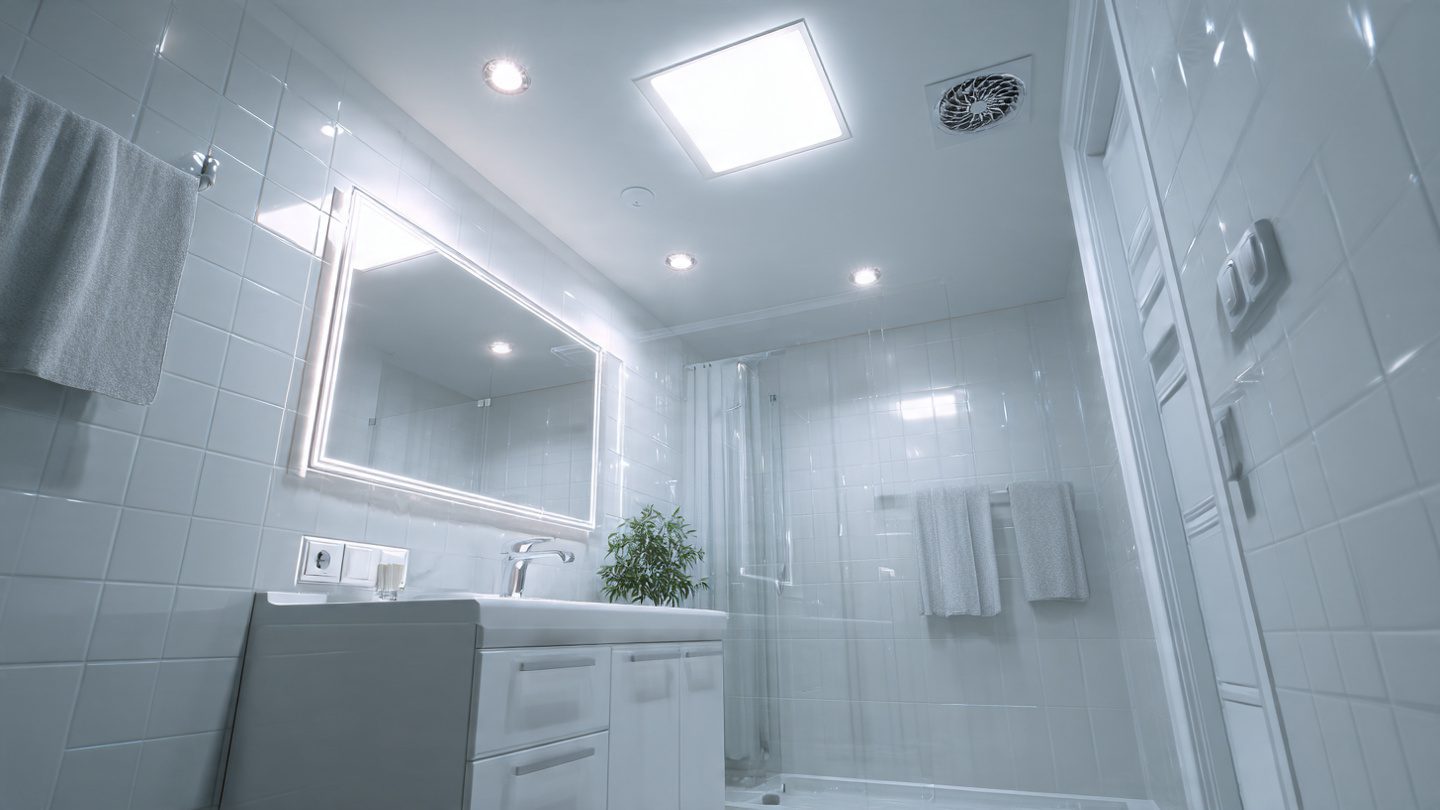
Proper ventilation prevents ceiling mold. Exhaust fans remove moisture effectively.
Mold Prevention Strategies
Prevention is the most powerful solution. Removing mold is important. Preventing mold saves effort and money.
Improve ventilation
Install exhaust fan. Use it during and after showers. Ventilation removes moisture quickly.
Reduce humidity
Keep humidity below 50%. Use dehumidifier if necessary. Dry surfaces immediately after use.
Fix leaks quickly
Repair leaking pipes immediately. Water leaks create hidden mold problems.
Clean regularly
Regular cleaning prevents mold accumulation. Use anti-mold cleaners weekly.
Use mold-resistant materials
Mold-resistant paint and silicone prevent mold growth.
Prevention ensures long-term mold control.
Professional Mold Removal
Severe mold infestations require professional help. Mold inside walls spreads rapidly. Professionals use specialized equipment.
They use industrial HEPA filtration. This removes airborne mold spores. Professional chemicals penetrate deeply.
Professional removal ensures complete elimination. It prevents structural damage. It protects indoor air quality.
Large infestations require expert handling. DIY methods may be insufficient.
Long-Term Mold Control
Long-term control requires consistent maintenance. Mold prevention becomes part of routine cleaning.
Dry surfaces after each shower. Maintain proper ventilation. Clean weekly using anti-mold solutions.
Monitor problem areas regularly. Early detection prevents severe infestations.
Understanding how to remove mold in the bathroom ensures permanent protection. Knowledge and prevention provide lasting results.
Maintaining a mold-free bathroom improves comfort and health.
Summary
Bathroom mold develops due to moisture, heat, and poor ventilation. Mold affects health and damages surfaces. Learning how to remove mold in the bathroom allows safe and permanent removal. Natural methods like vinegar and baking soda work well for mild mold. Chemical cleaners work faster for severe mold. Proper tools and protection improve effectiveness. Prevention strategies such as ventilation and humidity control stop mold permanently. Regular maintenance ensures long-term mold control and healthier indoor air.
FAQ
What kills bathroom mold permanently?
Vinegar, hydrogen peroxide, and professional mold removers kill mold permanently when applied correctly and combined with moisture control.
How fast does mold grow in bathrooms?
Mold can begin growing within 24 to 48 hours in moist environments.
Is bleach good for mold removal?
Bleach removes surface mold but may not kill deep mold roots in porous materials.
Can mold return after cleaning?
Yes, mold returns if moisture problems remain unresolved.
When should I call a professional?
Call professionals if mold covers large areas or grows inside walls.
Call-to-Action (CTA)
Mold will not disappear on its own. It spreads silently and damages your home. Start using these proven mold removal techniques today. Take control of your bathroom environment now. Apply prevention strategies and maintain proper ventilation. A clean, mold-free bathroom improves your health and comfort. Act now and protect your home permanently.






