
 Befrey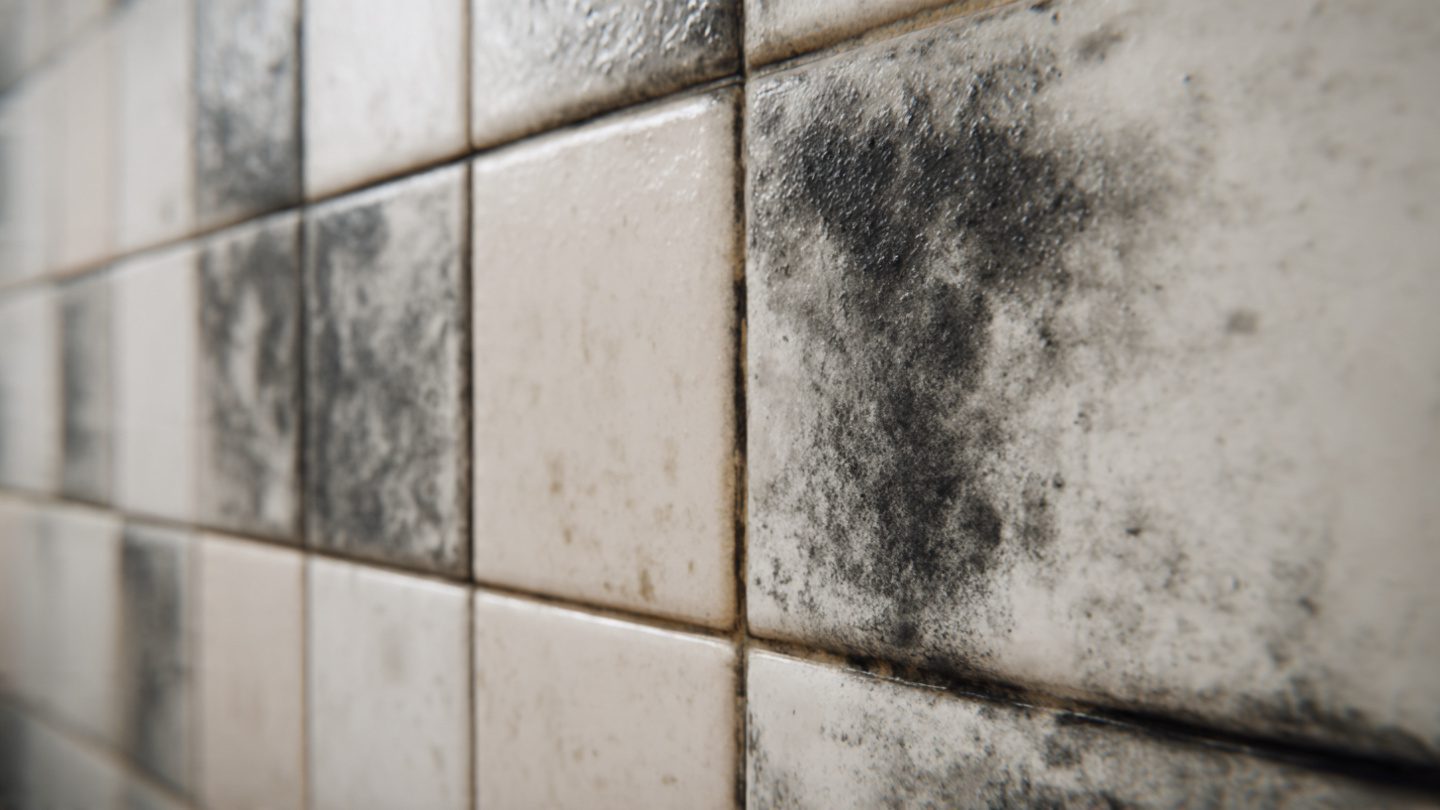
Tile joints, also known as grout lines, are one of the most difficult areas to keep clean in any kitchen or bathroom. Many homeowners search for How to clean the joints between tiles because grout absorbs dirt, mold, grease, and bacteria over time. Learning How to clean the joints between tiles properly helps restore the original brightness of your tiles and improves overall hygiene. If you want to clean tile grout naturally, remove black stains from grout lines, and restore tile joints to their original color, you must use proven techniques. Grout is porous, which means it traps contaminants deep inside its structure. This complete guide explains How to clean the joints between tiles using safe, powerful, and professional cleaning methods suitable for beginners and professionals.
Why grout gets dirty
Grout becomes dirty because of its porous structure. Unlike tiles, grout absorbs moisture, grease, and dirt easily. This makes grout more vulnerable to contamination.
Water carries minerals into grout lines. These minerals create stains. Over time, stains become darker.
Bathrooms create ideal conditions for mold growth. Moisture and warmth accelerate mold formation.
Kitchens produce grease and food particles. These particles settle into grout joints.
Foot traffic spreads dirt onto floor grout. Shoes carry dust and debris.
Understanding why grout gets dirty is essential when learning How to clean the joints between tiles effectively.
Why grout cleaning matters
Dirty grout reduces overall cleanliness. Even clean tiles look dirty if grout is stained.
Grout can harbor bacteria and mold. This creates health risks.
Mold produces unpleasant odors. These odors spread throughout the room.
Dirty grout damages tile appearance. It makes surfaces look old.
Regular cleaning preserves grout structure. It prevents permanent damage.
Learning How to clean the joints between tiles improves hygiene and appearance.
Types of grout contamination
Surface dirt buildup
Surface dirt is the most common contamination. Dust settles into grout lines.
This creates visible stains.
Regular cleaning removes surface dirt easily.
Surface cleaning prevents deeper contamination.
Early cleaning protects grout.
Maintenance simplifies cleaning.
Mold and mildew stains
Mold forms in moist environments. Bathrooms are especially vulnerable.
Mold appears as black or dark spots.
Mold penetrates grout deeply.
Removing mold requires deep cleaning.
Mold damages grout structure.
Proper cleaning removes mold safely.
Grease and oil stains
Kitchen grout absorbs grease. Cooking releases oil particles.
Grease creates sticky residue.
This attracts more dirt.
Grease stains become darker over time.
Degreasing solutions remove grease.
Grease removal restores grout appearance.
Essential grout cleaning tools
Cleaning brush selection
Use stiff brush for grout cleaning.
Brush reaches deep into grout lines.
Toothbrush works well for small areas.
Brush improves cleaning effectiveness.
Avoid metal brushes.
Protect grout structure.
Cleaning solution preparation
Warm water softens dirt.
Dish soap removes grease.
Baking soda removes stains.
Vinegar dissolves mineral deposits.
These ingredients clean safely.
Proper solutions improve results.
Baking soda cleaning method
Baking soda paste preparation
Mix baking soda with water.
Create thick paste.
Paste sticks to grout.
This increases effectiveness.
Baking soda breaks down stains.
It cleans safely.
Applying baking soda paste
Apply paste to grout lines.
Cover stained areas completely.
Let paste sit for 10 minutes.
This softens stains.
Scrub gently with brush.
Rinse thoroughly.
This method is essential when learning How to clean the joints between tiles properly.
Vinegar deep cleaning method
Vinegar solution preparation
Mix vinegar with warm water.
Vinegar dissolves mineral stains.
It breaks grease bonds.
Natural and safe solution.
Effective and affordable.
Improves cleaning performance.
Applying vinegar solution
Spray vinegar solution onto grout.
Let sit briefly.
Scrub grout gently.
Remove dissolved stains.
Rinse thoroughly.
Repeat if needed.
Vinegar improves deep cleaning.
Hydrogen peroxide whitening method
Whitening grout safely
Hydrogen peroxide whitens grout.
It removes dark stains.
Safe when used properly.
Improves grout brightness.
Restores original color.
Enhances appearance.
Application process
Apply hydrogen peroxide carefully.
Let sit briefly.
Scrub grout gently.
Rinse thoroughly.
Repeat if necessary.
Grout becomes brighter.
Steam cleaning method
Heat softens embedded dirt.
Steam loosens grease and mold.
Improves cleaning effectiveness.
Safe and chemical-free.
Highly effective cleaning method.
Steam cleaning process
Apply steam to grout lines.
Focus on stained areas.
Scrub gently afterward.
Remove loosened dirt.
Repeat process if needed.
Steam enhances deep cleaning.
This method supports How to clean the joints between tiles effectively.
Preventing grout contamination
Regular maintenance routine
Clean grout weekly.
Remove early contamination.
Prevent stain buildup.
Maintenance simplifies cleaning.
Consistent cleaning protects grout.
Clean grout improves hygiene.
Moisture control strategy
Keep grout dry.
Reduce moisture exposure.
Use ventilation.
Prevent mold growth.
Dry surfaces regularly.
Moisture control protects grout.
Common grout cleaning mistakes
Avoid harsh chemicals
Harsh chemicals damage grout.
They weaken grout structure.
Natural solutions are safer.
Protect grout integrity.
Avoid chemical damage.
Use gentle cleaning solutions.
Avoid excessive scrubbing
Aggressive scrubbing damages grout.
It removes grout material.
Gentle scrubbing is effective.
Protect grout longevity.
Avoid excessive force.
Clean carefully.
Long-term grout protection
Learning How to clean the joints between tiles improves hygiene, safety, and appearance. Clean grout enhances tile beauty.
Regular maintenance prevents deep stains. Cleaning becomes easier.
Grout remains strong and durable.
Your home looks cleaner.
Air quality improves.
Understanding How to clean the joints between tiles ensures long-lasting tile cleanliness.
Summary
Grout absorbs dirt, grease, mold, and bacteria due to its porous structure. Baking soda, vinegar, hydrogen peroxide, and steam effectively clean grout safely. Regular maintenance prevents deep contamination and protects grout structure. Learning How to clean the joints between tiles restores tile beauty, improves hygiene, and extends grout lifespan.
FAQ
What cleans grout best?
Baking soda and vinegar clean grout effectively and safely.
Can vinegar damage grout?
No, when diluted properly, vinegar is safe.
How often should grout be cleaned?
Clean grout weekly to prevent buildup.
Can mold be removed from grout?
Yes. Vinegar and hydrogen peroxide remove mold effectively.
Does steam clean grout effectively?
Yes. Steam penetrates deeply and removes embedded dirt.
CTA (Call-to-Action)
Start cleaning your tile grout today using these safe and powerful methods. Restore tile beauty, eliminate stains, and protect your home hygiene with regular grout maintenance.






