
 Befrey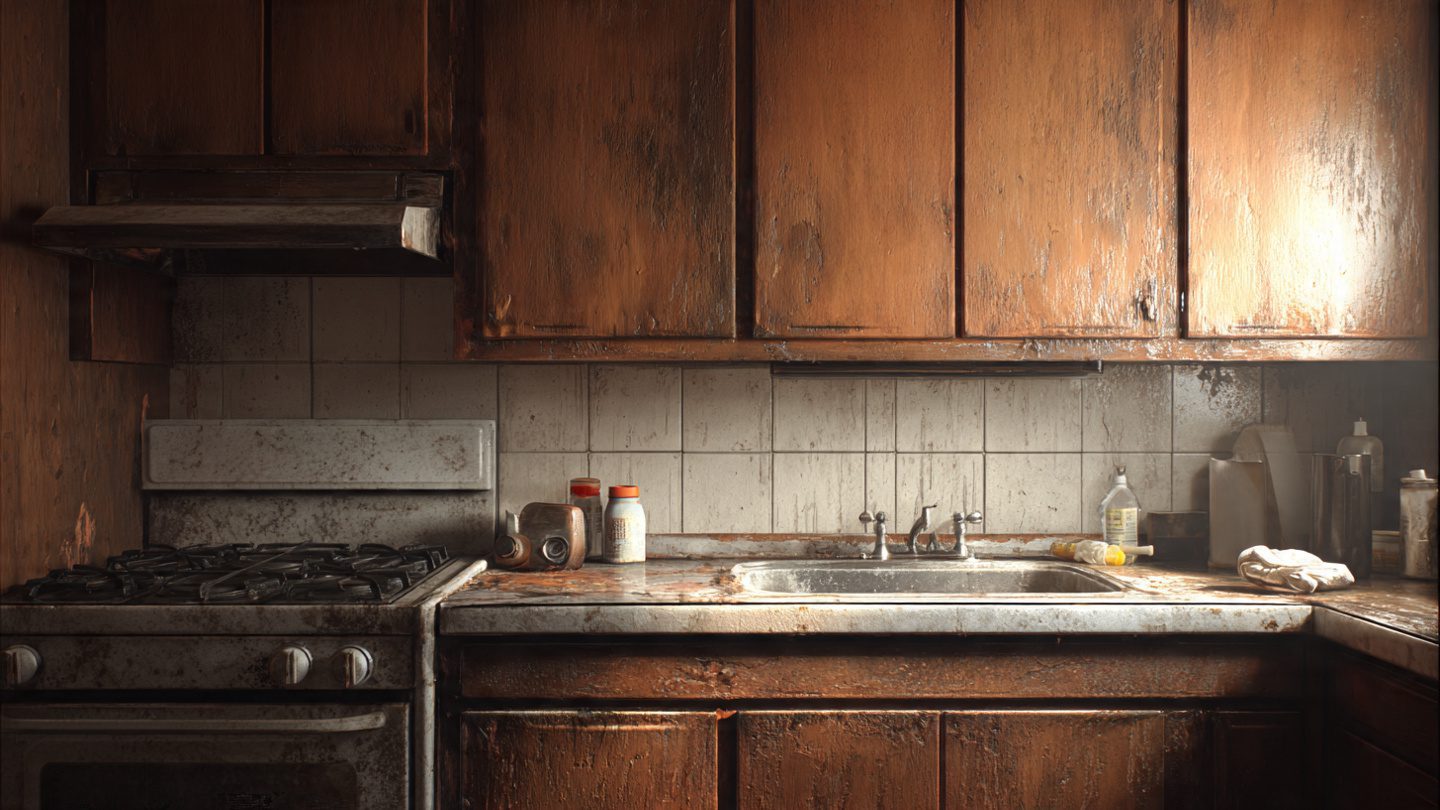
Grease buildup on kitchen cabinets is one of the most frustrating and overlooked cleaning problems in any home. Many people search for How to remove grease from kitchen cabinets because grease forms slowly and becomes sticky, dark, and difficult to clean. Learning How to remove grease from kitchen cabinets properly helps restore the original beauty of your cabinets, improves kitchen hygiene, and prevents long-term damage. Grease particles travel through the air during cooking and attach to cabinet surfaces, especially near the stove. If you want to clean greasy cabinets fast, remove sticky kitchen grease safely, and restore cabinet shine, you must use proven degreasing methods. This complete guide explains How to remove grease from kitchen cabinets using safe, effective, and professional techniques suitable for beginners and experts alike.
Grease buildup causes
Grease buildup happens naturally during cooking. Heat releases microscopic grease particles into the air. These particles rise and spread throughout the kitchen.
Cabinets near the stove collect the most grease. Warm air carries grease upward. Cabinet surfaces trap these particles.
Grease combines with dust. This creates sticky residue. The residue becomes darker over time.
Steam accelerates grease buildup. Moisture makes grease stick stronger. This makes cleaning more difficult.
Cooking frequently increases grease accumulation. Frying produces heavy grease particles.
Understanding grease formation is essential when learning How to remove grease from kitchen cabinets effectively.
Why grease removal matters
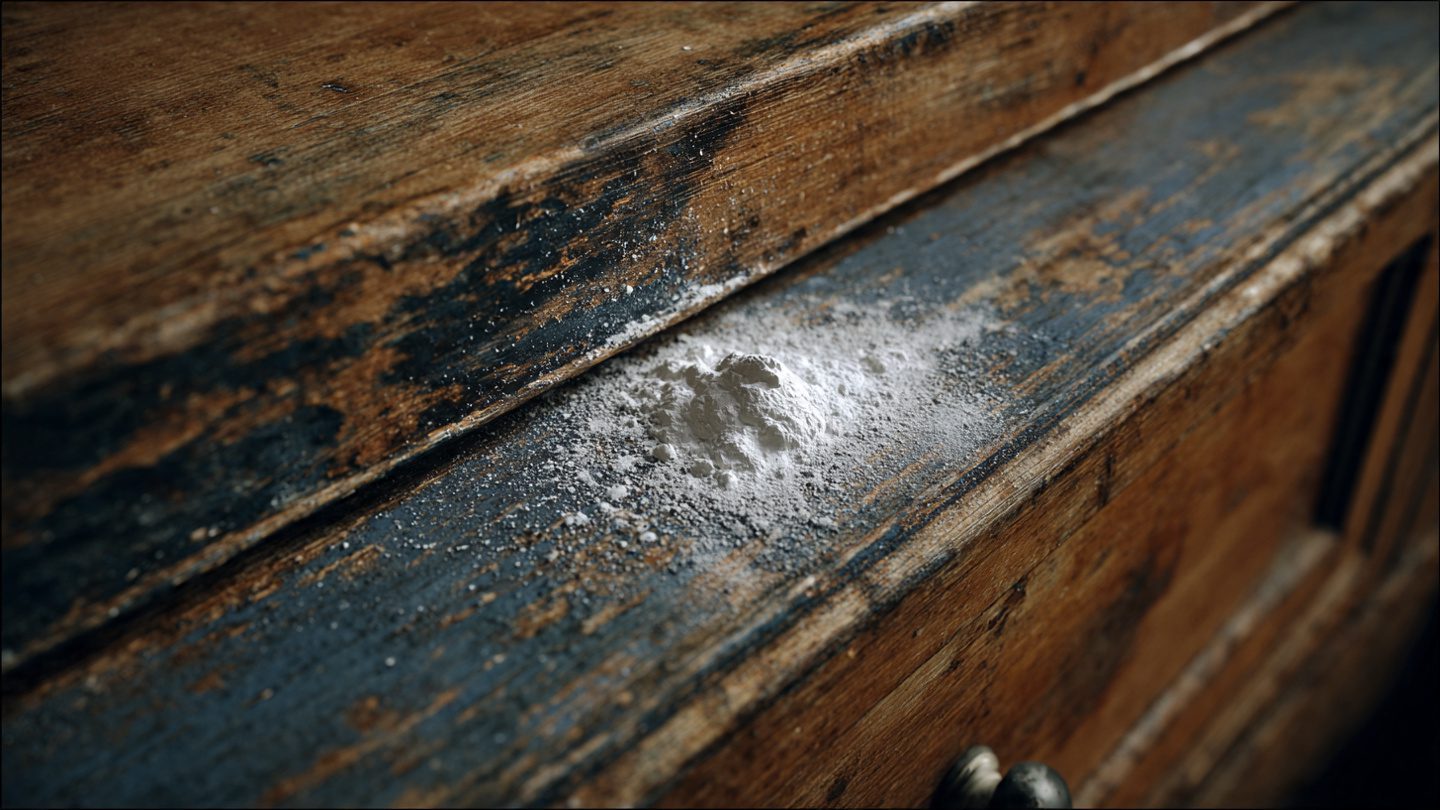
Grease damages cabinet surfaces. It penetrates protective finishes. This weakens cabinet material.
Grease attracts bacteria. Sticky surfaces trap contaminants. This reduces kitchen hygiene.
Grease creates unpleasant odors. These odors spread throughout the kitchen.
Cabinets lose their appearance. Grease makes cabinets look old and dirty.
Long-term grease buildup causes permanent damage. Cabinet lifespan decreases.
Learning How to remove grease from kitchen cabinets protects your investment and improves cleanliness.
Cabinet material types
Wooden cabinet cleaning
Wood cabinets are sensitive. Grease penetrates wood surfaces easily.
Gentle cleaning is essential. Harsh chemicals damage wood finish.
Natural degreasers work best. They protect cabinet integrity.
Wood requires careful cleaning. Avoid excessive moisture.
Dry surfaces quickly after cleaning.
Proper care preserves cabinet lifespan.
Painted cabinet care
Painted cabinets require gentle cleaning. Harsh scrubbing removes paint.
Use soft cloth only.
Avoid abrasive tools.
Gentle degreasers protect paint.
Dry thoroughly after cleaning.
Proper care maintains appearance.
Laminate cabinet cleaning
Laminate cabinets resist grease better. Grease stays on surface.
Cleaning is easier.
Use mild degreasing solutions.
Avoid scratching surfaces.
Soft cloth works best.
Laminate cabinets clean quickly.
Essential degreasing solutions
Dish soap solution
Dish soap breaks grease bonds. It separates grease from surfaces.
Mix dish soap with warm water.
Warm water softens grease.
Soap dissolves grease molecules.
This is safe and effective.
Dish soap is essential when learning How to remove grease from kitchen cabinets.
Vinegar cleaning power
Vinegar dissolves grease naturally. Its acidity weakens grease bonds.
Mix vinegar with water.
Apply gently.
Wipe grease easily.
Vinegar removes odors.
It improves cleaning results.
Baking soda paste
Baking soda removes stubborn grease. It acts as gentle abrasive.
Mix baking soda with water.
Apply paste to greasy areas.
Let sit briefly.
Wipe clean.
Grease disappears easily.
Step-by-step cleaning process
Preparation stage
Remove cabinet contents if necessary.
Protect surrounding surfaces.
Prepare cleaning solution.
Use clean cloth.
Test solution on small area.
Preparation ensures safety.
Surface degreasing method
Dip cloth into cleaning solution.
Wring excess liquid.
Wipe cabinet surfaces.
Focus on greasy areas.
Apply gentle pressure.
Repeat until clean.
This is essential when learning How to remove grease from kitchen cabinets properly.
Removing stubborn grease
Apply baking soda paste.
Let sit briefly.
This softens hardened grease.
Wipe gently.
Repeat if needed.
Stubborn grease disappears.
Deep cleaning techniques
Steam cleaning method
Steam softens hardened grease. Heat penetrates grease layers.
Use steam carefully.
Apply steam briefly.
Wipe softened grease.
Repeat process.
Steam improves cleaning efficiency.
Layer removal strategy
Thick grease requires multiple cleaning cycles.
Remove top grease layer first.
Clean deeper layers gradually.
Repeat cleaning process.
Patience improves results.
Deep cleaning restores cabinet appearance.
Drying and finishing process
Proper drying technique
Dry cabinets immediately.
Use clean dry cloth.
Remove moisture completely.
This prevents damage.
Drying protects cabinet material.
Proper drying ensures long-term durability.
Surface polishing method
Use microfiber cloth.
Polish cabinet surface.
Restore shine.
Remove remaining residue.
Improve cabinet appearance.
Final polishing completes cleaning.
Preventing future grease buildup
Daily prevention habits
Use kitchen hood during cooking.
This reduces grease spread.
Clean spills immediately.
Wipe cabinets regularly.
Prevention simplifies cleaning.
Regular care protects cabinets.
Weekly maintenance routine
Wipe cabinets weekly.
Remove early grease buildup.
Use gentle cleaning solution.
Prevent heavy grease accumulation.
Maintenance improves longevity.
Consistency ensures cleanliness.
Common cleaning mistakes
Avoid harsh chemicals
Harsh chemicals damage cabinet surfaces.
They remove protective finishes.
Natural cleaning is safer.
Protect cabinet integrity.
Use gentle cleaning solutions.
Avoid chemical damage.
Avoid excessive moisture
Too much water damages cabinets.
Moisture penetrates material.
This causes swelling.
Use minimal moisture.
Dry surfaces quickly.
Protect cabinet structure.
Long-term cabinet care
Learning How to remove grease from kitchen cabinets improves kitchen hygiene and cabinet lifespan. Clean cabinets maintain their original beauty. Grease-free cabinets improve kitchen appearance.
Regular maintenance prevents heavy grease buildup. Cleaning becomes easier over time.
Cabinets remain structurally strong. Finish remains intact.
Your kitchen looks cleaner and healthier.
Proper care protects your investment.
Understanding How to remove grease from kitchen cabinets ensures long-term cabinet protection and cleanliness.
How to clean the hood from grease
How to clean a microwave in 5 minutes
How to clean the oven without chemicals
Summary
Grease buildup on kitchen cabinets reduces hygiene, damages surfaces, and creates unpleasant odors. Using dish soap, vinegar, baking soda, and steam effectively removes grease safely. Regular cleaning prevents buildup and protects cabinet materials. Learning How to remove grease from kitchen cabinets restores cabinet beauty, improves hygiene, and extends cabinet lifespan.
FAQ
What removes grease from cabinets best?
Dish soap and warm water work best. Vinegar and baking soda remove stubborn grease.
Can vinegar damage cabinets?
No. Diluted vinegar is safe. Always dry cabinets after cleaning.
How often should cabinets be cleaned?
Clean weekly to prevent grease buildup.
Is baking soda safe for cabinets?
Yes. It removes grease safely when used gently.
Can grease permanently damage cabinets?
Yes. Long-term grease buildup weakens cabinet surfaces.
CTA (Call-to-Action)
Start cleaning your kitchen cabinets today using these safe and powerful degreasing methods. Restore their original beauty, protect your kitchen hygiene, and extend cabinet lifespan with regular maintenance.






