
 Befrey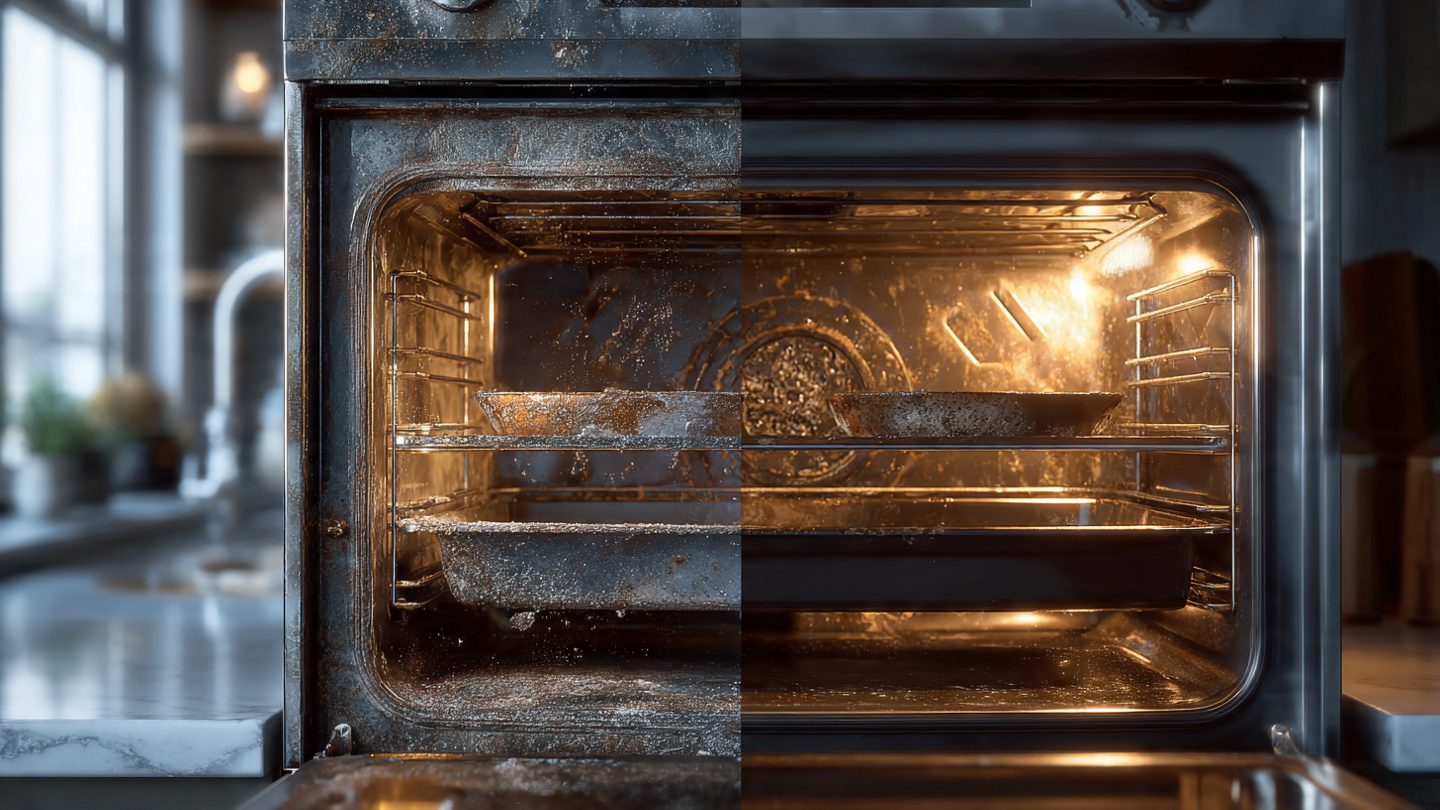
Cleaning your oven can feel overwhelming, especially when grease, burnt food, and smoke stains accumulate over time. Many people search for How to clean the oven without chemicals because they want a safer, healthier, and more affordable solution. Chemical-free oven cleaning is not only possible, but it is also highly effective when done correctly. Natural oven cleaning methods use simple ingredients like baking soda, vinegar, lemon, and steam to break down grease and carbon buildup. These methods help you clean oven naturally, avoid toxic fumes, and protect your health. If you want to learn How to clean the oven without chemicals, this complete guide will show you professional-level techniques that work for beginners and experts alike.
Why natural cleaning matters
Cleaning your oven naturally is not just a trend. It is a smart decision for your health, your home, and your wallet. Many commercial oven cleaners contain strong chemicals that release toxic fumes. These fumes can irritate your lungs, eyes, and skin. They can also contaminate the air inside your home.
Natural cleaning eliminates these risks. When you use ingredients like baking soda and vinegar, you avoid dangerous exposure. This makes your kitchen safer for children and pets. It also protects people with asthma or breathing problems.
Another important benefit is cost savings. Most natural cleaning ingredients are cheap and already in your kitchen. You do not need to buy expensive products. This makes chemical-free oven cleaning accessible to everyone.
Natural cleaning also protects your oven. Harsh chemicals can damage oven surfaces over time. They can weaken protective coatings and cause discoloration. Natural methods clean effectively without causing damage.
Finally, natural cleaning gives you control. You know exactly what ingredients you use. There are no hidden chemicals or unknown risks.
Understanding oven buildup
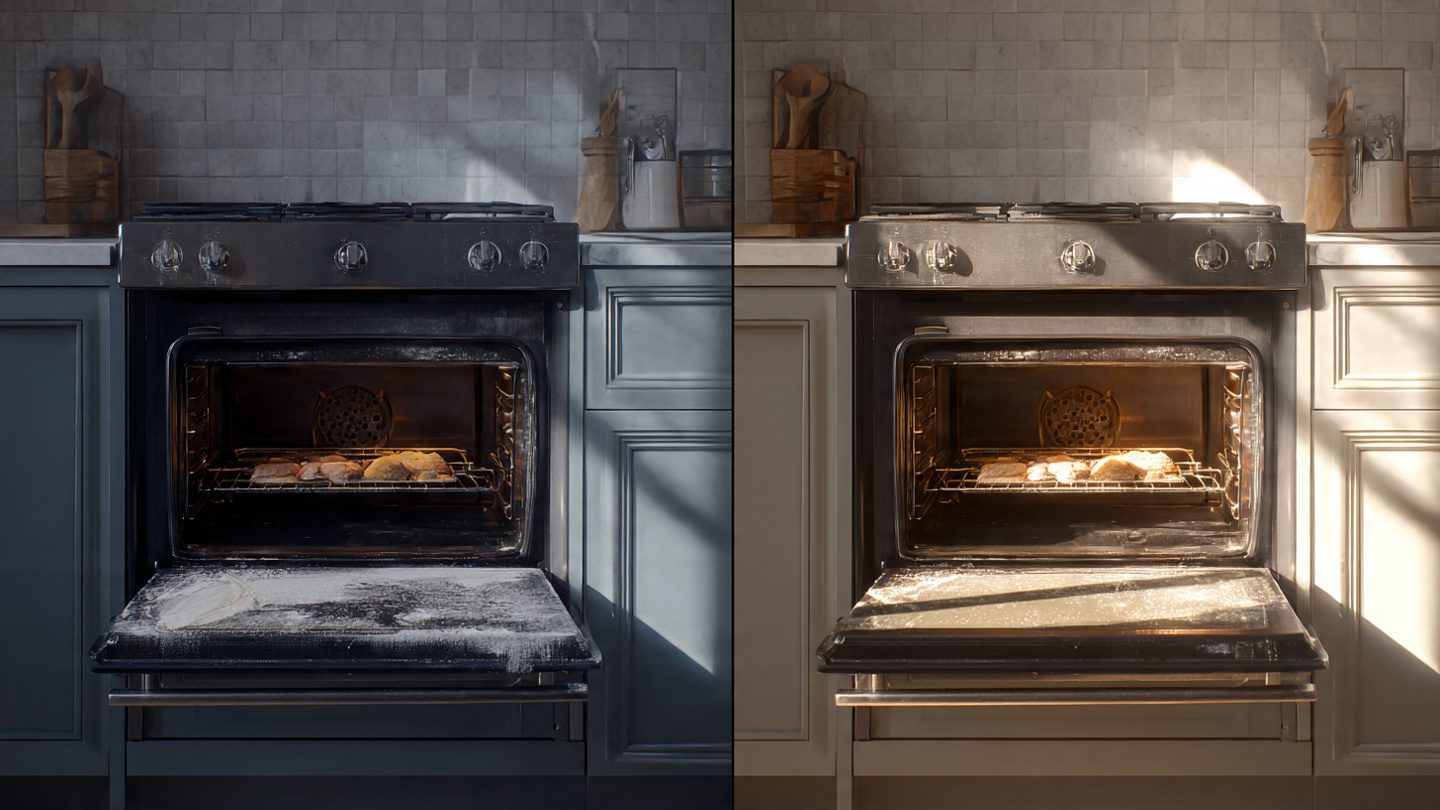
Before learning How to clean the oven without chemicals, you must understand what makes ovens dirty. Oven dirt consists of grease, food particles, and carbon residue. These substances accumulate during cooking. High temperatures bake them into hard layers.
Grease is the most common problem. When food cooks, fat splashes onto oven walls. Heat turns it into sticky residue. Over time, it hardens and becomes difficult to remove.
Burnt food is another major cause. Small food particles fall to the oven floor. They burn and create black carbon deposits. These deposits produce smoke and bad smells.
Sugar is especially problematic. When sugar burns, it melts and hardens into thick layers. This creates stubborn stains.
Heat accelerates the problem. Every time you use your oven, heat strengthens these deposits. This makes regular cleaning important.
Understanding this process helps you remove buildup more effectively.
Essential natural ingredients
Baking soda power
Baking soda is the most effective natural oven cleaner. It is slightly abrasive but safe. It breaks down grease and softens burnt residue. It also neutralizes odors.
Baking soda works through a chemical reaction. It weakens bonds between grease and metal surfaces. This makes residue easier to remove.
It is also non-toxic. You can use it safely without protective gear. This makes it ideal for regular cleaning.
Baking soda is cheap and widely available. It is one of the best tools for chemical-free oven cleaning.
It can remove even old, stubborn stains with patience.
This makes it essential when learning How to clean the oven without chemicals.
Vinegar reaction
Vinegar enhances cleaning power. It reacts with baking soda and creates bubbles. This reaction lifts dirt and grease from surfaces.
Vinegar also dissolves grease naturally. Its acidity breaks down fatty deposits. This makes cleaning easier.
It also kills bacteria. This helps sanitize your oven.
Vinegar removes odors effectively. It leaves your oven smelling fresh.
It is safe and environmentally friendly.
This makes vinegar a perfect companion to baking soda.
Step-by-step cleaning method
Preparation process
Start by turning off your oven. Make sure it is completely cool. Never clean a hot oven.
Remove oven racks. Take out trays and removable parts. This allows full access to surfaces.
Place protective material under the oven if needed. This catches falling debris.
Remove loose debris first. Use a dry cloth or brush.
This improves cleaning effectiveness.
Proper preparation makes cleaning easier and faster.
Baking soda paste
Mix baking soda with water. Create a thick paste. It should spread easily but not drip.
Apply the paste to dirty areas. Cover grease and burnt spots completely.
Avoid heating elements. Focus on walls and floor.
Let the paste sit for 8–12 hours. Overnight works best.
This allows baking soda to break down buildup.
This is the core technique for How to clean the oven without chemicals.
Removing residue
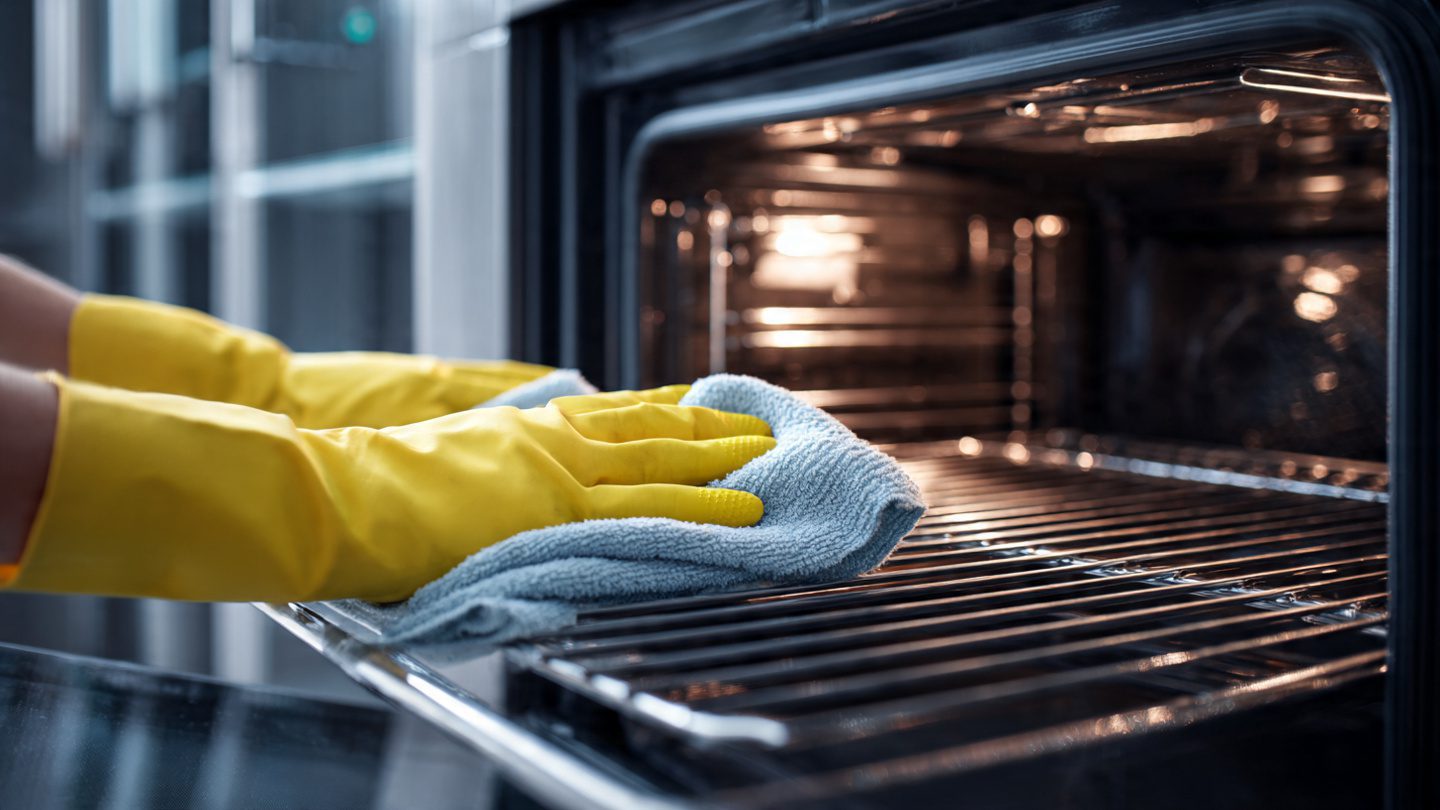
After waiting, wipe away dried paste. Use a damp cloth.
Most grease will come off easily. Stubborn spots may need gentle scrubbing.
Spray vinegar on remaining residue. This creates a cleaning reaction.
Wipe surfaces again.
Repeat if necessary.
Your oven will look significantly cleaner.
Steam cleaning method
Steam cleaning basics
Steam is a powerful natural cleaner. Heat and moisture soften hardened grease. This makes removal easy.
Fill an oven-safe dish with water. Place it inside the oven.
Heat oven to low temperature. Around 100–120°C is enough.
Let water steam for 20–30 minutes.
Turn off oven and let it cool slightly.
Steam loosens dirt effectively.
Wiping softened grease
After steaming, grease becomes soft. It is easier to wipe away.
Use a cloth or sponge. Remove loosened residue.
Most buildup will come off easily.
Repeat steam process if needed.
This method works well for maintenance cleaning.
It supports chemical-free oven cleaning perfectly.
Lemon cleaning method
Natural grease removal
Lemon is a powerful natural cleaner. Its acid dissolves grease.
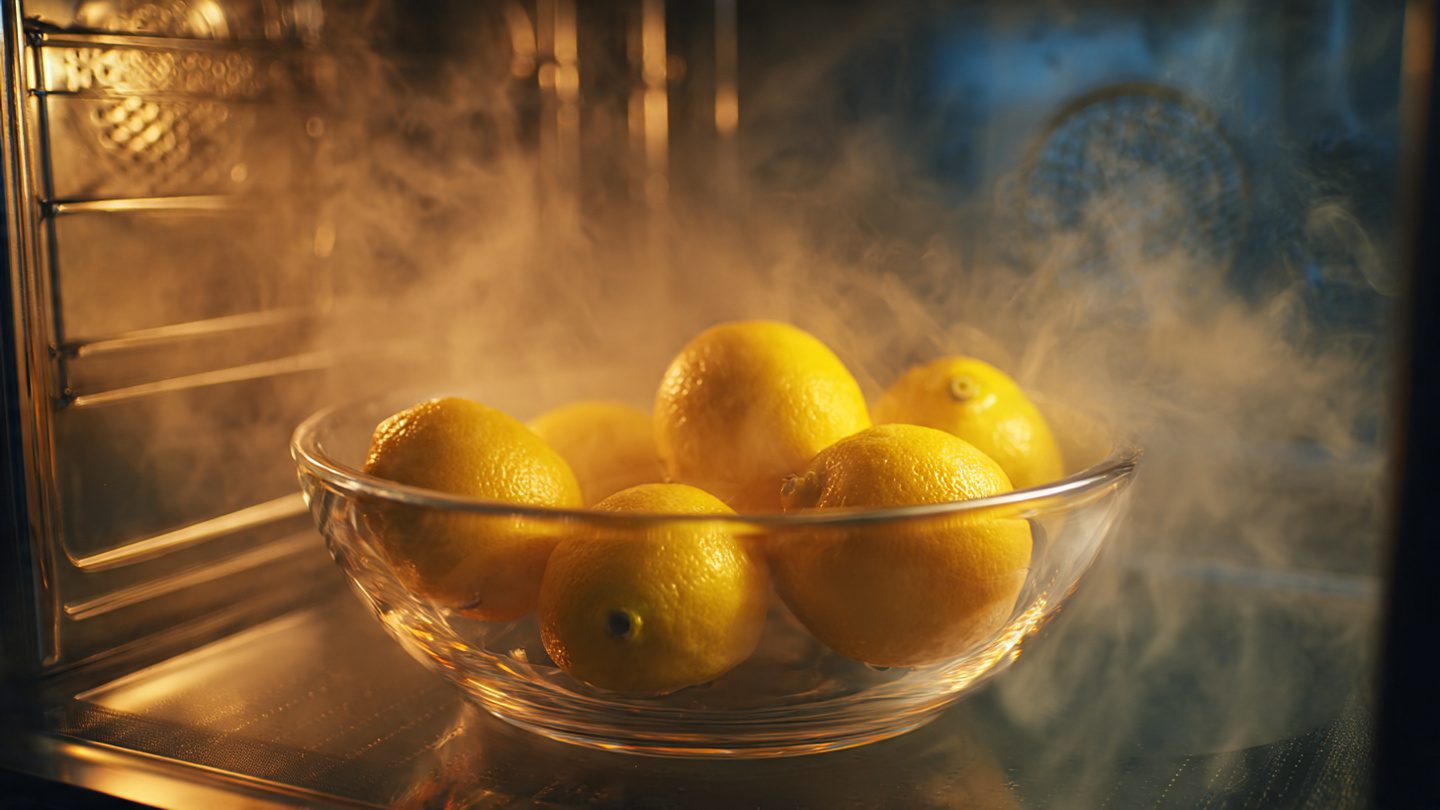
Cut lemons in half. Place them in water.
Heat inside oven.
Steam releases lemon acid.
This breaks down grease naturally.
It also leaves a fresh smell.
Odor elimination
Lemon removes bad odors. It neutralizes burnt smells.
This improves oven freshness.
It also prevents future odors.
Use lemon regularly.
This keeps oven clean longer.
It enhances natural cleaning results.
Cleaning oven racks
Soaking method
Oven racks collect heavy grease. They require soaking.
Place racks in bathtub or large container.
Cover with warm water.
Add baking soda.
Let soak for several hours.
This loosens grease effectively.
Scrubbing safely
After soaking, scrub gently.
Use non-abrasive sponge.
Remove remaining residue.
Rinse thoroughly.
Dry completely before replacing.
This restores rack cleanliness.
Professional maintenance tips
Regular cleaning schedule
Clean oven monthly. This prevents heavy buildup.
Light cleaning takes less effort.
Maintenance extends oven life.
It also improves cooking performance.
It reduces smoke and smells.
Consistency is key to success.
Preventive measures
Use oven trays. Catch spills early.
Clean spills immediately.
Avoid letting grease accumulate.
Monitor cooking carefully.
Prevention reduces cleaning effort.
It makes natural cleaning easier.

Common cleaning mistakes
Avoid harsh scrubbing
Do not use metal brushes. They damage surfaces.
Scratches weaken oven coating.
This causes future problems.
Use gentle tools only.
Protect oven interior.
Preserve oven lifespan.
Avoid chemical mixing
Do not mix unknown substances.
Natural ingredients are safest.
Avoid commercial cleaners.
They release toxic fumes.
Stick to proven natural methods.
This ensures safety and effectiveness.
Long-term oven care
Learning How to clean the oven without chemicals gives you long-term advantages. Your oven stays cleaner for longer periods. You reduce exposure to toxic substances. Your kitchen becomes safer and healthier.
Natural cleaning improves oven performance. Heat distributes evenly. Food cooks better.
It also improves energy efficiency. Clean ovens require less energy.
This saves money over time.
Natural methods protect your investment.
They ensure your oven lasts many years.
How to Unclog a Sink Without Calling a Plumber
How to Descale a Washing Machine (Complete Beginner-to-Pro Guide)
Summary
Cleaning your oven naturally is safe, effective, and affordable. Baking soda, vinegar, steam, and lemon provide powerful cleaning without toxic chemicals. These methods break down grease, remove burnt residue, and eliminate odors. Regular maintenance prevents heavy buildup and makes cleaning easier. Learning How to clean the oven without chemicals helps protect your health, extend oven lifespan, and improve cooking performance. Natural cleaning methods work for beginners and professionals alike.
FAQ
How often should I clean my oven naturally?
Clean your oven every 1–3 months. Frequent cleaning prevents heavy buildup and makes maintenance easier.
Does baking soda really remove burnt grease?
Yes. Baking soda breaks down grease bonds and softens burnt residue, making it easy to remove.
Is vinegar safe for oven cleaning?
Yes. Vinegar is safe, natural, and effective. It dissolves grease and removes odors.
Can natural cleaning damage my oven?
No. Natural ingredients are safe and protect oven surfaces better than harsh chemicals.
How long does natural oven cleaning take?
Deep cleaning takes 8–12 hours with baking soda paste. Maintenance cleaning takes less than one hour.
CTA (Call-to-Action)
If you found this guide helpful, start using natural oven cleaning today. Protect your health, save money, and extend your oven’s lifespan. Try these methods and experience the power of chemical-free cleaning. Explore more natural home cleaning guides to transform your home safely and effectively.






