
 Befrey
Keeping your living space fresh starts with mastering How to Clean a Sofa at Home. Whether you want to wash a couch at home, clean upholstery properly, or remove dirt and stains from your sofa, learning the right methods can transform your furniture. A clean sofa not only looks better but also improves hygiene, reduces allergens, and extends the life of your investment. Many people think sofa cleaning requires expensive services, but with the right knowledge, you can achieve professional-level results at home. This guide will walk you step by step through every detail, from basic maintenance to deep cleaning techniques. By the end, you will know exactly how to restore your sofa to a like-new condition.
Why Regular Sofa Cleaning Is Essential for Health and Longevity
Your sofa is one of the most used pieces of furniture in your home. It absorbs dust, sweat, food particles, and even bacteria every day. Over time, these contaminants build up and can affect both your health and the durability of the material. Regular cleaning prevents allergens such as dust mites from accumulating, which is especially important for people with allergies or asthma. A clean sofa also reduces unpleasant odors that can linger in your living space.
Neglecting your sofa can lead to permanent stains and fabric deterioration. Dirt particles act like tiny abrasives that slowly wear down fibers. This is why consistent maintenance is not just about appearance but also about preserving the structure of the sofa. Additionally, regular cleaning enhances comfort. Sitting on a clean surface simply feels better.
Another overlooked benefit is cost savings. Replacing a sofa is expensive, but proper care can extend its life by several years. By learning how to clean your sofa at home, you avoid frequent professional cleaning costs. This makes it both a practical and economical habit.
Understanding Different Sofa Materials Before Cleaning
Before you start cleaning, it is crucial to identify the material of your sofa. Different fabrics require different approaches, and using the wrong method can cause damage. Most sofas fall into three main categories: fabric, leather, and synthetic materials.
Fabric sofas are common and come in various textures such as cotton, linen, and microfiber. These materials are generally more absorbent, which means they can trap stains easily but are also easier to clean with the right solutions. Leather sofas require special care because they can dry out and crack if exposed to harsh chemicals. Synthetic materials like polyester are more resistant to stains but still need regular maintenance.
Always check the manufacturer’s label. You may find cleaning codes such as W (water-based cleaner), S (solvent-based cleaner), or WS (both). This small detail can prevent costly mistakes. Testing any cleaning solution on a hidden area is also essential. This ensures that the color and texture remain unaffected.
Understanding your sofa’s material is the foundation of effective cleaning. Without this step, even the best techniques can fail.
Essential Tools and Supplies for Effective Sofa Cleaning
Having the right tools makes the process much easier and more effective. You do not need professional equipment, but a few basic items are essential. A vacuum cleaner with upholstery attachments is the most important tool. It helps remove loose dirt and dust before applying any cleaning solution.
Microfiber cloths are ideal for wiping surfaces without causing damage. Soft brushes can help loosen dirt from fabric fibers. For cleaning solutions, mild dish soap, baking soda, and white vinegar are highly effective and safe for most materials. Spray bottles are useful for applying solutions evenly.
You may also need a bucket, warm water, and a dry towel. For deeper cleaning, a steam cleaner can be a valuable investment. It penetrates the fabric and removes embedded dirt. However, it is not suitable for all materials, especially delicate fabrics or leather.
Preparation is key. Gathering all your supplies before starting ensures a smooth and efficient cleaning process. It also reduces the risk of leaving the job unfinished.
How to Clean Fabric Sofa Naturally at Home
Cleaning a fabric sofa naturally is one of the safest and most effective methods. Natural solutions are gentle on the material and safe for your family. Start by vacuuming the entire sofa thoroughly. Pay special attention to crevices where dust accumulates.
Next, prepare a simple cleaning solution using warm water and a small amount of mild dish soap. Dip a microfiber cloth into the solution and wring it out to avoid excess moisture. Gently wipe the surface in circular motions. This helps lift dirt without soaking the fabric.
For tougher stains, a mixture of baking soda and water can be applied directly. Let it sit for a few minutes before wiping it away. Baking soda is excellent for breaking down grime and neutralizing odors. Always allow the sofa to air dry completely to prevent mold or mildew.
Natural cleaning methods are not only effective but also environmentally friendly. They reduce exposure to harsh chemicals and maintain the integrity of the fabric over time.
Best Way to Clean Leather Sofa Without Damage
Leather sofas require a different approach. They are durable but sensitive to moisture and chemicals. Start by dusting the surface with a dry cloth or vacuum attachment. This removes loose dirt that can scratch the leather.
Prepare a solution of equal parts water and white vinegar. Lightly dampen a cloth and wipe the surface gently. Avoid soaking the leather, as excess moisture can cause damage. After cleaning, use a dry cloth to remove any remaining moisture.
Conditioning is an essential step. Leather can dry out over time, leading to cracks. Apply a leather conditioner to keep it soft and supple. This also adds a protective layer against future stains.
Regular maintenance is crucial for leather sofas. Cleaning and conditioning every few months will keep them looking luxurious and extend their lifespan significantly.
How to Remove Stains from Sofa Upholstery
Stains are inevitable, but they do not have to be permanent. The key is to act quickly. Fresh stains are much easier to remove than old ones. Start by blotting the stain with a clean cloth. Avoid rubbing, as this can spread the stain and push it deeper into the fabric.
Different stains require different treatments. For food stains, a mixture of water and mild detergent works well. For grease stains, baking soda can absorb the oil before cleaning. Ink stains may require rubbing alcohol applied carefully with a cotton swab.
Always work from the outside of the stain toward the center. This prevents it from spreading. Rinse the area with a damp cloth and blot dry. Patience is important. Some stains may require multiple treatments.
Understanding stain removal techniques can save your sofa from permanent damage. It also keeps your furniture looking fresh and clean.
Deep Cleaning Sofa with Baking Soda and Vinegar
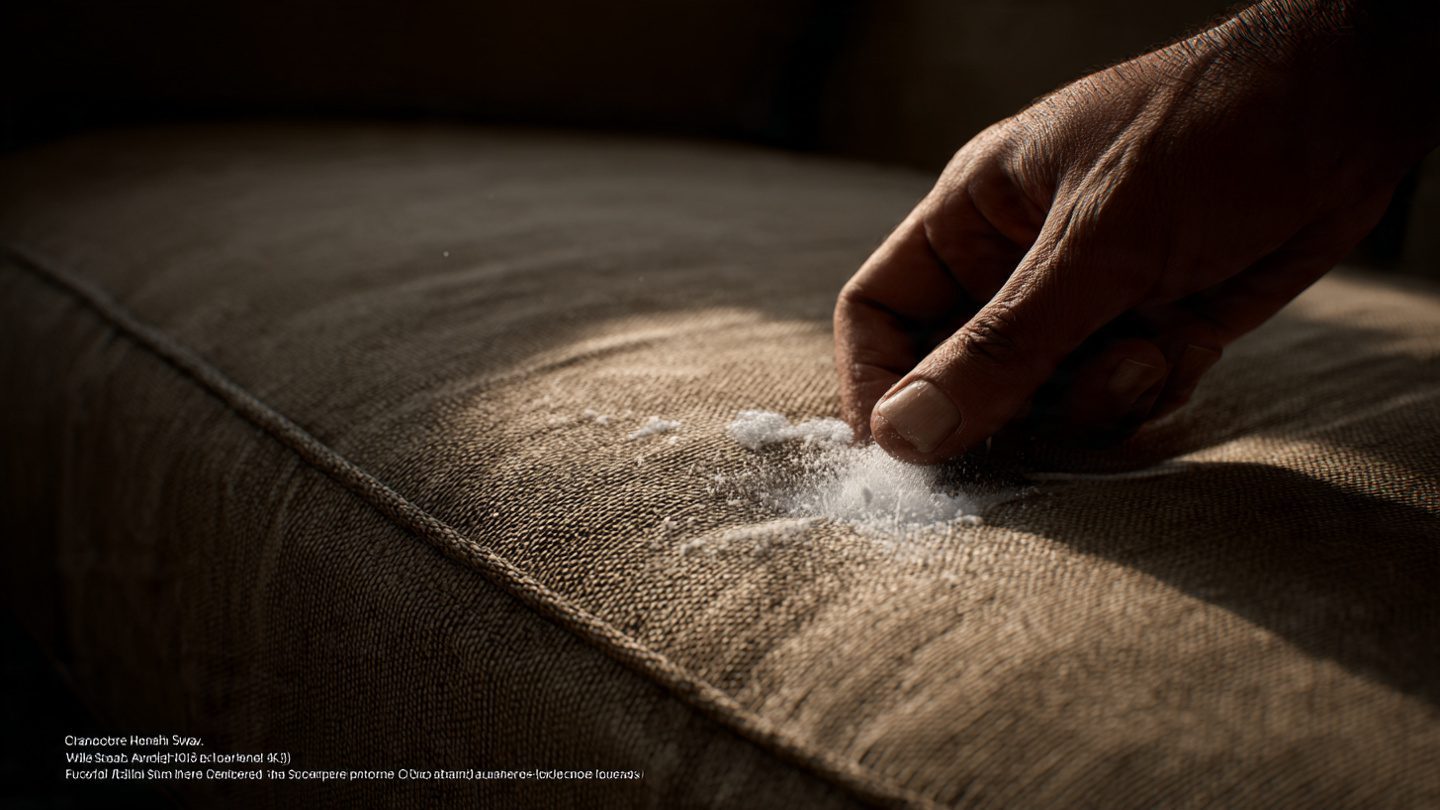
Deep cleaning is necessary when your sofa has accumulated dirt over time. Baking soda and vinegar are powerful natural cleaners that can handle even stubborn grime. Start by sprinkling baking soda evenly over the sofa. Let it sit for at least 20 minutes. This helps absorb odors and loosen dirt.
Next, vacuum the sofa thoroughly to remove the baking soda. Prepare a solution of vinegar and water in a spray bottle. Lightly mist the surface and wipe it with a clean cloth. The combination of baking soda and vinegar creates a deep-cleaning effect that removes embedded dirt.
This method is particularly effective for fabric sofas. It is also safe and affordable. However, always test the solution on a small area first to ensure compatibility.
Deep cleaning should be done periodically, depending on usage. It revitalizes the sofa and restores its original appearance.
How to Deodorize a Couch and Remove Odors
Odors can make even a clean-looking sofa unpleasant. Deodorizing is an essential part of sofa maintenance. Baking soda is one of the best natural deodorizer. Sprinkle it generously over the surface and let it sit for several hours or overnight.
Afterward, vacuum the sofa thoroughly. For persistent odors, a mixture of water and vinegar can be sprayed lightly. Vinegar neutralizes odor-causing bacteria effectively. Essential oils can be added for a pleasant fragrance.
Ventilation is also important. Allow fresh air to circulate around the sofa. This helps remove trapped odors and speeds up drying. Regular deodorizing keeps your living space fresh and inviting.
Odor removal is not just about comfort. It also indicates cleanliness and proper maintenance.
Professional Sofa Cleaning Tips at Home
Achieving professional results at home is possible with the right techniques. One key tip is consistency. Regular cleaning prevents buildup and makes deep cleaning easier. Another important factor is using the correct amount of moisture. Too much water can damage the sofa and cause mold.
Working in sections ensures thorough cleaning. Focus on one area at a time to avoid missing spots. Using high-quality tools, such as a good vacuum and microfiber cloths, can make a significant difference.
Timing also matters. Allow sufficient drying time before using the sofa again. This prevents moisture-related issues. Rotating cushions regularly helps maintain even wear and prolongs the life of the sofa.
Professional-level cleaning is about attention to detail. Small steps can lead to impressive results when done correctly.
Common Mistakes to Avoid When Cleaning a Sofa
Many people unknowingly damage their sofas by making simple mistakes. One common error is using too much water. This can lead to mold and fabric damage. Another mistake is using harsh chemicals that can discolor or weaken the material.
Skipping the vacuuming step is also problematic. Dirt left on the surface can turn into mud when mixed with water. Rubbing stains instead of blotting can make them worse. Ignoring the manufacturer’s instructions can result in irreversible damage.
Patience is essential. Rushing the process often leads to poor results. Taking the time to clean properly ensures better outcomes and protects your furniture.
Avoiding these mistakes can save you time, money, and frustration.
How Often Should You Clean Your Sofa?
The frequency of cleaning depends on usage. For most households, vacuuming once a week is sufficient. Spot cleaning should be done as needed. Deep cleaning can be performed every 3 to 6 months.
Homes with pets or children may require more frequent cleaning. Allergies are another factor to consider. Regular maintenance helps reduce allergens and keeps the environment healthy.
Consistency is more important than intensity. Small, regular efforts are more effective than occasional deep cleaning. This approach keeps your sofa in excellent condition year-round.
How to remove stains from carpet
How to clean a mattress at home
How to Remove Bathroom Mold Fast and Permanently
Summary
Cleaning your sofa at home is both practical and effective when done correctly. By understanding the material, using the right tools, and applying proper techniques, you can maintain a clean and healthy living space. Regular maintenance prevents damage, removes stains, and eliminates odors. Natural cleaning methods are safe and affordable, making them ideal for most households. With consistent care, your sofa can remain comfortable and visually appealing for years.
FAQ
1. Can I clean my sofa without a vacuum cleaner?
Yes, but it is less effective. A brush and cloth can help, but a vacuum removes deeper dirt.
2. Is baking soda safe for all sofas?
Generally yes, but always test on a small area first.
3. How long does it take for a sofa to dry?
Usually 4–12 hours, depending on the material and ventilation.
4. Can I use a steam cleaner on any sofa?
No. Check the manufacturer’s label before using steam.
5. What is the best homemade cleaner for sofas?
A mix of water, vinegar, and mild soap works well for most fabrics.
CTA (Call-to-Action)
Ready to transform your living space? Start cleaning your sofa today using these expert methods and enjoy a fresher, healthier home. Save this guide for future reference and share it with anyone who wants professional results without the cost!






