
 Befrey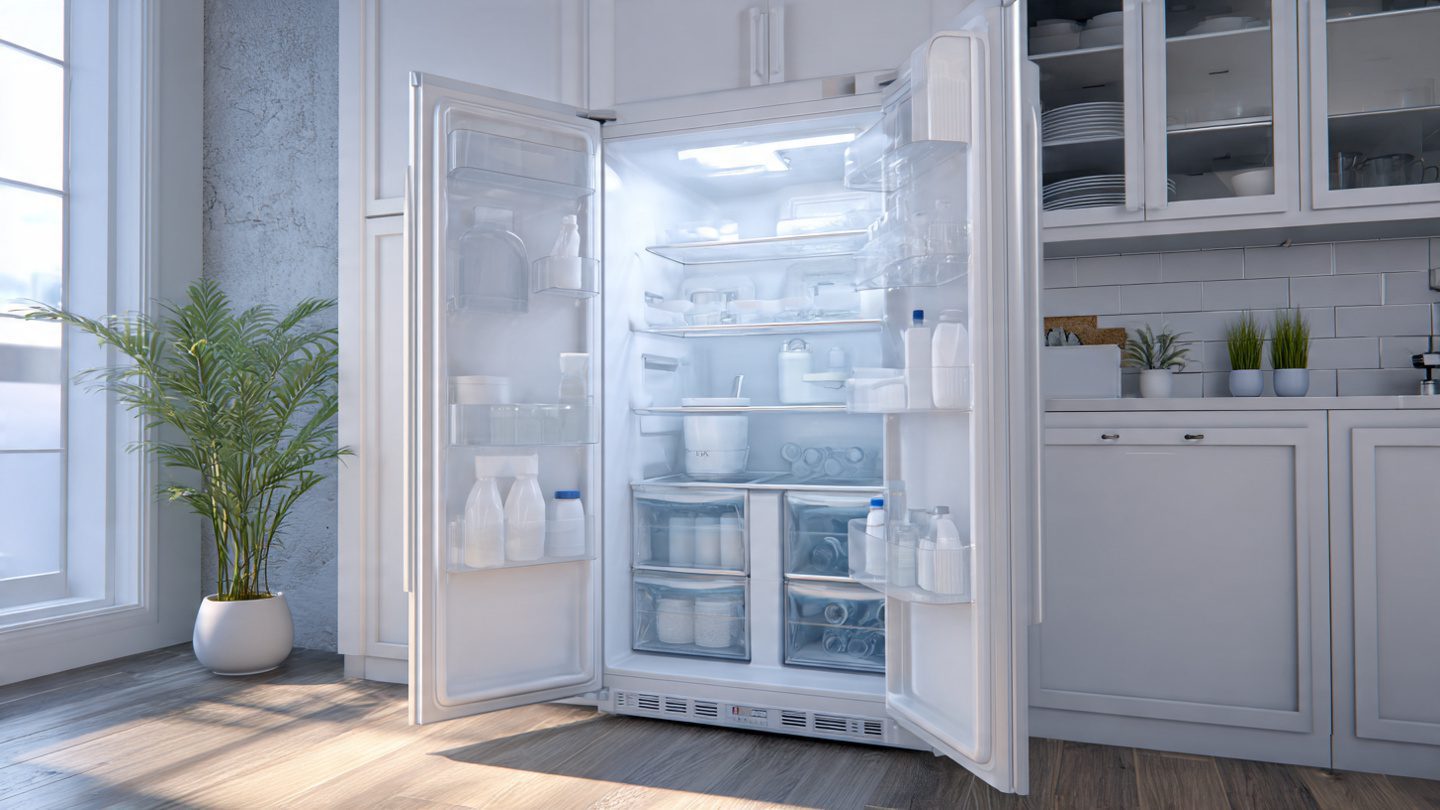
Maintaining a fresh and hygienic kitchen starts with learning How to Clean Your Refrigerator Properly. Whether you want to clean your fridge effectively, wash refrigerator compartments safely, or remove bacteria and odors from your fridge, the right method makes all the difference. Many people overlook the importance of proper refrigerator cleaning, even though it directly affects food safety and health. A poorly maintained fridge can harbor bacteria, mold, and unpleasant odors that contaminate your food. The good news is that with the right techniques, cleaning your refrigerator can be simple, fast, and highly effective. This comprehensive guide will walk you through every step in detail, helping you achieve a spotless, odor-free, and hygienic refrigerator. By the end, you will know exactly how to keep your fridge clean like a professional.
Why Cleaning Your Refrigerator Is Critical for Health and Food Safety
Your refrigerator is one of the most important appliances in your home. It stores food that you and your family consume daily. However, it can easily become a breeding ground for bacteria if not cleaned regularly. Spills, expired food, and moisture create the perfect environment for harmful microorganisms.
Cleaning your fridge regularly helps prevent food contamination. It reduces the risk of foodborne illnesses caused by bacteria such as salmonella and E. coli. A clean refrigerator also keeps your food fresher for longer by maintaining proper hygiene conditions.
Odor control is another important factor. Strong smells can transfer between foods, affecting taste and quality. Regular cleaning eliminates these odors and keeps your fridge smelling fresh. Additionally, a clean fridge improves efficiency. Dirt and debris can affect cooling performance over time.
Maintaining cleanliness is not just about appearance. It is about protecting your health and ensuring food safety every day.
Preparing Your Refrigerator for a Complete Cleaning Session
Preparation is a crucial step that many people underestimate. Start by emptying your refrigerator completely. Remove all food items and check expiration dates. Discard anything that is spoiled or no longer safe to eat.
Place perishable items in a cooler to keep them fresh during the cleaning process. Turn off or unplug the refrigerator if you plan to do a deep clean. This ensures safety and saves energy.
Remove shelves, drawers, and detachable parts. These components need to be cleaned separately for the best results. Lay them out on a clean surface and prepare your cleaning supplies.
Having everything ready before you begin makes the process smoother and more efficient. Proper preparation sets the foundation for a thorough and effective cleaning session.
Essential Tools and Supplies for Effective Refrigerator Cleaning
Using the right tools can make a significant difference in your cleaning results. A soft sponge or microfiber cloth is ideal for wiping surfaces without causing damage. Avoid abrasive materials that can scratch the interior.
A bucket of warm water, mild dish soap, and natural cleaners like vinegar and baking soda are essential. These ingredients are safe, effective, and widely available. A toothbrush or small brush can help clean tight corners and crevices.
Paper towels or dry cloths are useful for drying surfaces after cleaning. Rubber gloves can protect your hands from dirt and cleaning solutions. A spray bottle can make it easier to apply cleaning solutions evenly.
Having the right supplies ensures that you can clean every part of your refrigerator thoroughly and efficiently.
How to Deep Clean a Refrigerator Step by Step
Deep cleaning is essential for removing built-up grime and bacteria. Start by wiping down the interior walls with a solution of warm water and mild soap. Use a sponge to scrub gently, paying attention to corners and edges.
Next, clean the shelves and drawers separately. Wash them with warm soapy water and rinse thoroughly. Allow them to dry completely before placing them back in the fridge.
Use a vinegar solution to disinfect surfaces. Vinegar is a natural antibacterial agent that helps eliminate germs. Wipe all surfaces with a clean cloth to remove any residue.
Do not forget the door seals. These areas often trap dirt and moisture. Use a small brush to clean them thoroughly. Once everything is clean and dry, reassemble the refrigerator.
Deep cleaning restores your fridge to a hygienic state and ensures optimal performance.
Best Way to Clean Fridge Shelves and Drawers
Shelves and drawers are the most frequently used parts of your refrigerator. They come into direct contact with food and spills. Cleaning them properly is essential for maintaining hygiene.
Remove all shelves and drawers carefully. Avoid using hot water on cold glass shelves, as this can cause cracking. Let them reach room temperature first. Wash them with warm soapy water and scrub gently to remove stains.
For stubborn residue, use a mixture of baking soda and water. This helps break down tough grime without damaging the surface. Rinse thoroughly and dry completely before reinstalling.
Proper cleaning of these components prevents cross-contamination and keeps your food safe. It also improves the overall cleanliness of your refrigerator.
How to Remove Bad Smells from Refrigerator Naturally
Odors are a common problem in refrigerators. They are usually caused by spoiled food or strong-smelling items. Removing these odors requires more than just cleaning the surface.
Start by identifying and removing the source of the smell. Clean the affected area thoroughly. Use baking soda to absorb lingering odors. Place an open container of baking soda inside the fridge to neutralize smells.
Vinegar can also be used to eliminate odors. Wipe surfaces with a vinegar solution to remove odor-causing bacteria. Activated charcoal is another effective natural deodorizer.
Maintaining proper airflow inside the fridge also helps prevent odors. Avoid overcrowding and ensure that food is stored in airtight containers. Natural methods are safe and effective for keeping your refrigerator fresh.
Cleaning Refrigerator with Baking Soda and Vinegar
Baking soda and vinegar are powerful natural cleaning agents. They are safe, affordable, and highly effective. Baking soda acts as a mild abrasive that helps remove stains and odors.
Create a paste using baking soda and water. Apply it to stubborn stains and let it sit for a few minutes. Wipe it away with a damp cloth. This method is gentle yet effective.
Vinegar is excellent for disinfecting surfaces. Mix equal parts of vinegar and water in a spray bottle. Spray the solution onto surfaces and wipe clean. The combination of baking soda and vinegar provides a deep cleaning effect.
Using natural cleaners reduces exposure to harsh chemicals. It is a safe choice for households with children and pets.
How to Sanitize Fridge After Spoiled Food
Spoiled food can leave behind bacteria and strong odors. Sanitizing your fridge after such incidents is essential. Start by removing all affected items and disposing of them properly.
Clean the area thoroughly with warm soapy water. Follow up with a disinfecting solution, such as vinegar or a mild bleach solution. This helps kill bacteria and prevent contamination.
Pay special attention to areas where the spoiled food was stored. These spots may require extra cleaning. Dry all surfaces completely to prevent moisture buildup.
Sanitizing ensures that your refrigerator is safe for storing fresh food again. It is a critical step that should not be skipped.
Refrigerator Cleaning Tips for Hygiene and Safety
Maintaining a clean refrigerator requires consistent effort. Regularly check for expired food and remove it promptly. This prevents buildup and reduces the risk of contamination.
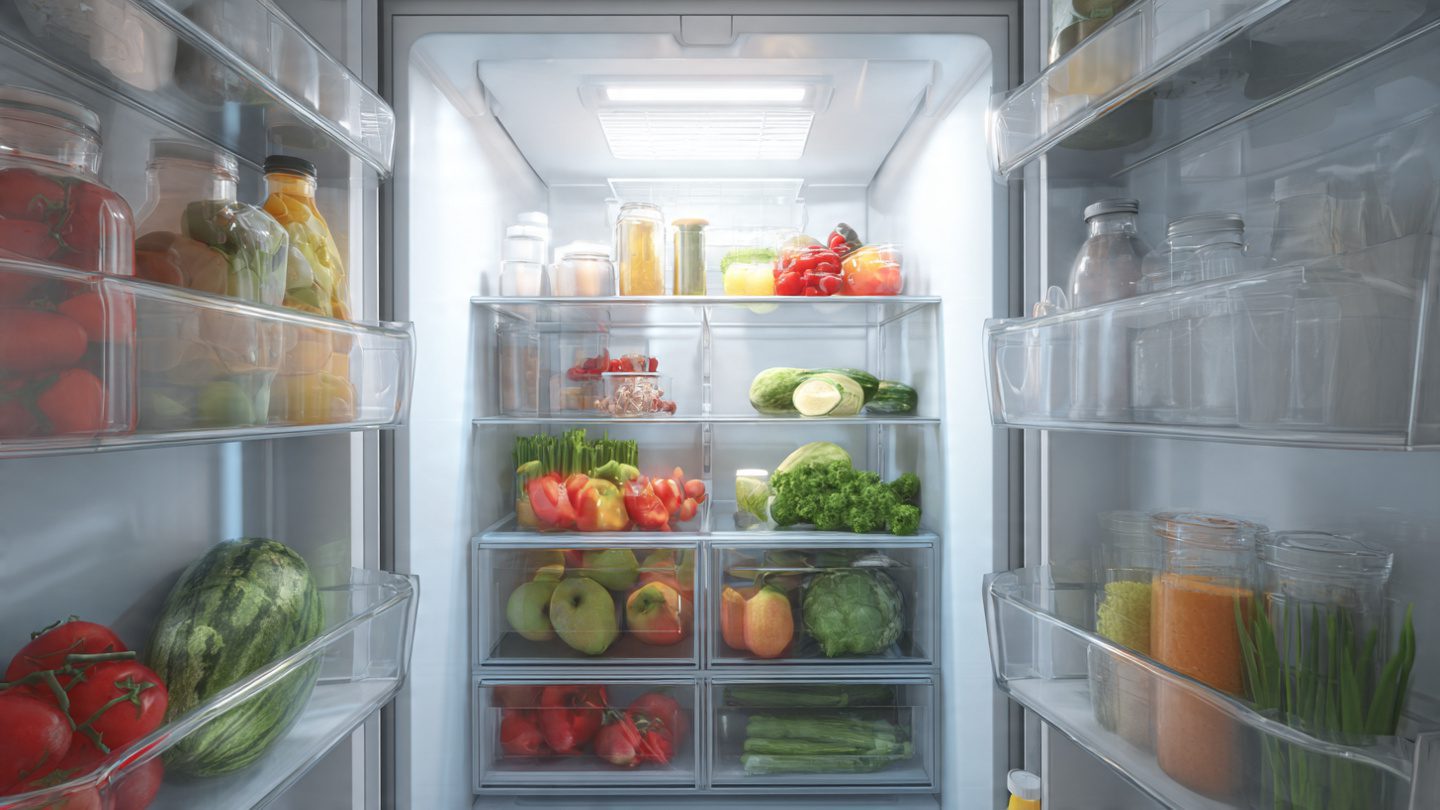
Wipe spills immediately to prevent stains and odors. Use airtight containers to store food and avoid leaks. Organize your fridge to ensure proper airflow and easy access.
Clean your refrigerator at least once a month. Deep cleaning can be done every few months. Consistency is key to maintaining hygiene and safety.
Simple habits can make a big difference. With regular care, your refrigerator will remain clean, fresh, and efficient.
Common Mistakes to Avoid When Cleaning Your Refrigerator
Many people make mistakes that reduce the effectiveness of cleaning. Using harsh chemicals can damage surfaces and leave harmful residues. Always choose safe and appropriate cleaning solutions.
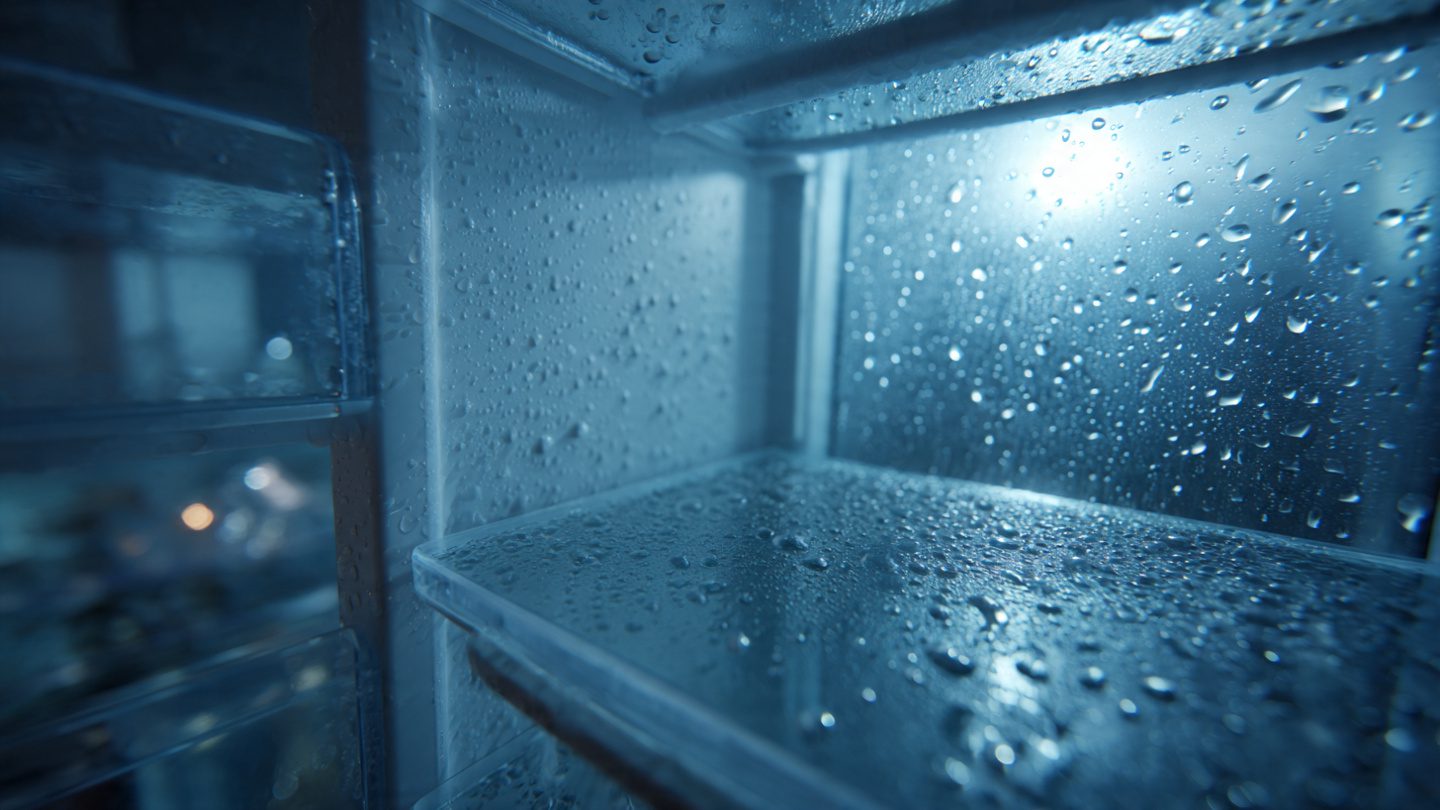
Skipping the drying step can lead to moisture buildup and mold growth. Always dry surfaces thoroughly after cleaning. Ignoring small areas like door seals can result in hidden dirt and bacteria.
Overloading the refrigerator can restrict airflow and make cleaning more difficult. Keeping it organized helps maintain cleanliness. Rushing the process often leads to incomplete cleaning.
Avoiding these mistakes ensures better results and protects your refrigerator.
How Often Should You Clean Your Refrigerator?
Cleaning frequency depends on usage. For most households, a monthly cleaning routine is sufficient. Regular maintenance prevents buildup and keeps your fridge in good condition.
Deep cleaning can be done every three to four months. This ensures that all areas are thoroughly cleaned. Homes with large families or frequent cooking may require more frequent cleaning.
Consistency is more important than intensity. Small, regular efforts are more effective than occasional deep cleaning. Keeping a schedule helps maintain hygiene and efficiency.
How to remove grease from kitchen cabinets
How to clean the joints between tiles
How to Remove Bathroom Mold Fast and Permanently
Summary
Learning how to clean your refrigerator properly is essential for maintaining a healthy and hygienic kitchen. With the right tools, techniques, and consistency, you can keep your fridge clean, fresh, and safe for food storage. Regular cleaning prevents bacteria, removes odors, and extends the lifespan of your appliance. Natural cleaning methods are effective and safe, making them ideal for everyday use.
FAQ
1. How often should I clean my refrigerator?
At least once a month, with deep cleaning every 3–4 months.
2. What is the best natural cleaner for refrigerators?
A mixture of vinegar and baking soda works very well.
3. How do I remove strong odors from my fridge?
Use baking soda or activated charcoal to absorb odors.
4. Can I use bleach inside my refrigerator?
Yes, but only in diluted form and rinse thoroughly.
5. Why does my fridge still smell after cleaning?
Hidden spills or contaminated seals may need extra attention.
CTA (Call-to-Action)
Take control of your kitchen today! Follow these expert steps and enjoy a cleaner, safer, and fresher refrigerator. Save this guide and make fridge cleaning effortless!






