
 Befrey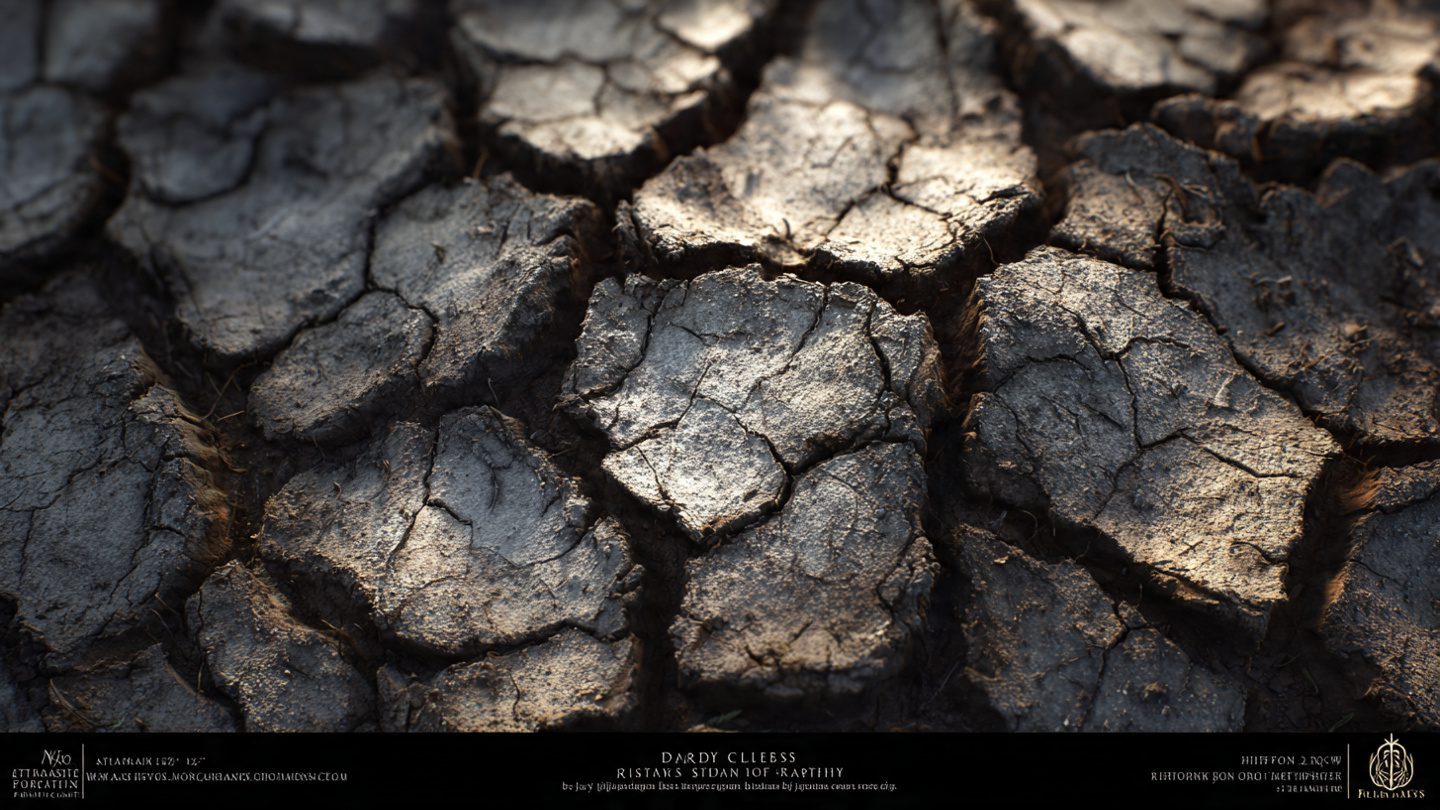
If you’re searching for how to fix clay soil for gardening, you’re already on the right path. Clay soil, heavy soil, compacted soil, or dense garden soil can feel impossible to work with, but it can be transformed. Understanding how to fix clay soil for gardening is essential if you want healthy roots, better drainage, and strong plant growth. The key is not to fight clay soil, but to improve its structure step by step using proven techniques that work with nature, not against it.
Why Clay Soil Is Challenging but Full of Potential
Clay soil has a bad reputation, but it is not useless. In fact, it contains more nutrients than sandy soil. The problem is not what it has, but how it behaves. Clay particles are extremely small. They pack tightly together, leaving little room for air and water movement.
This leads to poor drainage. Water sits on the surface or moves very slowly. Roots struggle to breathe because oxygen cannot reach them. When roots lack oxygen, they weaken and eventually die. This is why plants often fail in clay-heavy gardens.
Another issue is compaction. Clay becomes hard when dry and sticky when wet. This makes it difficult to dig, plant, or maintain. Many gardeners unknowingly make it worse by working the soil at the wrong time.
Despite these problems, clay soil has one major advantage. It holds nutrients extremely well. Once you fix the structure, it becomes one of the most fertile soil types available.
The goal is simple. You are not trying to replace clay soil. You are trying to transform it into a balanced growing medium.
Signs Your Garden Has Clay Soil Problems
Before fixing anything, you need to confirm the problem. Clay soil shows clear signs if you pay attention.
Water pooling is the most obvious indicator. After rain, puddles remain for hours or even days. This means drainage is poor and the soil is compacted.
Cracked ground is another sign. When clay dries, it shrinks and forms deep cracks. This can damage roots and disrupt plant growth.
Sticky texture is easy to notice. Wet clay sticks to tools and shoes. It becomes heavy and difficult to work with.
Plant performance is also affected. You may notice slow growth, yellowing leaves, or weak root systems. These are signs that plants are struggling to access oxygen and nutrients.
Hard soil in dry conditions is another major issue. If you cannot easily push a shovel into the ground, your soil is too compacted.
Recognizing these signs early allows you to take action before your garden suffers long-term damage.
Best way to break up clay soil in garden
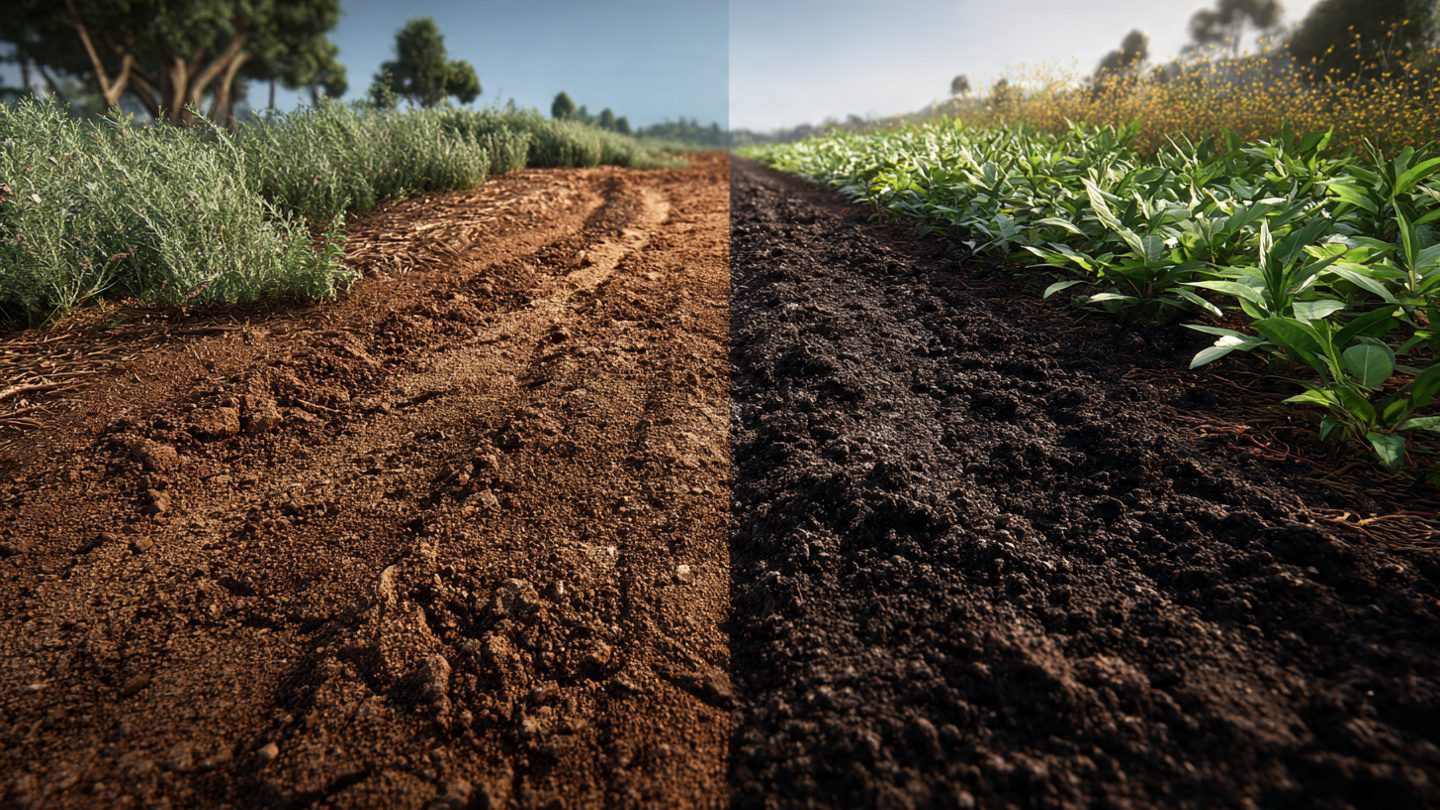
Breaking up clay soil is the first step toward improvement. However, doing it the wrong way can make things worse.
Mechanical tilling might seem like a quick solution, but it often leads to further compaction over time. When clay particles are disturbed too aggressively, they settle even tighter than before.
The best approach is gradual improvement. Start by adding organic matter. Compost, leaf mold, and aged manure help separate clay particles. This creates space for air and water.
Double digging can be effective in small areas. It involves loosening soil deeply without destroying its structure. This method improves root penetration and drainage.
Another powerful technique is using cover crops. Plants like clover or alfalfa send roots deep into the soil. These roots naturally break up compacted layers.
Avoid working the soil when it is wet. This is critical. Wet clay compacts easily, undoing your efforts.
Consistency matters. You will not fix clay soil in one day. But with repeated improvements, the structure changes permanently.
How to improve drainage in clay soil
Drainage is one of the biggest challenges with clay soil. Without proper drainage, roots suffocate and diseases thrive.
Start by improving soil structure. Organic matter is again the key. It creates channels that allow water to move more freely.
Raised beds are an excellent solution. They elevate plants above poorly draining soil, giving roots better conditions while you improve the ground below.
Installing drainage channels or French drains can help in extreme cases. These systems redirect excess water away from your garden.
Adding coarse materials like sand is often suggested, but it must be done carefully. Mixing small amounts of sand with clay can create a concrete-like texture. Always combine sand with large amounts of organic matter.
Slope management is also important. Slight grading can prevent water from pooling in one area.
Healthy drainage transforms clay soil from a problem into a productive growing environment.
Organic matter for clay soil improvement
Organic matter is the single most important ingredient for improving clay soil. It changes everything.
When added regularly, organic material binds with clay particles. This creates aggregates, which improve structure and porosity.
Compost is the most effective option. It adds nutrients and supports microbial life. Over time, it turns dense clay into rich, workable soil.
Leaf mold is another powerful amendment. It improves water retention while enhancing soil texture.
Aged manure provides nutrients and boosts biological activity. It should always be well-composted to avoid burning plants.
Mulching plays a major role as well. Organic mulch protects the soil surface and gradually breaks down, adding more organic matter.
The key is consistency. Adding organic matter once is not enough. Regular applications create lasting change.
How to loosen compacted clay soil fast
Sometimes you need faster results, especially if you want to plant immediately. While long-term improvement is ideal, there are ways to loosen clay soil more quickly.
Aeration is one of the fastest methods. Using a garden fork to create holes allows air and water to penetrate deeper layers.
Gypsum can help in certain situations. It works best in soils with high sodium content. However, it is not a universal solution.
Adding coarse compost and mixing it into the top layer provides immediate improvement. This creates a more workable surface for planting.
Using raised beds or containers allows you to bypass poor soil conditions temporarily while working on long-term solutions.
Avoid heavy foot traffic. Walking on clay soil compresses it further, undoing your efforts.
Fast solutions are helpful, but they should always be combined with long-term strategies.
Plants that grow well in clay soil conditions
Not all plants struggle in clay soil. Some actually thrive in these conditions.
Deep-rooted plants are ideal. They help break up soil while accessing nutrients stored in clay.
Perennials like daylilies and hostas perform well. They tolerate moisture and adapt to dense soil.
Vegetables like cabbage and broccoli can also grow successfully if the soil is improved slightly.
Trees such as willows and maples are naturally suited to clay environments. Their roots adapt to limited drainage.
Choosing the right plants reduces frustration and increases success. While you improve your soil, you can still enjoy a productive garden.
Over time, as conditions improve, your plant options will expand significantly.
Long-term solutions for clay soil gardening
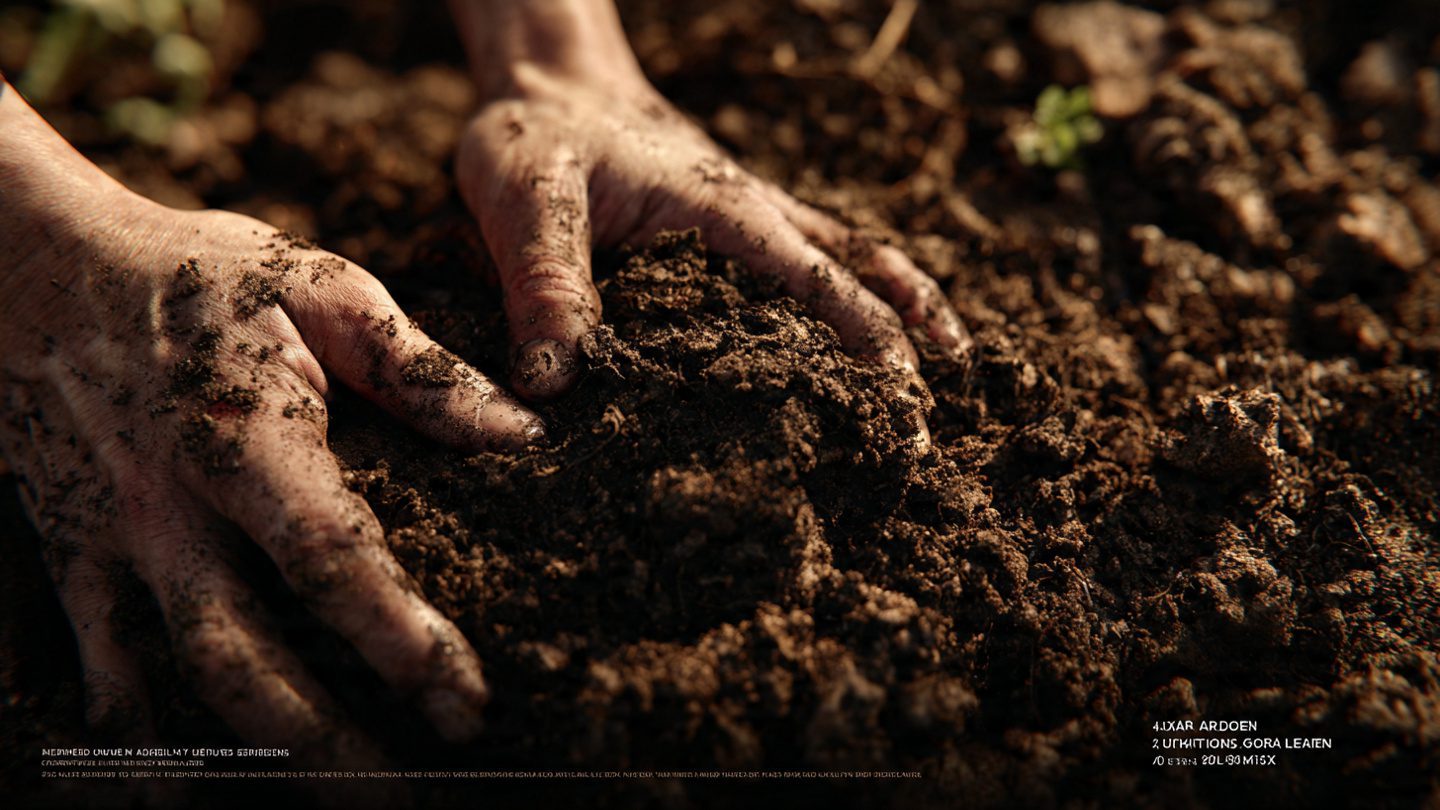
Fixing clay soil is not a one-time task. It requires a long-term approach.
Regular compost additions are essential. This maintains soil structure and fertility.
Crop rotation prevents nutrient depletion and supports balanced growth.
Minimal tilling preserves soil structure and protects microorganisms.
Cover crops should be used during off-seasons. They protect and improve the soil naturally.
Avoid chemical overuse. Synthetic inputs can harm soil biology, slowing long-term improvement.
Healthy soil is a living system. The more you support it, the better it performs year after year.
The Hidden Power of Soil Biology
Soil is alive. This is one of the most important concepts in gardening.
Microorganisms break down organic matter into usable nutrients. Without them, plants cannot thrive.
Fungi form networks that connect plant roots. These networks improve nutrient exchange and water absorption.
Earthworms create tunnels that enhance aeration and drainage. Their presence is a sign of healthy soil.
Encouraging soil life requires organic practices. Avoid harsh chemicals and feed the soil regularly.
Once your soil becomes biologically active, improvements accelerate. Plants grow stronger and require less intervention.
How to Fix Brown Tips on Leaves and Not Harm the Plant: Complete Recovery and Prevention Guide
How to Save an Overwatered Plant or Too Much Water in a Pot: Complete Rescue and Recovery Guide
How to Save an Underwatered Plant (Complete Step-by-Step Recovery Guide)
Summary
Clay soil may seem like a challenge, but it is full of potential. By focusing on structure, drainage, and organic matter, you can transform it into one of the most fertile soil types. The process takes time, but the results are permanent. With the right approach, your garden can thrive even in the heaviest clay conditions.
FAQ
1. Can clay soil be permanently improved?
Yes, with consistent addition of organic matter and proper management, clay soil can be transformed long-term.
2. Is sand good for clay soil?
Only in large amounts combined with organic matter. Alone, it can make soil worse.
3. How long does it take to fix clay soil?
You can see improvements in months, but full transformation may take 1–2 years.
4. Should I till clay soil?
Minimal tilling is best. Over-tilling can damage soil structure.
5. What is the best amendment for clay soil?
Compost is the most effective and sustainable option.
CTA (Call-to-Action)
Start improving your clay soil today. Add compost, protect your soil, and stay consistent. The sooner you begin, the faster you will see real results in your garden.






