
 Befrey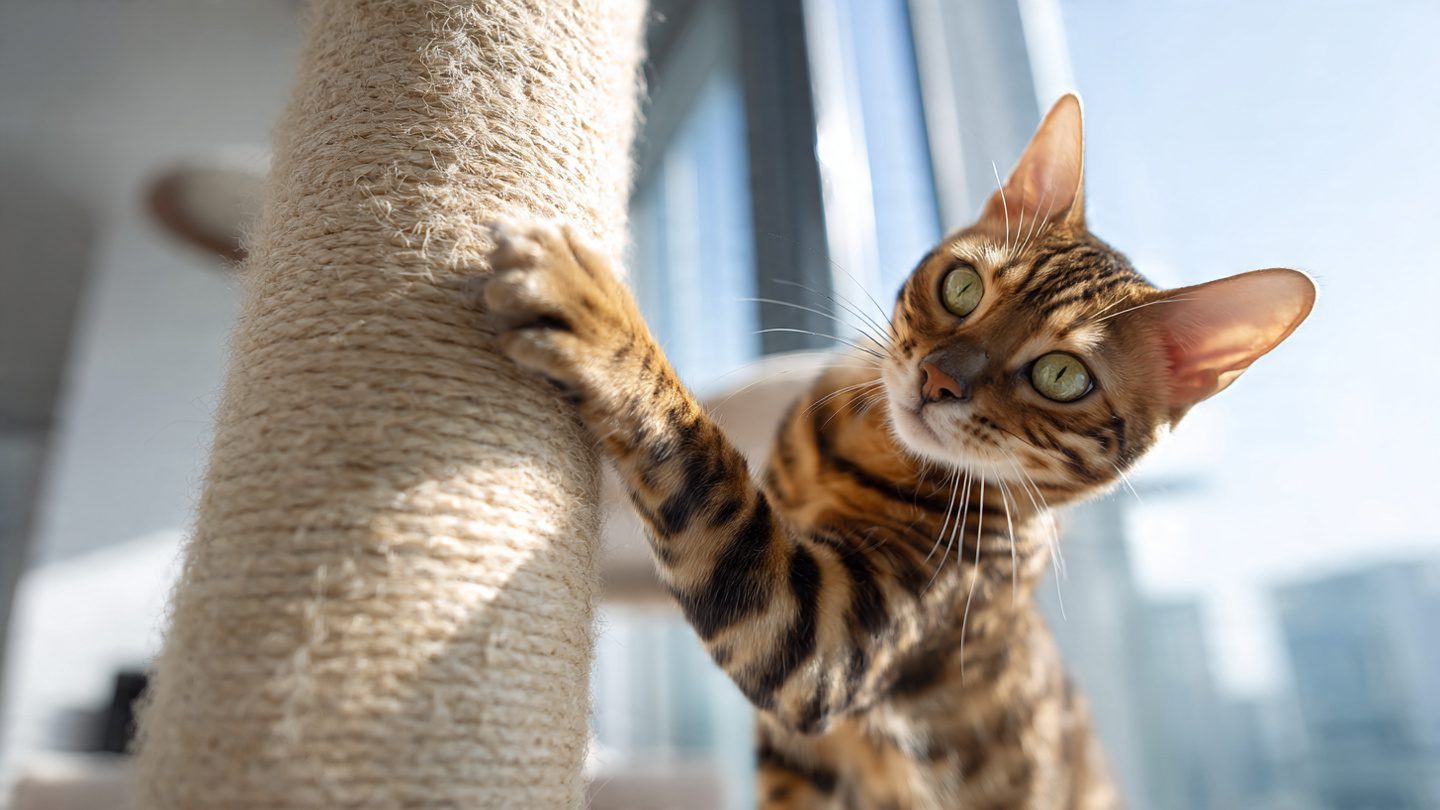
If you have ever asked yourself, What breed is a Bengal Cat, you are not alone. Many people are fascinated by this rare-looking feline that resembles a miniature leopard but lives comfortably in modern homes. The question what breed is a Bengal Cat often appears in search engines because people want to understand whether it is a wild animal, a hybrid, or a fully domesticated cat. In simple terms, the Bengal is a domestic cat breed developed by crossing an Asian leopard cat with a domestic cat. Yet the deeper answer to What breed is a Bengal Cat involves history, genetics, temperament, and specialized care. This article will guide both beginners and professionals through everything they need to know, from origins and personality to nutrition, grooming, and long-term health.
Bengal Cat Origins
The Bengal cat is officially recognized as a domestic breed. However, its story begins with a wild ancestor known as the Asian leopard cat. In the 1960s and 1970s, breeders began crossing this small wild cat with domestic shorthair cats. The goal was not to create a wild pet but to produce a domestic cat with a striking spotted coat. Over generations, careful breeding reduced wild traits while maintaining the dramatic appearance.
The result is the Bengal cat we know today. It is classified as a hybrid breed in its early generations, but modern Bengals are fully domestic in behavior. Major cat associations recognize the Bengal as a distinct breed with specific standards. These standards include coat pattern, muscular body structure, and confident temperament. So when people ask, What breed is a Bengal Cat, the correct answer is that it is a recognized domestic breed with wild ancestry.
Understanding this origin is essential. It explains the Bengal’s high energy, intelligence, and love of climbing. It also clarifies why responsible breeding practices are critical. Ethical breeders focus on temperament and health rather than simply producing dramatic coat patterns.
Bengal Cat Appearance
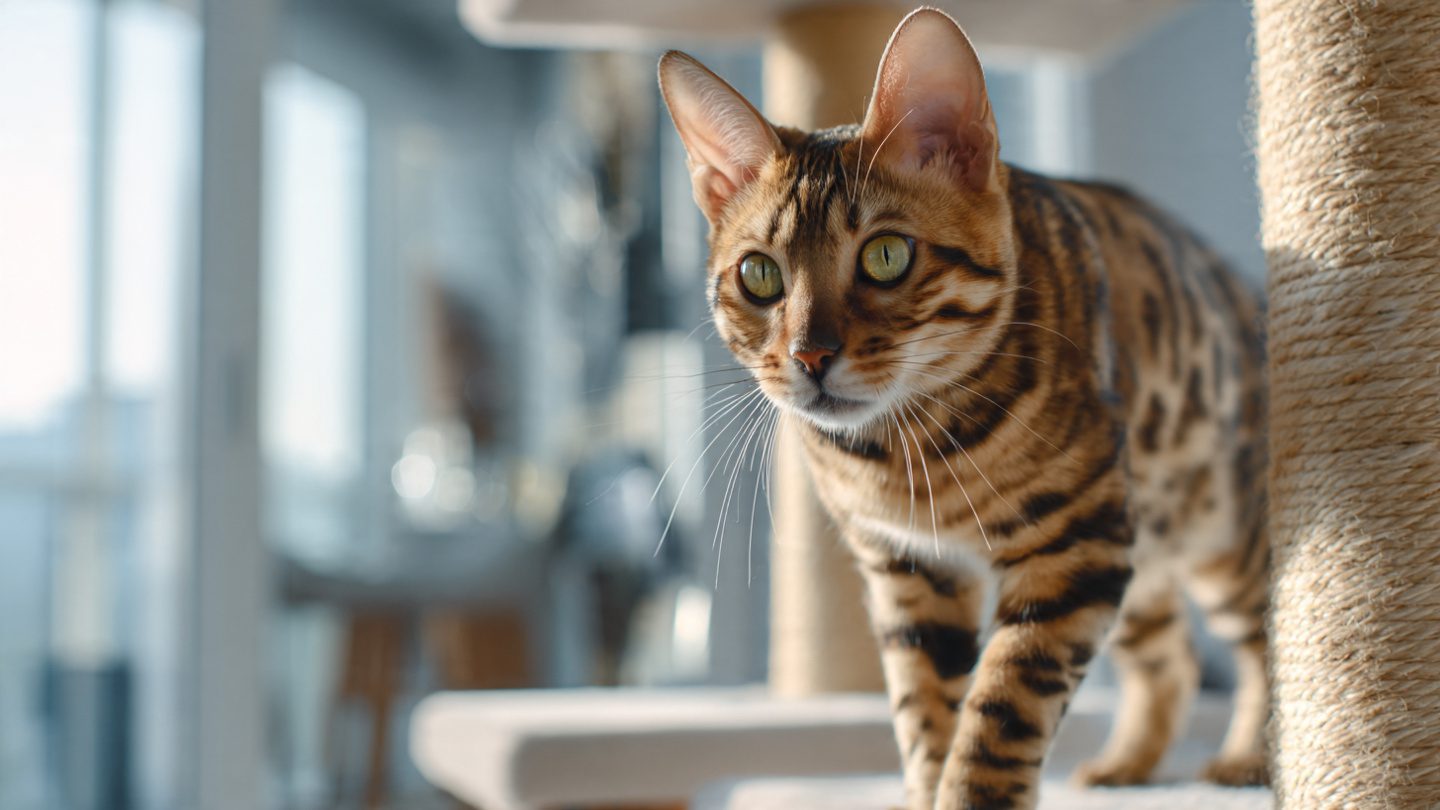
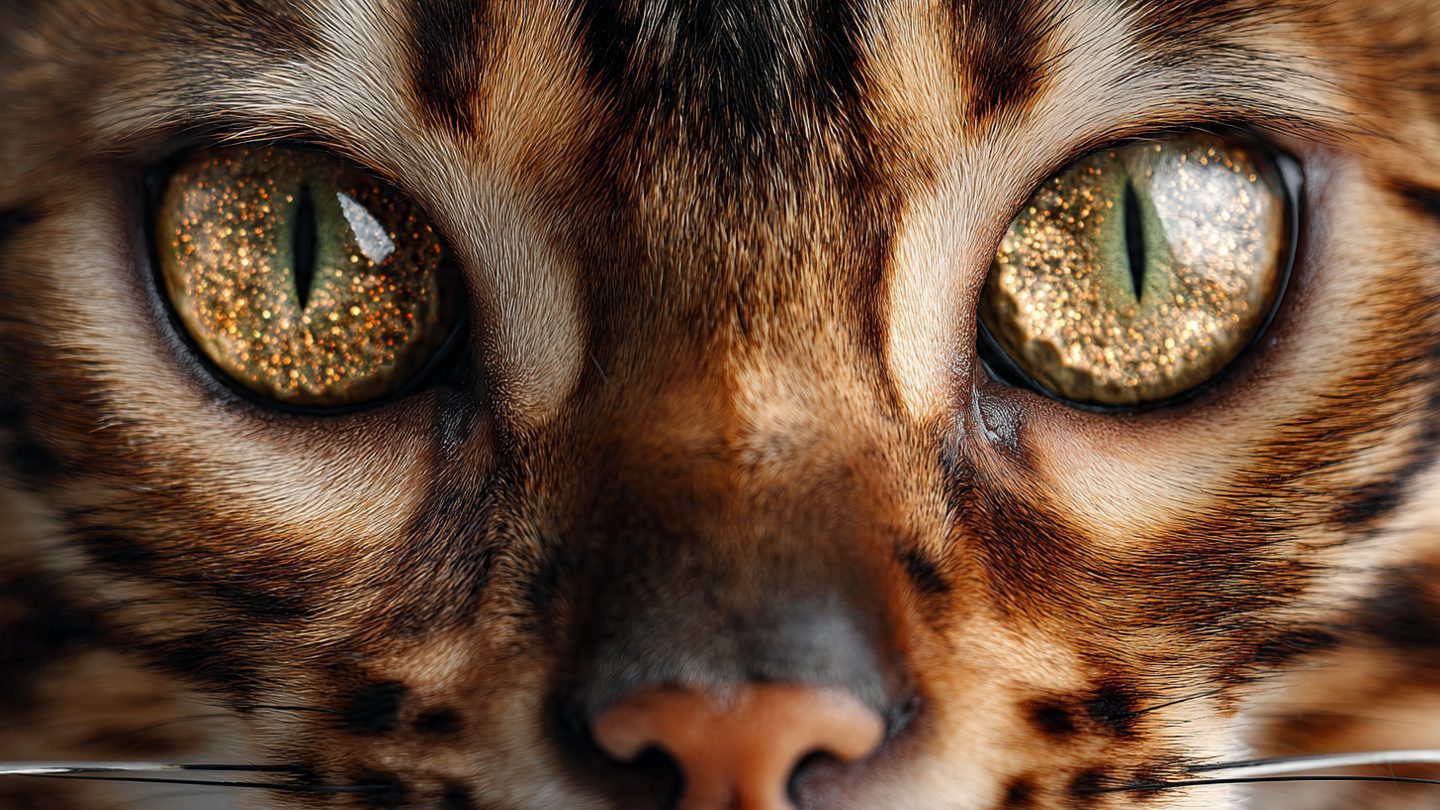
The Bengal cat is known for its rare beauty. Its coat features large spots, rosettes, or marbled patterns that resemble those of a leopard. The fur is short, dense, and incredibly soft. Many owners describe it as silky or plush. Bengals often have a shimmering effect known as “glitter,” which makes their coat appear golden in sunlight.
Their bodies are muscular and athletic. They have long legs, a thick tail, and a strong jawline. The head is slightly longer than it is wide. Their eyes are large and expressive, often green or gold. The ears are medium-sized and slightly rounded at the tips. This physical combination creates a powerful yet elegant look.
Unlike some other domestic breeds, the Bengal has a very active and alert expression. It always looks curious and ready to explore. That intense gaze is part of its charm. The appearance alone answers part of the question, What breed is a Bengal Cat, because no other domestic cat looks quite the same.
Bengal Cat Temperament
Bengals are intelligent and energetic. They are not lazy lap cats. They require stimulation and interaction. Many owners compare their personality to that of a dog rather than a typical cat. Bengals often follow their owners from room to room. They enjoy learning tricks and can even be trained to walk on a leash.
They are also very vocal. Their voices are expressive and varied. They communicate their needs clearly. This makes them engaging companions but sometimes challenging for first-time cat owners. Without proper mental stimulation, they can become bored and destructive.
Socialization is crucial. When raised in a loving environment, Bengals are affectionate and loyal. They bond strongly with their families. However, they may not tolerate rough handling from small children. Professionals appreciate their intelligence, while beginners must be prepared for an active lifestyle. If you are asking What breed is a Bengal Cat, you must also understand its temperament before deciding to adopt one.

Bengal Cat Care Basics
Caring for a Bengal requires commitment. These cats need more than food and water. They need space to climb and play. A multi-level cat tree is almost essential. Interactive toys are highly recommended. Puzzle feeders can provide mental stimulation.
Daily play sessions help burn energy. Bengals love climbing high places. They enjoy jumping onto shelves or cabinets. Providing safe vertical spaces prevents damage to furniture. Regular interaction keeps them emotionally balanced.
Grooming is relatively easy. Their short coat requires minimal brushing. A weekly brushing session is usually enough. However, nail trimming and dental care should not be neglected. Bengals are generally clean cats. They groom themselves well. Still, routine care ensures long-term health.
Bengal Cat Nutrition
A high-protein diet is essential. Bengals are active and muscular. They need quality animal-based protein to maintain muscle mass. Look for cat food where meat is the first ingredient. Avoid excessive fillers and artificial additives.
Some owners choose raw diets. Others prefer high-quality commercial dry or wet food. The key is balance. Fresh water must always be available. Bengals are known for their love of water. Some even play in it.
Portion control matters. Despite their activity, overfeeding can lead to obesity. A veterinarian can help create a feeding plan tailored to age and activity level. Proper nutrition supports coat shine, muscle tone, and immune health. When researching What breed is a Bengal Cat, many discover that its nutritional needs differ slightly from more sedentary breeds.
Bengal Cat Health
Bengals are generally healthy. However, they can be prone to certain genetic conditions. Responsible breeders screen for heart disease such as hypertrophic cardiomyopathy. Regular veterinary checkups are essential.
Vaccinations and parasite prevention should follow standard feline guidelines. Dental care prevents long-term complications. Because Bengals are so active, they may experience minor injuries from climbing or jumping. Monitoring their environment helps reduce risk.
Early detection of health issues improves outcomes. Annual or biannual exams are recommended. With proper care, Bengals often live 12 to 16 years or longer. Health maintenance is a crucial part of understanding What breed is a Bengal Cat and how to ensure its long life.
Bengal Cat Training
Training a Bengal can be rewarding. They respond well to positive reinforcement. Clicker training works effectively. Teaching basic commands like “sit” or “come” is possible. This mental stimulation satisfies their curiosity.
Litter box training is usually easy. Bengals are intelligent and learn quickly. However, consistency is key. Avoid punishment-based methods. They can damage trust and create stress.
Interactive games like fetch are common. Many Bengals enjoy retrieving toys. Leash training can also be successful. This gives them safe outdoor experiences. Structured training sessions strengthen the bond between owner and cat.
Bengal Cat Environment
Bengals thrive in enriched environments. They need vertical space, scratching posts, and toys. Without stimulation, they may chew wires or scratch furniture. Providing safe alternatives prevents behavioral problems.
They often coexist well with other pets if introduced properly. Early socialization helps. However, their high energy may overwhelm more passive animals. Monitoring introductions is important.
Secure windows and balconies. Bengals are curious explorers. Some may attempt to escape if given the opportunity. A safe home environment ensures both physical safety and mental satisfaction.
Balinese (Balinese Cat): Complete Guide for Beginners and Experts
Anatolian Shepherd Dog: The Ultimate Guide for Beginners and Professionals
American Wirehair — The Beloved Cat Breed
Summary
The answer to What breed is a Bengal Cat is both simple and fascinating. It is a domestic cat breed developed from crosses between the Asian leopard cat and domestic cats. Yet its wild appearance, intelligence, and energy make it unique among house cats. Bengals require active engagement, high-protein nutrition, proper training, and enriched environments. With the right care, they become loyal, affectionate companions. Understanding their origins and needs ensures a harmonious relationship that can last over a decade.
FAQ
What breed is a Bengal Cat exactly?
It is a recognized domestic breed with wild ancestry from the Asian leopard cat.
Are Bengal cats good for beginners?
They can be, but only if the owner is prepared for high energy and active engagement.
Do Bengals need special food?
They need high-protein, meat-based nutrition to support their muscular build.
Are Bengal cats aggressive?
No. When properly socialized, they are affectionate and loyal.
How long do Bengal cats live?
Typically 12 to 16 years with proper care.
Call to Action
Are you considering adding a Bengal to your family? Research responsible breeders, prepare your home, and consult with a veterinarian. Share this guide with fellow cat enthusiasts who are asking, What breed is a Bengal Cat, and help them make informed decisions.






