
 Befrey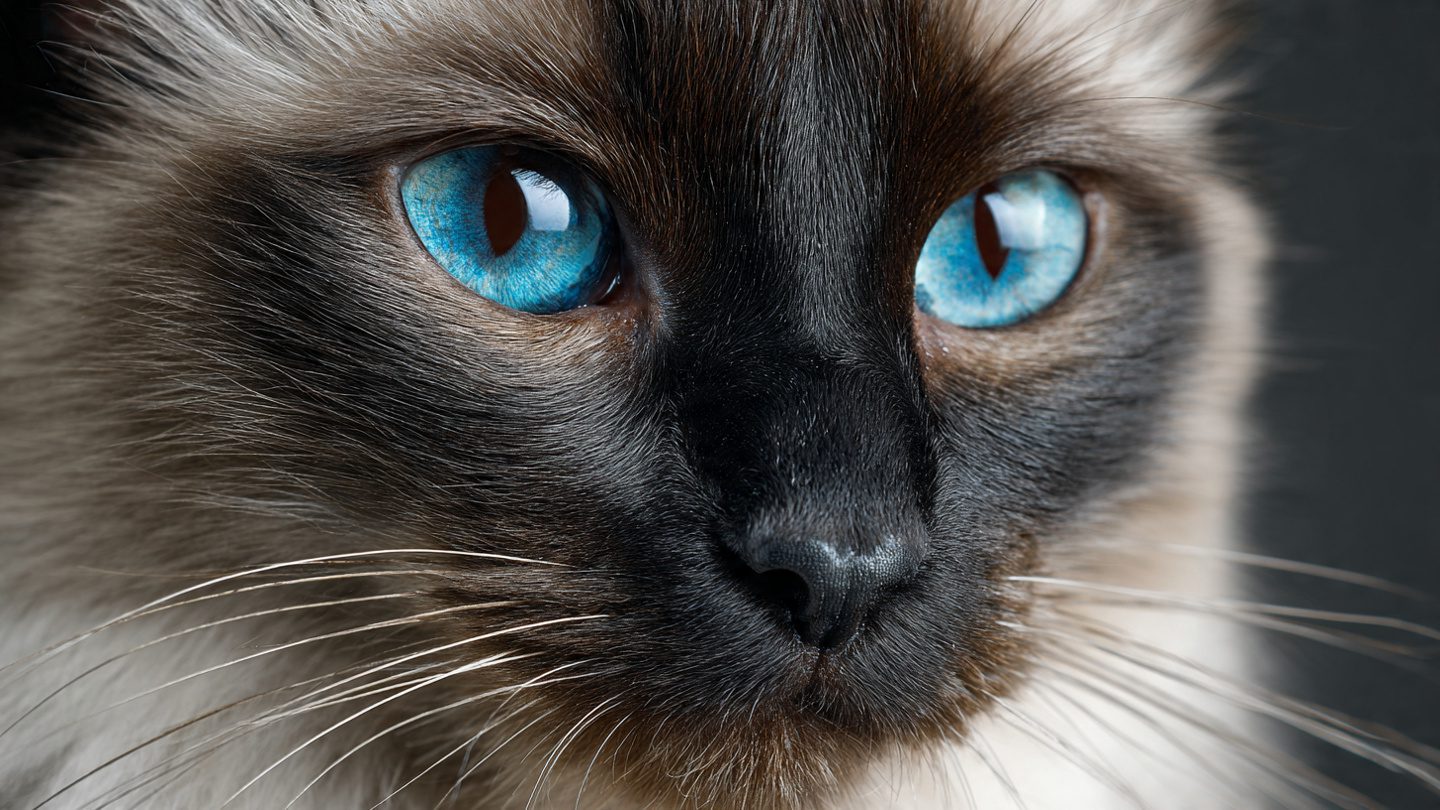
The Balinese (Balinese cat) is one of the most elegant, intelligent, and affectionate cat breeds in the world. Often described as the long-haired version of the Siamese, the Balinese (Balinese cat) combines beauty, athleticism, and deep emotional connection with humans. If you are searching for a breed that is both visually stunning and mentally engaging, the Balinese (Balinese cat) is an exceptional choice.
In this article, you will discover everything about the Balinese (Balinese cat)—from its origins and personality to health, care, nutrition, training, and suitability for different lifestyles. Whether you are a beginner or a professional breeder, this guide will give you a deep understanding of this extraordinary breed.
Origins and History
The history of the Balinese cat is closely connected to the Siamese breed. Despite its name, the Balinese cat does not originate from Bali or Indonesia. Instead, it emerged in the United States during the 20th century when long-haired kittens appeared in Siamese litters due to natural genetic mutations.
Breeders recognized the beauty of these long-haired Siamese cats and began selectively breeding them. The name “Balinese” was chosen because the cats’ graceful movements reminded breeders of traditional Balinese dancers.
Over time, the Balinese cat gained recognition from major cat associations. Today, it is admired worldwide for its elegance, intelligence, and affectionate nature.
Physical Characteristics
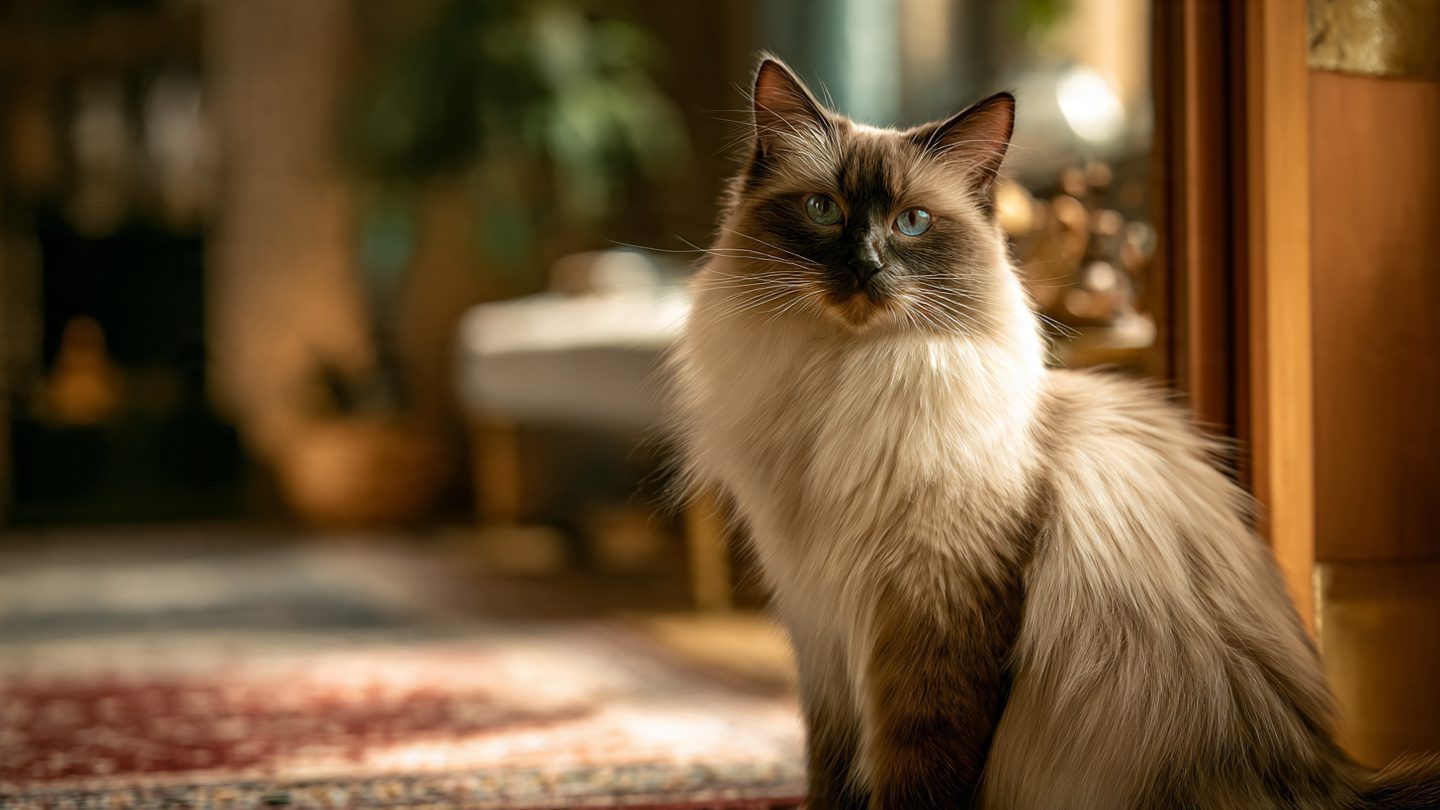
The Balinese cat has a slender, athletic body similar to the Siamese. Its long, silky coat sets it apart and gives it a luxurious appearance without excessive undercoat.
Body Structure
The Balinese cat has a long, lean body with fine bones and strong muscles. Its posture is elegant, and its movements are fluid and graceful. The legs are long and slim, with small oval paws.
Head and Facial Features
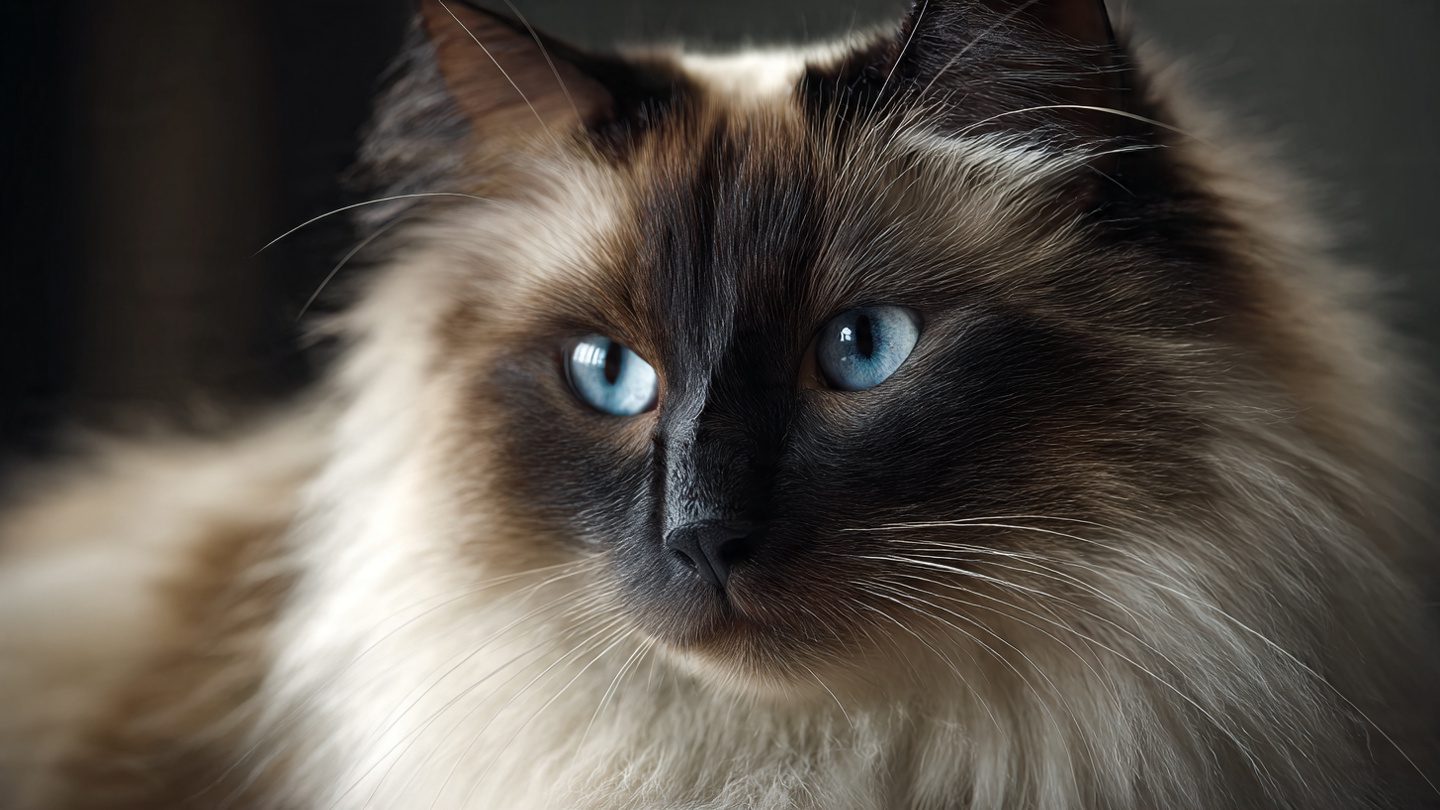
The head of the Balinese cat is wedge-shaped with a long straight nose. The ears are large, pointed, and positioned high on the head. The eyes are almond-shaped and always deep blue, which is one of the most striking features of the breed.
Coat and Colors
The coat of the Balinese cat is medium to long, silky, and smooth. Unlike many long-haired breeds, it does not have a dense undercoat, which reduces shedding and matting.
Common color patterns include:
-
Seal point
-
Blue point
-
Chocolate point
-
Lilac point
-
Red point
-
Cream point
The contrast between the lighter body and darker points on the face, ears, paws, and tail creates a dramatic and elegant look.
Personality and Temperament
The Balinese cat is famous for its affectionate and social personality. It is highly intelligent, curious, and emotionally connected to its owner.
Social Nature
The Balinese cat thrives on human interaction. It enjoys being near people and often follows its owner around the house. Unlike more independent breeds, the Balinese cat prefers constant companionship.
Intelligence and Communication
The Balinese cat is extremely intelligent and communicative. It can learn tricks, open doors, and solve puzzles. This breed is also known for its vocal nature, although its voice is often softer than that of the Siamese.
Emotional Sensitivity
The Balinese cat is emotionally sensitive and reacts strongly to changes in its environment. It forms deep bonds with family members and may become stressed if left alone for long periods.
Balinese Cat and Family Life
The Balinese cat is an excellent family pet. Its friendly nature makes it suitable for households with children and other pets.
With Children
The Balinese cat is gentle and playful, making it a great companion for children. It enjoys interactive games and can adapt well to family routines.
With Other Pets
The Balinese cat usually gets along well with dogs and other cats, especially if introduced properly. Its social nature helps it integrate into multi-pet households.
Indoor vs Outdoor Life
The Balinese cat is best suited for indoor living. Its elegant coat and trusting nature make it vulnerable to outdoor dangers. However, it still needs mental and physical stimulation indoors.
Health and Lifespan
The Balinese cat is generally a healthy breed with a lifespan of 12 to 20 years. However, like all breeds, it may be prone to certain genetic conditions.
Common Health Issues
Some health conditions that may affect the Balinese cat include:
-
Progressive retinal atrophy
-
Heart diseases such as hypertrophic cardiomyopathy
-
Dental issues
-
Respiratory problems
-
Amyloidosis (rare but possible)
Regular veterinary check-ups are essential to ensure long-term health.
Preventive Care
Preventive care includes vaccinations, parasite control, dental hygiene, and a balanced diet. Early detection of health issues significantly improves treatment outcomes.

Grooming and Care
Despite its long coat, the Balinese cat is relatively easy to groom.
Coat Care
Brushing the Balinese cat once or twice a week is usually sufficient. The lack of dense undercoat means less tangling and shedding compared to other long-haired breeds.
Hygiene
Regular ear cleaning, nail trimming, and dental care are important. The Balinese cat is sensitive to hygiene and benefits from a clean environment.
Mental Stimulation
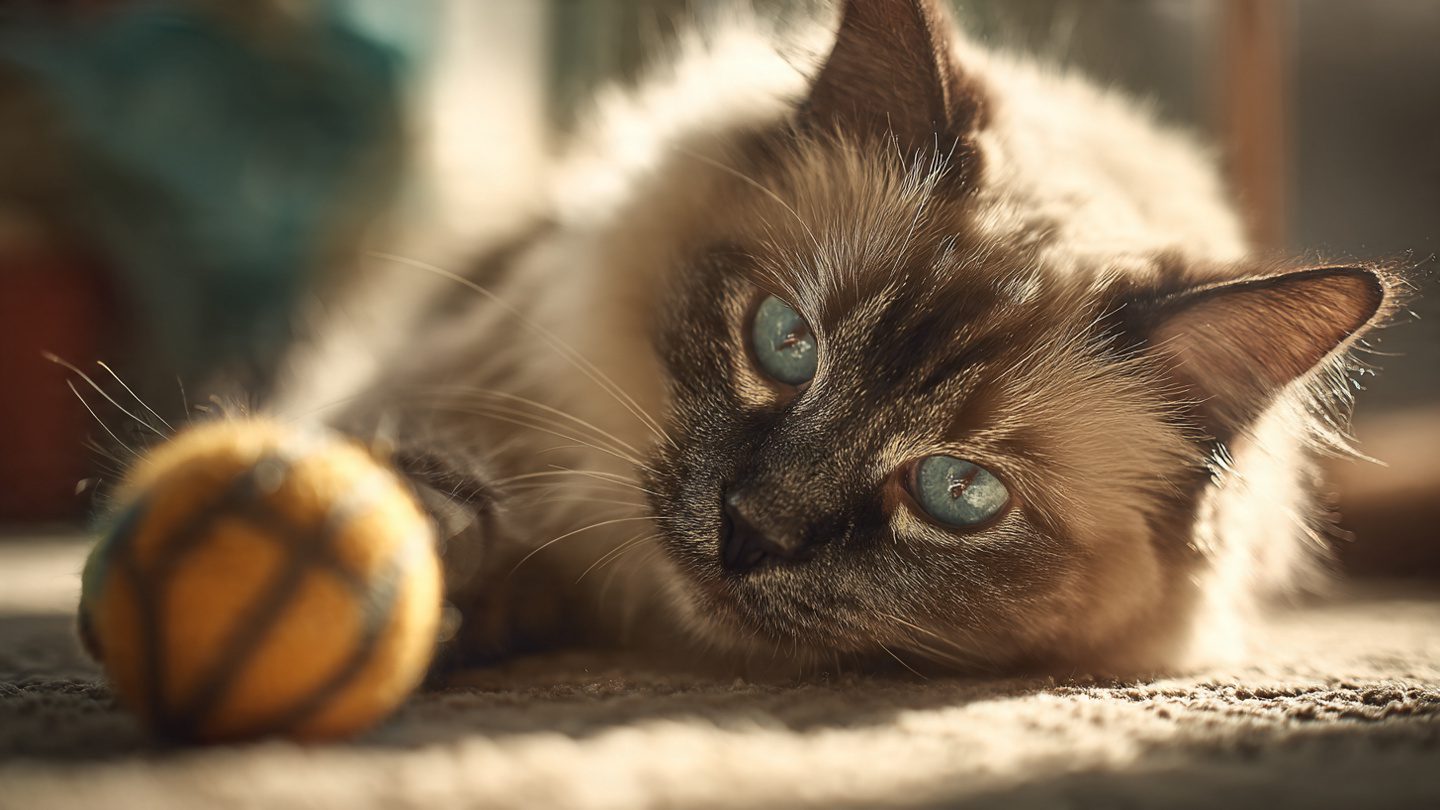
The Balinese cat requires mental stimulation due to its high intelligence. Interactive toys, puzzle feeders, and training sessions help prevent boredom.
Nutrition and Diet
Proper nutrition plays a crucial role in maintaining the health of the Balinese cat.
Balanced Diet
The Balinese cat needs a diet rich in high-quality protein. Animal-based proteins are essential for muscle maintenance and energy.
Feeding Schedule
A consistent feeding schedule helps maintain optimal weight. Overfeeding should be avoided, as the Balinese cat can be prone to obesity if inactive.
Special Dietary Needs
Some Balinese cats may have sensitive digestion. In such cases, specialized diets or grain-free formulas may be beneficial.
Training and Behavior
The Balinese cat is one of the most trainable cat breeds.
Basic Training
The Balinese cat can learn commands, use scratching posts, and even walk on a leash. Positive reinforcement is the most effective training method.
Problem Behaviors
If bored or lonely, the Balinese cat may develop destructive behaviors or excessive vocalization. Providing enrichment and companionship is essential.
Balinese Cat vs Siamese Cat
Many people confuse the Balinese cat with the Siamese cat due to their similar appearance.
Key Differences
The main difference is coat length. The Balinese cat has a long, silky coat, while the Siamese has a short coat. Personality traits are similar, but the Balinese cat is often considered slightly calmer.
Similarities
Both breeds share intelligence, vocalization, social nature, and striking blue eyes. They are ideal for owners who enjoy interactive pets.
Breeding and Genetics
Breeding the Balinese cat requires knowledge of genetics and ethical breeding practices.
Responsible Breeding
Responsible breeders prioritize health, temperament, and genetic diversity. They conduct health screenings and provide proper socialization.
Adoption vs Buying
Adopting a Balinese cat from a shelter is a noble option. Buying from reputable breeders ensures pedigree and health guarantees.
Advantages of Owning a Balinese Cat
The Balinese cat offers many advantages for cat lovers.
Emotional Connection
The Balinese cat forms deep emotional bonds with its owner, making it an ideal companion.
Intelligence and Playfulness
Its intelligence and playful nature make everyday life with a Balinese cat exciting and engaging.
Elegant Appearance
The beauty of the Balinese cat makes it one of the most visually appealing breeds.
Challenges of Owning a Balinese Cat
Despite its many benefits, the Balinese cat also has some challenges.
Need for Attention
The Balinese cat requires significant attention and may not suit owners who are often away.
Vocal Nature
Some owners may find the vocalization of the Balinese cat excessive.
Sensitivity
The Balinese cat is sensitive to environmental changes and emotional stress.
Anatolian Shepherd Dog: The Ultimate Guide for Beginners and Professionals
Summary
The Balinese (Balinese cat) is a unique breed that combines elegance, intelligence, and emotional depth. It is ideal for owners who want an interactive, affectionate, and visually stunning companion. With proper care, nutrition, and attention, the Balinese cat can live a long, healthy, and happy life. Whether you are a beginner or an experienced cat enthusiast, the Balinese (Balinese cat) offers an extraordinary experience that few other breeds can match.
FAQ
Is the Balinese cat suitable for beginners?
Yes, the Balinese cat is suitable for beginners who are willing to provide attention and proper care.
Does the Balinese cat shed a lot?
No, the Balinese cat sheds less than many other long-haired breeds due to the absence of a dense undercoat.
Is the Balinese cat hypoallergenic?
While not completely hypoallergenic, the Balinese cat produces fewer allergens than many other breeds.
How active is the Balinese cat?
The Balinese cat is highly active and playful, requiring daily mental and physical stimulation.
What is the lifespan of a Balinese cat?
The Balinese cat typically lives between 12 and 20 years.
If you are looking for a cat that is intelligent, affectionate, and elegant, the Balinese (Balinese cat) is the perfect choice. Share this guide with other cat lovers, explore more breed information, and consider welcoming a Balinese cat into your home.






