Befrey
The Lost manuscripts of black magic have fascinated historians, occult scholars, and curious readers for centuries. These mysterious texts are believed to contain forbidden knowledge, dangerous rituals, and philosophies that deeply affected those who studied them. The Lost manuscripts of black magic, along with ancient grimoires and esoteric writings, are often described as books that altered human perception, morality, and even sanity. For beginners, these manuscripts represent dark legends. For professionals, they are complex cultural artifacts that reveal how humanity has always searched for power beyond the visible world.
Throughout history, many of these writings disappeared, were destroyed, or deliberately hidden. Some were banned by religious institutions, while others were lost in wars or secret archives. Despite this, the influence of the Lost manuscripts of black magic continues to shape modern occultism, psychology, and literature.
Origins of Dark Knowledge
The earliest roots of black magic manuscripts can be traced back to ancient civilizations. These cultures believed that knowledge itself was power and that written symbols could influence reality.
Ancient Egypt, Mesopotamia, and Greece all produced texts that explored communication with spirits, manipulation of fate, and control over natural forces. These writings were often restricted to priests or elite scholars. Ordinary people were forbidden from accessing them, which increased their mystique. Over time, fragments of these teachings merged into what we now associate with black magic manuscripts.

Many historians believe that some Lost manuscripts of black magic were intentionally destroyed to prevent misuse. Others argue that they were hidden to protect humanity from knowledge it was not ready to understand. Both theories reveal how dangerous and influential these texts were considered.
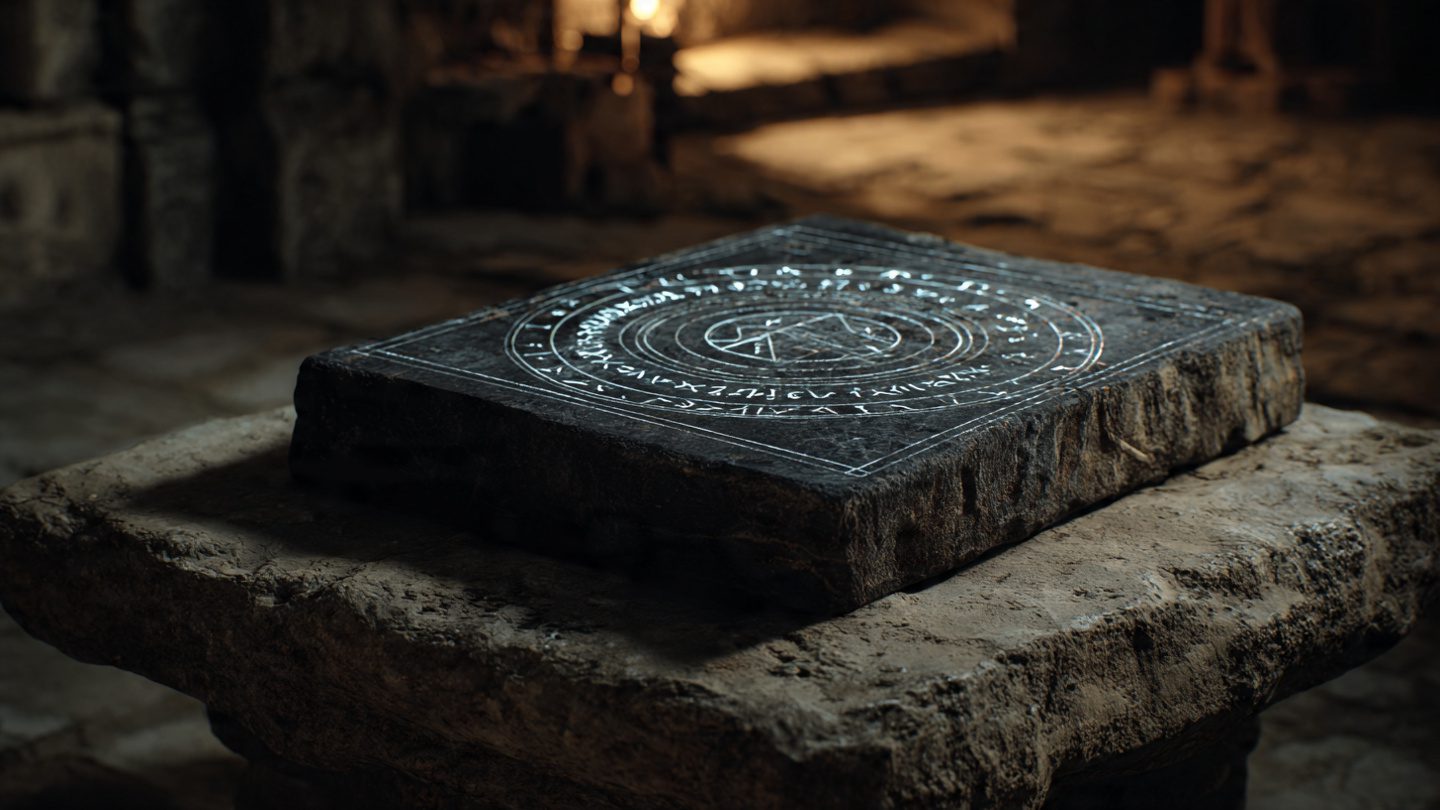
Forbidden Grimoires Explained
Grimoires are instruction manuals for magical practices. Unlike myths or folklore, they were written as practical guides.
These books often included rituals, sigils, invocations, and instructions for summoning or controlling supernatural entities. Famous grimoires like The Lesser Key of Solomon hint at even older, now-lost sources. Scholars believe these sources were among the Lost manuscripts of black magic that shaped later occult traditions.
What made grimoires so feared was their promise of personal transformation. Readers were warned that improper use could lead to madness, obsession, or spiritual corruption. This idea that knowledge changes the reader is central to the legend of lost black magic texts.
Manuscripts That Changed Minds
Many historical accounts describe readers who were never the same after studying these manuscripts. Some became obsessed scholars, others withdrawn mystics.
Psychologically, these texts forced readers to confront forbidden ideas about power, morality, and identity. They challenged religious doctrines and social norms. For professionals, this demonstrates how belief systems can reshape human behavior. For beginners, it explains why such books were feared more than weapons.
The Lost manuscripts of black magic were not just about spells. They were philosophical works that questioned free will, destiny, and the limits of human control. This intellectual danger made them more powerful than simple superstition.
Symbols and Hidden Codes
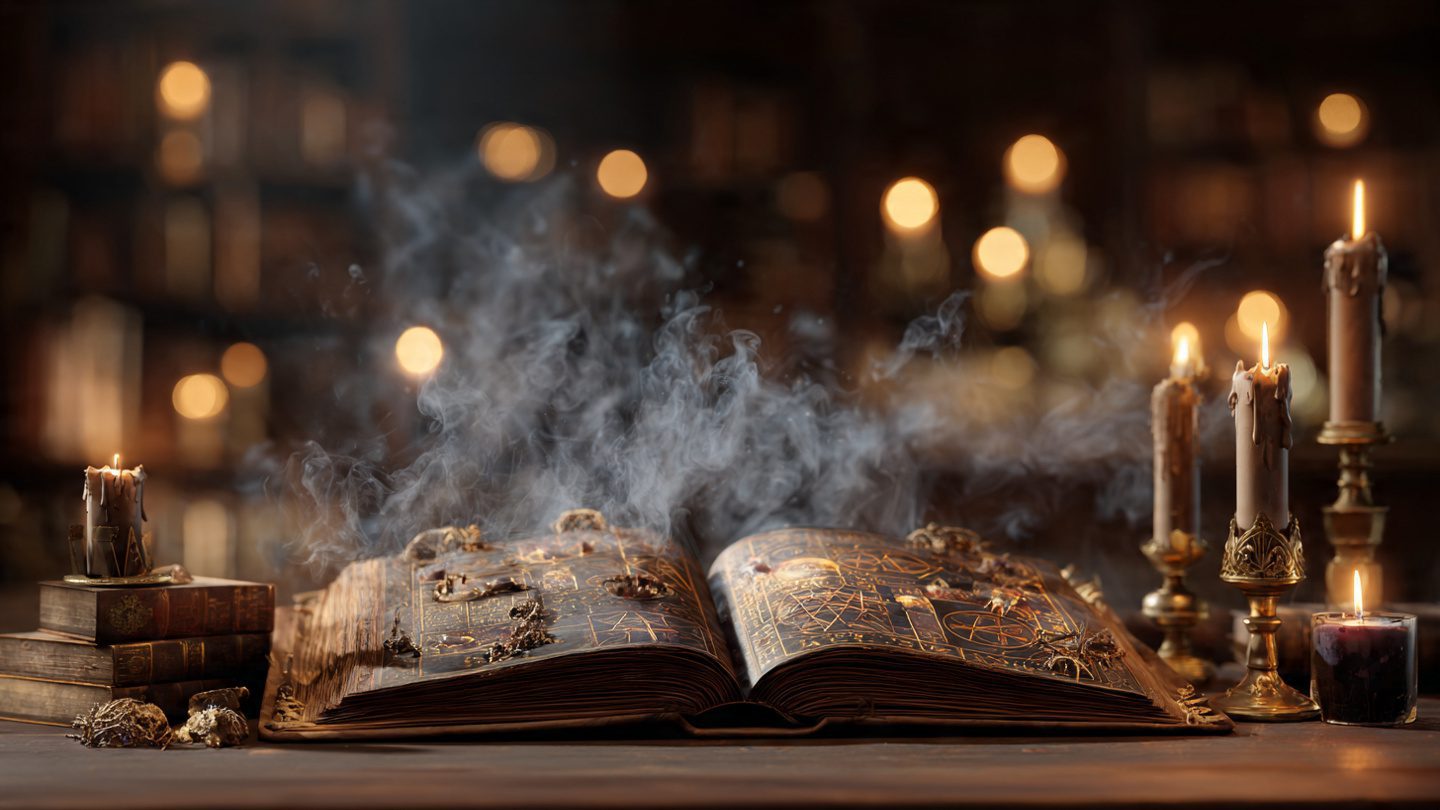
One defining feature of black magic manuscripts is their use of symbols and coded language. These were not decorative elements.
Symbols served multiple purposes. They concealed meaning from uninitiated readers and protected the knowledge from misuse. Many manuscripts required years of study just to interpret their diagrams and glyphs. This complexity explains why so many texts were misunderstood or misused.
Some experts believe the Lost manuscripts of black magic contained multi-layered codes that could only be understood after mental and spiritual preparation. This reinforces the idea that the manuscripts were designed to change the reader internally before revealing their secrets.
Religious and Political Suppression
The disappearance of many manuscripts was not accidental. Religious institutions actively hunted and destroyed occult texts.
During the Middle Ages, possession of such manuscripts could result in execution. Authorities believed these books threatened social order and divine authority. Political leaders also feared that magical knowledge could empower individuals outside official structures.
This systematic suppression explains why so many Lost manuscripts of black magic are known only through references and fragments. Their absence speaks louder than their presence. It shows how powerful ideas can be erased yet still influence history.
Survival Through Fragments
Although complete manuscripts are rare, fragments survived in unexpected places. Marginal notes, translations, and coded references appear in unrelated works.
Professional scholars reconstruct lost texts by comparing these fragments across cultures. This process reveals how ideas traveled secretly through time. Beginners may find it surprising that modern psychology and philosophy still echo themes found in these ancient writings.
The Lost manuscripts of black magic survive not as books, but as concepts embedded in human thought. Their survival proves that ideas cannot be fully destroyed.
Modern Interpretations Today
In modern times, black magic manuscripts are studied academically rather than practiced. Universities analyze them as historical and psychological artifacts.
Popular culture often exaggerates their danger, but experts focus on their symbolic meaning. These texts reveal humanity’s fear of the unknown and desire for control. For beginners, this demystifies black magic. For professionals, it contextualizes it within human development.
The continued fascination with the Lost manuscripts of black magic shows that forbidden knowledge still captivates modern minds, even in a scientific age.
Ethical Boundaries Knowledge
One of the most important lessons from these manuscripts is ethical responsibility. Knowledge without moral grounding can be destructive.
Many lost texts included warnings to the reader. They emphasized discipline, humility, and consequences. Ignoring these warnings often led to tragic outcomes, at least according to historical accounts.
This ethical dimension makes the Lost manuscripts of black magic relevant today. They serve as reminders that not all knowledge should be pursued without reflection.
Psychological Impact Readers
Modern psychology offers explanations for the intense effects these texts had on readers. Obsession, identity shifts, and altered perception are well-documented phenomena.
Studying forbidden material can trigger cognitive dissonance and emotional instability. This explains why readers felt “changed.” The manuscripts acted as catalysts, not causes.
Understanding this helps professionals analyze historical accounts objectively, while beginners gain insight into how powerful ideas influence the mind.
Cultural Legacy Today
The influence of lost black magic manuscripts extends into literature, art, and philosophy. Many famous authors drew inspiration from their themes.
Even modern self-development ideas echo ancient concepts of transformation and inner power. This shows that the Lost manuscripts of black magic are part of a broader human narrative about growth and control.
Their legacy is not darkness, but understanding how humans seek meaning beyond limits.
Summary
The Lost manuscripts of black magic were more than forbidden books. They were intellectual tools that challenged belief systems, altered minds, and reshaped cultures. Their disappearance was driven by fear, power struggles, and ethical concerns. Today, they remain powerful symbols of humanity’s relationship with knowledge and responsibility.
The Call of Darkness: Rituals That Were Never Meant to Be Spoken Aloud
FAQ
Are lost black magic manuscripts real?
Yes, many are referenced in historical records, though complete versions are rare.
Did these books really change people?
Psychologically and philosophically, yes. They influenced beliefs and behavior.
Are they dangerous today?
As historical texts, they are studied academically, not practiced.
Why were they destroyed?
Religious and political authorities feared their influence.
Call To Action
If you are fascinated by hidden knowledge and forgotten history, explore these topics deeper. Understanding the past helps us make wiser choices in the present.