Befrey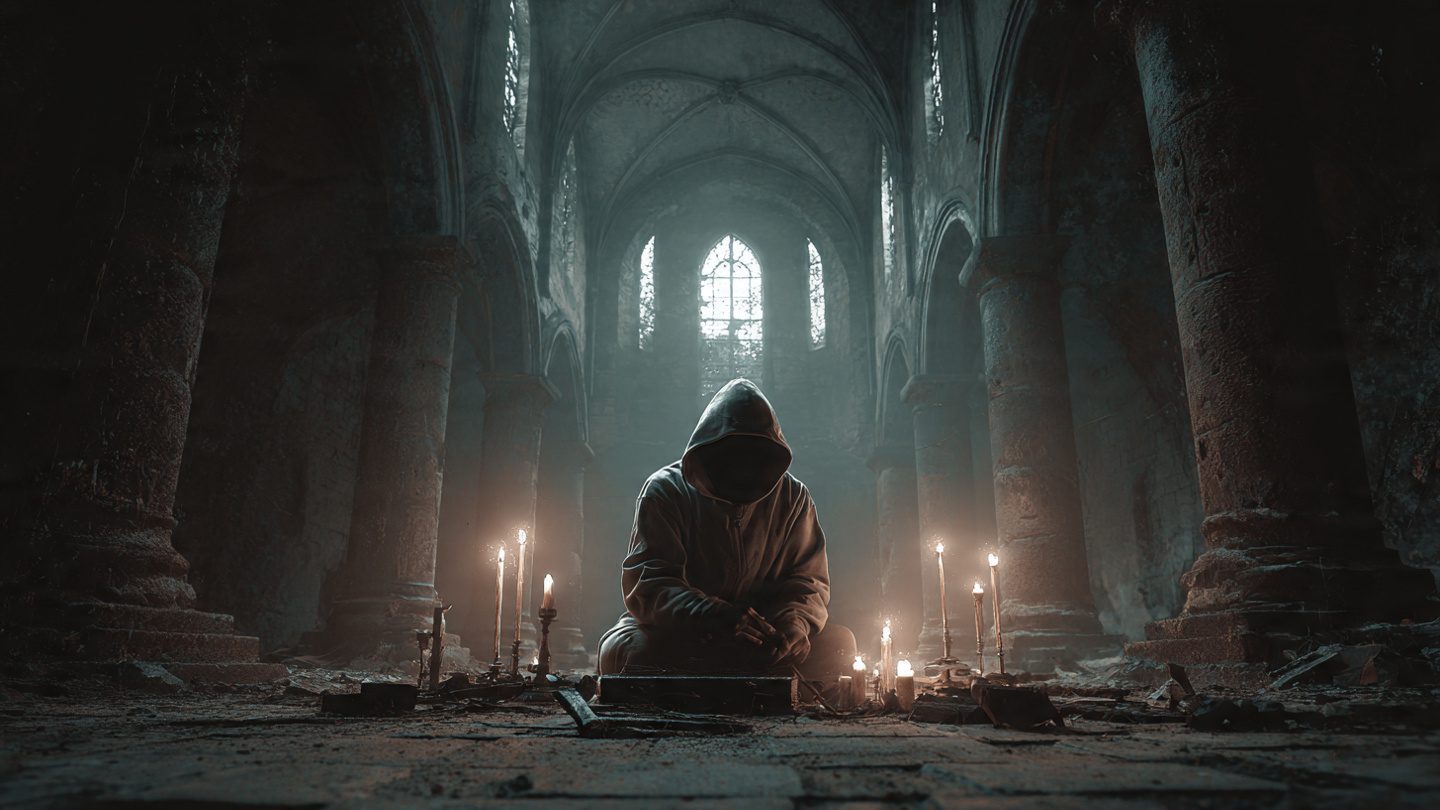
Introduction to Forbidden Knowledge
The phrase paranormal forbidden rituals has echoed through human history, whispered in secret rooms, ancient manuscripts, and hidden traditions passed only to the chosen few. From the very first civilizations, people believed that certain words, gestures, and ceremonies could open doors best left closed. These forbidden rites were not simple superstition, but complex systems rooted in fear, belief, power, and the unknown. For beginners, the topic may seem mysterious or even fictional, while professionals recognize deep psychological, cultural, and historical layers beneath the surface. Paranormal forbidden rituals represent humanity’s desire to communicate with forces beyond normal perception. They exist at the edge of religion, magic, and psychology. Understanding them requires both caution and curiosity.
Origins of Dark Rituals
The origins of forbidden rituals can be traced back to early tribal societies. Ancient cultures believed the universe was alive with spirits, gods, and unseen entities. Paranormal forbidden rituals were often created to control chaos, prevent disasters, or gain forbidden knowledge. Shamans, priests, and occult practitioners guarded these practices carefully. They believed misuse could bring madness, death, or spiritual corruption. Many rituals were banned by emerging religions, labeling them dangerous or heretical. This prohibition only increased their mystique. Over time, secrecy became part of their power.
Psychological Foundations Explained
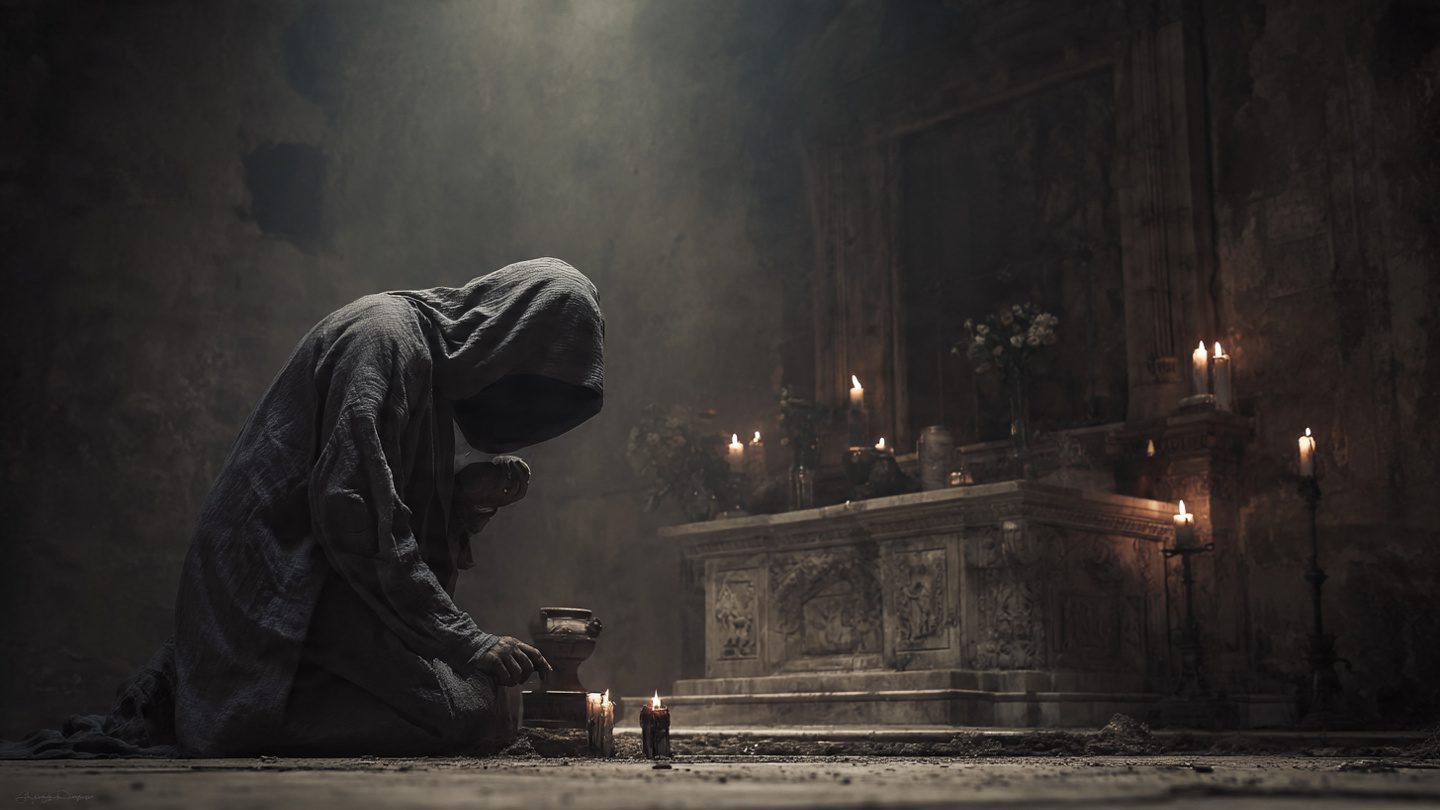
From a psychological perspective, paranormal forbidden rituals tap into deep human fears and desires. They create altered states of consciousness through repetition, symbols, and intense focus. These rituals often use darkness, silence, or isolation to heighten emotional vulnerability. The human brain is highly suggestible under such conditions. Professionals understand that ritual behavior can trigger powerful hallucinations and emotional experiences. Beginners may mistake these effects for supernatural encounters. Yet the psychological impact is real, regardless of belief. This is why forbidden rituals are so dangerous when misunderstood.
Cultural Symbolism Decoded
Every ritual contains symbols that speak a hidden language. Paranormal forbidden rituals often use ancient signs, sacred geometry, and specific colors or materials. Black candles, blood symbolism, mirrors, and circles appear across cultures. These elements are not random. They represent transformation, boundaries, and connection between worlds. Cultural experts see patterns repeating across civilizations that never contacted each other. This suggests a shared human instinct to ritualize fear and mystery. Understanding symbolism is key to decoding ritual intent.

Spoken Words of Power
Language plays a critical role in forbidden rituals. Many traditions insist that certain words must never be spoken aloud. Paranormal forbidden rituals rely on vibration, rhythm, and pronunciation. Ancient languages like Latin, Sumerian, or Enochian are often used because they feel detached from modern reality. Words spoken in ritual are believed to shape reality itself. Linguists argue that unfamiliar language increases psychological immersion. This creates the sensation of crossing into another realm. Silence, pauses, and whispers are equally important components.
Physical Ritual Components
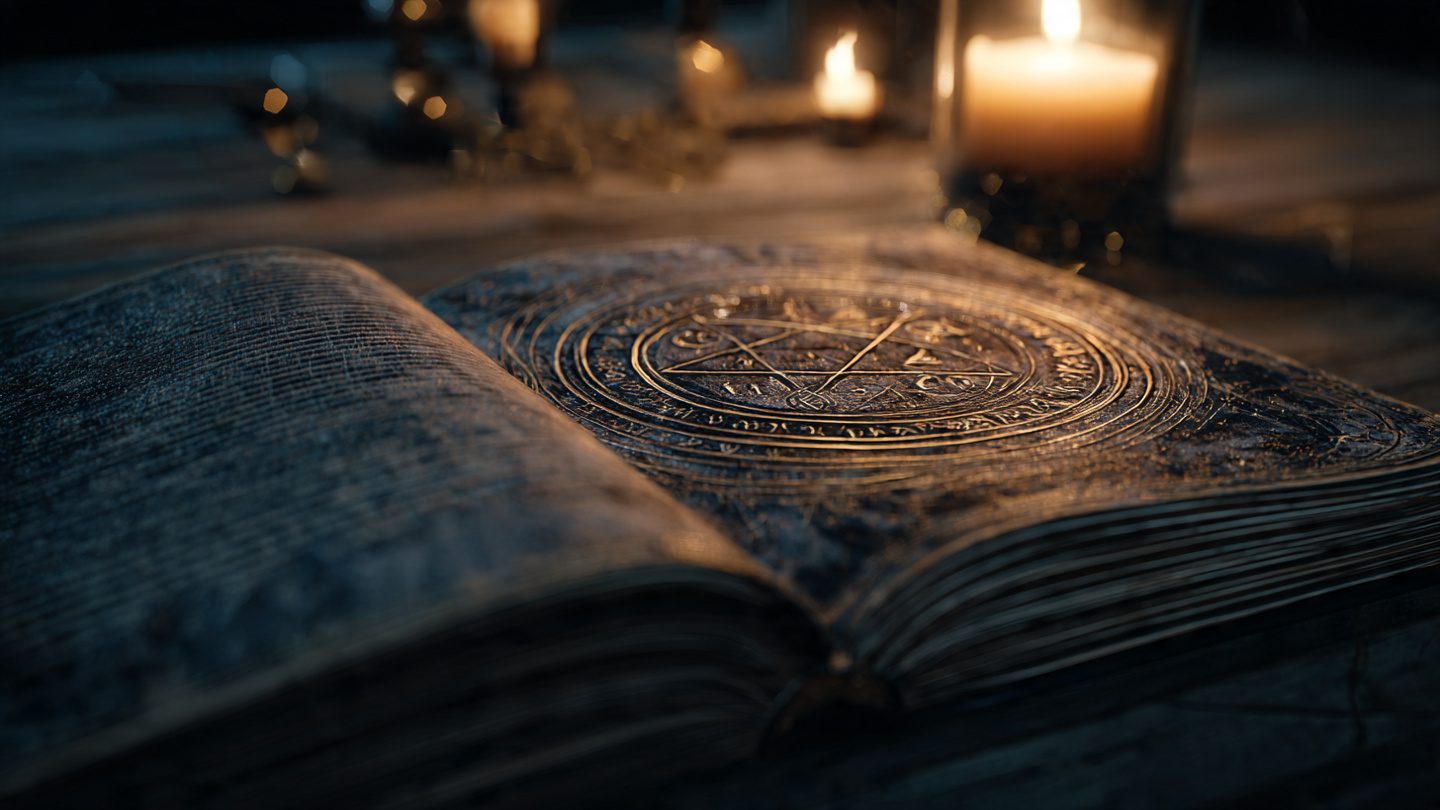
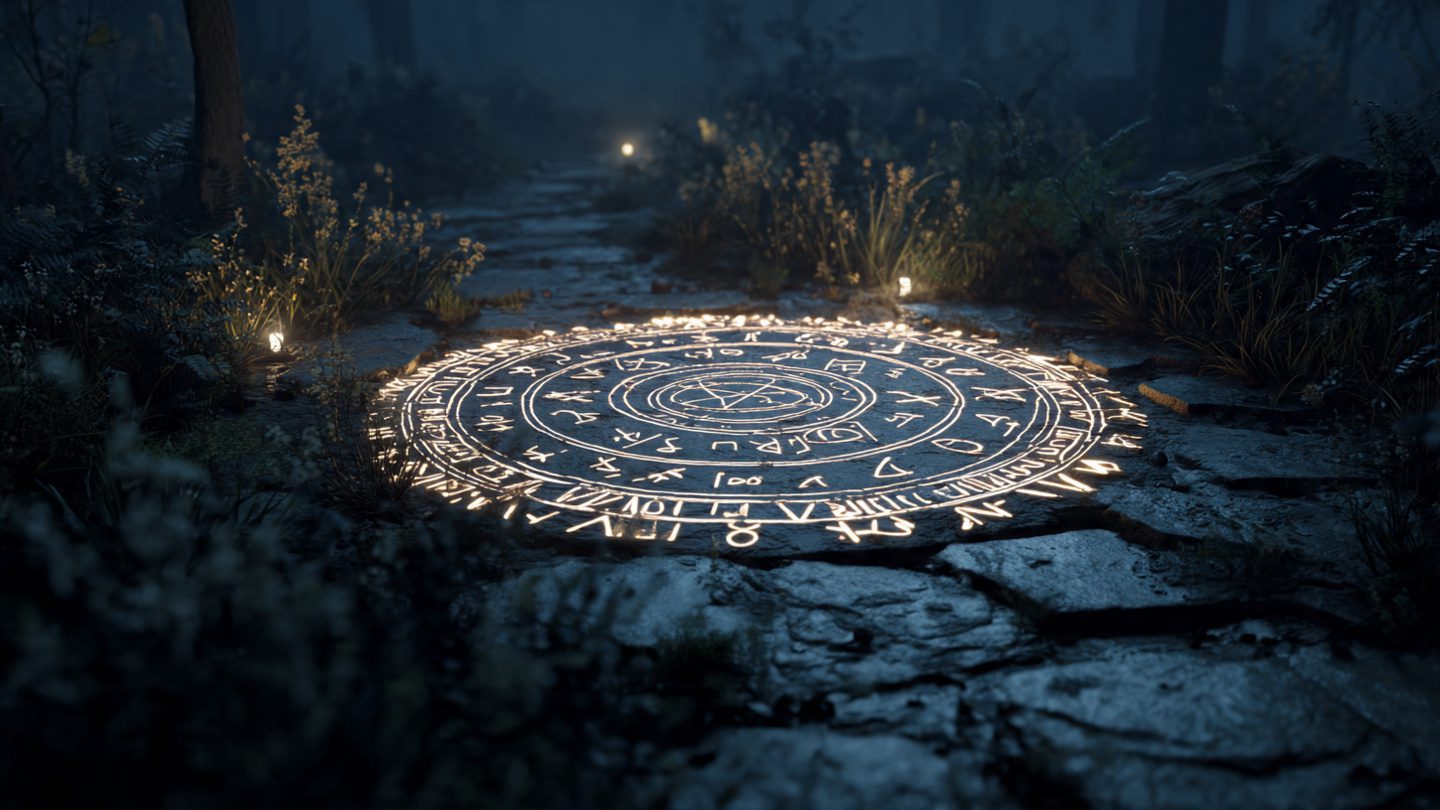
Beyond words, physical actions anchor rituals into reality. Paranormal forbidden rituals often require precise movements, timing, and tools. Circles drawn on the ground symbolize protection or entrapment. Knives, bones, or personal objects create a personal link to the practitioner. Professionals warn that these acts reinforce belief systems deeply. Once performed, the ritual becomes psychologically irreversible. Even skeptics can experience fear responses afterward. The body remembers what the mind tries to forget.
Time and Location Significance
Forbidden rituals are rarely performed randomly. Paranormal forbidden rituals often require specific times such as eclipses, solstices, or midnight hours. Locations like abandoned buildings, forests, or crossroads are chosen for symbolic reasons. These places exist between order and chaos. Environmental psychology shows that unfamiliar spaces increase anxiety and suggestibility. Ancient cultures intuitively understood this effect. Timing and location amplify emotional intensity and perceived paranormal activity.
Modern Occult Practices
In modern times, forbidden rituals have evolved rather than disappeared. Paranormal forbidden rituals now circulate online, in books, and through secret groups. Some are watered-down versions of ancient rites. Others are dangerous fabrications created for shock value. Professionals differentiate between symbolic rituals and harmful practices. Beginners may struggle to tell the difference. This makes education essential. Knowledge is protection in the modern occult landscape.
Ethical Boundaries Discussed
Ethics play a major role in evaluating forbidden rituals. Paranormal forbidden rituals often involve manipulation, coercion, or psychological harm. Ethical practitioners focus on self-reflection rather than control. Crossing ethical lines increases risk of trauma. Many traditions warn that power gained without wisdom leads to destruction. These warnings appear consistently across cultures. Ethics are not restrictions, but safeguards.
EVP Recordings and Spirit Communication: Exploring the Unseen World
Documented Historical Cases
History provides chilling examples of forbidden rituals gone wrong. Paranormal forbidden rituals appear in witch trials, cult tragedies, and mass hysteria events. These cases show how belief combined with fear can spiral out of control. Sociologists study these events to understand group psychology. Patterns of isolation, authority worship, and secrecy repeat frequently. History serves as a cautionary tale. Ignoring it invites repetition.
Scientific Interpretations Today
Science approaches forbidden rituals through neuroscience and anthropology. Paranormal forbidden rituals are studied for their effects on perception and behavior. Brain scans show altered activity during ritual states. Stress hormones and dopamine levels shift dramatically. These changes explain feelings of presence or transcendence. Science does not dismiss experiences, but reframes them. This perspective bridges belief and evidence.
Media and Pop Culture Impact
Movies, games, and books have reshaped public perception. Paranormal forbidden rituals are often exaggerated for entertainment. This creates misinformation but also curiosity. Professionals must separate fiction from tradition. Pop culture borrows real symbols but strips context. This can trivialize dangerous concepts. Media literacy is essential when exploring these themes.
Risks and Warnings
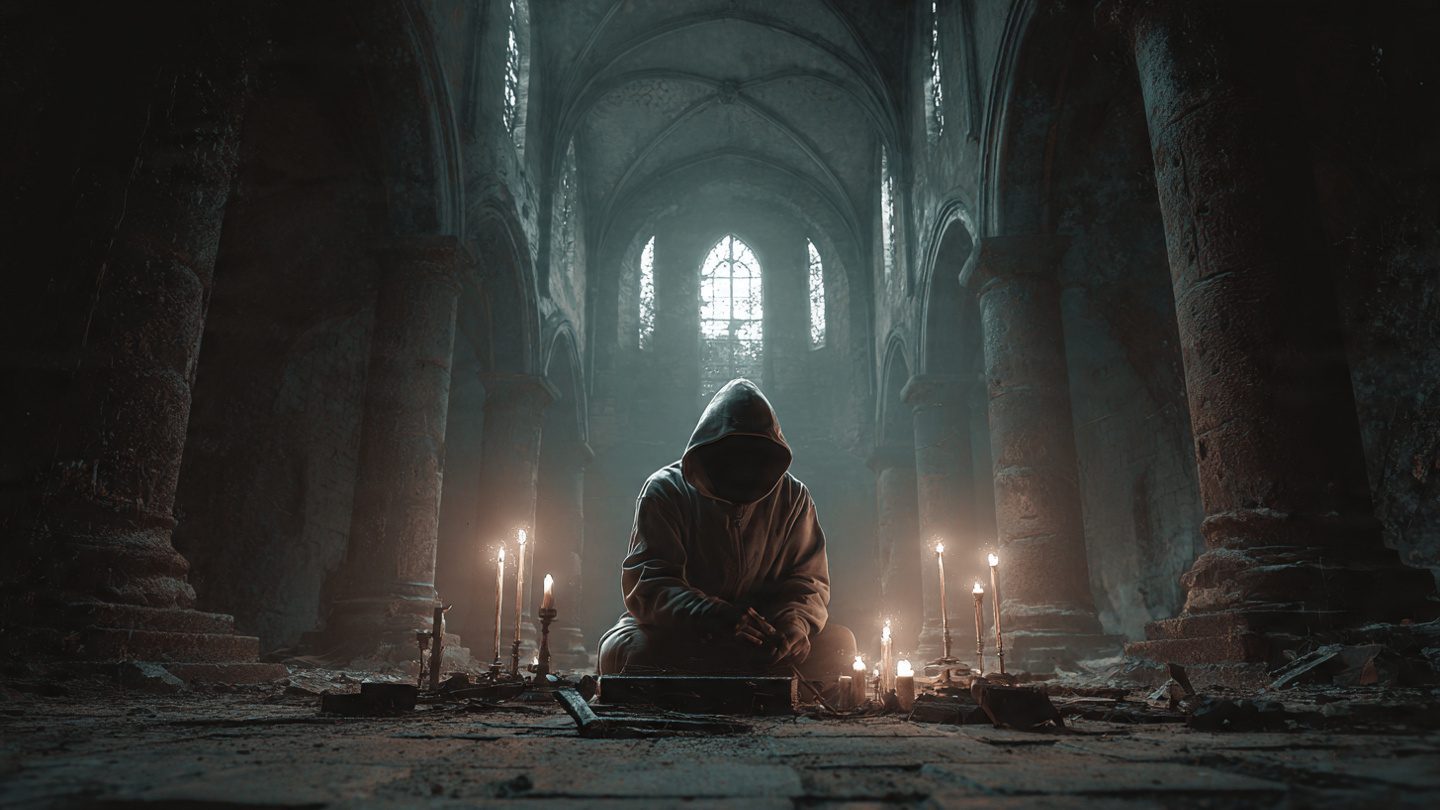
The greatest danger of forbidden rituals is misunderstanding. Paranormal forbidden rituals can trigger anxiety, paranoia, or dissociation. Individuals with mental health vulnerabilities are especially at risk. Many traditions explicitly forbid experimentation without guidance. Curiosity alone is not enough. Respect and restraint are recurring themes. Ignoring warnings leads to consequences.
Educational Perspective
Education transforms fear into understanding. Paranormal forbidden rituals should be studied, not practiced. Academic study allows safe exploration of symbolism and psychology. Professionals emphasize documentation over participation. Beginners benefit from structured learning paths. Knowledge reduces mystification. Understanding replaces blind belief.
Occultism and Secret Societies (Templars, Illuminati): A Fascinating Historical Journey
Summary
Paranormal forbidden rituals represent humanity’s deepest fears and desires. They combine psychology, culture, symbolism, and belief into powerful experiences. While fascinating, they carry significant risks when misunderstood. Education, ethics, and historical awareness are essential. These rituals were never meant to be casual experiments. They demand respect, caution, and critical thinking.
FAQ
Are paranormal forbidden rituals real? They are real cultural and psychological practices, though interpretations vary.
Can rituals cause harm? Yes, especially psychological harm if performed without understanding.
Why are they forbidden? Because of their potential for misuse and long-term consequences.
Should beginners study them? Yes, but only from an educational perspective.
Call to Action
If you are fascinated by the hidden side of human belief, continue exploring responsibly. Study history, psychology, and symbolism before forming conclusions. Share this article with others seeking knowledge over fear.