
 Befrey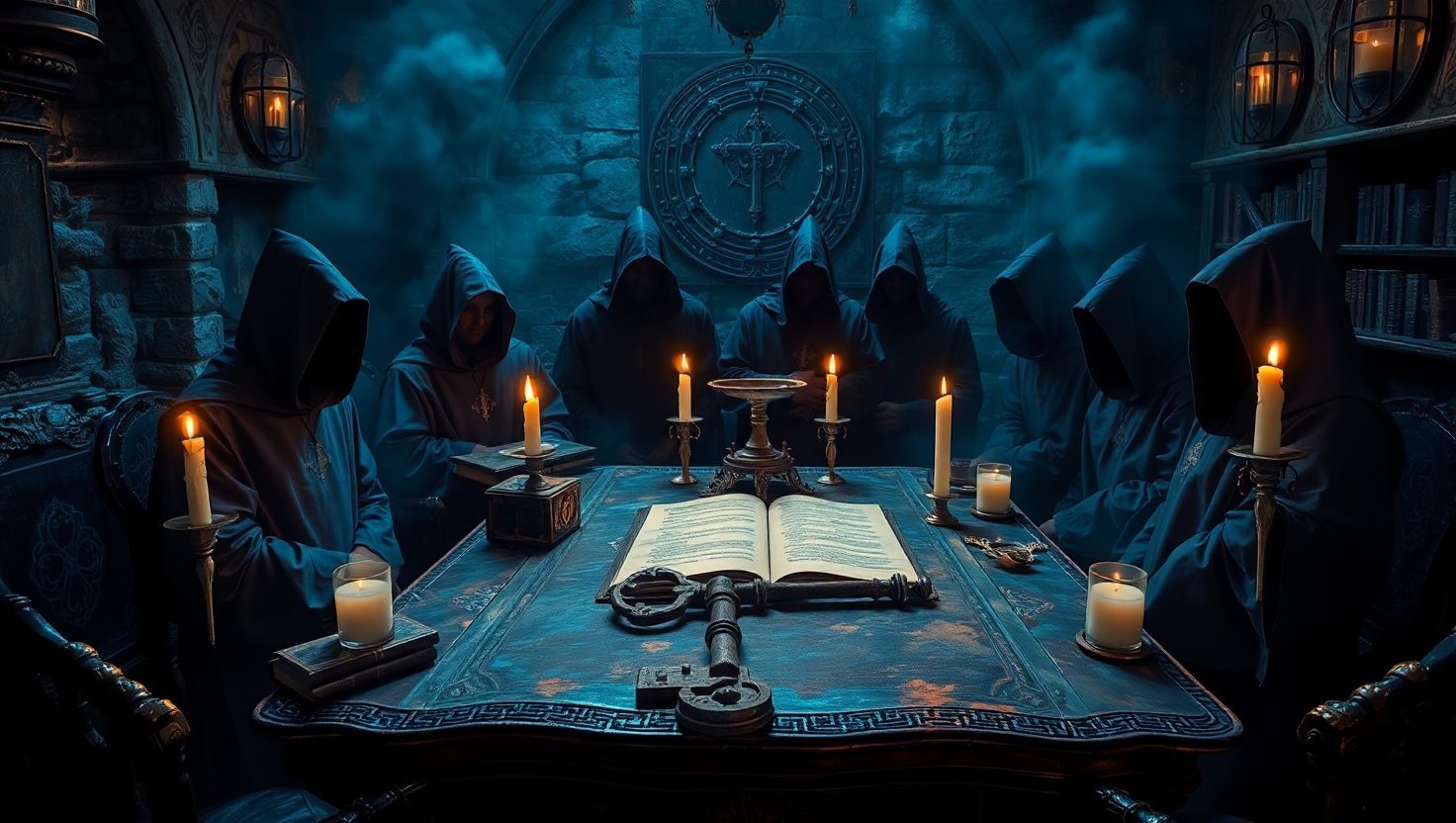
Occultism and secret societies (Templars, Illuminati) have captivated generations with their mystic aura, hidden rituals, and whispered legends. In this article, we dive into the world of occultism and secret societies, examining their origins, evolution, and cultural impact. We also explore how these mystic movements intersect with beliefs about spirits, entities, and the unseen world.
Origins of Occultism
Occultism, the study of mysterious or hidden knowledge, dates back centuries. It emerged in ancient civilizations—Egypt, Greece, and Mesopotamia—where mystics practiced secret rituals and explored the unseen dimensions of existence. Over time, this tradition intertwined with alchemy, astrology, and sacred texts, shaping early esoteric thought.
The Rise of Secret Societies
Secret societies formed as structured groups that preserved and transmitted occult knowledge. Their secrecy added to their allure.
-
Templars: Founded during the Crusades in the 12th century, the Knights Templar combined martial valor with religious devotion. Over time, legends painted them as keepers of arcane wisdom and holy artifacts.
-
Illuminati: A more modern secret society, the Illuminati emerged in the 18th century as an intellectual movement dedicated to enlightenment ideals. They later became the subject of conspiracy theories intertwined with occult mysticism.
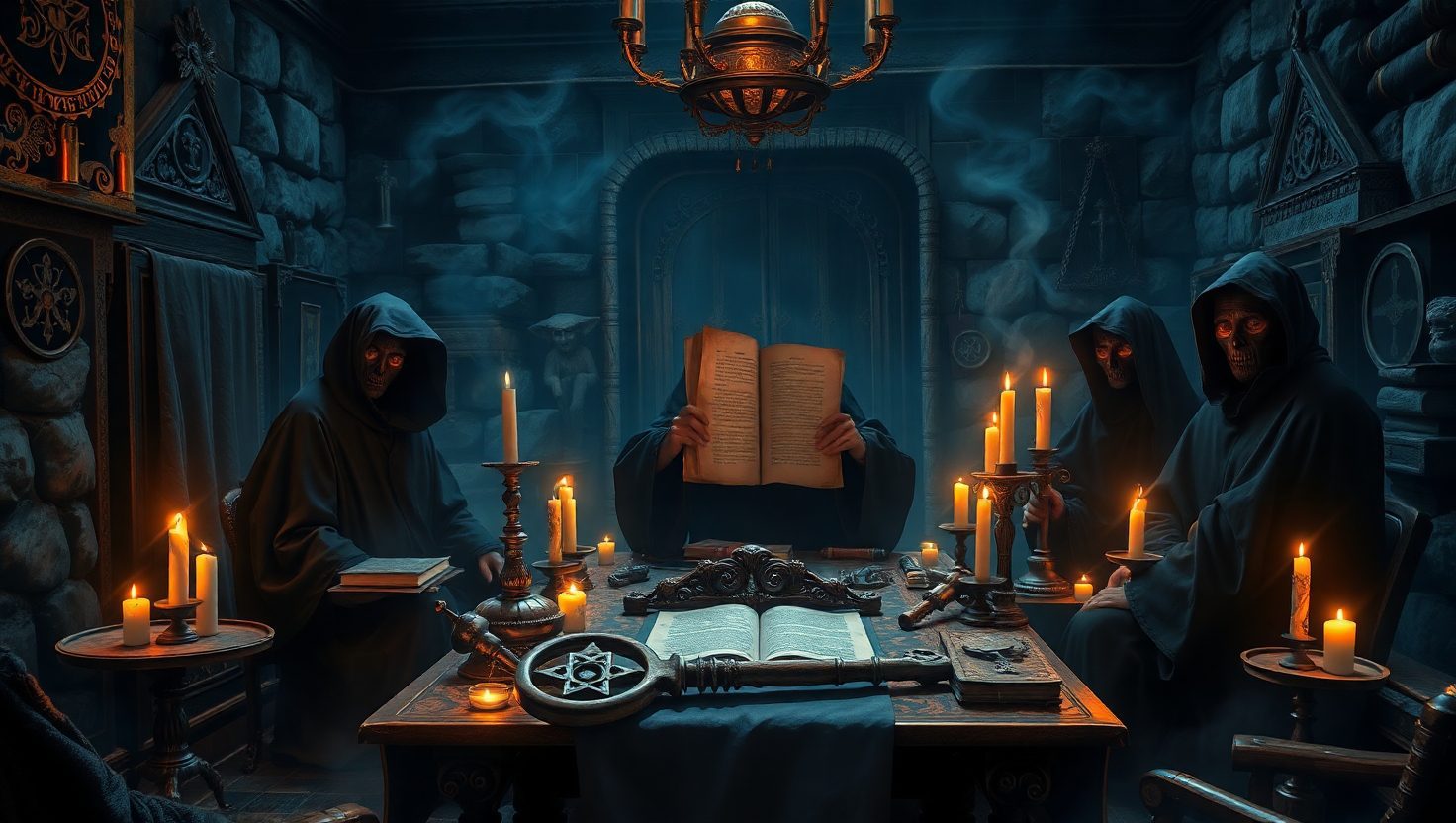
Occultism and Secret Societies (Templars, Illuminati) in Context
Occultism and secret societies (Templars, Illuminati) share intertwining themes:

-
Mystic knowledge: Hidden teachings, esotericism, and decoding symbolic lore.
-
Initiation rituals: Only members who passed secret ceremonies advanced in rank.
-
Spiritual connections: Beliefs in otherworldly forces, spirits, or intelligences guided their teachings.
The blending of occultism with secret societies fueled fascination and fear, inspiring myth-making and legend.
The Templars: From Crusades to Myth
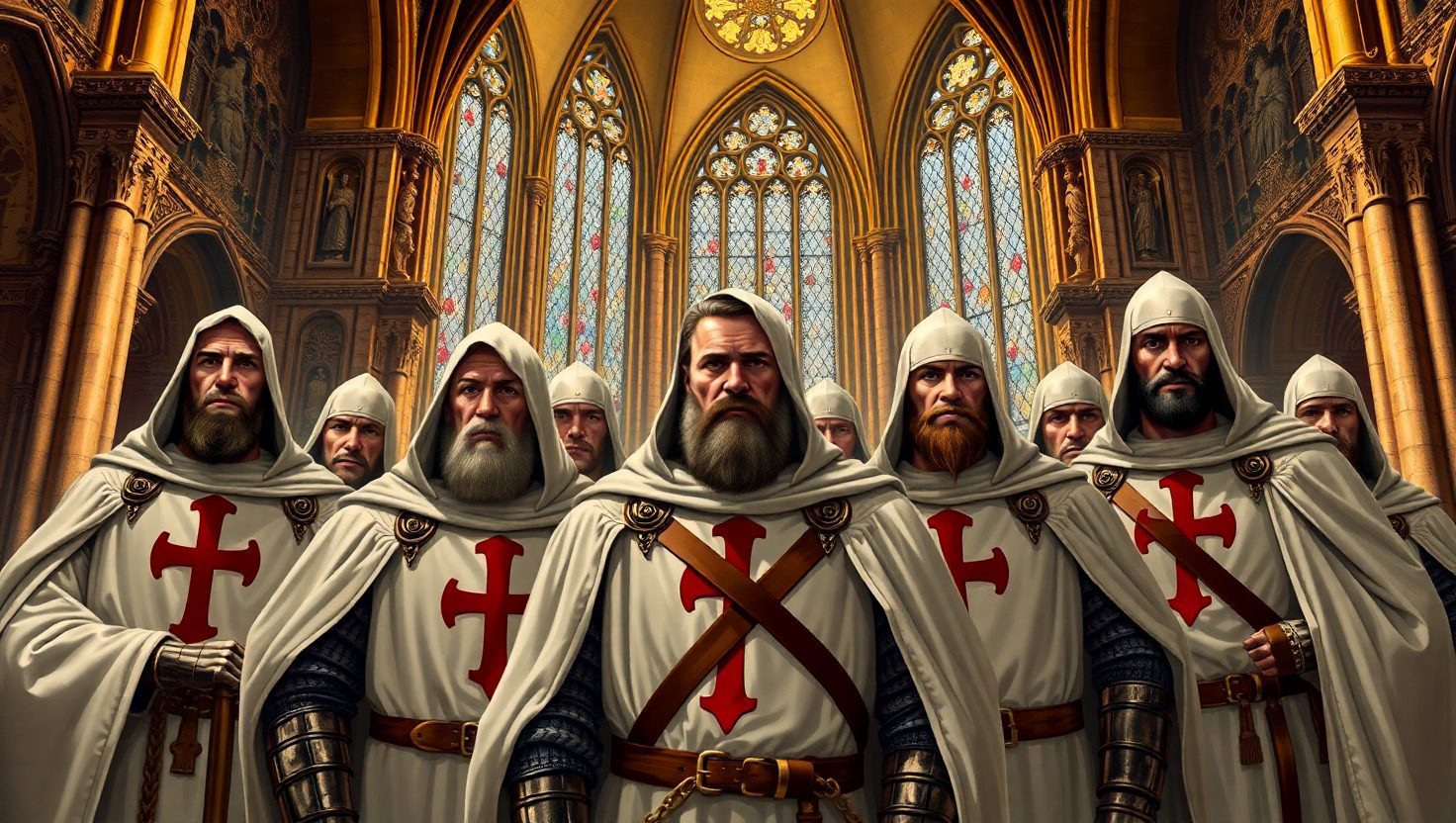
The Templars began as a Christian military order, entrusted with protecting pilgrims. Their wealth and mystery grew over time. When they were arrested in 1307, rumors of heresy, secret rituals, and hidden treasures circulated. Although the order was disbanded, the mystic legend of the Templars persists.
The Illuminati and the Age of Enlightenment
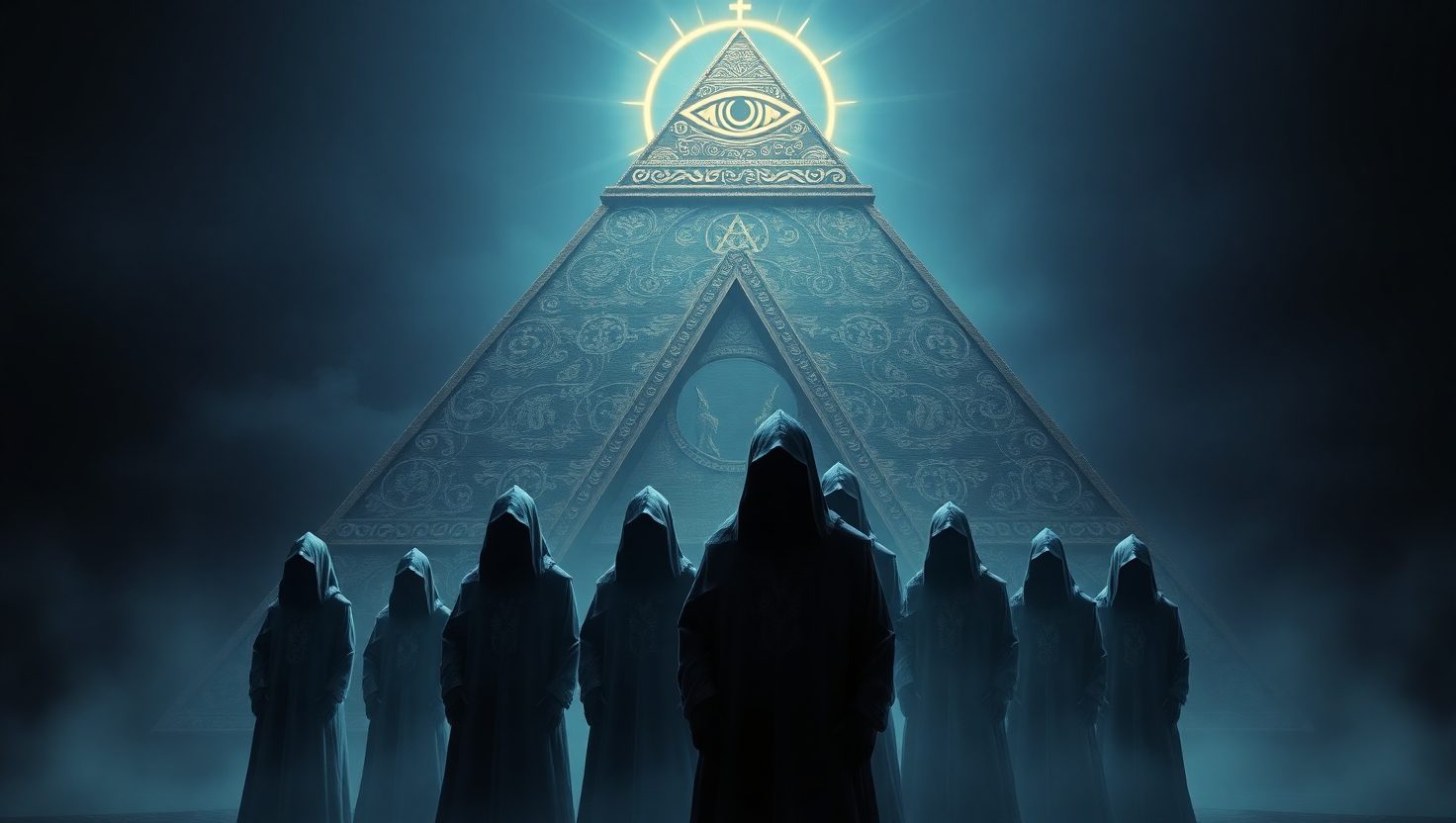
Founded in 1776 by Adam Weishaupt in Bavaria, the Illuminati was a society advocating reason, secularism, and moral improvement. They sought knowledge beyond the orthodox institutions of their time. Though suppressed, their name lives on—frequently depicted in conspiracy theories about global influence and occult power.
Intersections with the Spirit World
The mystic world of occultism often intersects with beliefs about spirits, the soul, and unseen entities. Many modern occultists reference such phenomena, which echo ancient traditions.
-
Explore EVP recordings and spirit communication: tools used by some to reach unseen worlds.
-
What about lost souls? Who are they and how are they perceived?
-
Discover poltergeist phenomena: their origins and manifestations.
These links further enhance the theme of occultism and secret societies by offering glimpses into the spirit world and paranormal phenomena.
Cultural Impact and Popular Imagination
Occultism and secret societies (Templars, Illuminati) have shaped art, literature, film, and popular culture:
-
Books like “The Da Vinci Code” depict Templar mysteries.
-
Films and documentaries link Illuminati to conspiracy.
-
Music, fashion, and brand imagery sometimes reference secret society symbols (pentagrams, compasses, eyes, keys).
These mystic motifs resonate in collective imagination—making the topic endlessly compelling.
Key Themes in Occultism and Secret Societies (Templars, Illuminati)
Shared motifs include:
-
Initiation and rites of passage.
-
Esoteric symbols and coded language.
-
Spiritual hierarchy and unseen guides.
-
Hidden power and influence.
These motifs add to the mystique that fuels public intrigue. They symbolize both human curiosity about the unknown and desire for belonging to something greater.
Modern-Day Perspectives
Today, many groups—fraternal orders, neo-pagan circles, and esoteric societies—trace their roots to Templar or Illuminati traditions. They blend ancient rituals with modern spirituality.
While some view these as meaningful paths for personal transformation, others approach them as cultural or historical curiosities. Either way, the mystic allure remains strong.
Occultism and Secret Societies (Templars, Illuminati): Summary
| Topic | Key Points |
|---|---|
| Origins | Ancient mysticism, esoteric traditions |
| Templars | Crusader knights turned legendary secret keepers |
| Illuminati | Enlightenment era society promoting reason and learning |
| Spirit Connections | Beliefs in spirits, EVPs, poltergeists, and lost souls |
| Cultural Impact | Literature, film, symbols, modern spiritual revival |
FAQ – Commonly Asked Questions
Q: Who were the Templars and why are they linked to occultism?
A: They were a medieval Christian military order. Their sudden arrest and dissolution, combined with their secrecy, led to legends of hidden knowledge and occult associations.
Q: Did the Illuminati really exist, and are they an occult group?
A: Yes, founded in 1776 in Bavaria to promote Enlightenment ideals. Though not originally occult, later myths cast them as shadowy controllers of world events.
Q: What’s the difference between occultism and secret societies?
A: Occultism refers to hidden or esoteric knowledge. Secret societies are organizations that guard and transmit such knowledge, often via rituals and symbolism.
Q: Are modern-day Templar or Illuminati groups legitimate?
A: Many contemporary groups claim lineage, but most are symbolic or ceremonial rather than direct historical continuations.
Q: How do spirits or entities relate to occultism?
A: Occultism often includes belief in unseen intelligences, spirit communication (e.g., EVPs), and phenomena like poltergeists or lost souls—all contributing to the mystic worldview.
Final Thoughts
The interplay between occultism and secret societies (Templars, Illuminati) threads together centuries of mystic fascination, hidden rituals, and dramatic legend. Whether you’re drawn by historical intrigue or spiritual curiosity, the topic offers endless avenues of exploration.
What mysteries will you explore next?
If you enjoyed this journey through mystic history, please:
-
Comment below with your thoughts or questions.
-
Share this article with fellow seekers of the unknown.
-
Subscribe for more insights into hidden histories and mystic lore.
Thank you for reading—may your curiosity always guide you!







Wow, marvelous blog layout! How long have you ever been running a blog for?
you made running a blog look easy. The full
look of your website is fantastic, let alone the content!