
 Befrey
Introduction to Financial Change
Bad financial habits quietly control the lives of millions of people. Many work hard, yet still struggle, because their money behavior works against them. Learning how to make money is not only about earning more; it is about keeping, managing, and multiplying what you already earn. In this guide, you will also understand income creation, earning strategies, building cash flow, and smarter wealth decisions. This article is written for complete beginners, but professionals will also find deep insights they can apply immediately. The goal is to help you replace destructive habits with systems that support long-term financial success. Once your mindset and habits change, making money becomes easier and more predictable.
Understanding Bad Money Habits
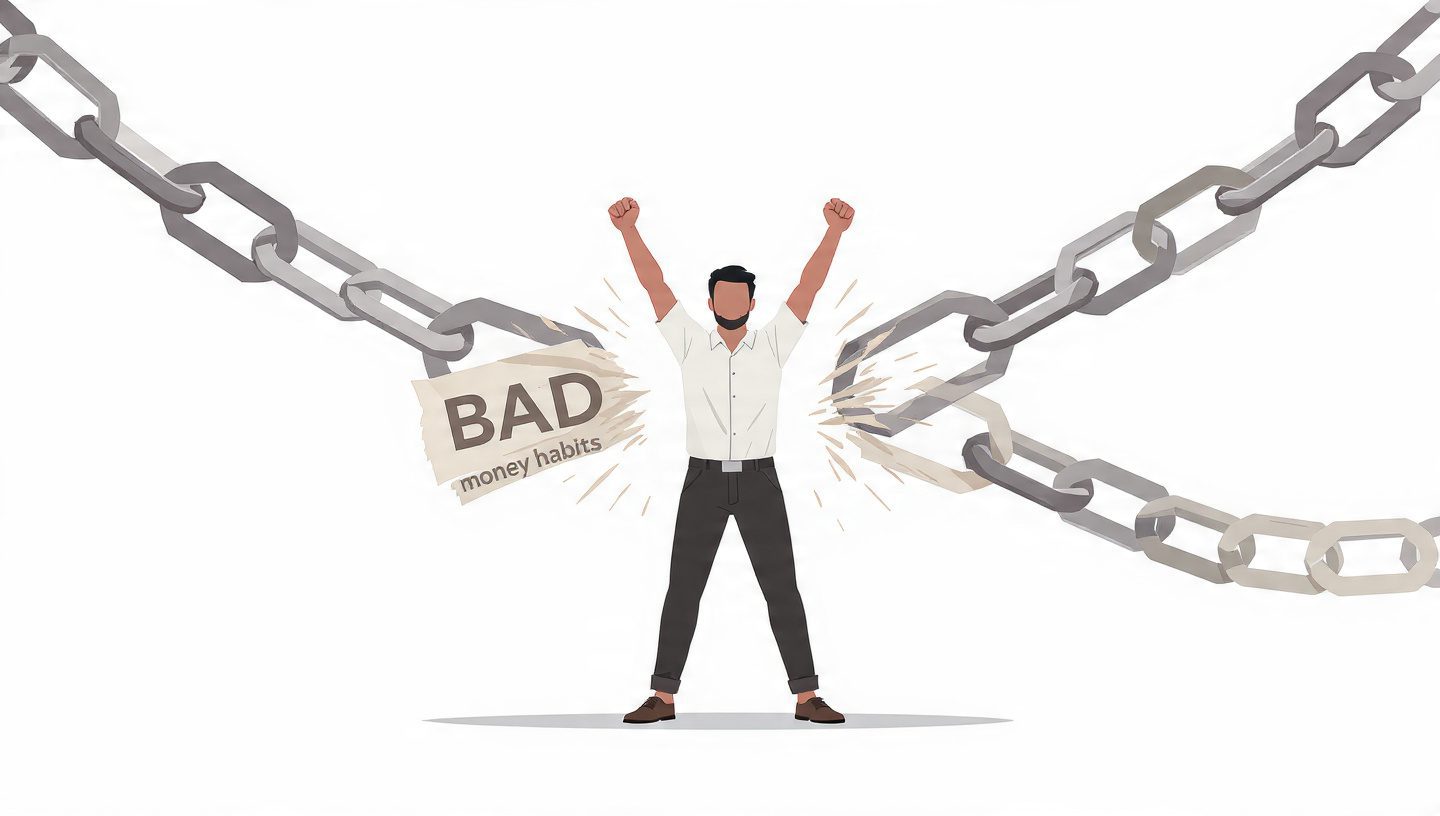
Bad financial habits are often learned early in life and reinforced by society. Many people spend without tracking, rely on credit, and avoid financial education. These behaviors feel normal, but they slowly destroy financial stability. When you do not understand where your money goes, it becomes impossible to control it. Learning how to make money without fixing these habits is like pouring water into a leaking bucket. The first step is awareness, because habits cannot change if they remain invisible. Financial freedom starts when you identify what is holding you back.
Common Spending Mistakes
Impulse buying is one of the most dangerous financial behaviors. People often confuse wants with needs, especially under emotional stress. Small daily expenses seem harmless, but they accumulate into serious losses over time. Subscription services, unused memberships, and frequent takeout quietly drain income. These mistakes reduce your ability to invest or save, which blocks wealth creation. Understanding these patterns helps you redirect money toward goals that support how to make money sustainably.
Emotional Money Triggers
Money decisions are rarely logical; they are emotional. Stress, boredom, and social pressure influence spending more than most people realize. Shopping is often used as a reward or emotional escape. This creates a cycle where temporary pleasure leads to long-term regret. Breaking this cycle requires emotional awareness, not just budgeting tools. When emotions are managed properly, financial decisions become clearer and more intentional.
Financial Mindset Reset
Your mindset determines how you treat money every single day. If you believe money is scarce, you will act defensively and miss opportunities. A healthy mindset focuses on growth, learning, and value creation. Understanding how to make money starts with believing it is a skill, not luck. Professionals think in systems, while beginners often think in outcomes. Shifting your mindset helps you build habits that support consistent financial improvement.
Scarcity vs Abundance
Scarcity thinking leads to fear-based decisions. People hoard money, avoid investing, and resist learning new skills. Abundance thinking focuses on expanding income and creating value. This mindset does not mean reckless spending; it means strategic risk-taking. When you think abundantly, you see opportunities where others see obstacles. This shift is essential for anyone serious about learning how to make money long term.
Long-Term Thinking
Short-term pleasure often competes with long-term success. Professionals delay gratification because they understand compound growth. Saving, investing, and skill-building require patience. Long-term thinking allows money to work for you instead of against you. This habit separates financially successful people from those who struggle continuously. Developing patience is one of the most profitable financial skills you can learn.
Income Awareness Basics
Many people focus only on expenses, ignoring income potential. Understanding income sources gives you control over your financial future. Active income, passive income, and scalable income all play different roles. Learning how to make money means understanding which type suits your lifestyle and goals. Income awareness allows smarter decisions about time, energy, and skill development. Without it, you remain dependent on a single paycheck.

Active Income Reality
Active income comes from trading time for money. Jobs, freelancing, and services fall into this category. While stable, active income has limits because time is finite. Improving active income requires skill upgrades or better negotiation. It is a starting point, not a final solution. Understanding this helps you plan beyond basic employment.
Passive Income Truths
Passive income is often misunderstood and oversold. It usually requires upfront work, capital, or expertise. Examples include investments, digital products, and royalties. Passive income supports financial freedom when built correctly. It reduces dependence on constant labor and increases stability. Learning how to make money passively requires patience and strategic planning.
Budgeting With Purpose
Budgeting is not about restriction; it is about direction. A good budget tells your money where to go instead of wondering where it went. Many people fail at budgeting because they make it too complicated. Simplicity and consistency are more important than perfection. Budgeting supports every strategy related to how to make money effectively. It gives clarity and reduces financial stress.

Expense Categorization
Organizing expenses reveals hidden problems. Fixed costs, variable costs, and discretionary spending must be separated. This clarity allows targeted adjustments without sacrificing quality of life. Most financial leaks are found in variable categories. Once identified, these leaks are easy to control. Expense awareness is a powerful wealth-building tool.
Zero-Based Budgeting
Zero-based budgeting assigns every dollar a purpose. Income minus expenses equals zero by design, not accident. This method increases control and accountability. It forces intentional financial decisions. Professionals often use this system to maximize efficiency. It aligns perfectly with learning how to make money strategically.
Debt Elimination Strategy
Debt is one of the biggest barriers to financial growth. High-interest debt consumes income and limits flexibility. Eliminating debt increases cash flow immediately. Understanding how to make money becomes easier when debt is removed. Debt freedom allows faster investing and saving. The goal is not fear of debt, but mastery over it.
Good Debt vs Bad
Not all debt is equal. Bad debt funds consumption without long-term value. Good debt supports income generation or asset growth. Understanding the difference prevents financial traps. Professionals use debt strategically, not emotionally. Education is the key to making this distinction safely.

10 Ways to Make Money Online Without Investing Any Money
Snowball vs Avalanche
The snowball method focuses on motivation by clearing small debts first. The avalanche method prioritizes interest reduction. Both methods work when applied consistently. Choosing the right method depends on personality and discipline. The most important factor is commitment. Debt elimination accelerates progress toward how to make money goals.
Skill-Based Income Growth
Skills are the foundation of modern wealth. The higher your skill value, the higher your income potential. Learning how to make money today often depends on digital and analytical abilities. Skills create leverage and independence. They protect against automation and economic shifts. Investing in skills offers the highest long-term return.
High-Value Skills
Skills like sales, coding, writing, and marketing are always in demand. These skills solve problems and create revenue. High-value skills scale across industries. Learning one strong skill can transform your income trajectory. Consistent practice leads to mastery. Skill-building is a lifelong wealth strategy.
Continuous Learning
Markets change constantly, and skills must evolve. Continuous learning keeps income relevant. Professionals dedicate time weekly to improvement. Learning compounds just like money. Stagnation leads to income decline. Growth requires intentional education and adaptation.
Smart Saving Systems
Saving is not optional; it is foundational. Saving creates safety, opportunity, and confidence. Without savings, financial stress dominates decisions. Learning how to make money without saving leads to instability. Systems make saving automatic and painless. Discipline becomes easier when decisions are removed.
Emergency Funds
Emergency funds protect against unexpected events. Medical costs, job loss, and repairs happen to everyone. An emergency fund prevents debt reliance. Three to six months of expenses is a common target. This fund provides psychological and financial security. Stability supports better long-term decisions.
Automated Saving
Automation removes emotion from saving. Scheduled transfers ensure consistency. Even small amounts compound over time. Automation supports habit formation. This system works for beginners and professionals alike. Consistency beats intensity in saving.

Investing With Confidence
Investing allows money to grow faster than saving alone. It leverages time and compound interest. Understanding how to make money includes understanding how money grows. Investing carries risk, but education reduces it. Confidence comes from knowledge and strategy. Smart investing builds long-term wealth.
Risk Management
Risk is unavoidable, but it can be managed. Diversification reduces exposure to loss. Long-term investing smooths market volatility. Emotional reactions cause most losses. Discipline and education protect investors. Risk management separates gamblers from professionals.
Long-Term Compounding
Compounding rewards patience and consistency. Small investments grow exponentially over time. Time is more powerful than timing. Starting early increases results dramatically. Compounding turns ordinary income into extraordinary wealth. It is the silent engine of financial freedom.
Sustainable Money Habits
Habits determine outcomes more than motivation. Sustainable habits support financial health without burnout. Learning how to make money requires systems, not willpower. Small daily actions create massive long-term change. Consistency beats intensity every time. Habits transform goals into reality.
Daily Money Routines
Simple routines create control. Tracking expenses, reviewing goals, and learning daily builds momentum. These habits take minutes, not hours. Professionals rely on routines to stay disciplined. Structure reduces stress and decision fatigue. Routines support long-term success.
Accountability Systems
Accountability increases consistency. Tracking progress keeps habits visible. Sharing goals with trusted people increases commitment. Systems reduce reliance on motivation. Accountability turns intentions into actions. Progress becomes measurable and rewarding.
Summary
Breaking bad financial habits is the foundation of financial success. Without behavior change, no strategy will work consistently. Learning how to make money requires mindset shifts, skill development, and disciplined systems. Money management is a skill that improves with practice. Beginners build stability, while professionals optimize performance. Financial growth is a journey, not a destination.
FAQ
How long does it take to change financial habits?
Changing financial habits depends on consistency and awareness. Most people see improvement within a few months. Daily repetition reinforces new behaviors. Set realistic expectations and stay patient. Progress compounds over time. Habits improve faster with clear systems.
Is learning how to make money hard?
Learning how to make money is a skill, not a talent. Anyone can learn with proper guidance. Complexity decreases with education. Start simple and build gradually. Focus on fundamentals before advanced strategies. Confidence grows with experience.
Can professionals benefit from habit changes?
Yes, professionals often plateau due to hidden habits. Optimizing routines increases efficiency. Small improvements create large gains. Habit refinement separates high performers from average ones. Continuous improvement is essential. Mastery requires ongoing adjustment.
How to Plan Financially for the Future: 5-, 10-, and 20-Year Planning Guide
Call To Action
Start today by identifying one bad financial habit to change. Replace it with one positive action immediately. Commit to learning how to make money intentionally. Apply one concept from this article this week. Progress comes from action, not intention. Your financial future depends on what you do next.





