
 Befrey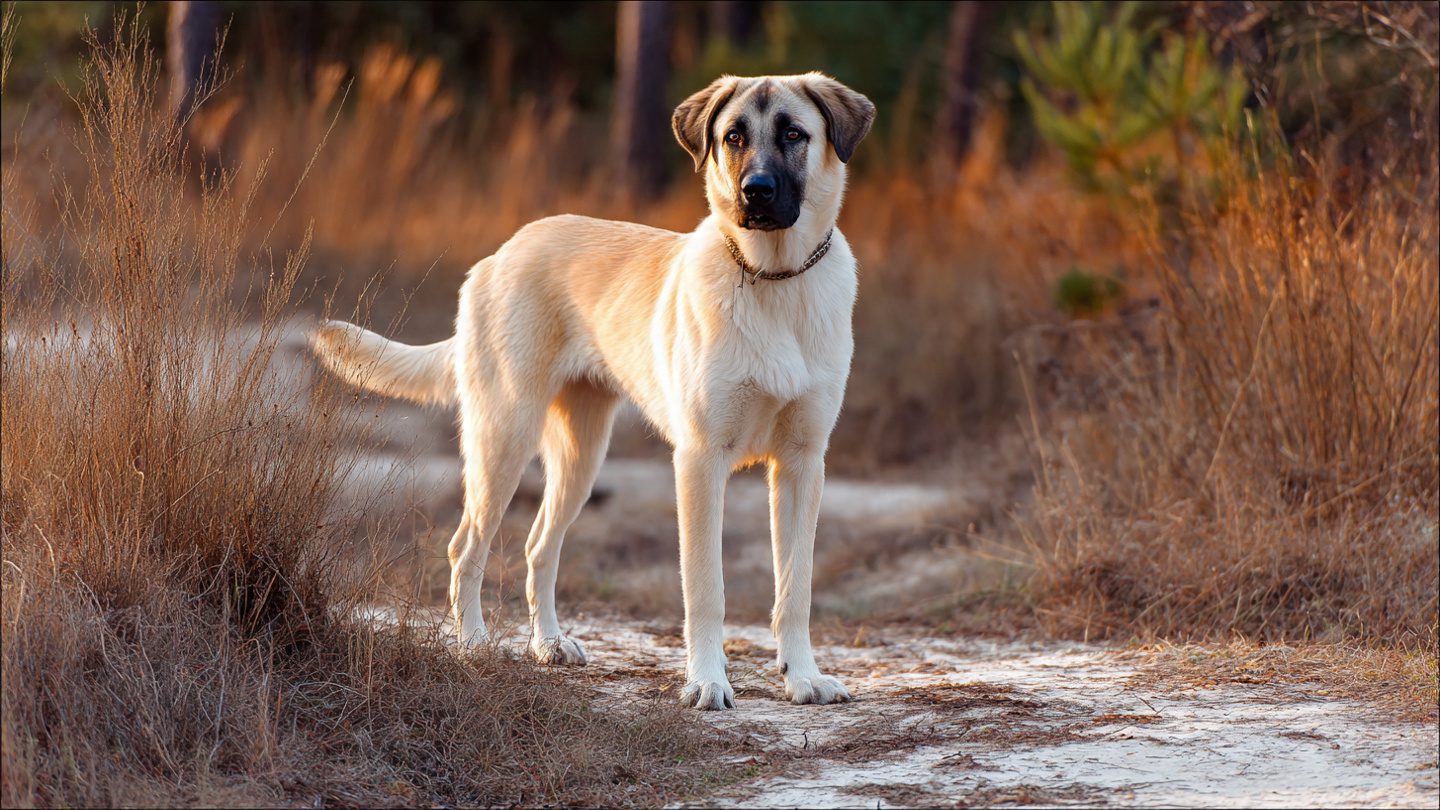
The Anatolian Shepherd Dog is a powerful, intelligent, and ancient livestock guardian breed with deep roots in human history. Known also as the Anatolian Shepherd Dog, this breed combines independence, loyalty, and unmatched protective instincts. The Anatolian Shepherd Dog has been trusted for centuries to guard flocks against predators in harsh environments. Beginners admire its calm confidence, while professionals respect its working ability and mental strength. In this guide, the Anatolian Shepherd Dog is explained in a clear, structured, and educational way. The goal is to help new owners, breeders, and trainers understand this exceptional guardian breed.
Ancient Breed Origins
The Anatolian Shepherd Dog originates from the Anatolian Plateau of modern-day Turkey. This region is known for extreme climates, wide open land, and strong predator presence. Over thousands of years, only the strongest and smartest dogs survived. The breed was shaped by function, not appearance, which explains its natural health and balance. The Anatolian Shepherd Dog worked independently, often far from human supervision. This historical background explains the breed’s strong instincts and independent thinking.
Cultural Working Heritage
The Anatolian Shepherd Dog was never a household pet in its original role. It lived among livestock and made decisions without human guidance. Shepherds valued courage, intelligence, and calm behavior above all else. Aggression without reason was never tolerated. This cultural selection created a stable and trustworthy guardian. Understanding this heritage is essential for modern owners.
Physical Breed Traits
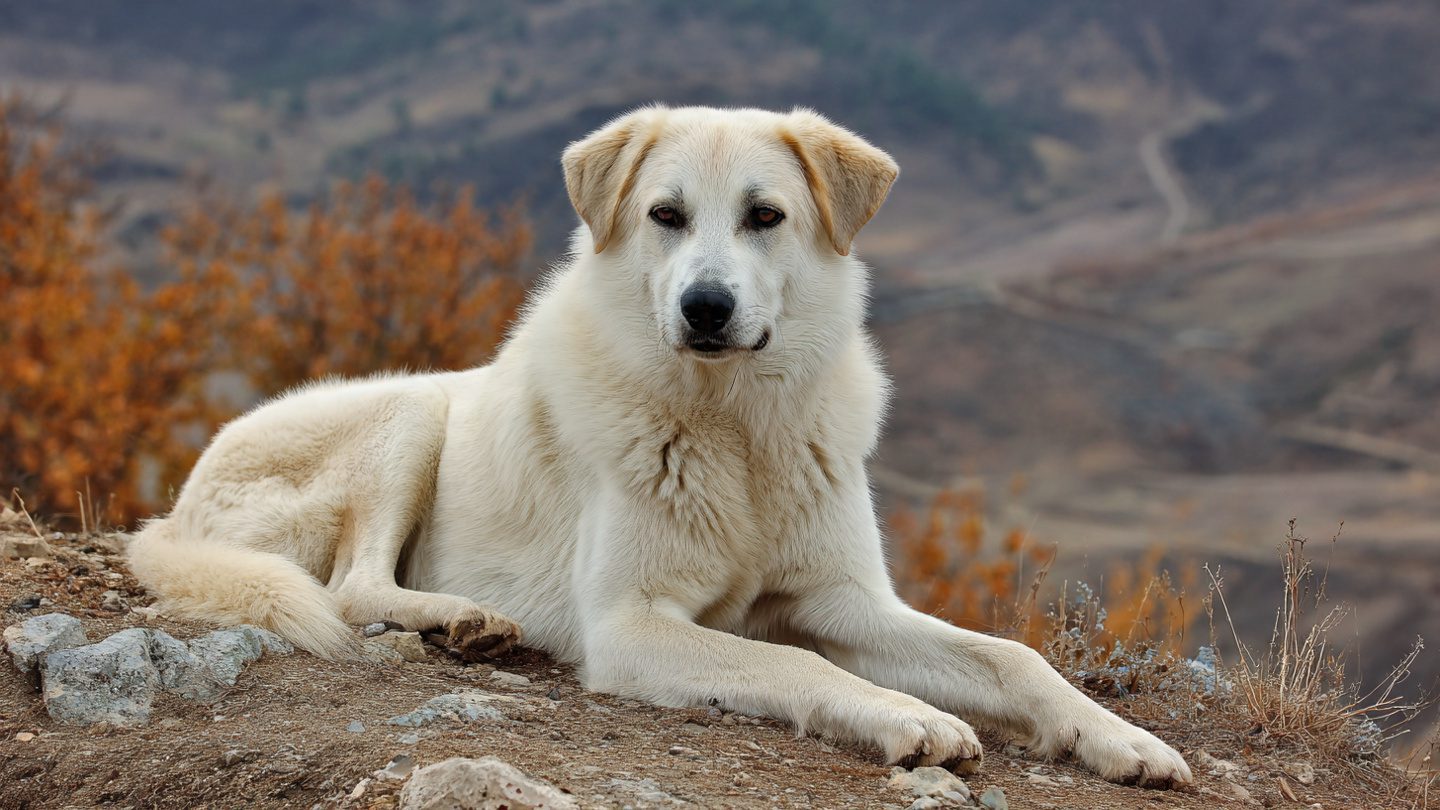
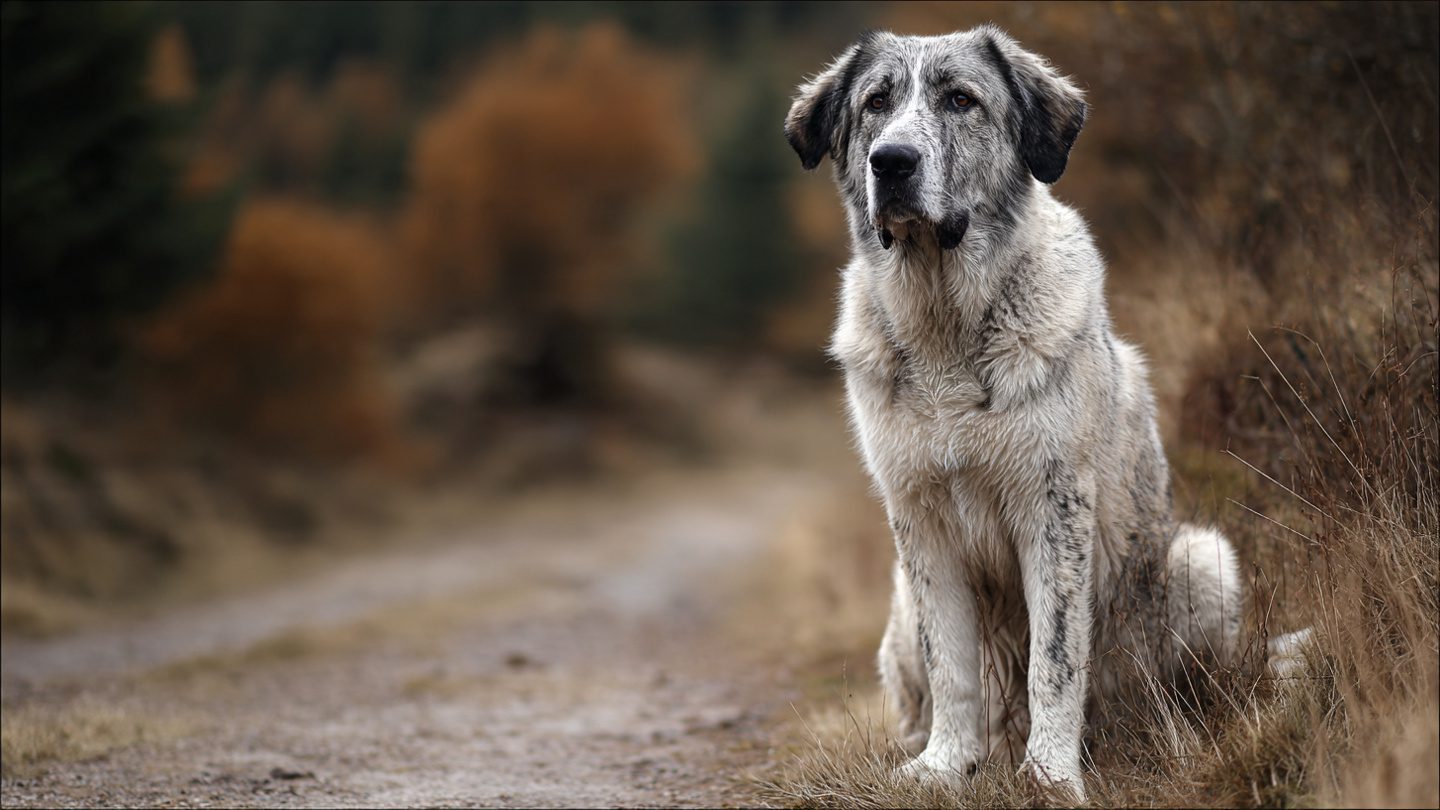
The Anatolian Shepherd Dog is a large, muscular, and athletic breed. Adult males can exceed 150 pounds while maintaining agility. The body is balanced, not bulky, allowing long hours of movement. The coat is dense and weather-resistant, suitable for cold winters and hot summers. Color variations include fawn, brindle, and white, often with a black mask. These physical traits directly support the breed’s working purpose.
Strength And Endurance
Endurance is one of the Anatolian Shepherd Dog’s most impressive traits. The breed can patrol large territories for hours without fatigue. Strong bones and joints allow it to confront predators confidently. Despite its size, movement is smooth and efficient. This efficiency conserves energy over long periods. Such physical endurance is rare among large breeds.
Temperament And Personality
The Anatolian Shepherd Dog is calm, observant, and deeply loyal. It does not seek constant attention or approval. Instead, it prefers meaningful interaction and clear leadership. The breed is naturally protective but not reckless. Suspicion toward strangers is normal and appropriate. Proper socialization ensures balanced behavior.
Guardian Mentality
The guardian mindset defines the Anatolian Shepherd Dog. It evaluates threats before reacting. Barking is purposeful, not excessive. When action is required, the response is decisive. This mental stability makes the breed reliable in high-pressure situations. Owners must respect this instinct and work with it, not against it.
Intelligence And Independence
The Anatolian Shepherd Dog is highly intelligent but not eager to please. It learns quickly yet questions commands that lack purpose. This independence often challenges inexperienced owners. Training requires patience, consistency, and mutual respect. Harsh methods damage trust and effectiveness. When trained correctly, the breed becomes exceptionally reliable.
Decision Making Skills
Unlike many breeds, the Anatolian Shepherd Dog is bred to make decisions alone. This skill is essential for livestock protection. The dog assesses risk, distance, and behavior before acting. This advanced judgment separates it from typical obedience breeds. Professionals value this trait in working environments. Beginners must learn to guide rather than control.
Training Best Practices
Training an Anatolian Shepherd Dog should begin early and continue throughout life. Early socialization builds confidence and reduces fear-based reactions. Clear boundaries help the dog understand expectations. Short, purposeful sessions are more effective than repetitive drills. Positive reinforcement strengthens cooperation. Training should always respect the dog’s intelligence.
Common Training Mistakes
One common mistake is treating the Anatolian Shepherd Dog like a traditional pet breed. Overuse of commands creates resistance. Inconsistent rules confuse the dog. Lack of mental stimulation leads to boredom. Another mistake is underestimating the need for leadership. Proper guidance prevents behavioral issues.
Health And Longevity
The Anatolian Shepherd Dog is generally a healthy and robust breed. Natural selection contributed to strong genetics. Common issues may include hip dysplasia and thyroid conditions. Responsible breeding reduces these risks. Regular veterinary care supports long-term health. The average lifespan ranges from 11 to 15 years.
Preventive Care
Preventive care is essential for large working breeds. A balanced diet supports joint health. Weight management reduces stress on bones. Regular exercise maintains muscle tone. Annual health screenings detect early issues. Prevention is always more effective than treatment.
Nutrition And Feeding
The Anatolian Shepherd Dog requires high-quality nutrition tailored to its size and activity level. Protein supports muscle development and maintenance. Fat provides energy for long patrols. Overfeeding must be avoided to prevent obesity. Feeding schedules should remain consistent. Clean water must always be available.
Working Dog Diet
A working Anatolian Shepherd Dog burns significant energy. Diets should reflect workload and environment. Seasonal adjustments may be necessary. Supplements may support joint health under veterinary guidance. Raw or commercial diets can both be effective. The key is balance and consistency.
Living Environment
The Anatolian Shepherd Dog thrives in open spaces. Large yards or rural environments are ideal. Apartment living is not recommended. Secure fencing is essential to prevent roaming. The breed needs a job or purpose. Without it, frustration may develop.
Family Integration
With proper training, the Anatolian Shepherd Dog can integrate into family life. It is gentle with children it knows. Supervision is always recommended due to size. The breed bonds deeply with its household. Clear rules help maintain harmony. Respect earns loyalty.
Working Roles Today
The Anatolian Shepherd Dog remains a premier livestock guardian worldwide. Farmers value its effectiveness against wolves and coyotes. Conservation programs use the breed to reduce predator conflict. This role protects both livestock and wildlife. The breed adapts well to modern challenges. Its relevance continues to grow.
Professional Use
Professionals appreciate the Anatolian Shepherd Dog’s reliability. Minimal supervision is required once trained. The dog works independently but remains responsive. This balance is rare and valuable. Professional handlers respect the breed’s autonomy. Mutual trust defines success.
Breed Suitability
The Anatolian Shepherd Dog is not suitable for everyone. It requires experienced handling and clear leadership. First-time owners must commit to learning. The breed rewards dedication with loyalty and protection. Mismatched expectations lead to problems. Honest self-assessment is crucial.
Summary
The Anatolian Shepherd Dog is a remarkable guardian breed with ancient roots and modern relevance. Its intelligence, independence, and loyalty set it apart. This breed demands respect, structure, and understanding. When these needs are met, the Anatolian Shepherd Dog excels in both working and family roles. Beginners benefit from education and patience. Professionals continue to rely on this breed’s unmatched capabilities.
American Wirehair — The Beloved Cat Breed
FAQ
Is the Anatolian Shepherd Dog aggressive? The Anatolian Shepherd Dog is not aggressive by nature. It is protective and alert, which can be misunderstood. Proper socialization reduces unnecessary suspicion. Aggression usually results from poor handling. The breed prefers calm control over conflict. Understanding behavior prevents mislabeling.
Is the Anatolian Shepherd Dog good with children? The Anatolian Shepherd Dog can be excellent with children in its family. It is naturally gentle and tolerant. Supervision is important due to size and strength. Early exposure improves behavior. Respectful interaction is essential. Trust develops over time.
How much exercise does the Anatolian Shepherd Dog need? The Anatolian Shepherd Dog needs regular but not excessive exercise. Mental stimulation is as important as physical activity. Free movement in secure areas is ideal. Forced running is unnecessary. Purposeful activity satisfies instincts. Balance prevents stress.
What Is the American Cocker Breed? Complete Guide to the Beloved American Cocker Spaniel
Call To Action
If you are considering an Anatolian Shepherd Dog, invest time in learning. Respect the breed’s history and instincts. Seek reputable breeders or working lines. Commit to responsible ownership. Share this guide with others interested in guardian breeds. Knowledge ensures success.






