
 Befrey
If you are searching for How to Care for the Birman Cat Breed, you are likely already captivated by its deep blue eyes and silky coat. Many cat lovers ask how to properly care for the Sacred Cat of Burma because this elegant breed combines beauty, affection, and gentle intelligence. Understanding how to care for the Birman cat breed requires knowledge of its history, personality, grooming needs, nutrition, and long-term health management. The Birman is not just another long-haired cat. It has specific emotional and physical needs that must be respected. In this complete guide, you will learn everything necessary to master How to Care for the Birman Cat Breed, whether you are a first-time owner or an experienced feline professional.
Birman Cat Origins
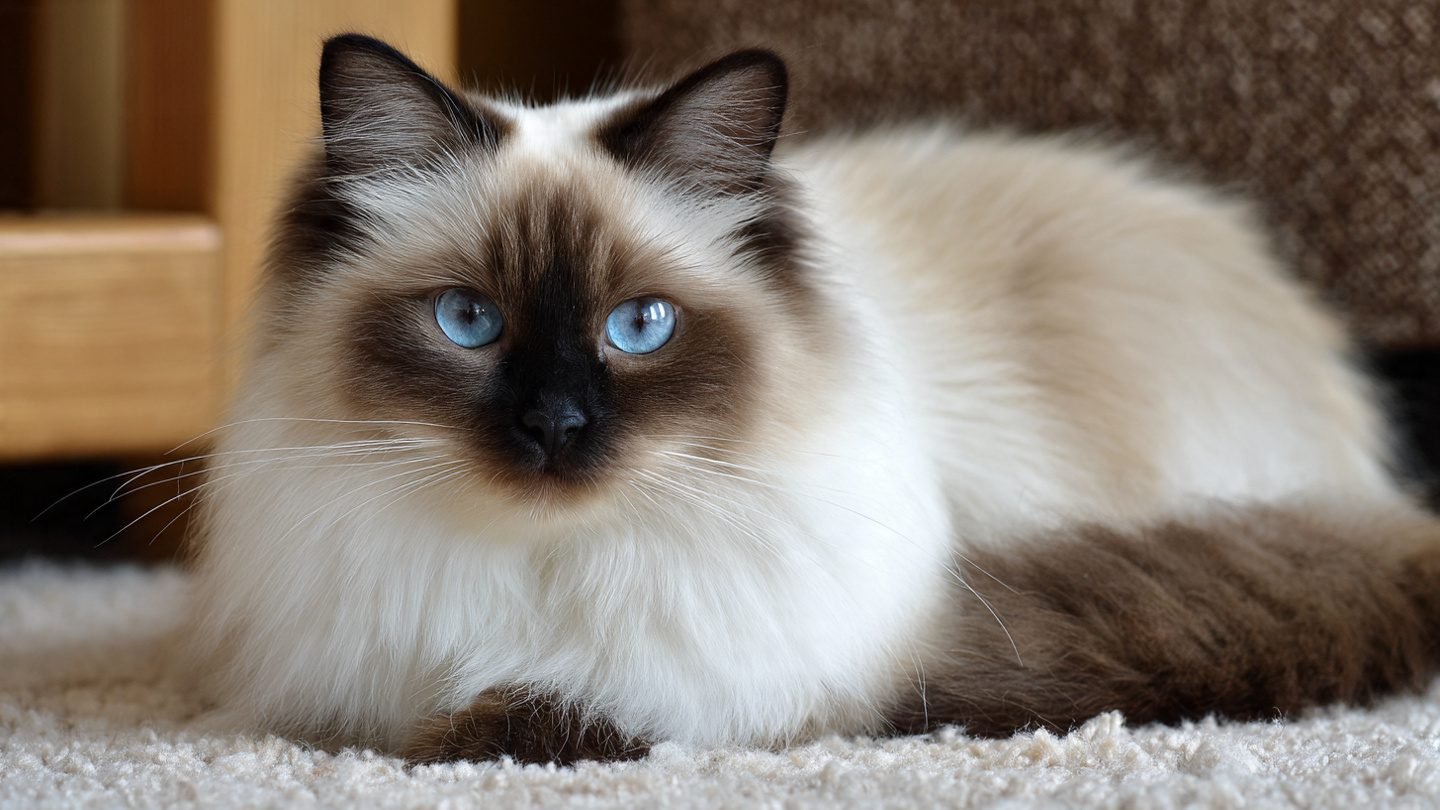
The Birman, also known as the Sacred Cat of Burma, has a legendary background. According to tradition, these cats lived in temples and were companions to priests. While the romantic story adds mystique, modern Birman cats were carefully developed in Europe during the early 20th century. They became recognized as a distinct breed with clear standards.
The breed is known for its color-point coat pattern. This means the body is lighter while the face, ears, paws, and tail are darker. One defining feature is the white “gloves” on each paw. These gloves must be symmetrical in show-quality cats. Their striking sapphire-blue eyes are another signature trait.
Understanding the origins helps you appreciate their temperament. Birmans were bred for companionship. They are not wild hybrids. They are domestic cats with stable and affectionate personalities. When studying How to Care for the Birman Cat Breed, knowing its background provides important context for its calm yet social nature.
Birman Personality Traits
Birmans are gentle, affectionate, and people-oriented. They thrive on companionship. Unlike highly independent breeds, Birmans enjoy being near their owners. They often follow family members from room to room. However, they are not overly demanding.
Their temperament is balanced. They are playful but not hyperactive. They are vocal but not loud. This makes them suitable for families, singles, and people older than 70. They adapt well to indoor living. Their calm demeanor also makes them good companions for other pets.
Social interaction is crucial. A Birman left alone for long periods may become lonely. Mental stimulation is important. Simple toys, interactive play, and regular attention keep them emotionally healthy. Learning How to Care for the Birman Cat Breed begins with understanding this emotional sensitivity.
Birman Grooming Routine
One of the most common concerns about Birmans involves grooming. Their semi-long coat looks high-maintenance, but it is surprisingly manageable. Unlike some long-haired breeds, Birmans lack a dense undercoat. This means less matting.
Weekly brushing is usually enough. Use a soft-bristle brush or a stainless-steel comb. Regular grooming removes loose hair and reduces shedding. During seasonal changes, brushing may need to increase to two or three times per week.
Pay attention to hygiene areas. Check ears for debris. Trim nails every few weeks. Maintain dental hygiene with regular brushing or dental treats. Grooming sessions also strengthen the bond between cat and owner. When exploring How to Care for the Birman Cat Breed, consistent grooming is essential for coat health and overall well-being.
Birman Nutrition Needs
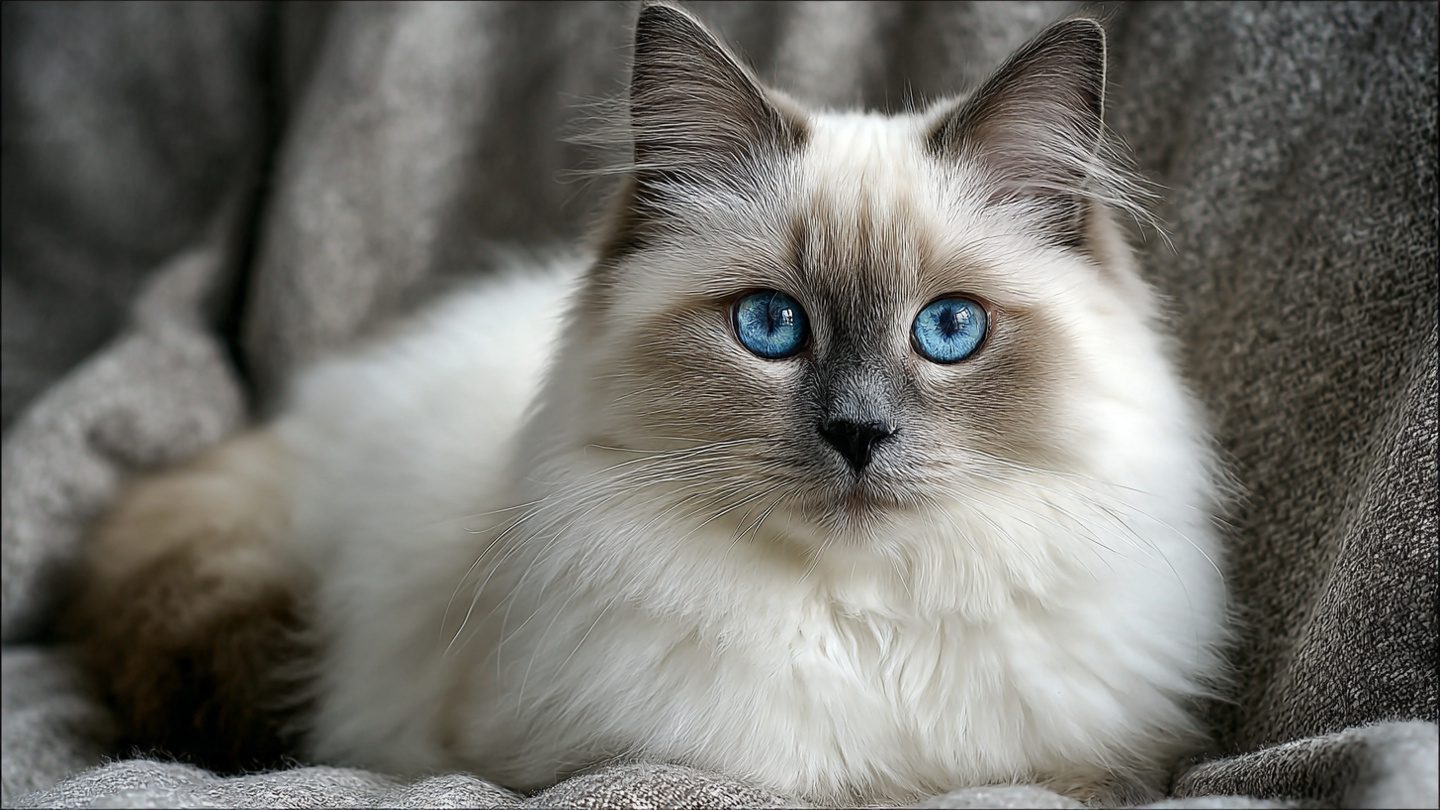
A balanced diet is fundamental. Birmans require high-quality protein to maintain muscle tone and coat health. Choose food where real meat is the primary ingredient. Avoid excessive fillers or artificial additives.
Portion control prevents obesity. While Birmans are not as hyperactive as some breeds, they still need regular exercise. Monitor weight and adjust feeding amounts accordingly. Fresh water should always be available.
Some owners prefer wet food for hydration benefits. Others combine wet and dry food. The key is nutritional balance. Consult a veterinarian for age-specific dietary recommendations. Proper nutrition plays a central role in mastering How to Care for the Birman Cat Breed effectively.
Birman Health Care
Birmans are generally healthy. However, they can be predisposed to certain genetic conditions. Responsible breeders screen for hereditary diseases. Regular veterinary checkups are essential.
Vaccinations and parasite prevention follow standard feline protocols. Routine blood work in adult and senior cats helps detect issues early. Dental health must not be ignored. Periodontal disease can affect overall health.
Spaying or neutering is recommended unless you are a responsible breeder. Preventative care extends lifespan and quality of life. With proper health management, Birmans often live between 12 and 16 years or longer. A proactive approach defines responsible ownership and reflects true understanding of How to Care for the Birman Cat Breed.
Birman Living Environment
Birmans are indoor-oriented cats. They adapt well to apartment living. However, they still need enrichment. Provide scratching posts and climbing structures. While not extreme climbers, they enjoy moderate vertical spaces.
Safe windows with secure screens allow them to observe the outside world. Mental stimulation prevents boredom. Rotate toys regularly to maintain interest. Interactive play strengthens trust.
Avoid chaotic environments. Birmans prefer calm households. Loud noises or constant disruption may cause stress. Creating a stable home environment is a crucial step in learning How to Care for the Birman Cat Breed successfully.
Birman Training Basics
Training a Birman is easier than many expect. They are intelligent and eager to please. Positive reinforcement works best. Reward-based training builds confidence.
Litter box training is typically simple. Birmans are clean by nature. Provide a quiet and accessible litter area. Consistency matters.
Some Birmans learn simple commands. Teaching “come” or basic tricks adds mental stimulation. Training sessions should be short and enjoyable. Structured interaction enhances their social bond and improves behavioral outcomes.
Birman Emotional Care
Emotional care is often overlooked. Birmans are deeply attached to their humans. They may become stressed if ignored. Quality time matters more than quantity.
Provide daily affection. Gentle petting sessions reduce anxiety. Observe behavioral changes. Sudden withdrawal or aggression may indicate stress or illness.
Consider adopting two cats if your schedule is demanding. Companionship prevents loneliness. Emotional stability is a central element when understanding How to Care for the Birman Cat Breed in a holistic way.
Summary
Learning How to Care for the Birman Cat Breed means understanding both physical and emotional needs. The Sacred Cat of Burma is affectionate, gentle, and adaptable. It requires moderate grooming, balanced nutrition, preventative healthcare, and meaningful social interaction. Birmans thrive in calm homes with consistent routines. With proper care, they reward their owners with loyalty and loving companionship for many years.
Afghan Hound – A Noble Breed with Timeless Elegance
The Airedale Terrier: King of Terriers and Loyal Family Dog
The Akita Inu Dog Breed: A Complete Guide to Japan’s Loyal Guardian
FAQ
How to Care for the Birman Cat Breed properly as a beginner?
Start with balanced nutrition, weekly grooming, regular vet visits, and daily interaction.
Are Birmans high-maintenance cats?
They require moderate grooming and consistent emotional attention but are not overly demanding.
Do Birmans get along with children?
Yes, they are gentle and patient when treated respectfully.
How often should I brush a Birman?
Once a week is usually sufficient, more during seasonal shedding.
Are Birman cats good indoor pets?
Yes, they adapt very well to indoor environments.
Call to Action
If you are ready to welcome a Birman into your life, prepare your home with love, patience, and knowledge. Share this guide with fellow cat enthusiasts who want to understand How to Care for the Birman Cat Breed responsibly and confidently.






