
 Befrey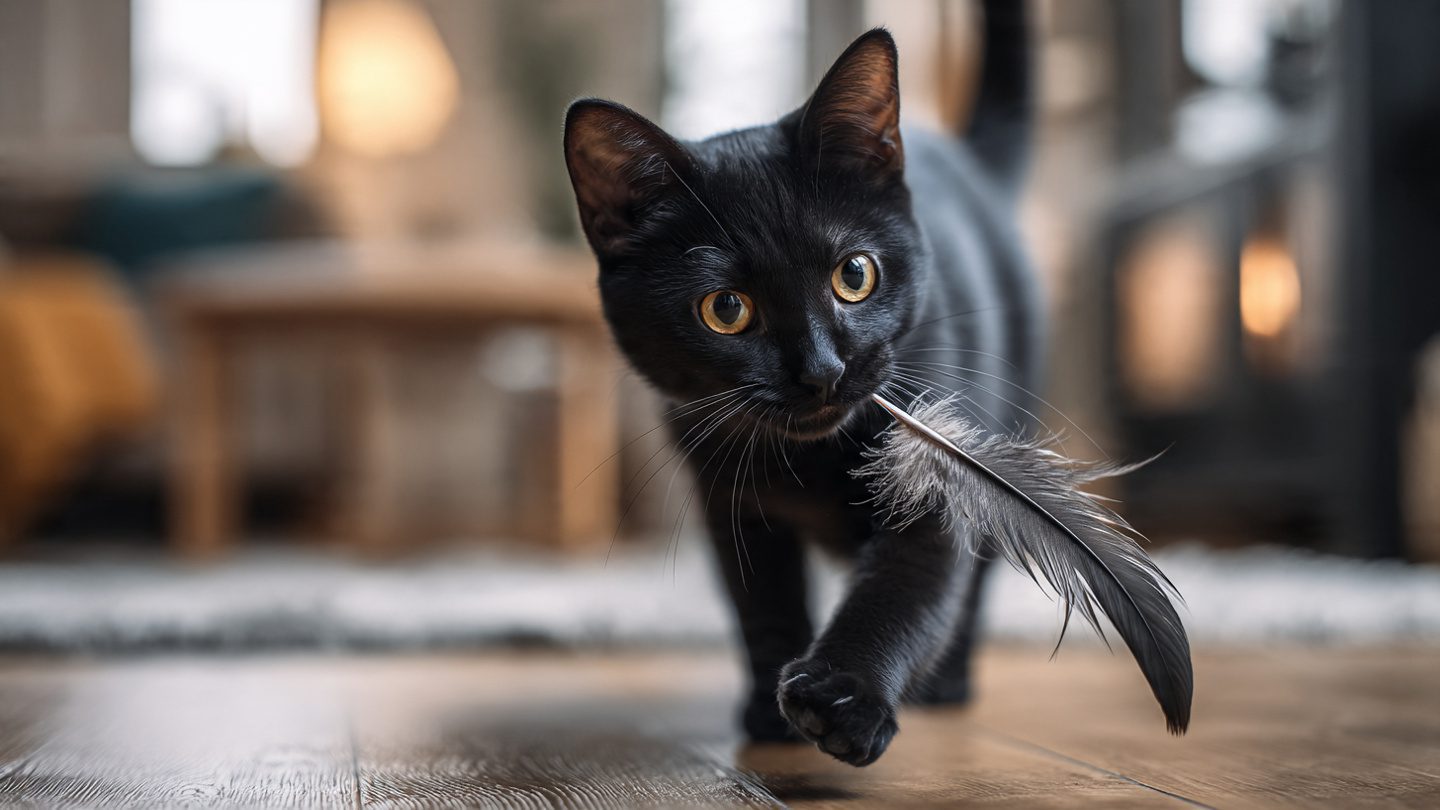
If you are asking What is the Bombay Cat Breed?, you are likely captivated by the image of a sleek black cat with glowing copper eyes. Many people search for what is the Bombay Cat Breed because this feline looks like a miniature panther but behaves like a loving house companion. The question What is the Bombay Cat Breed? goes beyond appearance. It involves understanding its history, genetics, personality, health, and care requirements. The Bombay cat is not a wild animal. It is a carefully developed domestic breed designed to combine elegance, intelligence, and affection. In this complete guide, you will discover exactly what defines the Bombay cat, how it differs from other black cats, and why it continues to fascinate both beginners and professional breeders.
Bombay Cat Origins
The Bombay cat is a relatively modern breed. It was developed in the United States during the 1950s. A breeder named Nikki Horner wanted to create a cat that resembled a black panther but had the temperament of a gentle domestic companion. She crossed a sable Burmese with a black American Shorthair. The goal was very specific. She wanted a cat with a jet-black coat, copper eyes, and a muscular yet compact body.
After years of selective breeding, the Bombay cat was officially recognized as a distinct breed. The name “Bombay” was chosen to evoke the image of the black leopard of India. However, the breed has no direct connection to India. It is entirely American in origin. Understanding this background helps answer the question, What is the Bombay Cat Breed?, because it shows that this cat was intentionally designed for both beauty and temperament.
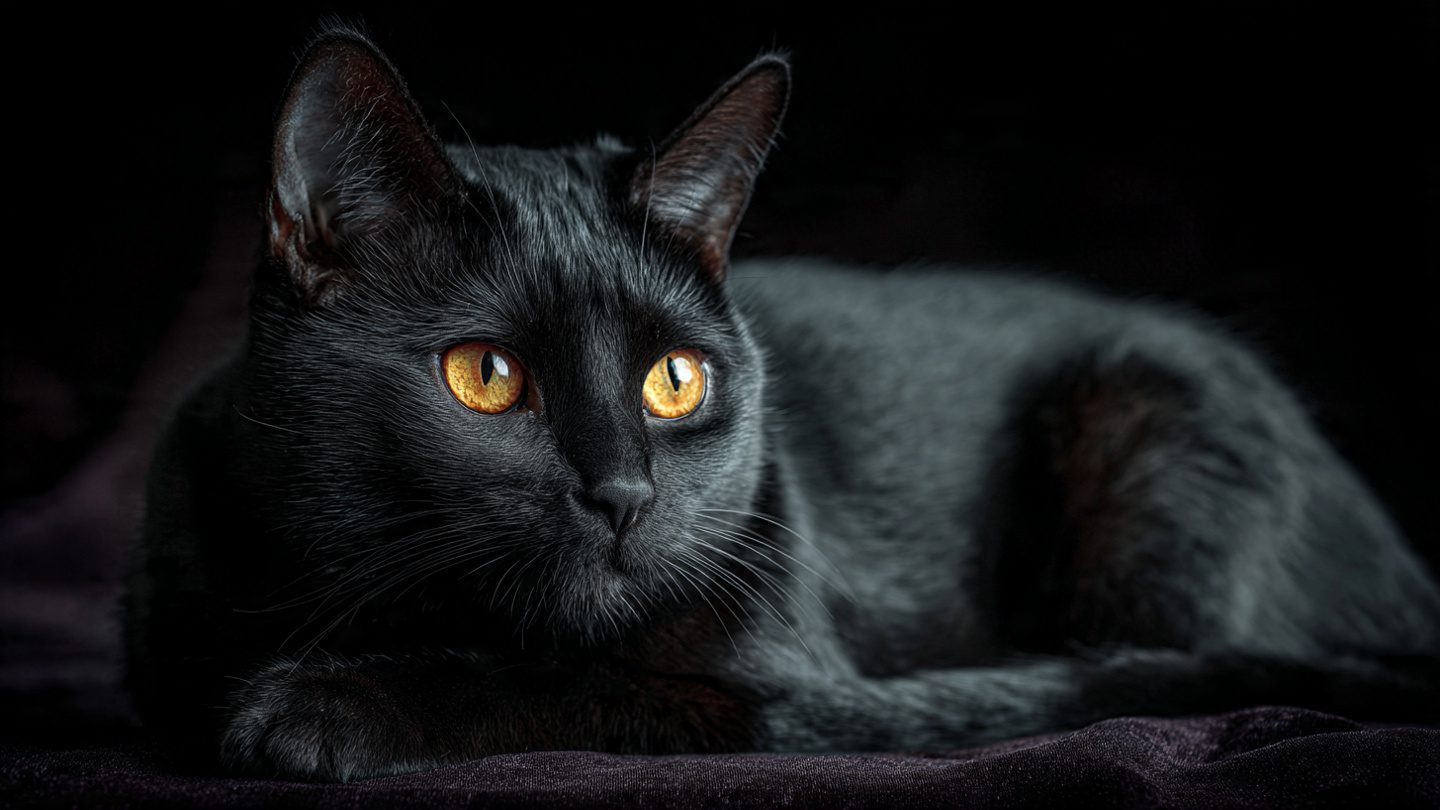
Unlike random black cats, the Bombay has strict breed standards. The coat must be uniformly black from root to tip. The paw pads and nose leather must also be black. The eyes are typically copper or deep gold. These physical traits are not accidental. They are the result of careful genetic planning.
Physical Characteristics
The Bombay cat is medium-sized but surprisingly muscular. It has a solid build. When you lift a Bombay, it feels heavier than it looks. This density comes from strong muscle structure rather than excess fat. The body is compact, with a broad chest and straight back.
The coat is one of the most defining features. It is short, tight, and glossy. Many describe it as lacquered or patent-leather-like. The shine enhances the panther resemblance. There are no visible stripes, markings, or color variations. True Bombay cats are solid black.
The eyes are round and expressive. Their copper or golden color creates a dramatic contrast against the black fur. This visual effect is powerful. It is often the reason people begin researching What is the Bombay Cat Breed? The combination of coat, eyes, and body shape makes the Bombay unique among domestic cats.
Bombay Cat Personality
Understanding temperament is crucial when asking, What is the Bombay Cat Breed? The Bombay is affectionate and people-oriented. It thrives on companionship. Many owners describe it as a “Velcro cat” because it loves staying close to its human family.
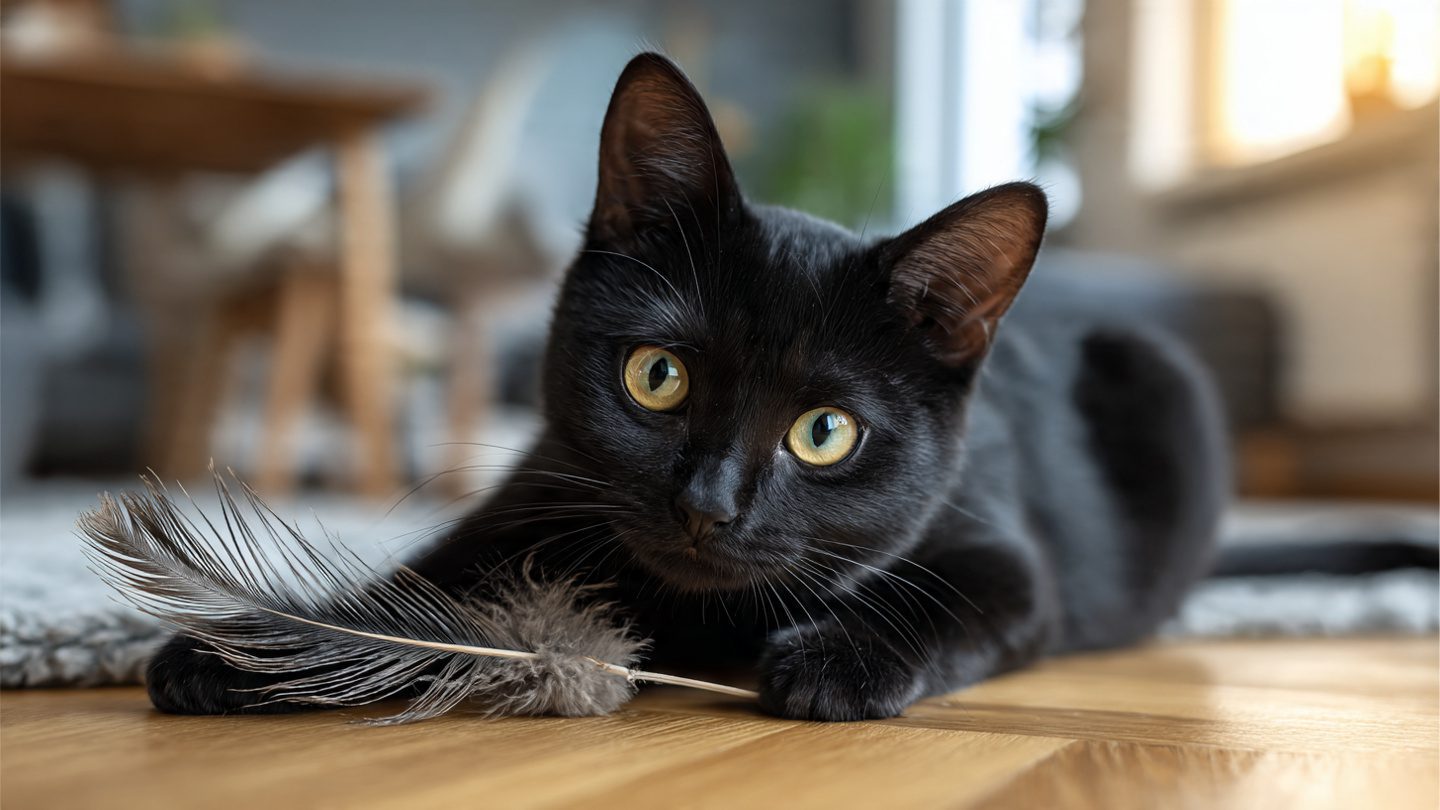
Bombays are intelligent. They enjoy interactive play and mental stimulation. Puzzle toys and games keep them engaged. Despite their playful side, they are not overly hyperactive. They adapt well to apartment living and indoor environments.
They are also known for their social nature. Bombays often greet guests at the door. They may even learn simple tricks. Their vocalizations are moderate. They communicate but are not excessively loud. This balance makes them suitable for families, singles, and even people older than 70. The Bombay’s affectionate yet calm personality is central to understanding What is the Bombay Cat Breed?
Care and Maintenance
Caring for a Bombay cat is relatively straightforward. Their short coat requires minimal grooming. Weekly brushing is enough to maintain shine and remove loose hairs. Because there is no thick undercoat, matting is rare.
Regular nail trimming is essential. Dental hygiene should not be ignored. Brushing teeth or providing dental treats supports long-term health. Clean ears gently when needed.
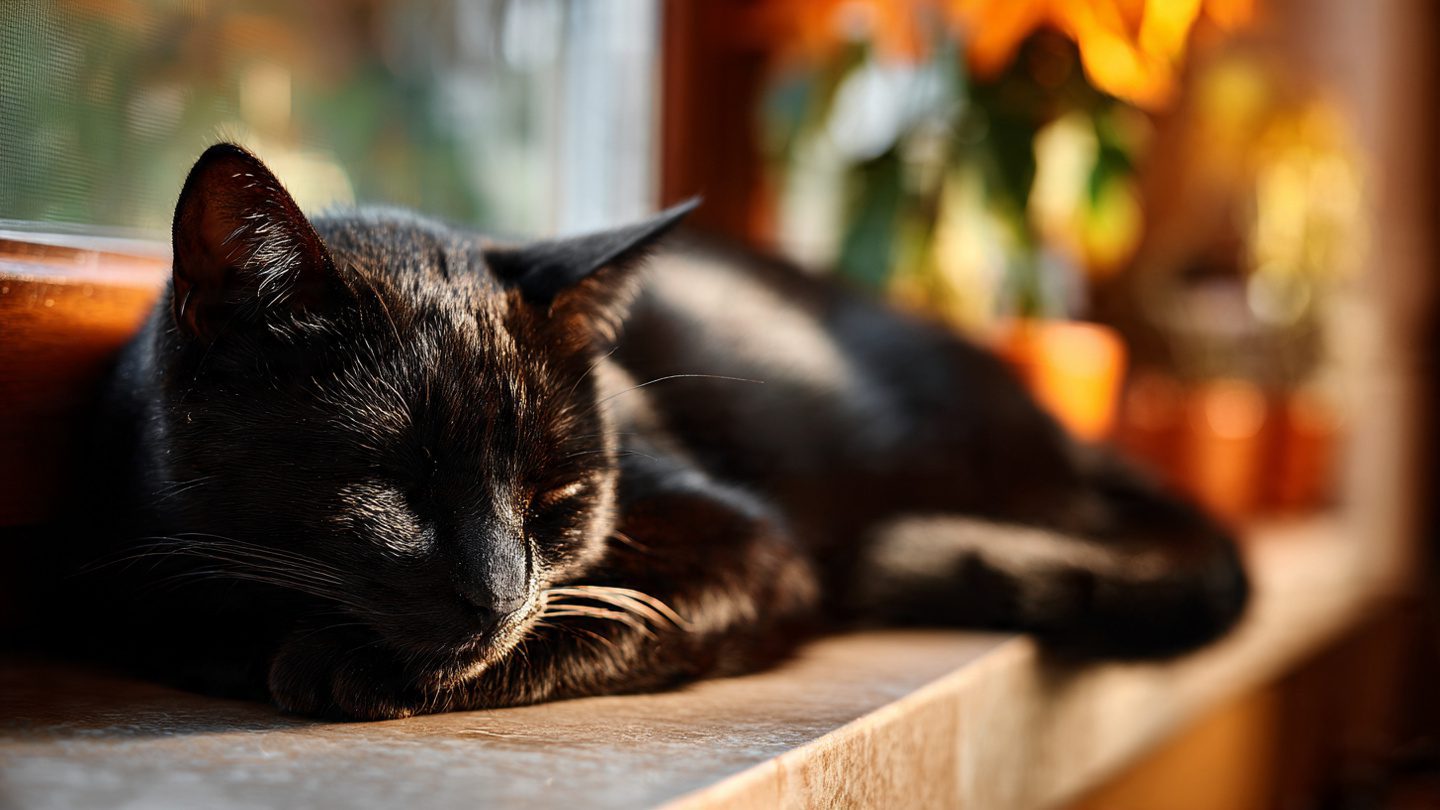
Bombays enjoy warmth. They often seek sunny windows or cozy blankets. Providing comfortable resting areas enhances their well-being. When learning What is the Bombay Cat Breed?, it becomes clear that while they are low-maintenance physically, they require emotional engagement and daily interaction.
Nutrition Requirements
A balanced diet is vital. Bombays are muscular and active. They need high-quality animal protein. Choose cat food where meat is the primary ingredient. Avoid excessive fillers and artificial additives.
Portion control prevents weight gain. Although Bombays are playful, they can become sedentary if not stimulated. Monitor their body condition regularly. Fresh water must always be available.
Some owners combine wet and dry food. Wet food supports hydration. Dry food may help dental health. Consult a veterinarian for personalized feeding plans. Proper nutrition ensures coat shine and strong immunity. This nutritional understanding supports a complete answer to What is the Bombay Cat Breed?
Health Considerations
Bombays are generally healthy. However, they may inherit conditions from Burmese ancestry. Respiratory issues related to facial structure can occur in some lines. Responsible breeders screen for genetic health problems.
Regular veterinary checkups are important. Vaccinations and parasite prevention follow standard feline protocols. Early detection of illness improves outcomes.
Spaying or neutering is recommended for non-breeding pets. Preventative care extends lifespan. Many Bombays live 12 to 16 years or longer. Maintaining health is a critical part of understanding What is the Bombay Cat Breed?
Living Environment
Bombays are indoor cats. Their solid black coat does not offer camouflage outdoors. Indoor living protects them from accidents and disease. They adapt well to apartments and houses alike.
Provide interactive toys and scratching posts. Mental stimulation prevents boredom. Window perches allow safe observation of the outside world.
They generally get along well with other pets if introduced gradually. Their social personality helps them integrate into multi-pet households. A stable and loving environment allows the Bombay to thrive fully.
Training and Intelligence
Bombays are intelligent and responsive. Positive reinforcement works best. Reward-based training strengthens bonds. Many Bombays learn to fetch or respond to their name.
Consistency is key. Avoid harsh discipline. It damages trust. Short training sessions maintain engagement.
Because they crave human interaction, training doubles as emotional enrichment. Teaching tricks or commands keeps their minds active. This intellectual capacity is another essential element when answering What is the Bombay Cat Breed?
Summary
So, What is the Bombay Cat Breed? It is a sleek, jet-black domestic cat developed to resemble a miniature panther while offering affectionate companionship. Originating in the United States, the Bombay combines muscular elegance with a loving, social personality. It requires minimal grooming but significant emotional interaction. Proper nutrition, preventative healthcare, and indoor living ensure long-term health. The Bombay cat is both visually striking and deeply loyal, making it a remarkable addition to many homes.
FAQ
What is the Bombay Cat Breed known for?
It is known for its solid black coat, copper eyes, and panther-like appearance.
Are Bombay cats good family pets?
Yes. They are affectionate, social, and adaptable.
Do Bombay cats shed a lot?
No. Their short coat requires minimal grooming.
Are Bombays aggressive?
No. They are typically gentle and people-oriented.
How long do Bombay cats live?
Usually 12–16 years with proper care.
The Majestic Alaskan Malamute: A Complete Guide
American Bulldog: Everything You Need to Know About This Powerful Dog Breed
Call to Action
Are you fascinated by the panther-like elegance of the Bombay? Learn more, prepare your home, and consider adopting responsibly. Share this guide with anyone asking, What is the Bombay Cat Breed?, and help spread accurate, expert knowledge.






