
 Befrey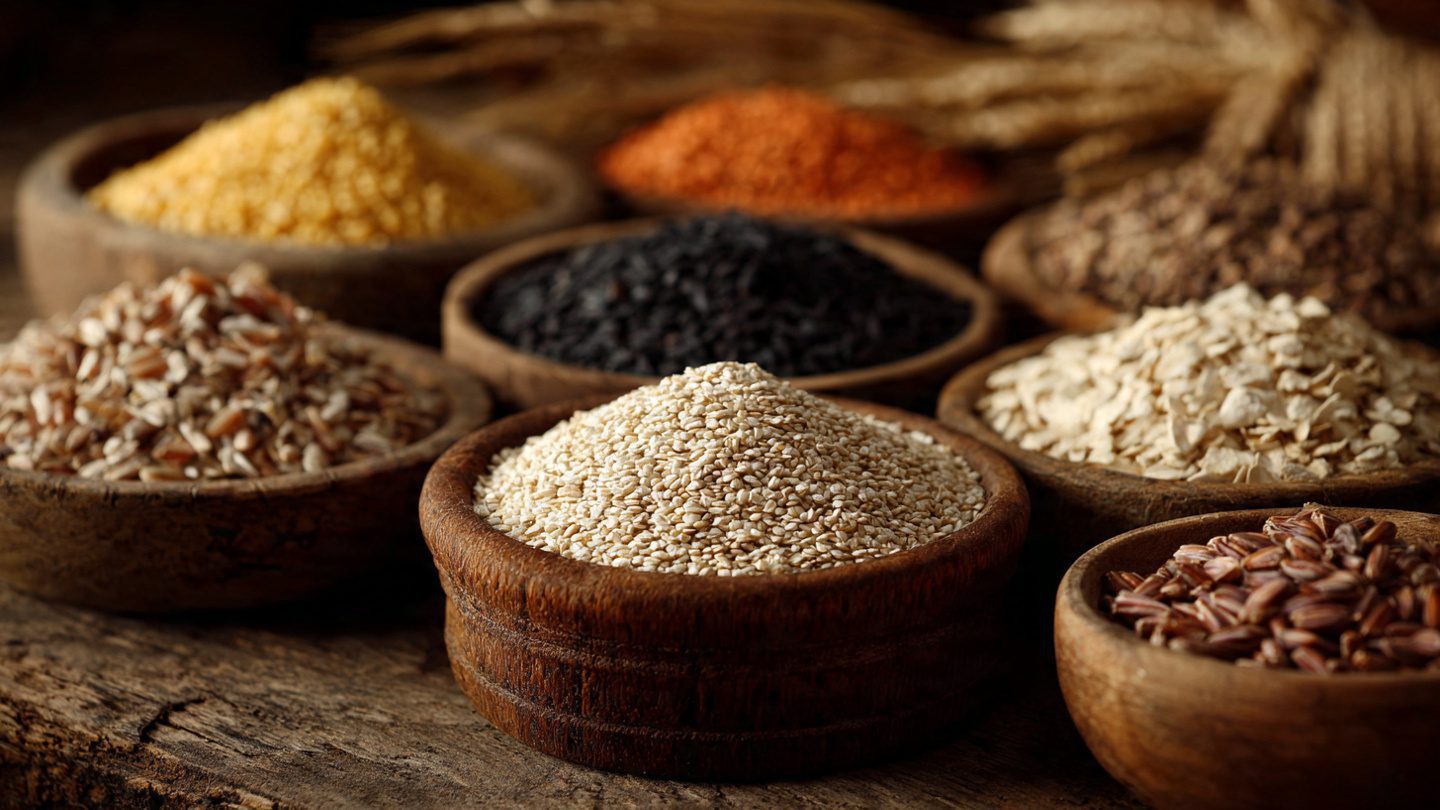
Why Should People Eat Grains? This question appears more often today than ever before. In a world filled with low-carb trends and diet confusion, many people wonder whether grains are beneficial or harmful. Understanding Why Should People Eat Grains? requires separating whole grains from refined products and examining their true nutritional value. When we ask why humans have relied on grains for thousands of years, we discover that they provide energy, fiber, essential vitamins, minerals, and powerful plant compounds. Exploring Why Should People Eat Grains? reveals how these foods support heart health, digestive balance, metabolic stability, and even longevity. This article explains the science clearly for beginners and deeply enough for professionals. By the end, you will not only understand the answer but also see grains in a completely new light.
Whole Grain Nutrition
Whole grains contain three main parts: the bran, the germ, and the endosperm. Each part provides unique nutrients. The bran contains fiber, antioxidants, and B vitamins. The germ contains healthy fats, vitamin E, and plant compounds. The endosperm provides carbohydrates and some protein.
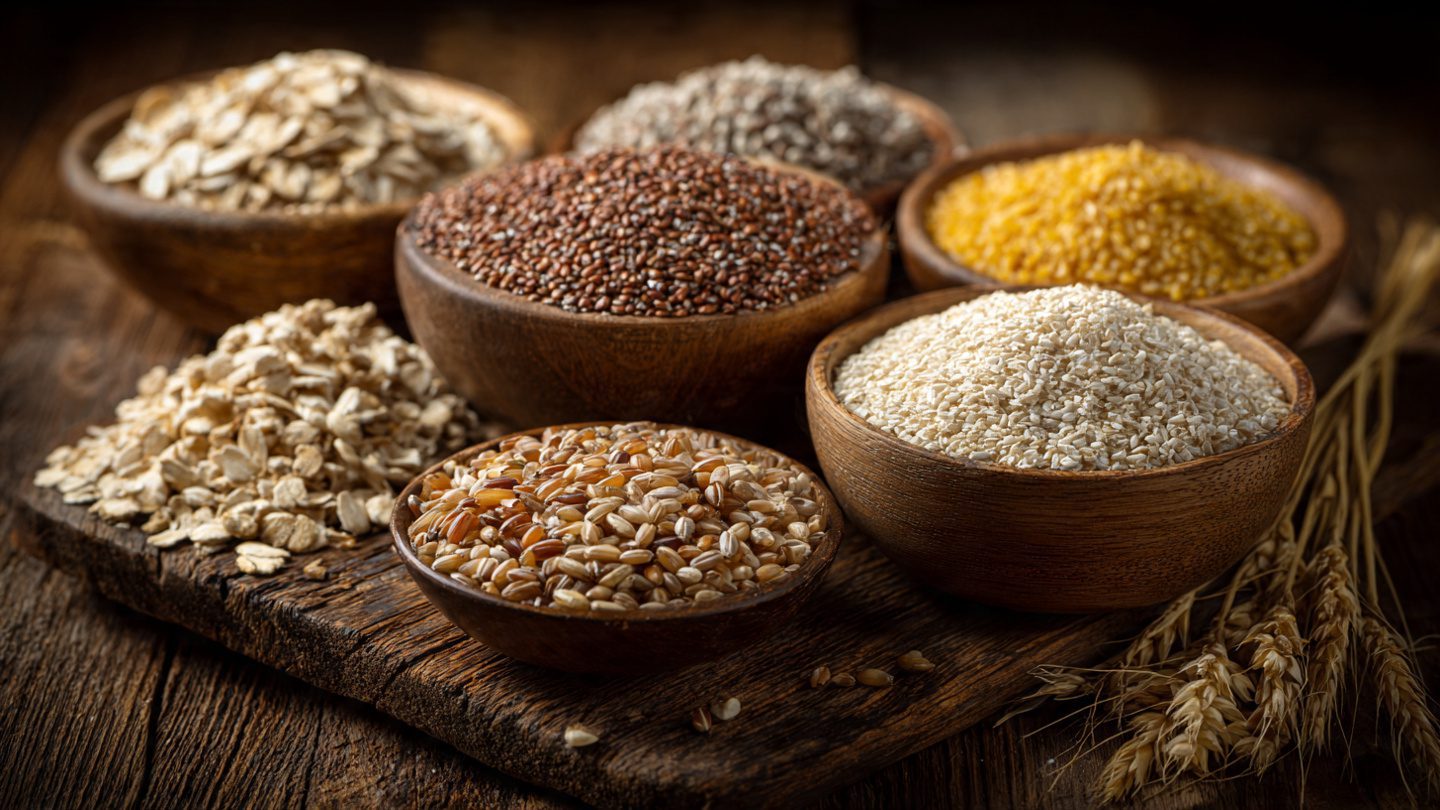
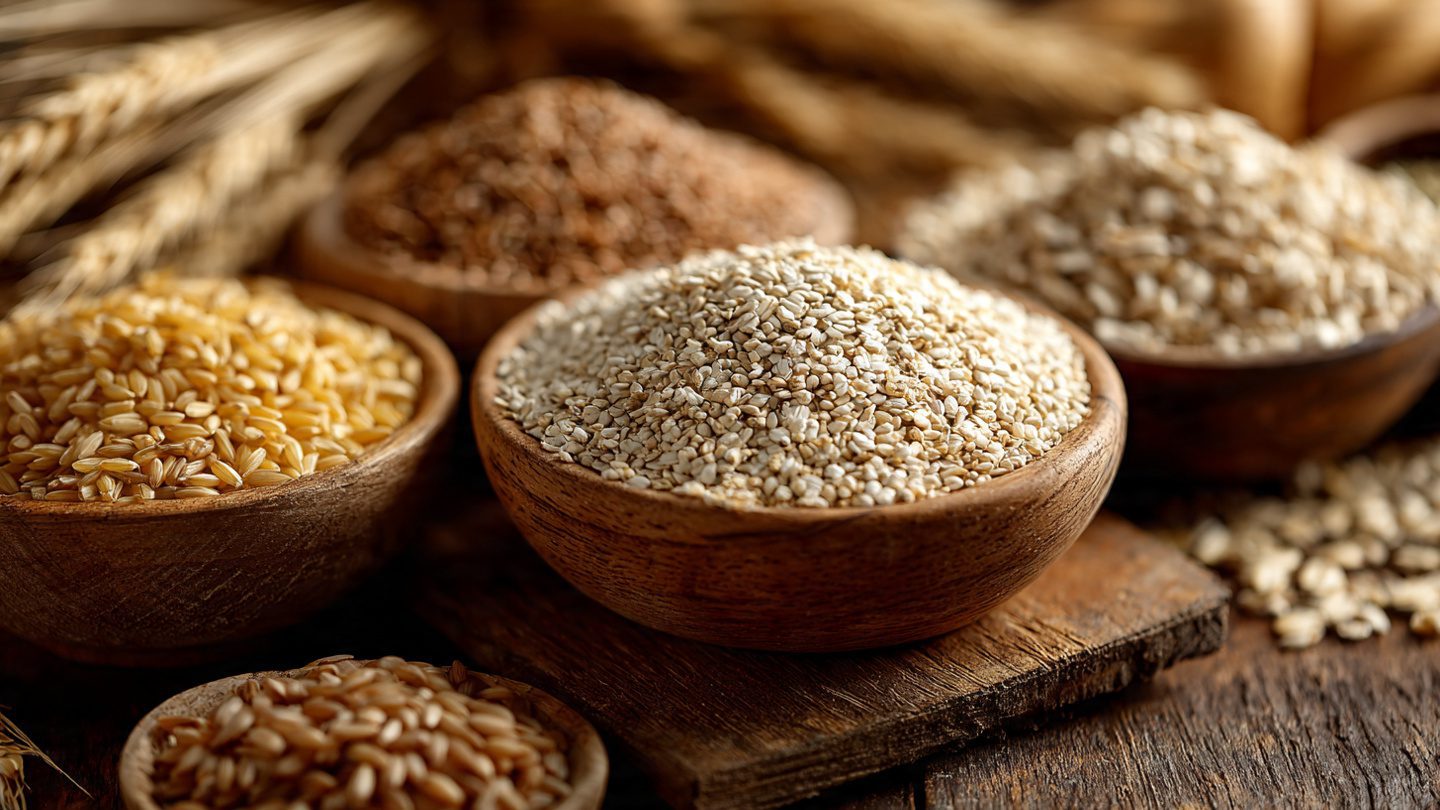
When grains are refined, the bran and germ are removed. This strips away most fiber and micronutrients. Whole grains, however, maintain their natural structure. This structure slows digestion and improves nutrient absorption. Whole wheat, oats, brown rice, quinoa, barley, and millet are examples of nutrient-dense whole grains.
Understanding Why Should People Eat Grains? begins with recognizing the difference between whole and refined grains. Whole grains provide complex carbohydrates that release energy gradually. They support stable blood sugar and long-lasting satiety. For beginners, this means fewer energy crashes. For professionals, this means improved glycemic control and metabolic resilience.
Sustainable Energy Source
Carbohydrates are the body’s primary fuel source. The brain relies heavily on glucose for optimal function. Whole grains provide complex carbohydrates that break down slowly. This slow breakdown prevents rapid spikes and crashes in blood sugar levels.
Athletes, students, and professionals benefit from stable energy. Unlike refined sugars, whole grains sustain performance over time. They provide glycogen replenishment for muscles. They also contain B vitamins that help convert food into usable energy.
When examining Why Should People Eat Grains?, energy metabolism is central. Removing grains without careful planning may reduce carbohydrate intake below optimal levels. Balanced grain consumption supports endurance, mental clarity, and daily productivity.
Digestive Health Benefits
Fiber is one of the most overlooked nutrients in modern diets. Whole grains are rich in dietary fiber. Fiber adds bulk to stool and supports regular bowel movements. It also feeds beneficial gut bacteria. These bacteria produce short-chain fatty acids that nourish colon cells.
A healthy digestive system reduces inflammation. It improves nutrient absorption. It supports immune function. Whole grains contain both soluble and insoluble fiber. Soluble fiber helps lower cholesterol. Insoluble fiber prevents constipation and supports intestinal health.
Understanding Why Should People Eat Grains? includes recognizing their role in gut microbiome balance. A diverse microbiome strengthens immune resilience and metabolic health. For professionals, fiber fermentation and microbiota diversity are key areas of research. For beginners, the message is simple: whole grains help your digestive system function properly.
Heart Health Protection
Cardiovascular disease remains one of the leading global health concerns. Whole grains play a protective role. Fiber helps reduce LDL cholesterol. Lower LDL levels decrease plaque buildup in arteries. This improves blood flow and reduces heart attack risk.
Whole grains also contain magnesium and potassium. These minerals help regulate blood pressure. High blood pressure damages blood vessels over time. Antioxidants in grains reduce oxidative stress within arterial walls. Reduced oxidative stress supports vascular flexibility.
When discussing Why Should People Eat Grains?, heart health is a major factor. Long-term studies show that regular whole grain consumption is associated with lower cardiovascular mortality. Even small daily servings can have cumulative benefits over years.
Blood Sugar Regulation
Whole grains have a lower glycemic index compared to refined grains. This means they cause a slower rise in blood glucose levels. Stable glucose levels reduce insulin spikes. Over time, this lowers the risk of insulin resistance and type 2 diabetes.
Fiber slows carbohydrate absorption. Magnesium improves insulin sensitivity. Resistant starch in some grains supports metabolic flexibility. These combined effects improve glucose control.
Exploring Why Should People Eat Grains? from a metabolic perspective shows that whole grains are not the enemy of blood sugar. Refined carbohydrates are problematic. Whole grains, in balanced portions, promote glycemic stability and long-term metabolic health.
Weight Management Support
Whole grains promote satiety. Fiber and volume create fullness. Feeling full reduces unnecessary snacking. This supports weight control without restrictive dieting. Whole grains also require more chewing. This slows eating speed and enhances satisfaction signals.
Calorie control becomes easier when meals are satisfying. Diets that completely eliminate grains often become difficult to sustain. Sustainability is essential for long-term weight management. Whole grains provide balance rather than extremes.
Understanding Why Should People Eat Grains? includes recognizing that weight control is about quality, not elimination. Replacing refined grains with whole grains improves body composition outcomes. The goal is balance and consistency.
Brain Function and Mood
The brain consumes a significant portion of daily glucose. Stable glucose supply supports cognitive performance. Whole grains prevent rapid blood sugar fluctuations that may impair focus and mood.
B vitamins in grains support neurotransmitter production. Neurotransmitters regulate mood, concentration, and sleep. Deficiencies in B vitamins can lead to fatigue and irritability. Whole grains also contain iron, which supports oxygen delivery to the brain.
When considering Why Should People Eat Grains?, mental performance becomes part of the equation. Balanced carbohydrate intake improves mental endurance. Removing grains without proper substitution may negatively affect cognitive stability.
Longevity and Chronic Disease
Populations with high whole grain consumption often show lower rates of chronic disease. Chronic diseases include heart disease, diabetes, and certain cancers. Whole grains provide antioxidants and anti-inflammatory compounds that reduce cellular stress.
Inflammation and oxidative damage accelerate aging. Whole grains help counteract these processes. They support metabolic flexibility and stable energy systems. Long-term dietary patterns matter more than short-term trends.
Understanding Why Should People Eat Grains? connects to longevity science. Balanced grain consumption, combined with fruits, vegetables, legumes, and healthy fats, forms a protective dietary pattern that supports healthspan and lifespan.
Whole vs Refined Debate
The confusion around grains often arises from refined products. White bread, pastries, and sugary cereals lack fiber and micronutrients. These products contribute to metabolic instability. Whole grains, however, maintain structural integrity and nutritional value.
Education is crucial. Eliminating all grains due to refined grain problems is not evidence-based. Instead, choosing minimally processed whole grains maximizes benefits. Reading labels and understanding ingredient lists empower consumers.
Evaluating Why Should People Eat Grains? requires nuance. Quality determines outcome. Whole grains nourish. Refined grains often deplete.
Food Quality – Everything You Need to Know About Safe and Healthy Eating
Summary
Whole grains provide complex carbohydrates, fiber, vitamins, minerals, and antioxidants. They support energy metabolism, digestive health, cardiovascular protection, blood sugar regulation, weight management, and cognitive performance. The key distinction lies between whole and refined grains. Understanding Why Should People Eat Grains? empowers informed dietary decisions that enhance long-term health and resilience.
FAQ
1. Are grains necessary for health?
They are not strictly required, but whole grains provide valuable nutrients and energy that support optimal function.
2. Are whole grains better than refined grains?
Yes. Whole grains retain fiber and micronutrients removed during refining.
3. Can grains cause weight gain?
Excess calories cause weight gain. Whole grains in balanced portions support weight control.
4. Are grains safe for people with diabetes?
Whole grains in controlled portions can support blood sugar stability.
5. Should everyone avoid gluten?
Only individuals with celiac disease or gluten sensitivity need to avoid gluten-containing grains.
Call to Action
Choose whole grains this week. Replace white bread with whole wheat. Try oatmeal for breakfast. Add quinoa or brown rice to dinner. Small, consistent improvements create lasting health transformation. Now that you understand Why Should People Eat Grains?, make informed and confident dietary choices.






