Befrey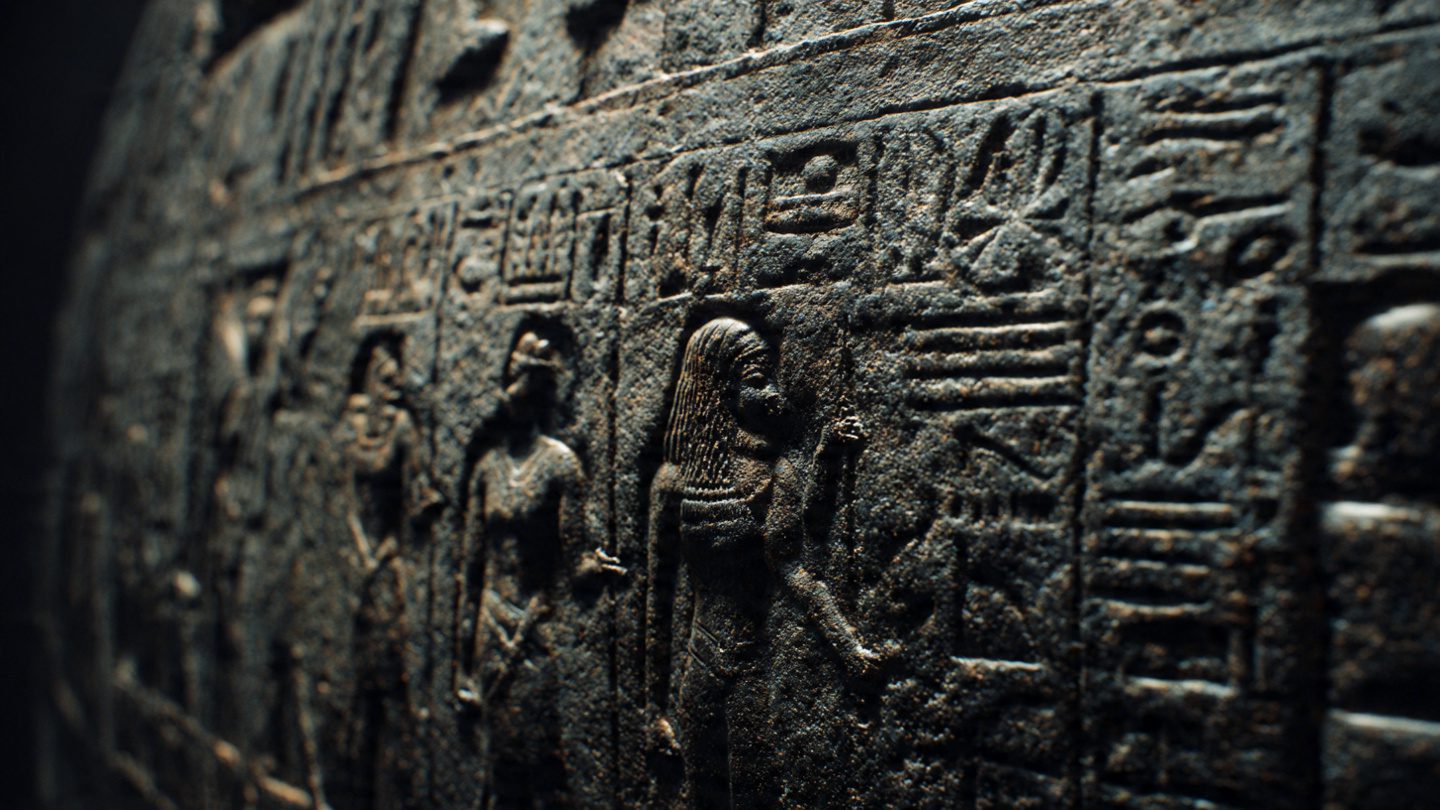
Introduction: The Birth of a Nation
The Unification of Egypt How Narmer Built the First Great Civilization marks one of the most defining moments in human history. It tells the story of how scattered tribes along the Nile transformed into a powerful, unified state.
This transformation was not peaceful. It was driven by ambition, strategy, and symbolic power. The figure at the center of it all was Narmer—a ruler whose legacy shaped the foundation of ancient Egypt.
In visual storytelling, this moment is often depicted with striking imagery: a king standing victorious, enemies subdued, and the Nile stretching across a land finally under one rule.
Narmer Palette symbolism and hidden messages
One of the most iconic artifacts connected to this era is the Narmer Palette. It is more than just a ceremonial object. It is a visual narrative carved in stone.
The palette shows Narmer wearing different crowns, symbolizing his rule over both Upper and Lower Egypt. On one side, he raises a mace, ready to strike an enemy. On the other, he inspects defeated foes.
These images are not random. They communicate authority, dominance, and divine right. In video reconstructions, these carvings come alive, showing the power of symbolism in ancient leadership.
Upper and Lower Egypt division before unity
Before unification, Egypt was divided into two distinct regions. Upper Egypt lay to the south, while Lower Egypt occupied the fertile Nile Delta in the north.
Each region had its own culture, rulers, and identity. Conflict between them was inevitable.
Visual depictions often highlight this division using contrasting landscapes—deserts versus lush delta lands. The tension between these regions set the stage for Narmer’s rise.
Early dynastic period beginnings
The unification marks the beginning of the Early Dynastic Period. This era represents the transition from prehistory to recorded history in Egypt.
Writing systems began to develop. Administrative structures formed. The concept of centralized power emerged.
In cinematic recreations, we see the emergence of organized cities, ceremonial processions, and early state rituals. This period laid the groundwork for one of the longest-lasting civilizations in history.
Pharaoh Narmer historical role
Narmer is often considered the first pharaoh of a unified Egypt. His role was not only military but also political and symbolic.
He did not just conquer land. He created identity. He merged two cultures into one.
Visual narratives frequently portray him as both warrior and divine ruler. His image is larger than life—commanding, powerful, and almost mythological.
Ancient Egyptian kingship origins
The concept of kingship in Egypt began to evolve during this time. The pharaoh was not just a ruler but a divine figure.
Narmer’s reign helped establish this idea. He was seen as a mediator between gods and people.
This belief system strengthened authority. It ensured loyalty. In visual storytelling, this is shown through grand ceremonies, temples, and symbols of divine power.
Political unification of Nile Valley
The unification of the Nile Valley was both strategic and symbolic. Control of the Nile meant control of resources, trade, and agriculture.
Narmer’s achievement was not just territorial. It was economic and cultural integration.
In video representations, the Nile is often shown as the lifeline of the civilization. Boats, farmers, and settlements illustrate the importance of unity along this river.
Military conquest and consolidation of power
Unification was not achieved without conflict. Military campaigns played a key role in Narmer’s success.
The imagery of battle is central—warriors, weapons, and conquered enemies. These scenes highlight the القوة behind the unification.
However, conquest alone was not enough. Narmer had to consolidate power, establish order, and prevent rebellion.
This dual approach—force and governance—defined his legacy.
The legacy of the first great civilization
The unification of Egypt created the foundation for one of the greatest civilizations in history.
It enabled advancements in architecture, art, writing, and governance. It influenced cultures for thousands of years.
Modern visualizations often show a transition—from chaos and division to order and grandeur. This transformation is the true legacy of Narmer.
Hadean Formation of the Earth: How the First Crust Formed
Summary
Narmer’s unification of Egypt was a turning point in human history.
It transformed divided lands into a powerful civilization.
This moment laid the foundation for thousands of years of cultural and political development.
FAQ
1. Who was Narmer?
Narmer was the first ruler to unify Upper and Lower Egypt and is considered the first pharaoh.
2. What is the Narmer Palette?
It is an ancient artifact depicting Narmer’s victory and the unification of Egypt.
3. Why was Egypt divided before unification?
Geographical and cultural differences created two separate regions.
4. How did Narmer unify Egypt?
Through military conquest and political integration.
5. Why is this event important?
It marked the beginning of one of the world’s first great civilizations.
CTA
Want to see this legendary moment come to life?
Watch the video and experience the rise of Narmer through powerful visuals.
Explore more in the Video Exkluzív category for deeper historical insights.