Mastering DIY Drain Cleaning: How to Unclog a Sink Without Calling a Plumber
 Befrey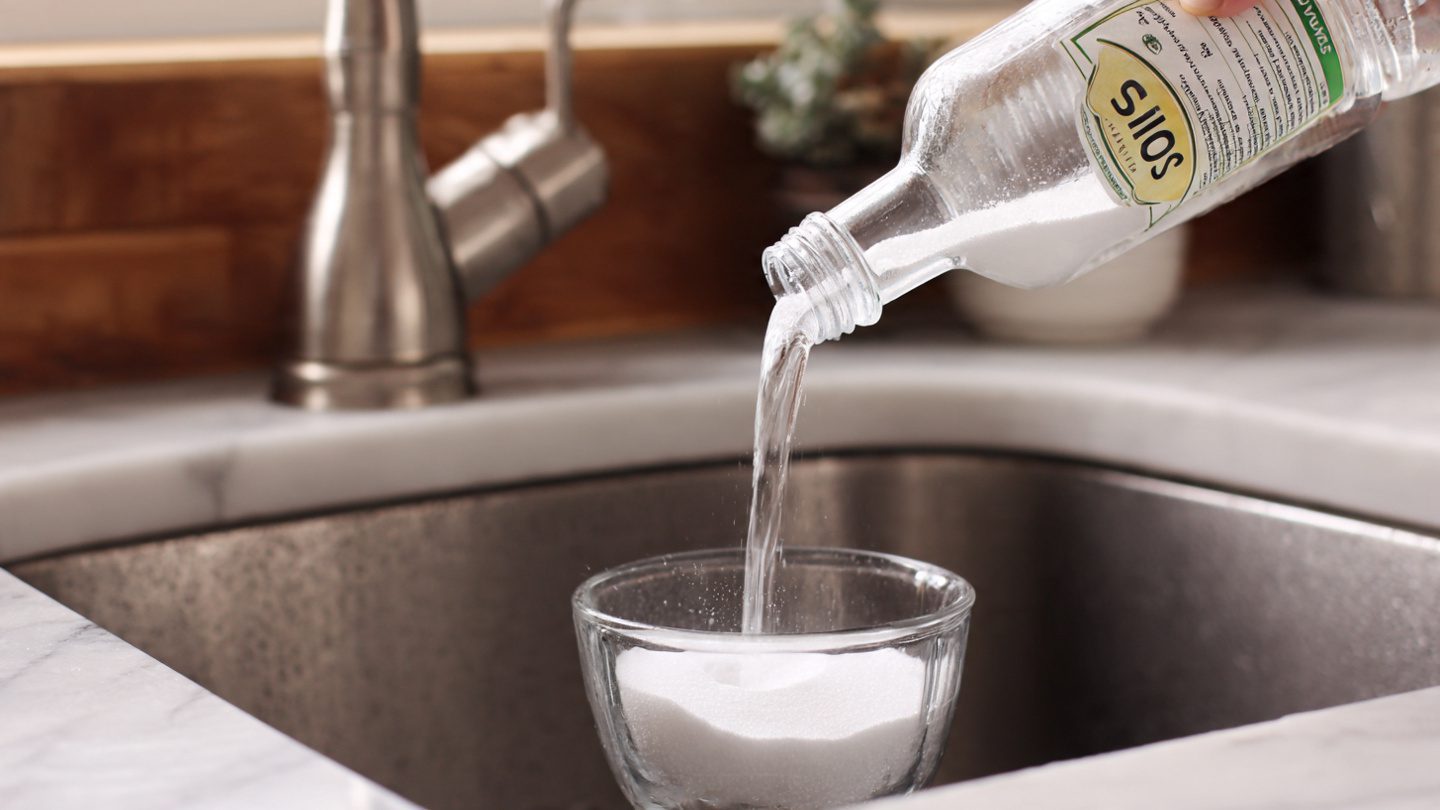
How to Unclog a Sink Without Calling a Plumber is a skill every homeowner should master. A clogged sink is inconvenient, disruptive, and can lead to costly plumbing repairs if ignored. By learning simple, effective methods, you can resolve most clogs using tools and ingredients already available at home. This guide covers step-by-step instructions, safety precautions, and practical tips to restore your sink’s flow. In How to Unclog a Sink Without Calling a Plumber, you will discover both traditional and modern solutions for clearing drains, preventing future blockages, and saving money. With patience, the right techniques, and minimal tools, even stubborn clogs can be removed without professional intervention.
Common Causes of a Clogged Sink
Understanding why a sink clogs is essential before attempting any DIY solution. Most blockages are caused by hair, grease, soap scum, food particles, or foreign objects. In kitchen sinks, fats, oils, and food scraps accumulate over time, narrowing the drain. Bathroom sinks often clog due to hair combined with soap residue. Hard water minerals can also form deposits that restrict flow. Identifying the cause helps determine which unclogging method will be most effective. Regular maintenance can prevent recurring problems, ensuring your sink remains clear and functional.
Tools and Materials Needed to Unclog a Sink
Before tackling a clog, gather essential tools and materials. Common items include a plunger, plumber’s snake (drain auger), bucket, gloves, and towels. Household ingredients such as baking soda, vinegar, and boiling water are also highly effective for minor clogs. A flashlight may be helpful to inspect pipes, and a wrench or pliers can assist in removing the trap beneath the sink. Preparing all tools in advance ensures efficiency and minimizes mess. Safety equipment like gloves and protective eyewear is recommended, particularly when using chemical cleaners or working under the sink.
How to Unclog a Sink Without Calling a Plumber Using a Plunger
A plunger is one of the simplest and most effective tools for unclogging sinks. Ensure the plunger forms a tight seal over the drain. Fill the sink partially with water to create pressure, then plunge vigorously in an up-and-down motion. Repeat several times, checking periodically to see if the water drains. For double sinks, block the secondary drain to increase suction. This method works best for clogs near the drain opening caused by hair or soap buildup. If plunging doesn’t clear the blockage, other approaches such as chemical or mechanical methods may be needed.
Using a Plumber’s Snake to Clear Stubborn Clogs
A plumber’s snake, or drain auger, is ideal for deeper or more stubborn blockages. Insert the flexible cable into the drain, turning the handle clockwise to navigate bends. When resistance is felt, rotate and push gently to break up or hook the clog. Slowly retract the snake, removing debris from the pipe. Flush the drain with hot water afterward to ensure complete clearance. This method is highly effective for hair, grease, or small objects lodged in the trap or pipes. Proper technique prevents pipe damage while addressing clogs that plungers cannot remove.
Home Remedies: Baking Soda, Vinegar, and Boiling Water
Chemical-free home remedies are safe and environmentally friendly. Start by pouring a cup of baking soda into the drain. Follow with one cup of vinegar, allowing the mixture to fizz and work on the clog for 15–30 minutes. Finish by flushing with boiling water to clear loosened debris. This method works well for soap buildup, grease, and minor blockages. Repeating the process occasionally can prevent clogs from forming. Using natural ingredients avoids harsh chemicals that can corrode pipes or harm septic systems.
Removing the P-Trap to Access the Clog
For persistent clogs, removing the P-trap under the sink is often necessary. Place a bucket beneath the trap to catch water and debris. Unscrew the slip nuts on either side carefully using a wrench or by hand if possible. Inspect the trap for blockages and remove any buildup. Rinse thoroughly before reassembling. This method is especially effective for kitchen sinks, where food debris often collects in the trap. Regular cleaning of the P-trap can prevent future clogs and maintain smooth drainage.
Preventing Future Sink Clogs
Prevention is key to reducing the frequency of clogged sinks. Avoid pouring grease, oils, and coffee grounds down kitchen drains. Use strainers or mesh covers to catch hair and food particles in both kitchen and bathroom sinks. Regularly flush drains with hot water or a mixture of baking soda and vinegar to remove buildup. Educate household members about what should not go down the drain. Routine maintenance ensures long-term efficiency, minimizing the need for frequent unclogging. Prevention reduces the risk of expensive plumbing issues over time.
Safety Precautions When Unclogging a Sink
Safety should always be a priority. Avoid using harsh chemical drain cleaners in combination with hot water or metal tools, as this can cause burns or chemical reactions. Wear gloves and protective eyewear to prevent contact with debris or cleaning agents. Be cautious when working under the sink to avoid injury from sharp edges or slipping tools. Keep children and pets away from the workspace. Following safety guidelines ensures that unclogging the sink remains a simple and low-risk home repair task.
When to Call a Professional Plumber
Although many clogs can be resolved at home, some situations require professional intervention. Call a plumber if water drains extremely slowly after multiple attempts, if multiple drains are affected, or if there is foul odor or standing water. Major blockages in main sewer lines or pipe damage should also be handled by professionals. Knowing when to seek help prevents worsening of the problem and protects your plumbing system. Professionals can quickly diagnose complex issues, ensuring a lasting solution.
Afghan Hound Uncovered: Did You Know This? What Breed Is It
The Airedale Terrier Uncovered: A Very Playful and Energetic Breed
Balinese Cat Unveiled: Personality, Care, and Secrets of the Elegant Balinese Breed
Summary
How to Unclog a Sink Without Calling a Plumber provides homeowners with practical, effective methods to tackle common sink blockages. By understanding the causes, using proper tools, and applying both mechanical and home remedy techniques, most clogs can be resolved quickly. Regular maintenance and preventive measures reduce the likelihood of future problems. Safety and awareness ensure that unclogging remains a manageable DIY task. With the right approach, homeowners can save money, time, and stress while keeping their sinks flowing freely.
FAQ
1. Can I use chemical drain cleaners safely?
Yes, but with caution. Avoid mixing chemicals and follow all safety instructions to prevent burns or pipe damage.
2. How often should I clean my sink drains?
Monthly maintenance with hot water or baking soda and vinegar helps prevent buildup and clogs.
3. Will a plunger work on all clogs?
No, plungers work best for minor blockages near the drain. Stubborn or deep clogs may require a plumber’s snake or P-trap cleaning.
4. What should I avoid putting down the sink?
Grease, oils, coffee grounds, hair, and large food particles should never enter the drain.
5. When is it necessary to call a plumber?
If clogs persist, multiple drains are blocked, or there is standing water, foul odor, or suspected pipe damage, professional help is recommended.
Call-to-Action
Take control of your home maintenance today! Learn How to Unclog a Sink Without Calling a Plumber and save money, time, and hassle. With the right tools and techniques, you can tackle stubborn clogs safely and efficiently.