
 Befrey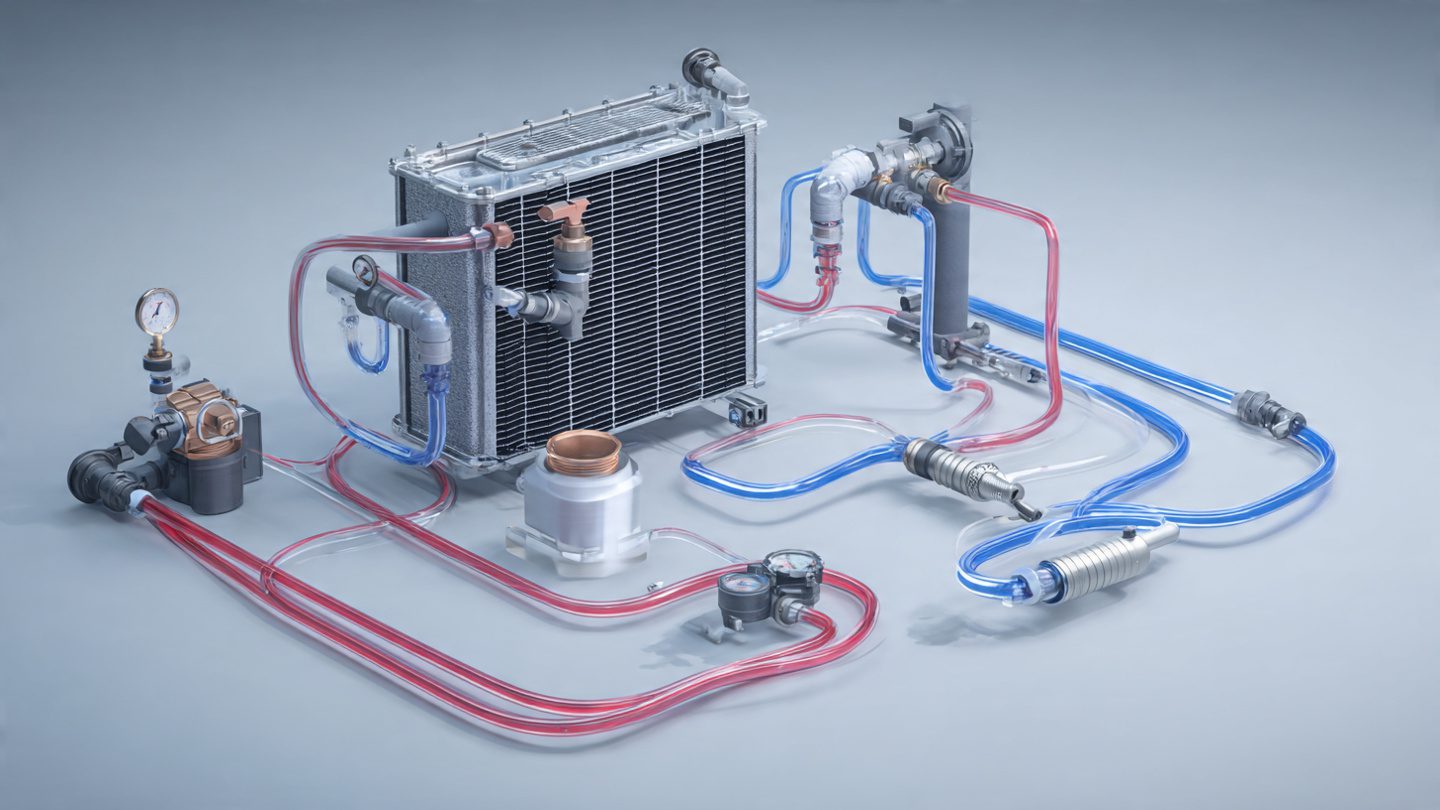
A properly functioning cooling system is essential for engine performance, longevity, and safety. Understanding car cooling system maintenance tips and tricks can prevent overheating, reduce repair costs, and improve fuel efficiency. This guide explores every aspect of vehicle cooling system care, from identifying early signs of failure to choosing the right coolant and performing routine inspections. Whether you drive a compact sedan, SUV, or high-performance vehicle, applying expert maintenance strategies ensures optimal performance. By mastering car cooling system maintenance tips and tricks, drivers can avoid costly breakdowns, extend the life of their engine, and maintain safe driving conditions in all weather.
Signs of a Failing Car Cooling System
Recognizing signs of a failing car cooling system early can prevent engine damage. Common indicators include rising engine temperatures on the gauge, frequent overheating, coolant leaks under the vehicle, or visible rust and corrosion on components. Steam from the engine bay, a sweet smell of coolant, or a low coolant warning light are other warning signs. Strange noises from the water pump, radiator, or hoses may also indicate mechanical issues. Addressing these symptoms promptly avoids severe engine damage and costly repairs. Understanding these warning signs is the first step in mastering car cooling system maintenance tips and tricks.
Step-by-Step Radiator Inspection Guide
Following a step-by-step radiator inspection guide ensures your cooling system is functioning properly. Begin by inspecting the radiator for leaks, corrosion, and damaged fins. Check hoses for cracks, stiffness, or soft spots. Examine the radiator cap for pressure seal integrity, as a faulty cap can reduce system efficiency. Look for sediment or sludge in the coolant, which can indicate contamination. Clean the radiator externally with a soft brush or water to remove debris and improve airflow. Performing these steps regularly prevents overheating and maintains optimal engine performance.
Choosing the Right Coolant for Your Vehicle
Selecting the correct coolant is critical. Choosing the right coolant for your vehicle ensures effective heat transfer, corrosion protection, and longevity. Coolants come in various types: ethylene glycol-based, propylene glycol-based, and hybrid organic acid technology (HOAT). Check your vehicle’s manual for recommended specifications. Mixing incompatible coolants can reduce system efficiency and damage components. Always use the correct concentration with distilled water to prevent scale formation and corrosion. Proper coolant selection is a key element in car cooling system maintenance tips and tricks.
Common Mistakes in Car Cooling System Maintenance
Avoiding common mistakes in car cooling system maintenance prevents failures and costly repairs. One frequent error is neglecting regular coolant replacement, which leads to corrosion and reduced heat transfer. Using tap water instead of distilled water introduces minerals that clog passages. Overlooking hoses, clamps, and the radiator cap can result in leaks and pressure loss. Improper bleeding of air from the system may cause hot spots and inefficient cooling. Ignoring engine temperature warning signs accelerates damage. Awareness of these mistakes is essential for safe, efficient cooling system care.
Tips to Prevent Engine Overheating
Applying tips to prevent engine overheating enhances engine reliability. Ensure coolant levels are consistently within the recommended range. Inspect the radiator, hoses, and thermostat for proper operation. Avoid prolonged idling in high-temperature conditions, which reduces airflow through the radiator. Check the water pump, fan belt, and electric fan for functionality. Regularly flush the system to remove deposits and contaminants. Driving responsibly, maintaining components, and monitoring temperature trends reduces the risk of overheating.
Extending the Lifespan of Your Cooling System
Proper care significantly extends the lifespan of your cooling system. Flush and replace coolant at manufacturer-recommended intervals. Inspect hoses, clamps, and radiator regularly. Protect the system from corrosion by using compatible coolant and maintaining proper mixture ratios. Avoid harsh chemicals or additives that can damage seals and metals. Maintain the water pump, fan, and thermostat to ensure efficient circulation. Following these practices reduces wear, prevents leaks, and ensures the cooling system remains reliable for years.
Tools and Equipment for Cooling System Maintenance
Having the right tools ensures effective maintenance. Essential items include a coolant tester, pressure tester, funnel, container for used coolant, pliers, wrenches, gloves, and safety glasses. A radiator flush kit can assist in cleaning the system. Using proper tools reduces the risk of contamination, spills, and component damage. Organizing your workspace and following step-by-step procedures enhances safety and efficiency. Proper preparation complements all car cooling system maintenance tips and tricks.
Seasonal Considerations for Cooling System Care
Environmental conditions impact system performance. Extreme heat accelerates coolant evaporation, while cold weather can cause freezing and blockages. Using the correct coolant mixture prevents freezing in winter and overheating in summer. Inspect hoses for wear, as temperature fluctuations cause expansion and contraction. Ensure the fan, radiator, and water pump function optimally for seasonal changes. Adjusting maintenance schedules to weather conditions protects the engine and improves reliability.

Emergency Tips for Cooling System Failures
Knowing emergency procedures is essential. If the engine overheats, turn off the AC, turn on the heater to draw heat away from the engine, and safely pull over. Never open the radiator cap when hot, as pressurized steam can cause burns. Check coolant levels once the engine cools. If necessary, add water temporarily and drive carefully to a repair facility. Keeping a spare coolant container and basic tools in the vehicle can mitigate emergency situations. Preparedness is a practical aspect of car cooling system maintenance tips and tricks.
When and How to Change Brake Pads
The Most Common Mistakes When Refueling and How to Avoid Them
How to Properly Change Engine Oil at Home
Summary
Maintaining your car’s cooling system is critical for engine performance, longevity, and safety. Following car cooling system maintenance tips and tricks—from recognizing warning signs to proper coolant selection, avoiding common mistakes, and performing routine inspections—ensures reliable operation. Seasonal adjustments, emergency procedures, and preventive care extend the system’s lifespan and prevent overheating. By mastering these practices, drivers enhance engine efficiency, avoid costly repairs, and maintain safe driving conditions year-round.
FAQ
1. How often should I flush my car cooling system?
Most manufacturers recommend every 30,000–50,000 miles, but check your vehicle manual for specific intervals.
2. Can I use any coolant type in my car?
No, always use the type specified in your vehicle’s manual to prevent corrosion and inefficiency.
3. What are the early signs of a failing cooling system?
Overheating, coolant leaks, rust, steam, and warning lights are common indicators.
4. Is it safe to add water to a hot engine?
No, always allow the engine to cool before adding water or coolant to prevent burns and pressure injuries.
5. How can I extend my cooling system’s lifespan?
Regular inspections, proper coolant use, hose and clamp maintenance, and timely flushes help maximize longevity.
Call-to-Action
Ensure your engine stays cool and efficient! Apply these car cooling system maintenance tips and tricks to prevent overheating, save on repairs, and drive safely. Share your experiences and help others maintain their vehicles!





