
 Befrey
Understanding how to check battery health and extend its life is essential for avoiding unexpected breakdowns and costly replacements. Car batteries provide the power to start the engine and run electrical systems. A weak or failing battery can lead to stalling, dim lights, and electrical malfunctions. By learning how to check battery health and extend its life, drivers can ensure reliability, improve performance, and avoid emergencies. This guide explores all aspects of battery care—from recognizing early warning signs, proper testing, charging techniques, maintenance routines, to best practices for long-term longevity. Following expert strategies ensures your battery lasts longer, operates efficiently, and supports all vehicle systems effectively.
Signs Your Car Battery Is Failing
Recognizing signs your car battery is failing is the first step in preventive maintenance. Common indicators include slow engine cranking, dim headlights, flickering dashboard lights, and electronic malfunctions. Swollen battery cases, corrosion on terminals, or leaking fluid are physical warning signs. A sudden drop in voltage or an illuminated battery warning light on the dashboard signals internal issues. Unusual odors, like a rotten egg smell from leaking sulfuric acid, also indicate failure. Understanding these warning signs helps drivers act before complete battery failure occurs, reducing the risk of being stranded.
Step-by-Step Battery Testing Guide
Following a step-by-step battery testing guide ensures accurate evaluation of battery health. Start by visually inspecting the battery for corrosion, leaks, or swelling. Use a digital multimeter to measure the resting voltage; fully charged batteries typically read around 12.6 volts. Perform a load test using a battery tester to assess performance under stress. Check the alternator output to ensure proper charging. Record results and compare them with manufacturer specifications. Regular testing, especially before extreme weather or long trips, prevents sudden failures and extends battery life.

Best Practices for Charging Your Car Battery
Implementing best practices for charging your car battery maximizes lifespan. Always use a charger compatible with your battery type (lead-acid, AGM, or gel). Charge at recommended rates; slow charging is gentler and more effective than rapid charging. Avoid overcharging, which can cause overheating and fluid loss. Maintain proper electrolyte levels in non-sealed batteries by topping up with distilled water. Disconnect the battery if charging the vehicle’s electrical system separately to prevent damage. Following these guidelines ensures safe, efficient charging while preserving battery health.
Common Mistakes That Shorten Battery Lifespan
Avoiding common mistakes that shorten battery lifespan is crucial for reliability. Frequently allowing the battery to fully discharge accelerates wear. Mixing different battery types or brands can create uneven performance. Neglecting to clean terminals or monitor electrolyte levels contributes to corrosion and inefficiency. Overcharging or using an incompatible charger damages internal cells. Parking in extreme heat or cold without protection stresses the battery. Awareness of these errors allows proactive maintenance and prevents premature replacement.
Maintaining Battery Terminals and Connections
Proper maintaining battery terminals and connections ensures consistent power delivery. Clean corrosion from terminals using a mixture of baking soda and water or a commercial terminal cleaner. Tighten clamps securely but avoid over-torquing, which can damage posts. Apply a thin layer of dielectric grease to prevent further corrosion. Inspect wiring for frays, cracks, or loose connections. Ensure that grounding points are clean and tight. Consistent attention to connections enhances electrical efficiency and prevents starting problems.
Tips to Improve Battery Performance and Longevity
Following tips to improve battery performance and longevity ensures reliable operation. Avoid short trips that prevent full charging, as frequent partial discharges reduce capacity. Store vehicles in climate-controlled environments when possible, as temperature extremes degrade battery chemistry. Use a battery maintainer or trickle charger for infrequently used cars. Regularly test battery health and check electrolyte levels in non-sealed types. Remove unnecessary electrical loads when parked, like aftermarket lights or electronics. Combining these habits with routine inspections extends service life and prevents unexpected failures.
Seasonal Considerations for Battery Care
Environmental factors significantly impact battery health. Cold temperatures reduce chemical reactions inside the battery, decreasing starting power, while extreme heat accelerates water loss and internal corrosion. Winter maintenance may include battery warmers, while summer care focuses on avoiding prolonged exposure to high temperatures. Checking voltage, terminals, and electrolyte levels seasonally ensures the battery functions optimally year-round. Preparing for seasonal challenges is a key part of how to check battery health and extend its life.
Emergency Procedures for Battery Failure
Knowing emergency procedures is essential. If the battery dies, safely jump-start using a second vehicle or portable jump starter. Connect positive and negative terminals correctly and avoid sparks. Never attempt to open sealed batteries or touch leaking fluid. Replace damaged or failing batteries immediately to prevent repeated failures. Carrying a compact battery tester or portable charger can prevent being stranded. Preparedness complements routine maintenance and reduces stress during unexpected failures.
Tools and Equipment Needed for Battery Maintenance
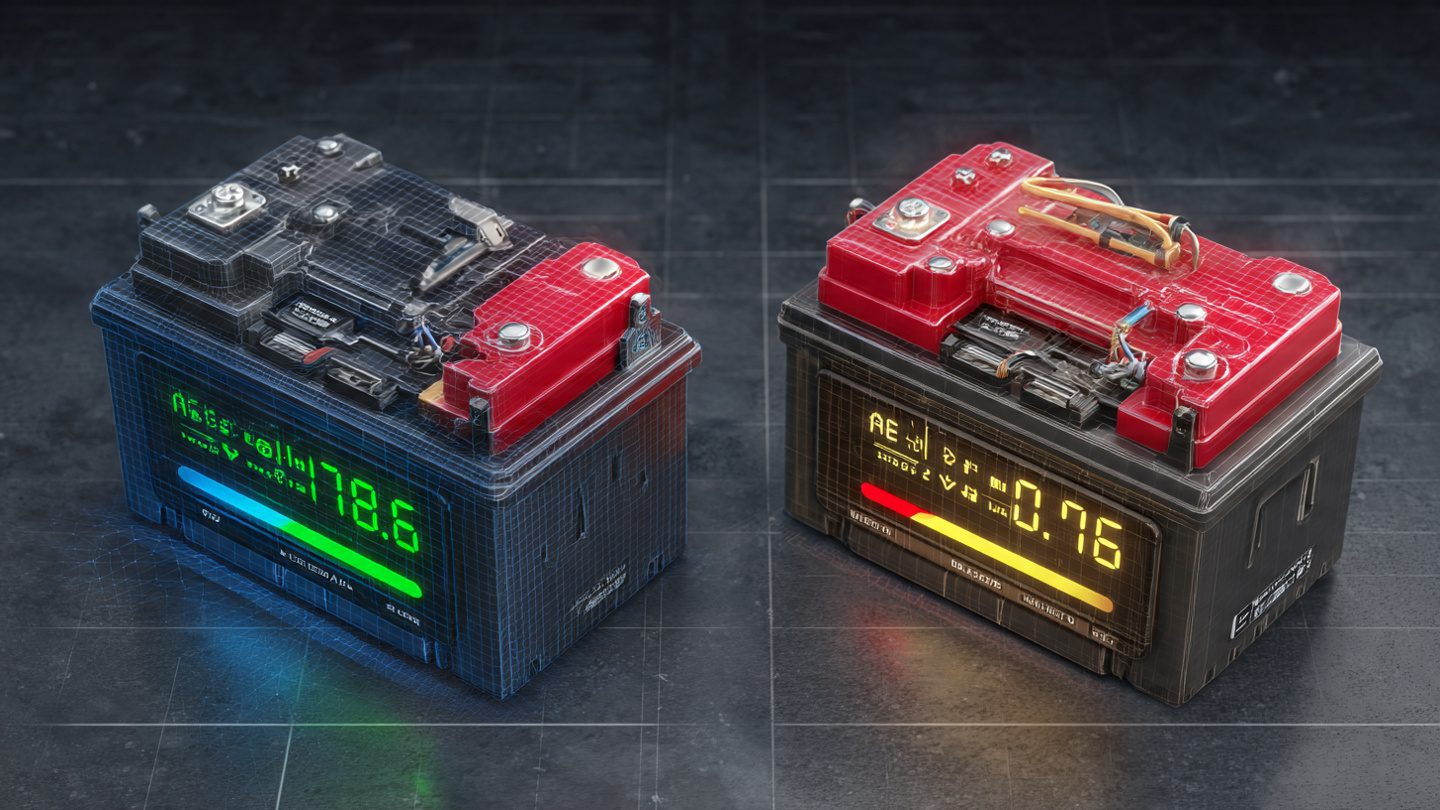
Proper tools simplify maintenance. Essential items include a digital multimeter, battery load tester, terminal cleaner or brush, gloves, safety glasses, and distilled water for non-sealed batteries. A trickle charger or battery maintainer is useful for long-term storage. Organize your workspace and follow manufacturer instructions for testing and cleaning. Using the right tools ensures efficiency, safety, and reliability in maintaining battery performance.
Choosing the Right Replacement Battery
Selecting a replacement battery that fits your vehicle is critical. Match specifications for voltage, cold-cranking amps (CCA), and reserve capacity. Ensure physical dimensions and terminal orientation are compatible. Opt for quality brands that comply with OEM standards. Consider battery type (lead-acid, AGM, or gel) based on your vehicle’s needs. Proper selection ensures long-term reliability, efficient starting, and minimal maintenance.
Car cooling system maintenance tips and tricks
When and How to Change Brake Pads
The Most Common Mistakes When Refueling and How to Avoid Them
Summary
Maintaining a car battery is vital for vehicle reliability and safety. By understanding how to check battery health and extend its life, performing regular inspections, proper charging, terminal maintenance, and avoiding common mistakes, drivers ensure consistent performance and longevity. Seasonal adjustments, emergency preparedness, and choosing the right replacement battery further enhance reliability. Applying these expert tips prevents unexpected breakdowns and reduces long-term costs.
FAQ
1. How often should I test my car battery?
At least twice a year, or before extreme weather seasons, using a multimeter or battery tester.
2. Can jump-starting damage the battery?
If done incorrectly, yes. Always follow proper polarity and safety precautions.
3. What is the average lifespan of a car battery?
Typically 3–5 years, depending on type, usage, and climate conditions.
4. How do I prevent battery corrosion?
Clean terminals regularly, apply dielectric grease, and maintain proper electrolyte levels.
5. Is it safe to charge a sealed battery at home?
Yes, with a compatible charger designed for sealed AGM or gel batteries.
Call-to-Action
Ensure your car starts every time! Learn how to check battery health and extend its life with expert tips, proper maintenance, and preventive care. Share your experiences and help others stay powered on the road!





