
 Befrey
Brake pads are a critical component of vehicle safety. Knowing when and how to change brake pads ensures that your car stops efficiently and prevents costly repairs. Brake pads wear down over time due to friction, and failing to replace them on time can damage rotors, calipers, and other braking components. This guide covers all aspects of brake pad maintenance—from recognizing wear to selecting the right pads, performing a proper replacement, and extending their lifespan. By following professional advice and best practices, even beginners can maintain their braking system safely and efficiently. Whether you drive a sedan, SUV, or high-performance car, understanding when and how to change brake pads is essential for safety, performance, and cost savings.
Signs Your Brake Pads Need Replacement
Identifying signs your brake pads need replacement is the first step in timely maintenance. Common indicators include squealing or grinding noises when braking. Vibrations through the brake pedal, longer stopping distances, and a warning light on the dashboard are also signs. Visually inspecting the pads reveals thinning material—typically less than 3mm requires replacement. Drivers may notice reduced responsiveness, pulling to one side, or a burning smell after hard braking. Recognizing these signs early prevents damage to rotors and calipers, ensuring safe and reliable braking performance.
Step-by-Step Brake Pad Replacement Guide
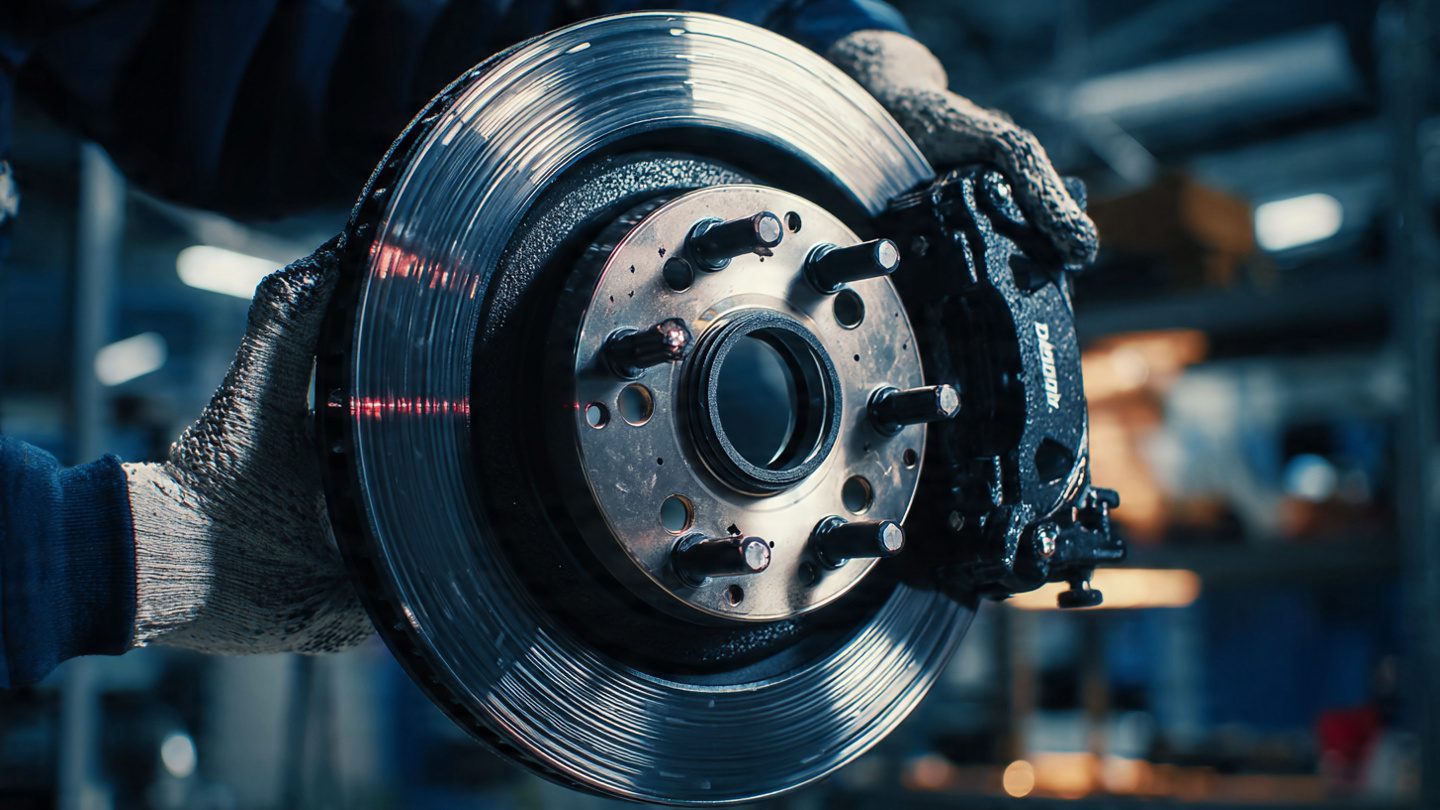
A detailed step-by-step brake pad replacement guide ensures safe and proper maintenance. Start by securing the vehicle on a flat surface and applying the parking brake. Remove the wheel to access the brake assembly. Loosen the caliper bolts and carefully remove the caliper, avoiding stress on brake lines. Extract the old brake pads, inspecting the rotor for wear or scoring. Apply anti-seize lubricant to caliper contact points and insert new pads. Reassemble the caliper, tighten bolts to the manufacturer’s torque specifications, and reattach the wheel. Finally, pump the brake pedal to seat the pads before driving. Following this sequence guarantees effective braking and minimizes risk.
Best Brake Pad Types for Different Vehicles
Choosing the best brake pad types for different vehicles is crucial for optimal performance. Brake pads vary in material—ceramic, semi-metallic, and organic. Ceramic pads offer quiet operation and low dust, ideal for daily commuting. Semi-metallic pads are durable, perform well under high temperatures, and suit trucks or heavy-duty vehicles. Organic pads are softer, cost-effective, and quieter but wear faster. Understanding your vehicle’s weight, driving style, and climate helps select the correct pads. High-performance cars may require specialized compounds, while city drivers benefit from quieter, low-dust options. Selecting the right pad reduces wear and maximizes safety.
Common Mistakes When Changing Brake Pads
Avoiding common mistakes when changing brake pads is essential for safety. A frequent error is reusing old hardware or failing to inspect the rotor. Over-tightening caliper bolts can warp the rotor or damage threads. Installing pads backwards or unevenly compromises braking efficiency. Neglecting to bed in new pads, which aligns the pad surface with the rotor, reduces stopping power. Skipping safety precautions, like wheel chocks or gloves, increases injury risk. By understanding and avoiding these mistakes, even DIY enthusiasts can perform professional-quality brake maintenance.
Brake System Safety Tips
Observing brake system safety tips ensures maintenance is performed without accidents. Always lift the vehicle using jack stands, never relying solely on a jack. Wear gloves and eye protection to prevent injury from dust and debris. Keep brake fluid sealed and avoid contamination, as it is hygroscopic and reduces performance when wet. Work on one side at a time, leaving the opposite wheel as a backup. Ensure all components are tightened to manufacturer specifications. Following these safety measures protects you, your vehicle, and your brake system from avoidable damage.
Extending Brake Pad Lifespan
Proper care can significantly extend brake pad lifespan. Avoid aggressive braking and maintain consistent speeds to reduce friction. Regularly inspect pads and rotors for early signs of wear. Clean brake dust and debris to prevent abrasive damage. Rotating tires and checking alignment ensures even pad wear. Using high-quality brake pads suited to your driving style also prolongs life. Preventive maintenance reduces replacement frequency and ensures safe, reliable braking over time.
Tools and Equipment Needed for Brake Pad Replacement
Having the right tools is crucial. Essential items include a jack and jack stands, socket and wrench set, C-clamp or brake caliper tool, lug wrench, gloves, and eye protection. A torque wrench ensures bolts are tightened to manufacturer specifications. Brake cleaner and anti-seize lubricant help maintain parts and prevent rust. Organizing your workspace and laying down a protective mat keeps the area clean and minimizes contamination. Proper tools reduce errors and ensure a smooth, efficient brake pad replacement.
How Often to Replace Brake Pads
Knowing how often to replace brake pads depends on driving habits, vehicle type, and pad material. On average, brake pads last 30,000–70,000 miles. Heavy braking, city traffic, or towing reduces lifespan. Checking pads every 10,000 miles or during routine tire rotations ensures timely replacement. High-performance vehicles with ceramic or semi-metallic pads may last longer but still require periodic inspection. Maintaining a replacement schedule prevents rotor damage and ensures consistent braking performance.
Signs of Rotor Damage and When to Resurface
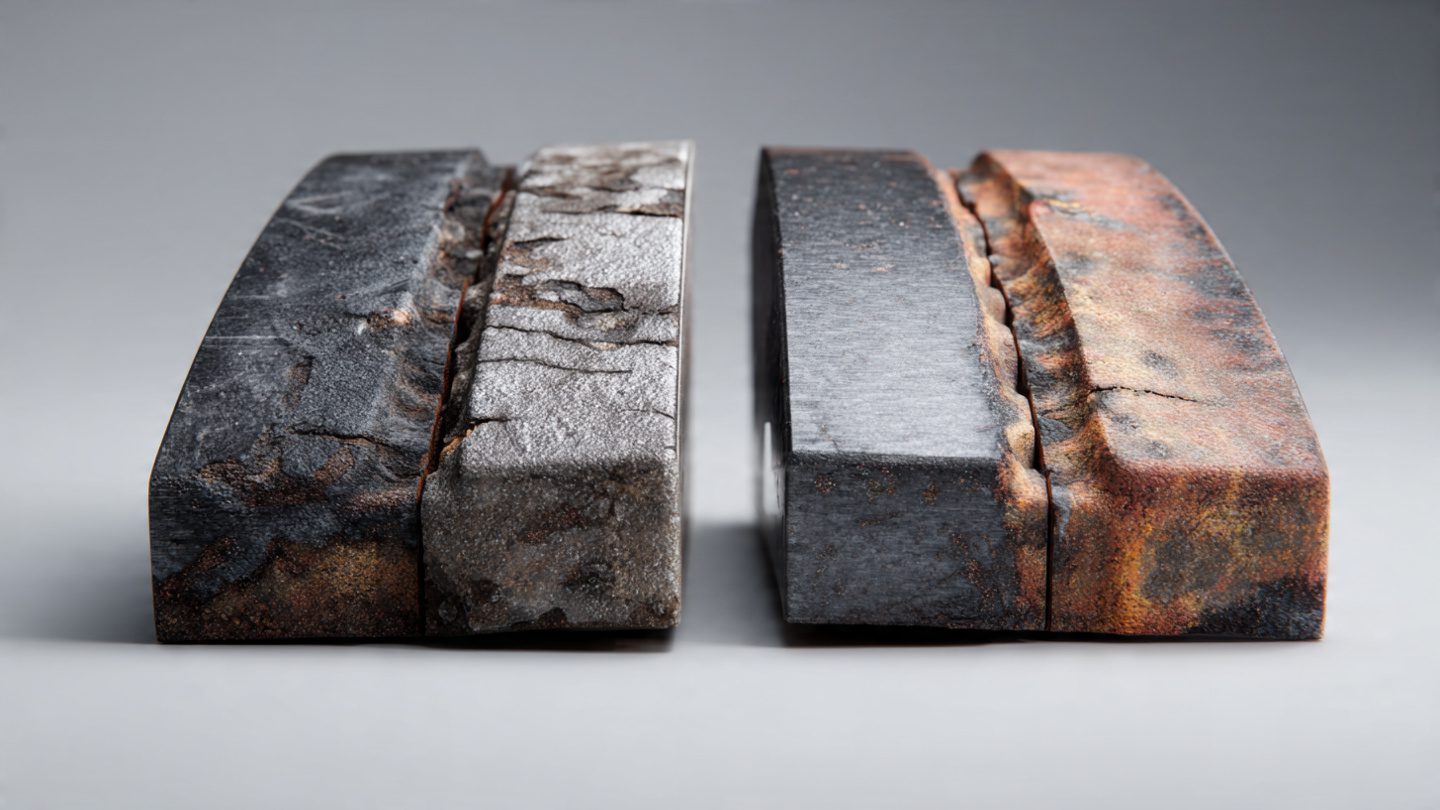
Brake pads work in tandem with rotors, making it vital to recognize signs of rotor damage. Grooves, scoring, warping, or rust indicate the need for resurfacing or replacement. Vibrations during braking often signal uneven rotor wear. Thin rotors cannot safely absorb heat and require immediate attention. Proper maintenance during pad replacement can extend rotor life. Using recommended techniques and tools avoids premature rotor failure and maintains braking efficiency.
Environmental and Driving Considerations
Driving conditions impact when and how to change brake pads. Mountainous terrain, city stop-and-go traffic, and frequent towing accelerate wear. Rain, snow, and road salt contribute to corrosion and pad degradation. Understanding environmental effects helps schedule timely maintenance. Cleaning brake assemblies and using corrosion-resistant components prevent long-term damage. Proactive adjustments to driving habits complement mechanical maintenance for maximum safety.
The Most Common Mistakes When Refueling and How to Avoid Them
How to Properly Change Engine Oil at Home
Summary
Maintaining brakes is critical for vehicle safety. Knowing when and how to change brake pads, recognizing signs of wear, selecting proper materials, avoiding common mistakes, and applying safety measures ensures optimal braking performance. Regular inspections, careful installation, and driving awareness extend pad life, protect rotors, and reduce maintenance costs. This comprehensive approach provides peace of mind and keeps your car stopping safely under all conditions.
FAQ
1. How do I know when my brake pads are worn out?
Listen for squealing, grinding noises, check thickness (<3mm), or monitor dashboard warning lights.
2. Can I replace brake pads myself?
Yes, with proper tools, safety precautions, and a step-by-step guide, DIY replacement is possible.
3. How long do brake pads last?
Depending on material and driving habits, pads typically last 30,000–70,000 miles.
4. What happens if I ignore brake pad replacement?
Ignoring replacement can damage rotors, calipers, reduce braking efficiency, and compromise safety.
5. Should I replace rotors when changing brake pads?
Check rotors for grooves, warping, or thinness. Resurfacing or replacement is recommended if damaged.
Call-to-Action
Keep your car safe and responsive! Learn when and how to change brake pads and perform proper maintenance today. Share your tips, experiences, and help others brake safely!





