
 Befrey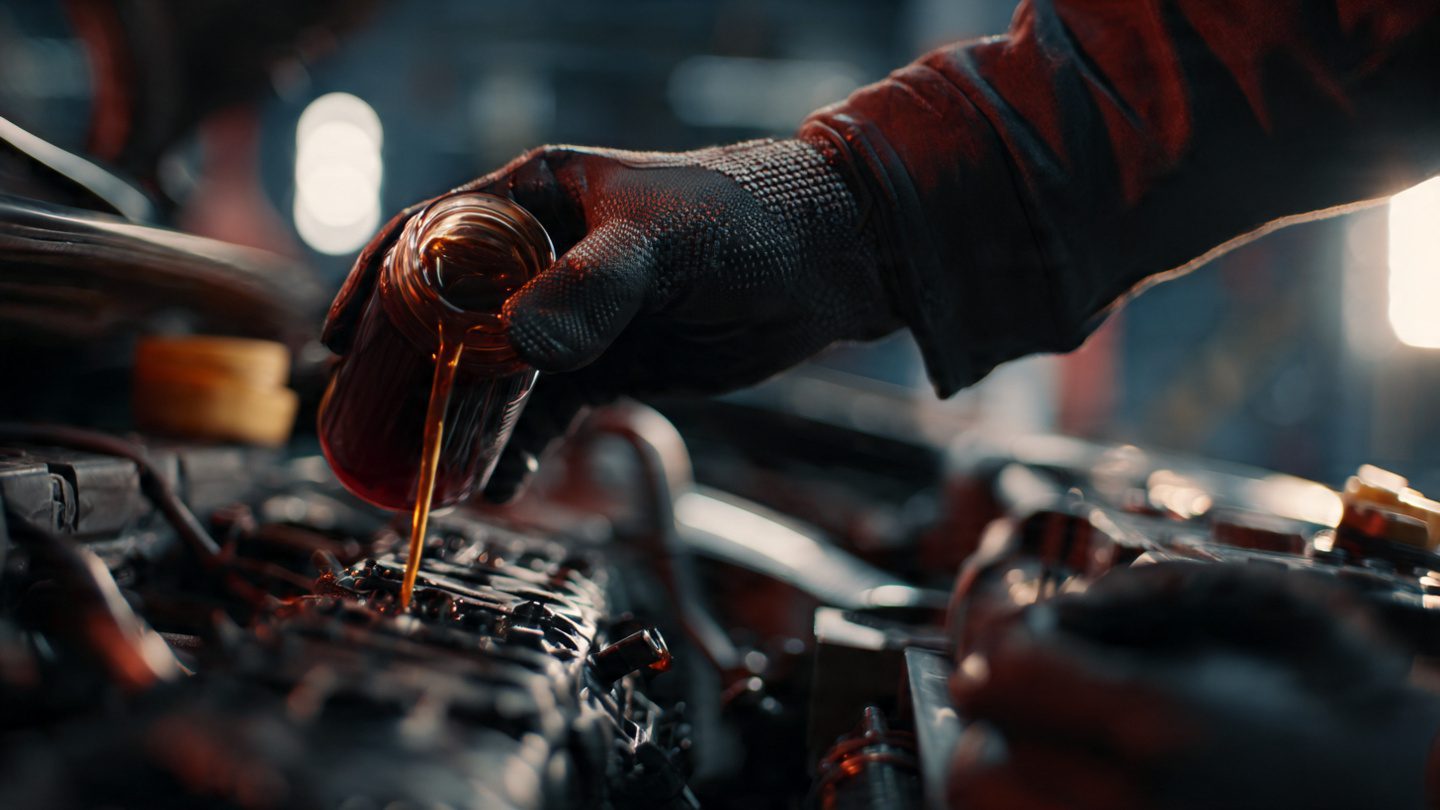
Changing your car’s oil is one of the most important maintenance tasks you can perform. Knowing how to properly change engine oil at home saves money, ensures your vehicle runs smoothly, and extends engine life. This guide will give you detailed steps, safety advice, and practical tips to handle this task like a professional mechanic. By understanding the process, selecting the right tools, and following precise steps, you can confidently manage oil changes without visiting a workshop. Whether you’re a beginner or experienced driver, this article will take you through everything you need to know to master oil maintenance.
Choosing the Best Motor Oil for Home Oil Change
Selecting the best motor oil for home oil change is crucial for engine performance. Engine oil comes in different viscosities and formulations, like conventional, synthetic blend, and full synthetic. Using the wrong type can reduce fuel efficiency, increase engine wear, and void warranties. Always consult your vehicle’s manual to choose the correct oil grade. Pay attention to seasonal conditions; thicker oils may work better in hot climates, while thinner oils ensure smooth flow in cold weather. Buying quality brands ensures longevity and optimal lubrication. Remember, motor oil isn’t just a fluid—it’s the engine’s lifeline, protecting internal components from friction, heat, and contaminants.
Step-by-Step Oil Change Guide
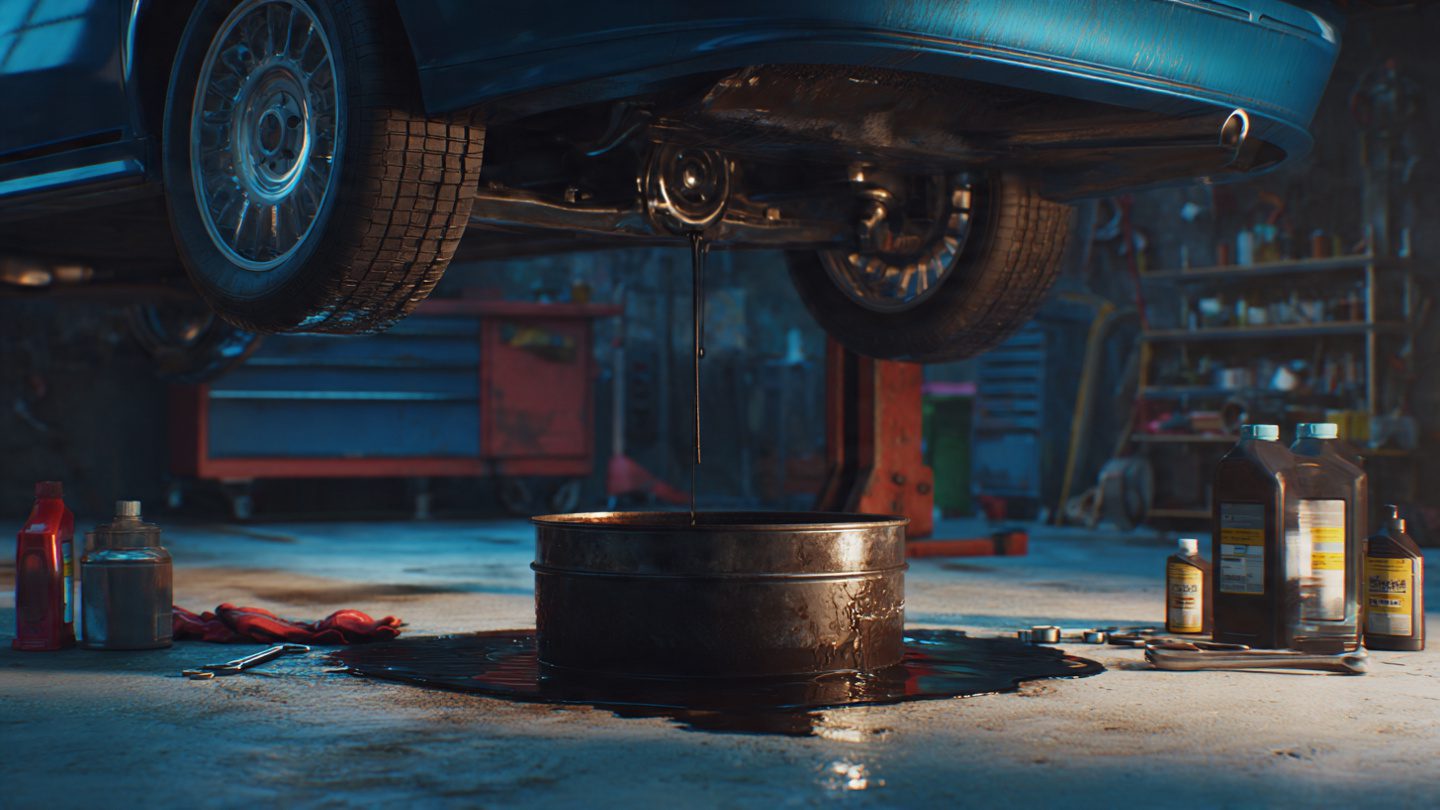
A detailed step-by-step oil change guide simplifies the entire process. First, gather all necessary materials: motor oil, an oil filter, wrenches, a drain pan, gloves, and rags. Start by warming the engine slightly; warm oil flows more easily and carries debris out. Then, elevate the car safely using ramps or a jack and secure it with jack stands. Place a drain pan under the oil pan, remove the drain plug, and allow the old oil to flow completely. Replace the oil filter, applying a light coat of oil on the gasket to prevent leaks. Reinstall the drain plug and refill the engine with new oil. Always check the oil level using the dipstick after filling. Running through these steps carefully ensures a thorough and efficient oil change.
Oil Filter Replacement Tips
Knowing oil filter replacement tips is essential for effective oil changes. The filter traps dirt, metal particles, and other contaminants, preventing engine damage. Always choose the correct filter model for your car. Remove the old filter gently to avoid spilling residual oil. Lubricate the new filter’s rubber gasket with fresh oil before installation. Hand-tighten the filter, avoiding over-tightening, which can damage threads or the gasket. After installation, run the engine for a few minutes, check for leaks, and recheck oil levels. Proper filter replacement maximizes engine longevity and maintains smooth performance. Neglecting this step is a common cause of oil leaks and reduced engine efficiency.
Common Mistakes When Changing Engine Oil
Avoiding common mistakes when changing engine oil will save you from expensive repairs. Many beginners forget to replace the oil filter or leave the drain plug loose. Overfilling or underfilling the engine with oil can cause foaming or starvation, damaging components. Using the wrong oil type or ignoring manufacturer specifications reduces efficiency. Some attempt to change oil on uneven surfaces, risking injury or spills. Always dispose of old oil responsibly; pouring it down drains is illegal and environmentally harmful. By learning these pitfalls, even a novice can achieve professional-quality results without mishaps.
DIY Car Maintenance Safety Tips
Implementing DIY car maintenance safety tips is non-negotiable. Always work on a flat, stable surface and use wheel chocks to prevent rolling. Wear gloves and eye protection to avoid burns and exposure to toxic fluids. Use jack stands instead of relying solely on a jack. Keep fire extinguishers nearby in case of accidental ignition. Avoid distractions and work slowly, checking every step twice. These practices ensure safety for you and your vehicle, making home oil changes stress-free and secure. Safety is just as important as technique when it comes to DIY maintenance.
Signs Your Car Needs an Oil Change
Recognizing signs your car needs an oil change prevents engine wear. Common indicators include dark, dirty oil, engine noise, low oil levels, and warning lights on the dashboard. Burning smells or smoke from the exhaust can signal degraded oil. Checking oil regularly with a dipstick helps monitor quality. Ignoring these signs may lead to costly repairs, reduced performance, and potential engine failure. Routine inspections and timely oil changes keep your engine healthy and extend vehicle lifespan. Proactive maintenance is far cheaper than reactive fixes.
Tools and Equipment Required for Oil Change
To successfully change oil at home, gather essential tools. You will need a wrench set, oil filter wrench, drain pan, funnel, gloves, rags, and a jack with stands. Using appropriate tools prevents damage to car components. Always have extra oil and an oil filter ready. Consider disposable pads or a mat to catch spills. Having the right tools improves efficiency and ensures a clean, professional oil change process. Organization and preparation are the foundation of any successful DIY task.
How Often to Change Engine Oil
Understanding how often to change engine oil is key for engine health. Many modern vehicles recommend 5,000–7,500 miles for conventional oil and up to 10,000 miles for synthetic oil. Driving conditions, engine type, and climate may require more frequent changes. Frequent short trips can accelerate oil degradation due to condensation and contaminants. Regular oil changes improve fuel efficiency, reduce engine wear, and prevent overheating. Keep a maintenance log to track oil change intervals, ensuring your car always runs optimally.

Environmental Considerations and Oil Disposal
Proper oil disposal and environmental care is critical. Used motor oil contains harmful chemicals that can contaminate soil and water. Collect old oil in sealed containers and take it to designated recycling centers. Never pour oil on the ground, in drains, or into garbage bins. Many auto shops offer free oil recycling services. Environmentally responsible oil disposal protects wildlife, ecosystems, and human health. Following regulations ensures your DIY oil changes are not only safe for your car but also safe for the planet.
Troubleshooting and Tips for a Smooth Oil Change
Mastering troubleshooting and tips for a smooth oil change ensures a hassle-free experience. If oil flows slowly, warm it with a few minutes of engine idling. Cross-check the drain plug threads before tightening. If you notice leaks after refilling, recheck the oil filter and plug. Always dispose of rags and gloves properly to avoid fire hazards. Maintaining a clean workspace prevents contamination. Keep extra oil handy in case levels are misjudged. These small steps differentiate a professional-quality home oil change from a sloppy attempt.
Summary
Changing engine oil at home is simple, cost-effective, and crucial for vehicle health. By following this guide, using the correct tools, selecting the right oil, and applying safety precautions, anyone can perform a high-quality oil change. Regular maintenance prevents engine wear, enhances performance, and saves money on costly repairs.
FAQ
1. How often should I change engine oil at home?
Most vehicles require oil changes every 5,000–10,000 miles, depending on oil type and driving conditions.
2. Can I use any oil brand for my car?
No. Always select oil that matches your vehicle’s specifications and recommended viscosity.
3. What happens if I overfill the engine with oil?
Overfilling can cause foaming, leaks, and pressure on seals, potentially damaging the engine.
4. Is it safe to change oil at home without experience?
Yes, if you follow proper safety procedures, have the right tools, and carefully follow step-by-step instructions.
5. Where should I dispose of used oil?
Take used oil to certified recycling centers or auto shops offering oil recycling. Never pour it down drains or on the ground.
Call-to-Action
Ready to save money and take control of your car maintenance? Start your first DIY oil change today and ensure your engine stays healthy for years! Share your experience and tips with fellow car enthusiasts.





