Befrey
If you’ve ever asked yourself, “What causes hair loss in women?”, you are not alone. Hair thinning and shedding are common concerns that affect millions of women globally. While occasional hair shedding is normal, excessive hair loss can be alarming and affect self-esteem, emotional wellbeing, and even physical health. Many factors can trigger hair loss in women, including hormonal fluctuations, genetics, stress, medical conditions, nutritional deficiencies, and environmental factors. Understanding the root causes is crucial to preventing progression and restoring hair health. In this article, we will explore the major causes, provide evidence-based explanations, and suggest effective strategies for managing hair loss naturally and medically. Related concerns such as “Female pattern hair loss causes”, “Stress-related hair loss in women”, and “Nutritional deficiencies causing hair loss” will also be addressed throughout the discussion.
Understanding Female Hair Growth Cycles and Hair Loss Patterns
Hair growth occurs in three phases: anagen (growth), catagen (transition), and telogen (resting/shedding). Disruptions to these phases can accelerate hair loss. Women typically have 100,000 to 150,000 hair follicles on the scalp. Each follicle follows a growth cycle independently, which is why hair shedding is a natural process. However, when more than 100 hairs fall per day or thinning becomes visible, it may indicate an underlying issue.
Female pattern hair loss, also called androgenetic alopecia, is the most common cause of gradual thinning in women. Understanding hair cycles and patterns is essential for identifying why thinning occurs and for answering the question: “What causes hair loss in women?”.

Hormonal Imbalances as a Leading Cause of Hair Loss in Women
Hormones play a crucial role in regulating hair growth. Androgens, particularly dihydrotestosterone (DHT), can shrink hair follicles, leading to thinning and shedding. Conditions such as polycystic ovary syndrome (PCOS) often elevate androgen levels, causing hair loss in characteristic patterns.
Estrogen and progesterone fluctuations during pregnancy, postpartum, and menopause also affect hair density. Sudden drops in estrogen after childbirth can trigger telogen effluvium, where hair shifts prematurely into the shedding phase. Similarly, thyroid hormone imbalances (hypothyroidism or hyperthyroidism) disrupt hair follicle cycling, making hormonal evaluation a critical step in understanding female hair loss causes.
Stress-Related Hair Loss in Women
Chronic physical or emotional stress can trigger telogen effluvium. In this condition, stress pushes hair follicles into the telogen phase prematurely, resulting in diffuse hair shedding weeks or months later. High cortisol levels alter hair growth signals and may worsen hair thinning.
Acute traumatic events, illness, or surgical procedures can also precipitate stress-induced hair loss. While temporary, stress-related hair loss can be distressing and emotionally impactful. Mind-body interventions like mindfulness, meditation, yoga, and regular exercise are effective for reducing cortisol and promoting hair regrowth, addressing one of the most overlooked causes of hair loss in women.
Nutritional Deficiencies Causing Hair Loss
Hair follicles are metabolically active structures that require adequate nutrition to thrive. Iron deficiency, one of the most common deficiencies in women, reduces oxygen delivery to follicles, triggering shedding. Protein malnutrition, low levels of vitamin B12, biotin, zinc, and essential fatty acids can also compromise follicle health.
Crash diets or restrictive eating patterns exacerbate deficiencies. Ensuring a nutrient-dense diet that includes leafy greens, lean protein, omega-3 fatty acids, and whole grains supports healthy hair growth. Nutritional evaluation is key to addressing unexplained thinning and is a critical component in solving female hair loss causes naturally.
Medical Conditions Linked to Hair Loss in Women
Several medical conditions contribute to hair thinning. Autoimmune disorders such as alopecia areata cause patchy hair loss due to immune attacks on hair follicles. Thyroid disorders, including Hashimoto’s thyroiditis and Graves’ disease, disrupt hormone signaling and follicle cycling. Chronic illnesses like diabetes and polycystic ovary syndrome further affect hormonal balance and hair health.
Scalp infections, including fungal infections, can also damage follicles. Regular medical screenings, hormone panels, and scalp examinations are essential for diagnosing these underlying contributors. Understanding the interplay between medical conditions and hair loss is vital for developing effective treatment plans.
Female Pattern Hair Loss Causes and Genetics
Genetics play a significant role in determining hair thickness and susceptibility to androgenetic alopecia. Women with a family history of thinning hair may experience diffuse thinning on the top and crown of the scalp. Unlike male pattern baldness, women rarely develop complete baldness, but progressive thinning can affect confidence and self-image.
The genetic predisposition interacts with hormonal changes, stress, and aging. Early identification and intervention, including lifestyle adjustments, topical treatments, and non-invasive therapies, can slow progression and maintain density.
Environmental and Lifestyle Factors Affecting Hair Health
Hair is sensitive to environmental stressors. Excessive heat styling, chemical treatments, hair coloring, and harsh shampoos weaken follicles and lead to breakage and shedding. Pollution, UV exposure, and smoking contribute to oxidative stress, damaging follicular DNA.
Lifestyle choices, including inadequate sleep, high stress, and sedentary behavior, indirectly influence hair by affecting hormones and circulation. Addressing these environmental and lifestyle factors is an often-underestimated strategy to counter hair loss in women.
Scalp Health and Hair Follicle Function
A healthy scalp is essential for strong hair growth. Sebum production, pH balance, and microbial flora influence follicle activity. Conditions like seborrheic dermatitis, psoriasis, or chronic fungal infections create an inhospitable environment for hair.
Regular cleansing, gentle exfoliation, and scalp massages enhance blood flow and nutrient delivery to follicles. Topical treatments enriched with peptides, botanical extracts, and vitamins can further support follicular health. Maintaining scalp integrity addresses a foundational aspect of female hair loss causes.
Psychological Impacts of Hair Loss and Coping Mechanisms
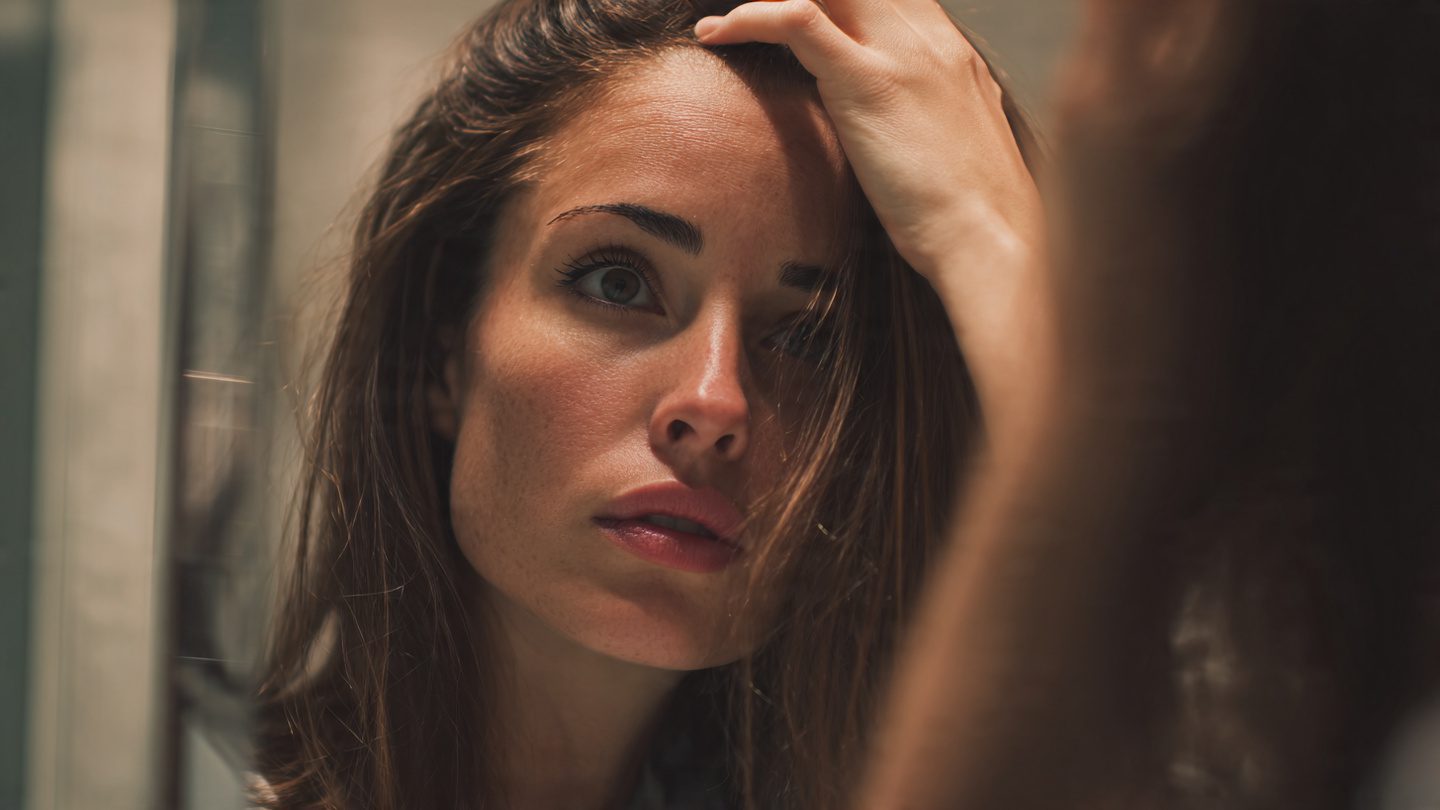
Hair loss in women carries significant psychological consequences, including decreased self-esteem, anxiety, and depression. Coping strategies, such as counseling, support groups, and mindfulness, can reduce emotional stress, which in turn positively affects hair health.
Mind-body interventions, combined with lifestyle and medical treatments, create a comprehensive approach to managing hair loss. Psychological wellbeing is both a consequence and a contributing factor to hair shedding, highlighting the importance of a holistic management strategy.
Treatments and Strategies to Reduce Hair Loss
Managing hair loss requires a multifaceted approach. Topical treatments like minoxidil can stimulate follicular activity. Nutritional supplementation addresses deficiencies, while lifestyle changes—stress reduction, sleep optimization, and exercise—support hormonal balance and overall follicle function.
Non-invasive therapies like low-level laser therapy (LLLT) enhance circulation and cellular metabolism in follicles. For persistent or severe cases, medical evaluation may identify underlying disorders that require specific interventions. Combining these strategies provides the most effective defense against progressive hair loss in women.
How to deal with hormonal imbalance without medication ?
Why am I still tired even though I get enough sleep ?
How to relieve severe menstrual pain naturally ?
Summary
Hair loss in women is a multifactorial problem involving genetics, hormones, stress, nutrition, lifestyle, scalp health, and environmental factors. Understanding the underlying causes is critical to developing effective strategies for prevention and regrowth. Natural interventions, medical treatments, and holistic approaches work synergistically to maintain hair density, improve follicle health, and enhance psychological wellbeing.
FAQ
1. What are the most common causes of hair loss in women?
Hormonal imbalances, genetics, stress, nutritional deficiencies, medical conditions, and lifestyle factors are primary contributors.
2. Can stress alone cause hair loss in women?
Yes. Telogen effluvium is a stress-induced hair shedding condition that is usually temporary but can be pronounced.
3. How do nutritional deficiencies affect hair health?
Deficiencies in iron, zinc, vitamin B12, protein, and essential fatty acids impair follicle function and trigger shedding.
4. Is female pattern hair loss hereditary?
Yes. Women with a family history of thinning hair are more susceptible to androgenetic alopecia.
5. What strategies can help prevent hair loss?
Balanced nutrition, stress management, gentle hair care, scalp health maintenance, medical evaluation, and lifestyle optimization are key strategies.
Call-to-Action
If you’re struggling with hair loss, don’t wait to act. Start with a comprehensive evaluation of your diet, stress levels, scalp health, and hormonal status. Implement holistic strategies to protect and restore hair naturally. Consult a healthcare professional for persistent or severe cases and reclaim your confidence and hair health today.