
 Befrey
If you are searching for “How to relieve severe menstrual pain naturally?”, you are not alone. Millions of women experience debilitating cramps, back pain, headaches, and mood swings during menstruation. Severe menstrual pain, or dysmenorrhea, can disrupt daily life, work, and sleep. Understanding how to relieve severe menstrual pain naturally requires exploring both body mechanics and lifestyle factors. Natural remedies, dietary adjustments, stress management, exercise, and herbal therapies all play a role in reducing inflammation, regulating hormones, and soothing cramps. This guide will provide comprehensive, step-by-step methods to relieve menstrual pain effectively and naturally, empowering you to take control of your reproductive health without over-reliance on medications.
Causes of Severe Menstrual Pain
Understanding why menstrual cramps occur is the first step in alleviating them. Severe pain often results from uterine contractions caused by prostaglandins—hormone-like chemicals that trigger the uterus to shed its lining. High levels of prostaglandins increase the intensity of cramps, leading to pain radiating into the lower back, thighs, and even causing nausea or diarrhea. Other factors, such as endometriosis, fibroids, adenomyosis, and pelvic inflammatory disease, may intensify pain. Lifestyle factors, including stress, poor nutrition, and sedentary habits, can exacerbate symptoms. Knowing the root causes is essential to select the most effective natural relief strategies.

Heat Therapy for Natural Menstrual Pain Relief
One of the simplest and most effective ways to relieve menstrual cramps naturally is heat therapy. Applying a heating pad or hot water bottle to the lower abdomen relaxes uterine muscles and increases blood flow, reducing the severity of contractions. Warm baths with Epsom salts can soothe the body and provide mental relaxation. Consistent application of heat for 15–20 minutes several times a day can dramatically reduce pain. Combining heat therapy with light stretching amplifies the benefits. Herbal heat packs infused with lavender or chamomile can enhance relaxation and improve the effectiveness of this natural remedy.
Herbal Remedies to Relieve Severe Menstrual Pain Naturally
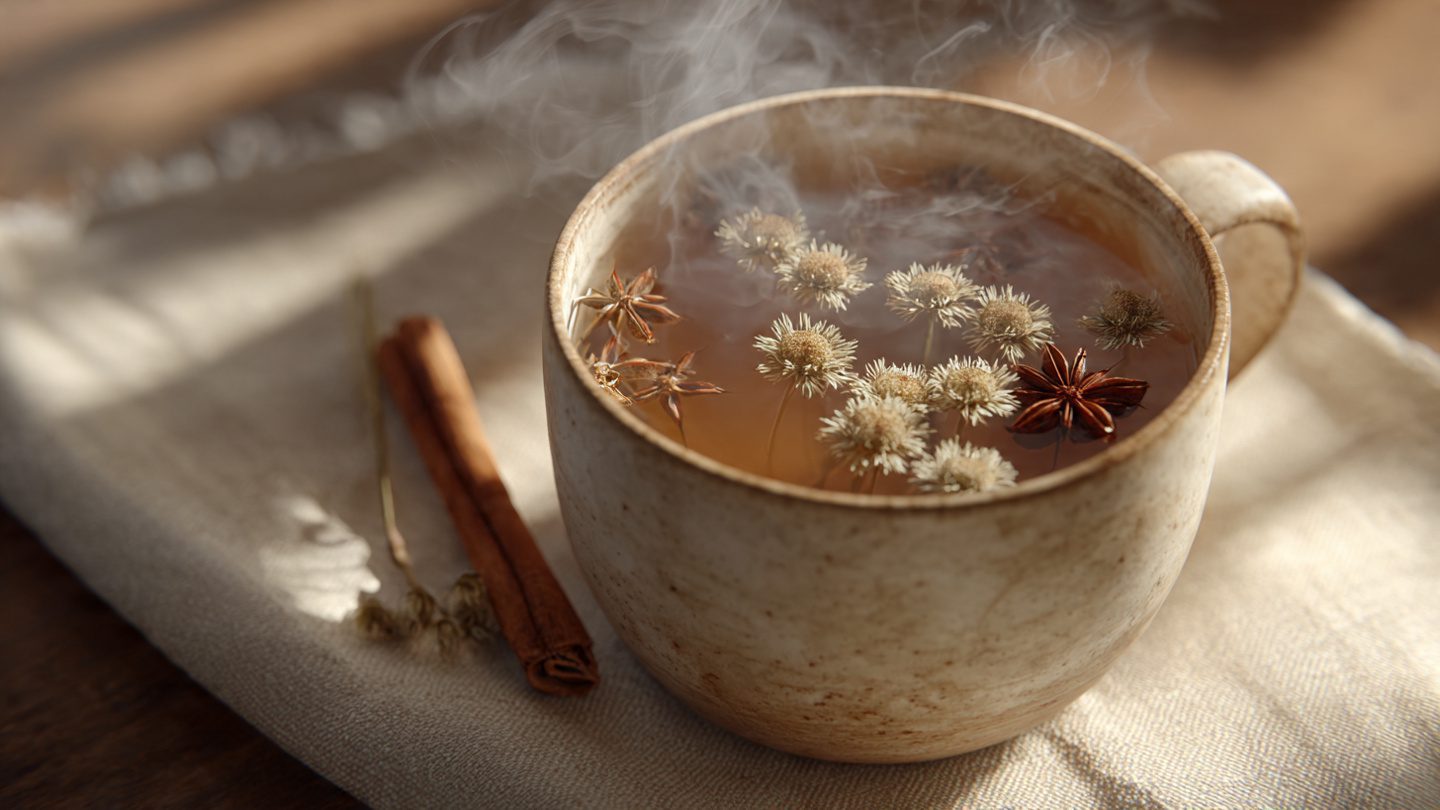
Herbal therapies have been used for centuries to address menstrual pain. Herbs such as chasteberry (Vitex agnus-castus) help balance hormones and regulate menstrual cycles. Ginger reduces prostaglandin synthesis, which directly alleviates cramps and inflammation. Cinnamon supports blood circulation and can minimize clotting-related pain. Chamomile tea acts as a natural muscle relaxant and has calming effects on the nervous system. Fennel seeds help relax uterine muscles and improve digestion, reducing bloating and discomfort. These herbal remedies, taken as teas, supplements, or tinctures, provide gentle yet effective pain relief without the side effects of medications.
Diet and Nutrition to Ease Menstrual Pain
Nutrition plays a pivotal role in relieving severe menstrual pain naturally. Anti-inflammatory foods reduce prostaglandin production and support hormonal balance. Omega-3 fatty acids, found in salmon, flaxseeds, and walnuts, act as natural anti-inflammatories. Leafy greens, broccoli, and other magnesium-rich foods relax muscles and ease cramping. Reducing processed sugar, caffeine, and alcohol prevents hormonal spikes that intensify pain. Hydration is equally important; warm water or herbal teas help maintain circulation and prevent bloating. Additionally, iron-rich foods like lentils, spinach, and fortified cereals help replace iron lost during menstruation, minimizing fatigue and discomfort.
Exercise and Physical Activity for Pain Relief
Regular movement may seem counterintuitive during severe cramps, but light exercise is highly effective in reducing pain naturally. Activities like walking, yoga, and stretching release endorphins—natural painkillers produced by the body. Core-strengthening exercises improve blood circulation in the pelvic region, reducing cramp severity. Aerobic exercises elevate heart rate and improve overall oxygenation, which supports uterine muscle relaxation. Pilates and gentle strength training enhance postural support, alleviating back pain associated with menstruation. Maintaining a consistent exercise routine also regulates hormones over time, making periods less painful in the long term.
Stress Management and Relaxation Techniques
Stress amplifies menstrual pain by increasing cortisol levels, which can interfere with progesterone and estrogen balance. Techniques like mindfulness meditation, deep breathing, and guided visualization reduce stress and relax uterine muscles. Progressive muscle relaxation, where each muscle group is tensed and released, also helps manage pain naturally. Aromatherapy with essential oils such as lavender, clary sage, or peppermint can enhance relaxation and mental calmness. Adequate sleep and digital detox practices further lower stress hormone levels, providing natural relief from menstrual discomfort. A holistic approach that addresses both body and mind is essential for long-lasting pain management.
Acupuncture and Alternative Therapies
Acupuncture has been shown to reduce severe menstrual pain by stimulating energy pathways that balance hormones and improve blood circulation. Targeted acupoints in the lower abdomen and back can alleviate cramping and pelvic tension. Reflexology, which applies pressure to specific points on the feet or hands, can also reduce pain intensity. Some women benefit from massage therapy, especially abdominal and lower-back massage, which promotes relaxation and enhances circulation. Combining these therapies with diet and exercise provides a multi-layered approach that tackles both the symptoms and underlying causes of menstrual pain.
Vitamins and Supplements for Menstrual Pain Relief
Certain vitamins and minerals can significantly reduce menstrual discomfort naturally. Magnesium relaxes muscles and reduces cramps, while vitamin B1 (thiamine) improves nerve function and decreases pain severity. Vitamin E acts as an antioxidant, reducing inflammation in uterine tissues. Omega-3 fatty acids, either through diet or supplements, can lower prostaglandin production, minimizing cramps. Zinc supports hormonal balance and enhances immune function, which can prevent pain-related fatigue. These nutrients, taken under guidance from a healthcare professional, offer a safe and natural way to support menstrual health.
Lifestyle Adjustments to Reduce Pain Naturally
Small lifestyle changes have a profound impact on menstrual pain. Maintaining a healthy weight and balanced diet reduces hormonal fluctuations. Avoiding smoking and limiting alcohol intake improves circulation and decreases inflammation. Regular sleep patterns support hormonal regulation, while mindful time management reduces stress. Incorporating warm compresses, light stretching, herbal teas, and meditation into your daily routine ensures consistent natural relief. Over time, these lifestyle adjustments create an environment where menstrual pain is less severe and more manageable.
When to Seek Professional Help
While natural remedies are effective, some situations require professional intervention. Severe pain accompanied by heavy bleeding, irregular cycles, or signs of endometriosis, fibroids, or pelvic inflammatory disease should prompt a medical evaluation. Blood tests, pelvic ultrasounds, and hormone monitoring help identify underlying conditions. Doctors may combine natural remedies with targeted medical treatments for optimal results. Consulting a healthcare professional ensures that you manage pain safely and prevent complications. Early intervention enhances both comfort and long-term reproductive health.
Why do I have an irregular menstrual cycle and how can I fix it ?
Summary
Severe menstrual pain is common but manageable. Understanding how to relieve severe menstrual pain naturally involves a combination of diet, exercise, herbal remedies, stress management, lifestyle adjustments, and alternative therapies. Heat therapy, targeted nutrition, supplements, and physical activity all contribute to reduced cramping and improved menstrual comfort. Holistic approaches that consider both physical and emotional wellbeing provide the best long-term results. By integrating these natural strategies, women can achieve consistent relief from menstrual pain while supporting overall health.
FAQ
1. Can severe menstrual pain be completely relieved naturally?
Many women experience significant relief with natural methods, though underlying medical conditions may require additional treatment.
2. Which herbs are most effective for menstrual cramps?
Ginger, cinnamon, chasteberry, fennel seeds, and chamomile are proven to reduce prostaglandins and relax muscles.
3. Does exercise really help with cramps?
Yes, light aerobic exercise and yoga release endorphins and improve blood flow, reducing pain intensity.
4. How long does it take to notice improvements with natural remedies?
Results vary, but most women see noticeable pain reduction within one to three menstrual cycles.
5. When should I see a doctor for menstrual pain?
Seek professional advice if pain is severe, accompanied by abnormal bleeding, or interferes with daily activities.
Call to Action (CTA)
Take control of your menstrual health naturally. Start incorporating herbal teas, heat therapy, gentle exercise, and mindful stress management into your routine today. Empower yourself to reduce severe menstrual pain and enjoy life without interruption.






