
Learn How to Clean the Interior of Your Car Without Chemicals — The Secret to a Spotless, Toxin-Free Ride
 Befrey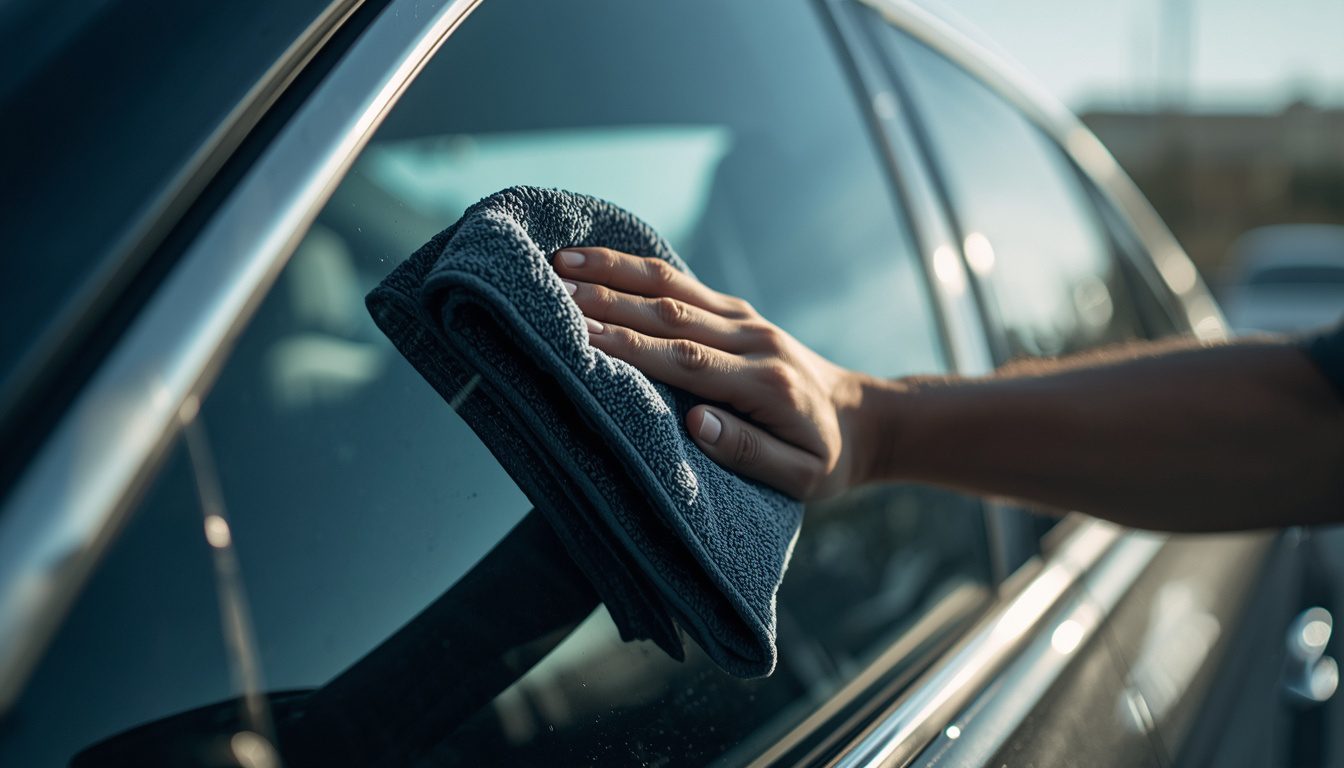
Learning how to clean the interior of your car without chemicals is easier than most drivers assume, and it can completely transform the way your vehicle looks, smells, and feels every single day. Chemical-free car cleaning isn’t just a trend for eco-conscious drivers; it’s a practical, affordable, and surprisingly effective approach that avoids harsh fumes, sticky residue, and long-term damage to sensitive interior materials. Many store-bought cleaning products contain aggressive solvents that can fade upholstery, crack dashboards, and leave behind a chemical smell that lingers for days after every cleaning session. This guide walks you through natural, safe, and genuinely powerful methods to clean every surface inside your car, from leather seats to dashboard vents, using ingredients you likely already have in your kitchen. Whether you’re a parent worried about toxic residue near children, an allergy sufferer sensitive to strong fumes, or simply someone who wants a cleaner, cheaper alternative, this article gives you everything you need. By the end, you’ll understand exactly how to clean the interior of your car without chemicals while achieving results that rival, and sometimes beat, expensive commercial products.
Why Learning How to Clean Your Car Interior Without Chemicals Matters
Most drivers reach for whatever cleaning spray is sitting on the store shelf without ever reading the ingredient label or considering what’s actually inside that bottle. Many conventional car cleaning products contain ammonia, phthalates, and volatile organic compounds, all of which can trigger headaches, respiratory irritation, and allergic reactions inside the enclosed space of a vehicle cabin. Because a car interior is a small, sealed environment with limited airflow, chemical fumes concentrate far more intensely than they would in an open room, making every spray and wipe potentially more harmful than people realize. Natural cleaning alternatives eliminate this risk entirely while still delivering genuinely deep, effective cleaning results across every surface in your car. Beyond health concerns, harsh chemicals can also degrade specific interior materials over time, causing leather to crack prematurely, plastic trim to fade, and rubber seals to become brittle years before they should. Choosing a chemical-free approach protects both your health and your vehicle’s long-term condition, which makes it a smarter decision on nearly every level. Once you understand which natural ingredients actually work, you’ll likely never go back to a chemical-laden spray bottle again.
Natural Car Interior Cleaning Methods You Can Start Using Today
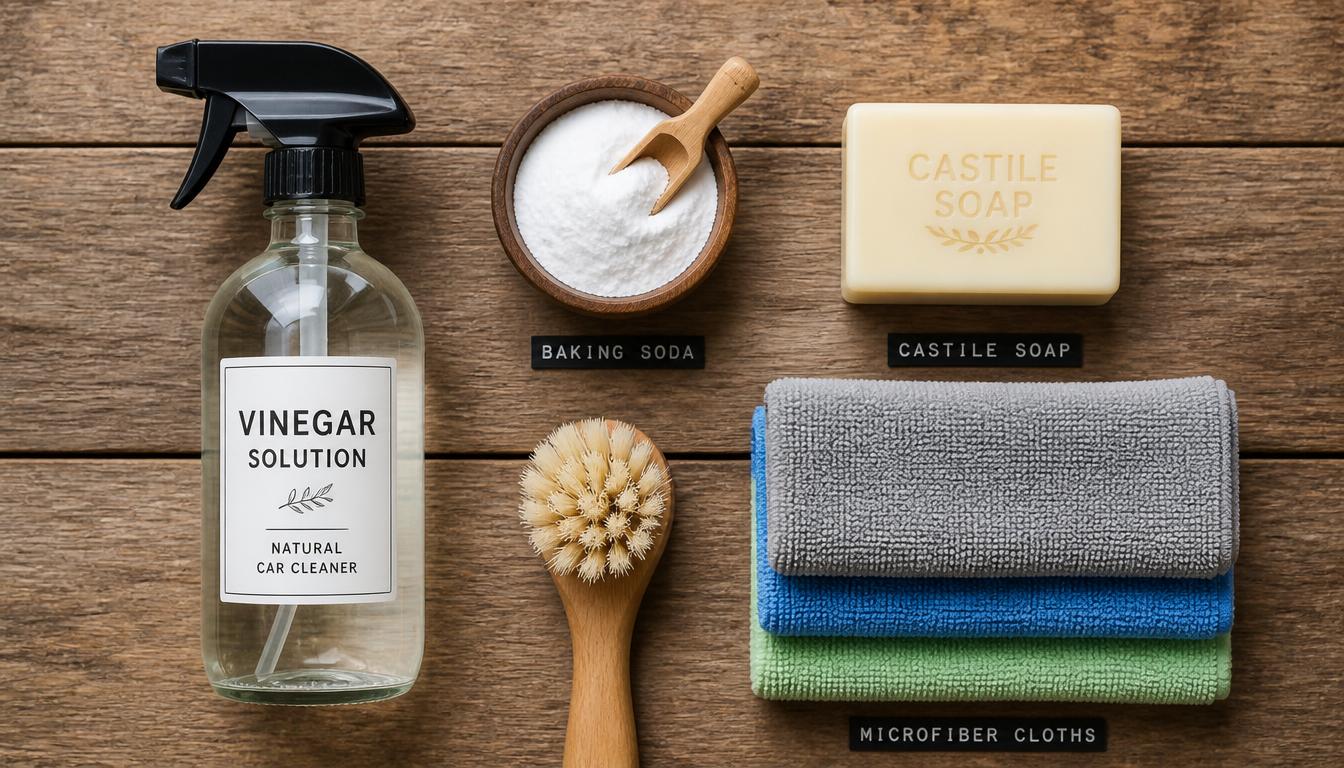
Natural car interior cleaning methods rely on a small handful of powerful, versatile ingredients that can handle almost every cleaning task inside your vehicle. White vinegar, baking soda, castile soap, and microfiber cloths form the core toolkit of nearly every effective chemical-free cleaning routine, and each one serves a distinct purpose depending on the surface you’re tackling. Vinegar works as a natural disinfectant and degreaser, cutting through grime on hard surfaces like door panels, cupholders, and dashboards without leaving behind any chemical residue. Baking soda acts as a gentle abrasive and powerful odor absorber, making it ideal for fabric seats, carpets, and any area where smells tend to linger over time. Castile soap, derived from plant oils, creates a mild yet effective cleaning solution when diluted with water, and it’s gentle enough for leather, vinyl, and most upholstery fabrics without stripping natural oils or protective coatings. Microfiber cloths deserve special mention because their fine fibers trap dust, dirt, and grime far more effectively than paper towels or standard cotton rags, all without requiring any cleaning solution at all in many cases. Combining these four basic tools creates a complete natural cleaning system capable of handling nearly every interior surface your car has to offer.
How to Remove Car Odors Naturally Using Simple Household Items
Removing car odors naturally starts with understanding that most commercial air fresheners don’t actually eliminate smells; they simply mask them temporarily with a stronger competing scent. Baking soda remains one of the most effective natural odor absorbers available, working by neutralizing acidic and alkaline odor molecules rather than covering them up with fragrance. Sprinkle a generous layer of baking soda directly onto fabric seats, carpets, and floor mats, let it sit for at least several hours or overnight for stubborn smells, then vacuum thoroughly to remove both the powder and the odor particles it absorbed. For persistent smells like cigarette smoke, pet odors, or spilled food, activated charcoal placed in small breathable bags around the cabin can pull odor molecules from the air over several days of continuous exposure. White vinegar diluted with water in a spray bottle also works remarkably well against mold and mildew smells, which often develop in cars with recurring moisture problems from wet shoes, spilled drinks, or humid climates. Coffee grounds, surprisingly, can also absorb strong odors when placed in a small open container inside the cabin overnight, though this method works best as a short-term solution rather than a permanent fix. Fresh air remains an underrated odor-fighting tool as well, since simply leaving windows open for extended periods allows natural airflow to carry away lingering smells that have built up inside an enclosed cabin.
The Vinegar Solution for Cleaning Car Windows Without Streaks
The vinegar solution for cleaning car windows has become a favorite among detailing professionals precisely because it consistently outperforms many commercial glass cleaners while costing a fraction of the price. Mix equal parts white vinegar and water in a spray bottle, then apply it directly onto a microfiber cloth rather than spraying straight onto the glass, which helps prevent liquid from seeping into dashboard electronics or door panel gaps. Wipe the window in straight, overlapping lines rather than circular motions, since circular wiping tends to redistribute streaks rather than actually removing them from the glass surface. Vinegar’s acidic properties break down the oily residue left behind by fingerprints, cigarette smoke, and the invisible film that gradually builds up on interior glass from off-gassing plastic and vinyl surfaces. For particularly stubborn buildup, especially on the inside of the windshield where this film tends to accumulate most heavily, a slightly stronger vinegar-to-water ratio can cut through grime more effectively without damaging window tint or defrost lines. Always use a completely dry, separate microfiber cloth immediately after the vinegar solution to buff the glass to a streak-free finish, since leaving any moisture behind can create new streaking as it evaporates unevenly. This method works equally well on mirrors, and many drivers find it produces a clearer, longer-lasting shine than ammonia-based commercial glass cleaners typically achieve.
DIY Homemade Car Cleaning Solutions Every Driver Should Know
DIY homemade car cleaning solutions give you complete control over exactly what touches your car’s interior surfaces, and building a small arsenal of these recipes means you’ll rarely need to buy commercial products again. A simple all-purpose cleaner can be made by combining one part white vinegar, one part water, and a few drops of castile soap, creating a solution effective against dust, light grime, and everyday surface buildup across nearly every hard interior surface. For a natural leather conditioner, mix a small amount of olive oil with a few drops of vinegar, apply sparingly with a soft cloth, and buff thoroughly to restore moisture without leaving a greasy residue behind. A carpet and upholstery pre-treatment can be created using baking soda mixed with a small amount of water to form a gentle paste, which helps lift ground-in dirt from fabric fibers before vacuuming. For plastic and vinyl trim, a mixture of water and a small amount of olive oil applied lightly with a cloth restores shine and prevents the dry, chalky appearance that plastic surfaces develop over time from sun exposure. Always test any homemade solution on a small, hidden area of your interior first, since material sensitivity can vary between different vehicles, upholstery types, and factory finishes. Keeping these recipes written down or memorized means you’ll always have an effective, chemical-free cleaning option ready whenever your car needs attention.
Cleaning Leather Car Seats Naturally Without Damaging the Material
Cleaning leather car seats naturally requires a gentler touch than fabric upholstery, since leather is a porous, living material that can crack, dry out, or discolor if treated too aggressively. Begin by vacuuming the seats thoroughly to remove loose dirt and debris before applying any liquid, since rubbing dirt into leather during the cleaning process can cause fine scratches across the surface. A mild solution of water and a small amount of castile soap, applied with a soft, damp microfiber cloth, effectively lifts dirt and body oils without stripping the leather’s natural protective layer. Always wipe in gentle, circular motions rather than scrubbing aggressively, since leather responds far better to patience than to force during the cleaning process. After cleaning, conditioning becomes essential, and a natural mixture of olive oil or coconut oil applied sparingly helps restore moisture that regular use and sun exposure gradually strip away from the material. Avoid oversaturating leather with any liquid, natural or otherwise, since excess moisture can seep into seams and stitching, potentially causing mold growth or stitching deterioration over time. Regular natural conditioning, performed roughly once every one to two months, keeps leather seats supple, prevents premature cracking, and maintains that rich appearance far longer than neglected leather ever manages to achieve.
Removing Stains From Car Upholstery Without Chemicals
Removing stains from car upholstery without chemicals depends heavily on acting quickly, since fresh stains are dramatically easier to lift than ones that have had time to set into fabric fibers. For fresh liquid spills, blot immediately with a clean, dry cloth rather than rubbing, since rubbing pushes the stain deeper into the fabric and spreads it across a wider area. Baking soda paste, made by combining baking soda with a small amount of water, works remarkably well on food stains, mud, and general grime when applied directly and left to dry before being brushed and vacuumed away. For grease or oil-based stains, cornstarch or additional baking soda sprinkled directly onto the affected area absorbs the oil over several hours, after which it can simply be vacuumed away along with the lifted residue. Club soda, surprisingly, works as an effective natural stain remover for many organic stains like coffee, wine, and juice, thanks to its mild carbonation helping to lift particles up and away from fabric fibers. For set-in or older stains, a vinegar and water solution applied with a soft brush, using gentle circular motions, can often break down stubborn residue that fresh water alone fails to touch. Patience matters significantly here, since natural stain removal sometimes requires two or three repeated applications to fully lift a stubborn stain compared to a single application of a harsh chemical spot remover.
The Hidden Dangers of Chemical Cleaners Inside Your Car
Many drivers don’t realize just how concentrated chemical exposure becomes inside a small, enclosed vehicle cabin compared to using the same products in a larger, ventilated room. Volatile organic compounds found in many commercial cleaners continue off-gassing for hours or even days after application, meaning passengers can be breathing in trace chemical residue long after the cleaning session itself has ended. Children and pets are particularly vulnerable to this exposure, since they typically sit lower in the vehicle where certain heavier chemical vapors tend to settle and concentrate. Repeated exposure to harsh cleaning chemicals has also been linked to skin irritation on hands and arms that make frequent contact with treated surfaces like steering wheels, armrests, and door handles. Beyond health concerns, many chemical cleaners contain solvents that gradually strip protective coatings from vinyl, leather, and plastic surfaces, ironically making those materials more vulnerable to future staining and sun damage. Natural cleaning alternatives sidestep these risks entirely while still delivering genuinely effective results across nearly every interior surface a vehicle contains. Understanding these hidden dangers often becomes the final push drivers need to fully commit to a chemical-free cleaning routine going forward.
Cleaning Your Dashboard and Vents the Natural Way
Dashboards and air vents accumulate dust at a surprising rate, largely due to constant airflow from the climate control system pulling particles directly onto these surfaces throughout every drive. A slightly damp microfiber cloth handles most dashboard dust effectively without any cleaning solution required at all, though a light vinegar and water mixture helps cut through oilier buildup near frequently touched areas. For the narrow gaps within air vents, an old, clean paintbrush or a repurposed makeup brush works remarkably well at loosening trapped dust before vacuuming it away with a narrow attachment nozzle. Cotton swabs dipped lightly in a diluted vinegar solution can reach even tighter crevices around buttons, dials, and vent slats where dust and grime tend to accumulate most stubbornly over time. Avoid oversaturating any electronic components, buttons, or touchscreen displays with liquid, since moisture seeping into these areas can cause long-term damage that’s far more expensive than any cleaning benefit gained. For plastic dashboard surfaces that have developed a faded, chalky appearance from sun exposure, a light application of olive oil buffed thoroughly can restore some natural shine without the greasy residue commercial dashboard sprays often leave behind. Regular light dusting every week, combined with a deeper natural cleaning session monthly, keeps dashboards and vents looking fresh without ever needing a single chemical spray.
Building a Chemical-Free Car Cleaning Kit You Can Reuse
Building a dedicated chemical-free cleaning kit means you’ll always have everything needed within arm’s reach whenever your car needs attention, rather than scrambling to gather ingredients each time. Start with a designated spray bottle filled with a vinegar and water mixture, clearly labeled to avoid confusion with other household solutions you might keep nearby. Include a small container of baking soda, a soft-bristled brush for upholstery and carpet, and at least three or four dedicated microfiber cloths reserved exclusively for car cleaning rather than shared with other household tasks. A small bottle of castile soap rounds out the core kit, providing a gentle cleaning option for leather, vinyl, and general surface cleaning whenever a stronger solution than plain water is needed. Keeping this kit stored in your trunk or garage means you can address spills, stains, or general grime the moment you notice them, rather than letting problems sit and become harder to remove later. Reusable cloths, rather than disposable wipes, also reduce ongoing costs significantly over time while producing far less household waste compared to constantly purchasing single-use cleaning products. A well-organized natural cleaning kit ultimately pays for itself within just a few uses compared to the ongoing cost of commercial chemical sprays and wipes.
Common Mistakes to Avoid When Cleaning Your Car Naturally
Even natural cleaning methods can backfire if applied incorrectly, and understanding common mistakes helps you avoid accidentally damaging your car’s interior while trying to protect it. Oversaturating any surface with liquid, whether it’s vinegar solution, soapy water, or a homemade conditioner, remains one of the most frequent errors, since excess moisture can seep into seams, electronics, and foam padding beneath upholstery. Skipping the patch test on a hidden area before applying any new natural solution risks discoloration or texture changes on surfaces that may react unexpectedly to certain ingredients. Using dirty or reused cloths across multiple surfaces can actually spread grime and bacteria rather than removing it, so rinsing or swapping cloths between different cleaning tasks makes a meaningful difference in results. Scrubbing too aggressively, particularly on leather or delicate fabric, can cause fine scratches, fraying, or pilling that no amount of conditioning can fully reverse afterward. Letting baking soda or cleaning pastes dry for far longer than recommended can sometimes make them harder to fully vacuum away, occasionally leaving faint white residue trapped deep within fabric fibers. Finally, neglecting proper ventilation while cleaning, even with natural products, can leave lingering dampness that promotes mold or mildew growth, so always crack the windows or leave doors open until surfaces are fully dry.
Car cooling system maintenance tips and tricks
How to Check Battery Health and Extend Its Life
Summary
Learning how to clean the interior of your car without chemicals comes down to mastering a handful of natural, versatile ingredients: vinegar, baking soda, castile soap, and quality microfiber cloths. These simple tools handle everything from removing stubborn odors and lifting fresh stains to restoring leather seats and clearing dashboard dust, all without exposing you or your passengers to harsh chemical fumes. Natural cleaning methods protect sensitive interior materials from premature cracking and fading while delivering results that frequently match or exceed commercial products. Building a dedicated chemical-free cleaning kit and following proper techniques, like patch testing and avoiding oversaturation, ensures consistently safe and effective results every time. This approach isn’t just healthier for your family and pets; it’s genuinely more affordable and sustainable over the long run. Once you experience how well these natural methods work, returning to harsh chemical sprays will feel completely unnecessary.
Frequently Asked Questions
Is vinegar safe to use on all car interior surfaces?
Vinegar is generally safe for glass, hard plastic, and vinyl surfaces when properly diluted, but it should always be patch-tested first on leather or delicate fabric to avoid potential discoloration.
How often should I deep clean my car’s interior naturally?
A light natural cleaning weekly, combined with a deeper session monthly involving upholstery, leather conditioning, and odor treatment, keeps most vehicle interiors in excellent condition year-round.
Will baking soda damage my car’s carpet or fabric seats?
No, baking soda is gentle and safe for fabric when used correctly, though it should always be fully vacuumed away after use to prevent any residue from remaining trapped in the fibers.
Can natural cleaning methods really remove strong odors like smoke or pet smells?
Yes, though stubborn odors may require repeated baking soda treatments or activated charcoal placement over several days for complete odor neutralization compared to a single treatment.
Do I need special tools for chemical-free car cleaning, or will household items work?
Most chemical-free car cleaning relies entirely on household items like vinegar, baking soda, and microfiber cloths, meaning you likely already own everything needed to get started today.
Call To Action
Ready to ditch the harsh chemical sprays for good? Grab a spray bottle, mix up a simple vinegar solution, and tackle just one section of your car’s interior today. Once you see and smell the difference natural cleaning makes, building the full chemical-free routine into your regular car care habits will feel effortless.





