
 Befrey
Refueling seems like a simple, everyday task. However, many drivers make errors that compromise safety, reduce fuel efficiency, and sometimes even damage their vehicles. Understanding the most common mistakes when refueling and how to avoid them is essential for every car owner. From choosing the wrong fuel type to overfilling the tank or ignoring safety precautions, each error carries potential risks. This guide will provide in-depth insight, step-by-step advice, and expert strategies to make refueling safe, efficient, and cost-effective. Whether you’re a beginner or experienced driver, mastering proper refueling habits can save money, prevent mechanical issues, and protect the environment.
Tips for Safe Refueling
Following tips for safe refueling is crucial to prevent accidents. Always turn off your engine before removing the fuel cap. Smoking or using electronic devices near the pump can ignite gasoline vapors. Keep a safe distance from the nozzle while fueling and avoid leaning over the tank opening. Ground yourself by touching a metal part of the car to dissipate static electricity. Ensure that children and pets stay clear of the fueling area. By adopting these habits, you reduce the risk of fire, chemical exposure, and spills, creating a safer environment for yourself and others.
Fuel Contamination Prevention
Preventing contamination is an often-overlooked aspect of refueling. Fuel contamination prevention ensures that dirt, water, or debris do not enter your tank. Always use reputable fuel stations with clean pumps. Avoid topping off in dusty or wet conditions. Inspect the fuel nozzle for damage or debris before inserting it. Some contaminants, like water, can lead to engine misfires, corrosion, and poor performance. Regularly cleaning the fuel cap area and keeping the tank sealed minimizes contamination. Understanding these precautions ensures that your fuel maintains its quality and your engine runs efficiently.
Overfilling Your Gas Tank Risks
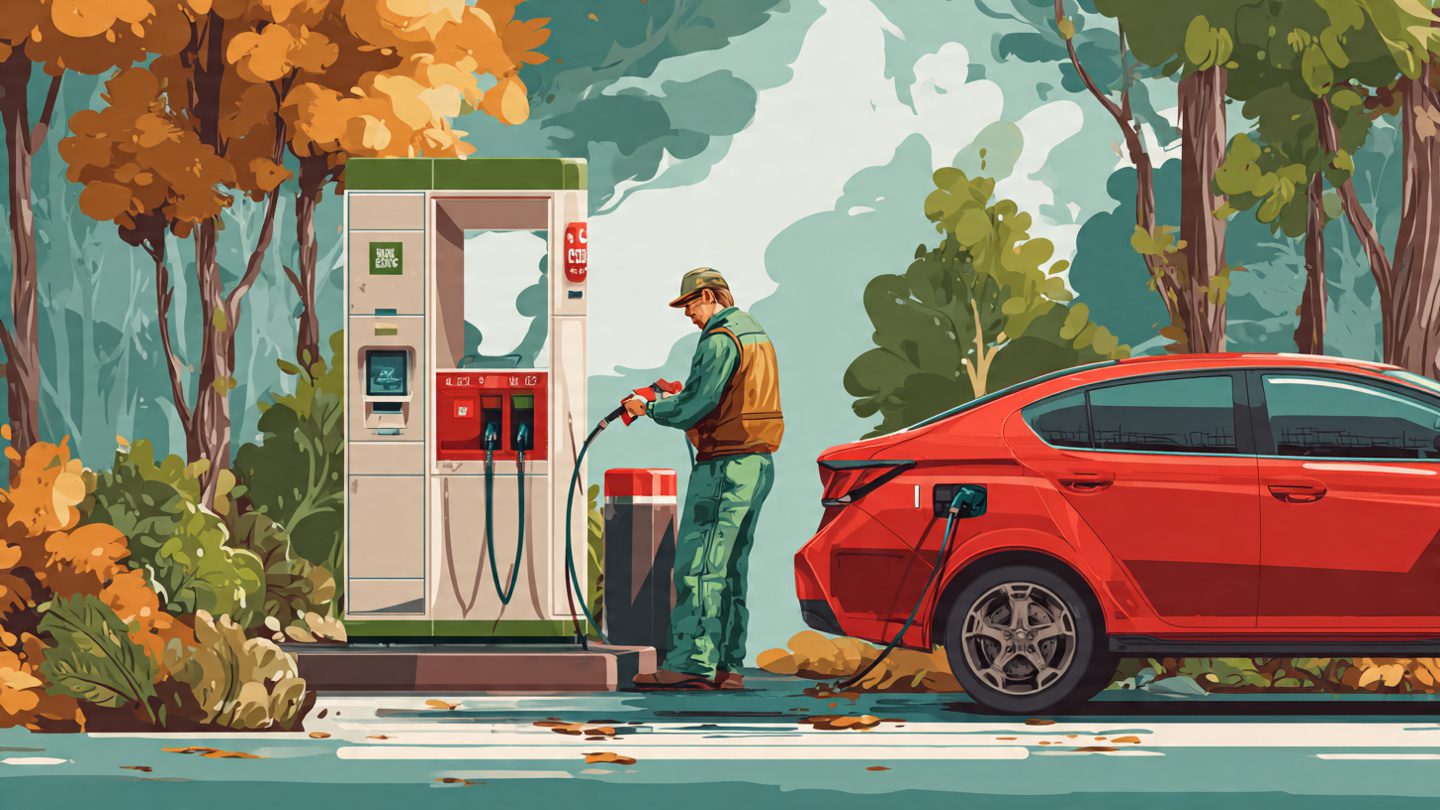
Many drivers unknowingly create hazards by ignoring overfilling your gas tank risks. Filling beyond the nozzle’s automatic shutoff can cause fuel to spill, creating fire hazards and environmental damage. Excess fuel can compromise the evaporation control system and damage emission components. Spilled gasoline also contributes to air pollution and can harm surrounding soil. Modern vehicles’ onboard sensors are designed to detect overfill, but ignoring limits still carries mechanical risks. Always stop refueling once the pump clicks, and never force additional fuel into the tank.
Choosing the Right Fuel Type
One of the most fundamental aspects of refueling is choosing the right fuel type. Using gasoline instead of diesel or vice versa can severely damage the engine. Even using the wrong octane rating can reduce efficiency and cause knocking. Consult your vehicle’s manual to determine the proper fuel. Premium fuels may benefit high-performance engines, while regular fuel suffices for standard cars. Understanding fuel specifications prevents costly repairs and optimizes performance. Proper labeling at the pump and double-checking before filling can save a lot of trouble.
Environmental Impact of Refueling Errors
The environmental impact of refueling errors is often underestimated. Spills, overfilling, and improper fuel storage contribute to soil and water pollution. Evaporative emissions from overfilling release volatile organic compounds into the atmosphere, worsening air quality. Contaminated fuel can cause engines to run inefficiently, increasing emissions. Using tips for proper disposal of fuel-soaked rags and cleaning spills reduces ecological harm. Conscious refueling habits protect ecosystems while maintaining your vehicle’s performance. Environmental responsibility is integral to modern car ownership.
How to Refuel Efficiently and Save Money
Learning how to refuel efficiently and save money benefits both your wallet and your vehicle. Avoid topping off unnecessarily, as it doesn’t increase mileage and can cause spillage. Fuel up during cooler hours to reduce evaporation losses. Use reward programs or apps that track price changes at local stations. Keeping your car well-maintained, including tire pressure and air filters, enhances fuel efficiency. Efficient refueling minimizes waste and ensures that every drop of fuel counts. Smart habits create long-term savings without compromising safety.
Common Mistakes When Using Gas Stations
Gas stations are not just for pumping fuel—they are areas where mistakes happen daily. Common errors include using damaged pumps, neglecting to pay attention to fuel type, and ignoring warning signs. Drivers sometimes rush, leading to spills or selecting the wrong nozzle. Leaving the vehicle unattended while refueling increases risk of accidents. Avoiding distractions, following station rules, and observing safe procedures prevents costly mistakes. Awareness in these high-traffic areas is key for safe, responsible fueling.
Dealing With Fuel System Maintenance
Errors during refueling can stress the fuel system. Understanding fuel system maintenance tips helps mitigate issues. Contaminated or low-quality fuel can clog injectors, damage pumps, and reduce efficiency. Regularly checking filters and using reputable fuel helps maintain the system. Avoiding overfill and topping off prevents pressure damage to components. Proper maintenance ensures longevity and reduces unexpected repair costs. Preventive care complements safe refueling practices for optimal vehicle performance.
Safety Precautions for Electric Hybrid Vehicles
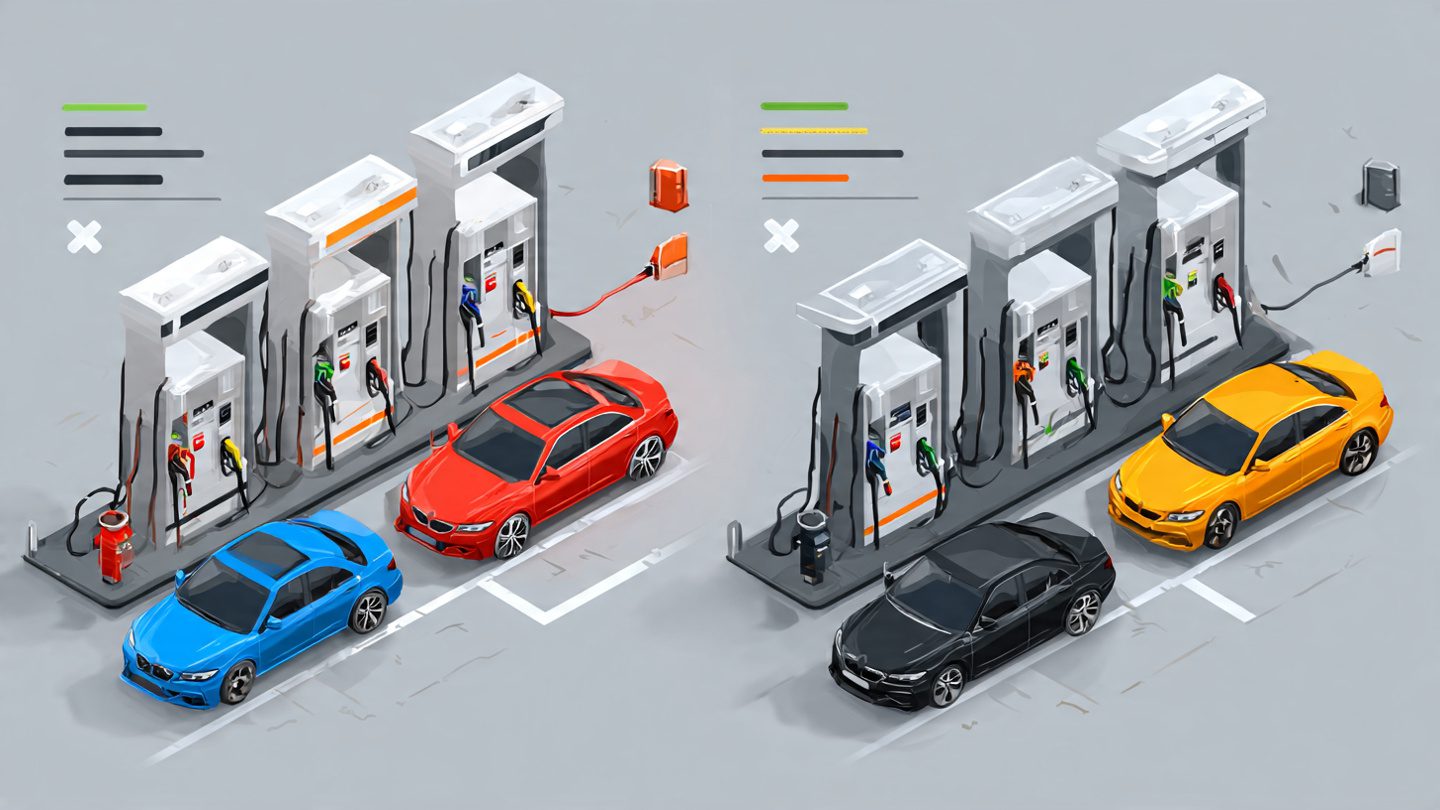
Even hybrid vehicles have fuel-related concerns. Tips for safe refueling apply equally to hybrids using gasoline engines. Some hybrid designs have smaller tanks, making overfilling more likely. Additionally, battery and engine components require careful handling. Ensuring the nozzle fits correctly and avoiding spills protects both the electric and fuel systems. Adhering to these guidelines maintains vehicle safety and performance. Safety measures are universal across vehicle types, whether conventional or hybrid.
Seasonal Considerations and Fuel Efficiency
Refueling behavior also impacts fuel efficiency during seasonal changes. Extreme heat increases evaporation losses, while cold weather affects fuel flow. Drivers should adapt by fueling in shaded areas during summer and avoiding partial fills in winter. Checking octane recommendations seasonally ensures optimal engine performance. Seasonal awareness complements the primary principles of proper refueling, reducing waste, and enhancing safety. Smart adjustments keep your car running smoothly year-round.
How to Properly Change Engine Oil at Home
Summary
Refueling may seem simple, but mistakes are common and often costly. From selecting the correct fuel type to preventing contamination and avoiding overfill, attention to detail matters. Following tips for safe refueling, maintaining your fuel system, and adopting efficient practices can save money, protect the environment, and extend your vehicle’s lifespan. By mastering proper refueling techniques, every driver can ensure safety, efficiency, and peace of mind.
FAQ
1. What is the biggest mistake drivers make when refueling?
Selecting the wrong fuel type or overfilling the tank are the most common and costly mistakes.
2. How can I prevent fuel contamination?
Use reputable fuel stations, inspect nozzles, avoid topping off, and keep the fuel cap area clean.
3. Does overfilling damage my car?
Yes, overfilling can harm emission control systems, cause leaks, and reduce efficiency.
4. How can I save money while refueling?
Fuel during cooler hours, use price tracking apps, and avoid topping off unnecessarily.
5. Are hybrid vehicles affected by refueling mistakes?
Yes, hybrid vehicles with gasoline engines face the same risks of spills, overfill, and contamination.
Call-to-Action
Take control of your refueling habits today! Follow these expert tips to avoid mistakes, save money, and keep your car safe and efficient. Share your experiences and help others refuel smarter!





