
What Should You Do If You Get Lost in the Woods? Survival Secrets That Can Save Your Life
 Befrey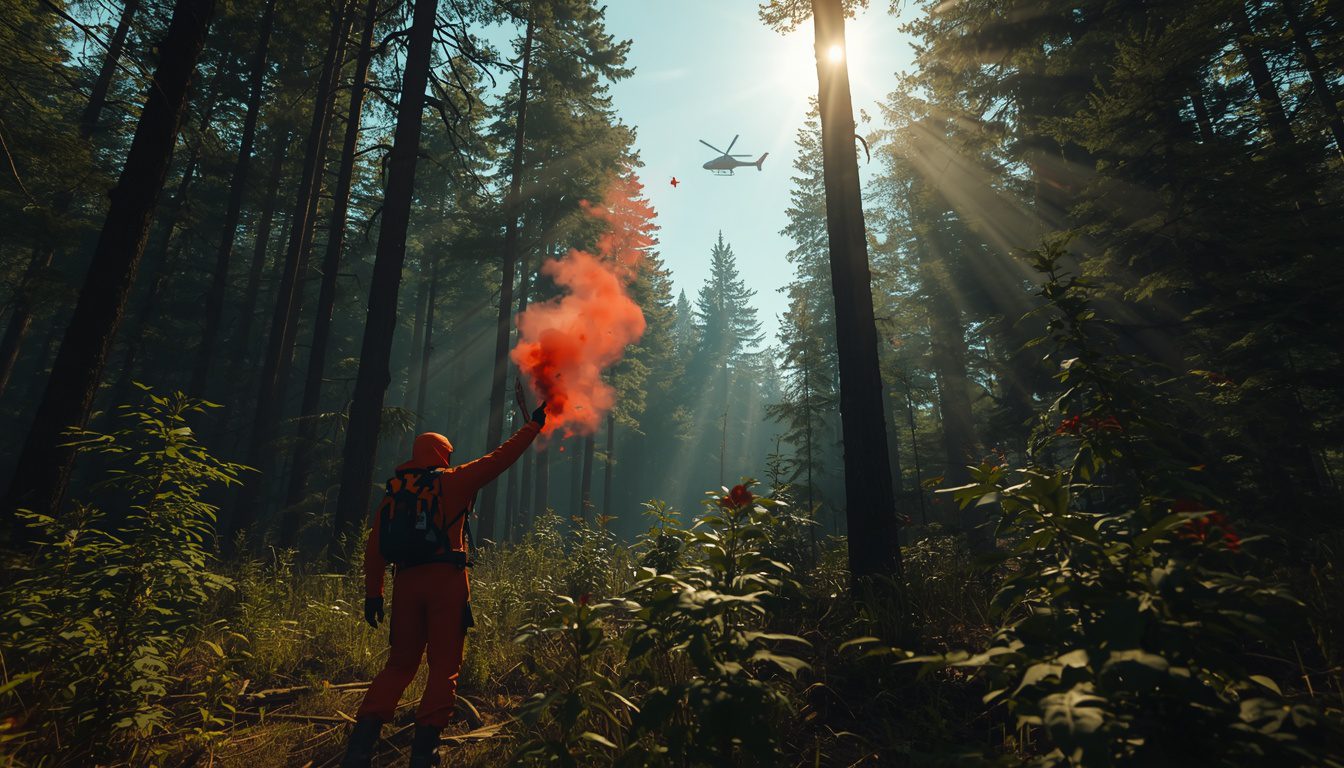
Getting lost in a forest can turn from a peaceful adventure into a terrifying survival situation within minutes. What should you do if you get lost in the woods? The answer can mean the difference between panic and survival. Whether you are hiking alone, camping with friends, hunting, or exploring unfamiliar terrain, knowing what to do when you are lost in the wilderness is critical. Many people who become disoriented in the forest make deadly mistakes because fear overrides logic. Understanding how to survive in the woods, how to stay calm, and how to attract rescuers can dramatically increase your chances of making it home safely.
Why People Get Lost in the Forest Faster Than They Expect
Most people imagine getting lost as something dramatic. They think it only happens deep in remote wilderness areas. In reality, many people become lost only a short distance from trails, roads, or campsites. Forest environments distort perception. Trees block landmarks. Sounds bounce unpredictably. Trails disappear under leaves, snow, or mud. Fog and darkness make navigation even harder.
One of the biggest problems is overconfidence. People assume they will remember the way back. They leave marked trails for “just a minute” to investigate a sound, photograph wildlife, or collect firewood. Then they turn around and everything looks identical. Panic starts immediately. Once panic begins, logical thinking collapses. A person may walk in circles for hours without realizing it.
Another major issue is lack of preparation. Many hikers carry water but forget navigation tools. Others rely entirely on smartphones, which may lose signal or battery power. Some people enter the woods without telling anyone where they are going. This creates a nightmare for search-and-rescue teams because nobody knows where to begin searching.
Weather changes also contribute to disorientation. Rain can erase footprints. Snow hides trails. Thick clouds block the sun. Darkness falls quickly under dense tree cover. Even experienced outdoorsmen can lose orientation under these conditions.
Understanding why people become lost is the first step toward preventing disaster. Awareness creates caution. Caution creates survival.
The STOP Survival Method Can Prevent Deadly Panic
The most important thing you can do after realizing you are lost is to control your emotions immediately. Fear is your greatest enemy in a survival situation. The human brain under stress often chooses movement over logic. People instinctively keep walking because they believe movement will somehow solve the problem. In reality, random movement usually makes rescue harder.
Survival experts teach the famous STOP method:
- Stop
- Think
- Observe
- Plan
This simple process saves lives because it interrupts panic before it takes control.
When you first realize you are lost, stop moving completely. Sit down if necessary. Take slow breaths. Adrenaline creates tunnel vision and irrational decisions. Calmness restores mental clarity. Many people who survive wilderness emergencies later explain that staying mentally composed was the key factor.
Next, think carefully about your situation. When did you last know your exact location? Did you cross a stream? Did you leave a trail marker? Did you hear traffic or other people? Small details matter enormously.
Observe your surroundings. Look for recognizable landmarks, tracks, broken branches, distant lights, or sounds. Study the weather conditions. Determine how much daylight remains. Check your supplies. Even a nearly empty backpack may contain survival tools you forgot about.
Finally, create a plan. Do not wander randomly. Every movement should have a reason. A structured plan dramatically increases your survival chances.
The STOP method sounds simple, but under real fear it becomes incredibly powerful. Many survival stories begin with someone resisting the urge to panic and instead slowing down mentally.
Emergency Shelter in the Wilderness Becomes Critical at Night
One assigned semantic keyword: emergency shelter in the wilderness
Once temperatures drop, exposure becomes one of the biggest dangers in the forest. Even during mild weather, nighttime temperatures in wooded areas can become dangerous. Wind, rain, and wet clothing accelerate heat loss rapidly. Hypothermia can occur surprisingly fast.
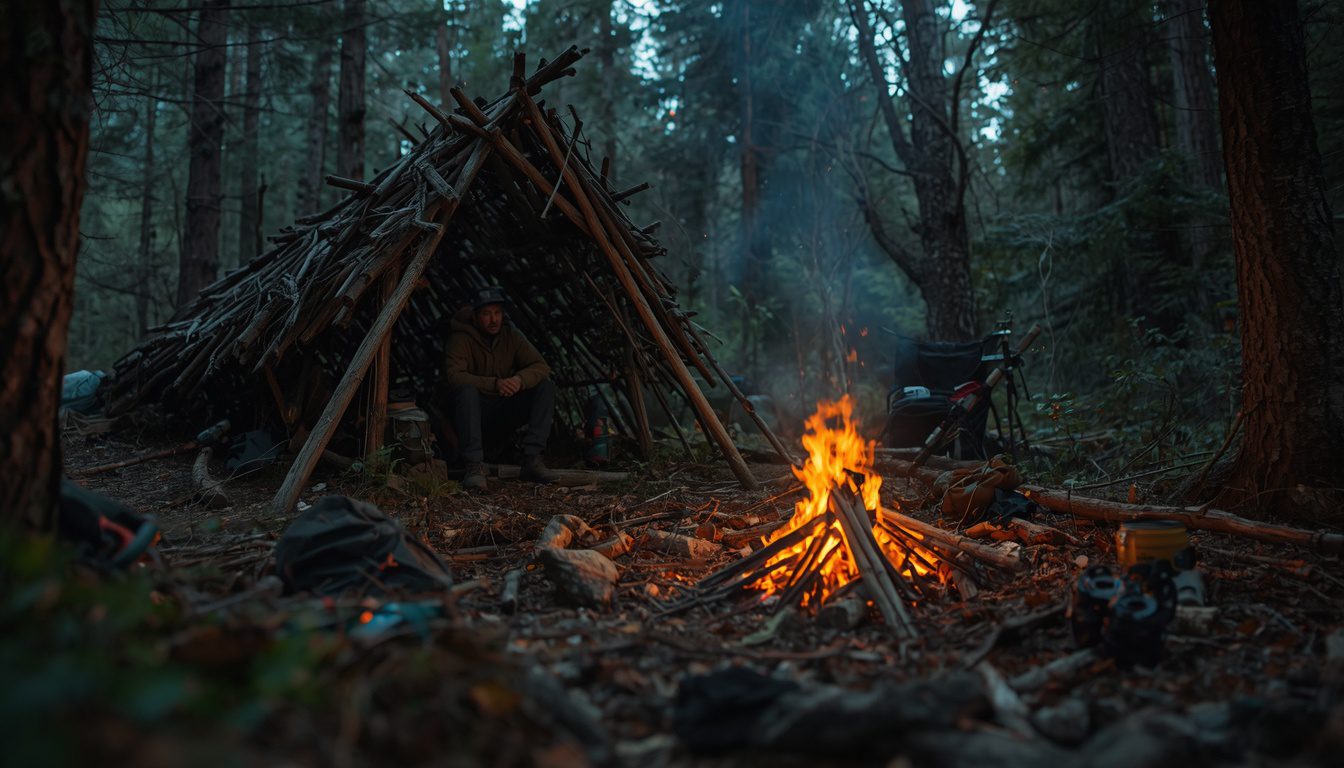
Creating an emergency shelter in the wilderness should become a priority before darkness fully arrives. Many lost individuals wait too long because they believe rescue will happen quickly. This mistake can be fatal.
A shelter does not need to be perfect. It only needs to protect you from wind, moisture, and cold air. Natural materials are often enough. Fallen branches, leaves, pine needles, bark, and moss can all help insulate your body. The goal is heat retention.
One effective survival shelter is the lean-to. Position large branches against a fallen log or rock. Cover the frame with smaller branches and forest debris. Then create thick insulation on the ground because cold earth drains body heat extremely fast.
If you carry a tarp, poncho, or emergency blanket, your survival odds improve dramatically. Even garbage bags can help trap warmth and block rain. Staying dry is essential. Wet clothing destroys body heat rapidly.
Location matters too. Avoid valleys where cold air settles overnight. Stay away from unstable trees, dead branches, and flood-prone areas near rivers. Find ground that is relatively elevated and protected from wind.
Fire can significantly improve shelter effectiveness. A small fire positioned near your shelter provides warmth, light, psychological comfort, and a rescue signal. However, fire safety is essential to avoid starting a forest fire.
People often underestimate how mentally important shelter is. A protected space reduces panic. It creates structure and gives the mind a sense of control. In survival situations, psychological stability is almost as important as physical safety.
How to Find Clean Water in the Forest Without Taking Risks
One assigned semantic keyword: how to find clean water in the forest
Humans can survive weeks without food but only days without water. Dehydration weakens judgment, reduces energy, and accelerates panic. Finding safe water becomes a critical priority during extended survival situations.
The challenge is that not all forest water is safe. Clear-looking streams can contain bacteria, parasites, or dangerous contaminants. Drinking unsafe water can create severe illness, vomiting, or diarrhea, which makes dehydration even worse.
The safest option is boiling water. If you can start a fire and have a metal container, boiling kills most dangerous microorganisms. Water purification tablets or portable filters are even better if available.
Look for moving water instead of stagnant pools. Streams and flowing creeks are generally safer than standing water. Rainwater collected from leaves or clean surfaces can also be useful.
Morning dew is another survival water source many people overlook. Cloth or clothing can absorb dew from grass and plants. The moisture can then be squeezed into a container or directly into the mouth.
Animal tracks sometimes lead toward water sources. Dense green vegetation may indicate nearby moisture. Low terrain areas can contain streams, but caution is necessary because valleys may also increase cold exposure.
Avoid drinking from water sources near dead animals or strong chemical smells. Never assume mountain water is automatically safe simply because it appears clean.
Rationing water is often misunderstood. If water is available, drink enough to stay hydrated. Severe restriction may weaken you faster. However, avoid unnecessary sweating and overexertion during hot weather.
Water management is one of the defining factors between survival and collapse in wilderness emergencies. People who think clearly about hydration maintain better decision-making abilities for longer periods.
Lost in the Woods at Night Requires Different Survival Tactics
One assigned semantic keyword: lost in the woods at night
Darkness transforms the forest into a completely different environment. Familiar paths vanish. Distances become impossible to judge. Sounds seem amplified and threatening. Fear increases dramatically after sunset.
If you are lost in the woods at night, unnecessary movement usually becomes far more dangerous. Injuries commonly occur because people attempt to navigate in darkness. A twisted ankle, fall, or head injury can escalate a manageable situation into a life-threatening emergency.
Nighttime survival priorities should shift toward protection and visibility. Focus on shelter, warmth, and signaling rather than travel. Unless you are absolutely certain of your direction and safety, staying put is often the smartest decision.
Your senses behave differently at night. The human brain often misinterprets sounds in darkness. Small animals may sound huge. Wind through trees can resemble voices or footsteps. Fear can create irrational decisions if you do not consciously control your thinking.
Use available light carefully. Flashlights should be conserved if battery life is limited. Avoid draining phone batteries unnecessarily. Emergency power may become essential later for communication or signaling.
Fire becomes even more valuable at night. It provides warmth, discourages some wildlife, boosts morale, and increases visibility for rescuers. Smoke during daylight and flames at night are classic rescue signals.
Keeping your body insulated is critical. Even summer nights can become dangerously cold in forests. Layer clothing whenever possible. Stuff dry leaves between clothing layers for extra insulation if necessary.
Many survival experts emphasize one important principle: nighttime is often for surviving, not traveling. Waiting for daylight may feel emotionally difficult, but patience often prevents catastrophic mistakes.
Wilderness Navigation Tips That Can Help You Reorient Yourself
One assigned semantic keyword: wilderness navigation tips
Navigation errors are responsible for countless wilderness emergencies. Knowing basic wilderness navigation tips can dramatically improve your ability to regain orientation without making the situation worse.
The first rule is avoiding random movement. Wandering aimlessly almost always creates larger search areas for rescuers. Every step should have purpose.
If you have a map and compass, stop and use them methodically. A compass becomes extremely valuable in dense forests where visual landmarks disappear. Learn to orient maps correctly and identify terrain features such as rivers, ridges, and roads.
Without tools, natural navigation methods can still help, although they are less reliable. The sun rises roughly in the east and sets roughly in the west, but terrain and seasons affect perception. Moss growth on trees is not dependable enough to trust completely.
Waterways sometimes lead toward civilization because roads and settlements are frequently built near rivers. However, following rivers can also expose you to dangerous terrain, cliffs, or flooding. Careful judgment is required.
Marking your path is essential if you move. Break small branches carefully, stack stones, or create visible ground symbols. This helps rescuers track your movement and prevents you from walking in circles.
Walking in a straight line through dense forest is harder than most people realize. Humans naturally drift directionally when visual references disappear. Choosing distant reference points can reduce circular wandering.
If you hear distant traffic, machinery, dogs, or voices, stop and listen carefully before moving. Sounds travel unpredictably in forests. Climbing slightly elevated terrain may improve both visibility and sound detection.
Navigation is not just about finding your way out. It is about making controlled decisions that reduce risk while maximizing rescue opportunities.
How to Signal for Rescue in the Woods Effectively
One assigned semantic keyword: how to signal for rescue in the woods
Search-and-rescue teams rely heavily on visibility and sound detection. Knowing how to signal for rescue in the woods can drastically reduce the time needed to locate you.
The universal distress signal is “three.” Three whistle blasts. Three fires. Three flashes of light. Three repeated shouts. This pattern communicates intentional distress rather than ordinary outdoor activity.
Whistles are among the best survival tools ever created. They require far less energy than shouting and travel longer distances. Many survival experts consider whistles more important than knives in certain emergencies.
Bright colors improve visibility enormously. Jackets, backpacks, tarps, or emergency blankets should be displayed openly whenever aircraft or rescuers may be nearby. Reflective surfaces can attract attention from long distances.
Ground signals are also highly effective. Large symbols made from rocks, logs, or branches can be visible from the air. The classic SOS pattern remains universally recognized.
Smoke signals work well during daylight. Green leaves added to fires create thick smoke that stands out against forest backgrounds. At night, flames become more visible than smoke.
Phones should be used strategically. Even weak signal areas may allow emergency text messages. Battery conservation becomes critical. Activate airplane mode when not actively trying communication.
Mirrors, metal objects, and even phone screens can reflect sunlight toward aircraft or distant rescuers. These reflections can travel enormous distances under the right conditions.
One major survival mistake is assuming nobody is searching yet. If someone knows your planned route, rescue efforts may begin quickly. Staying visible dramatically improves rescue success.
Survival Gear for Hiking Trips Can Save Your Life
One assigned semantic keyword: survival gear for hiking trips
Preparation is often the biggest difference between inconvenience and tragedy. Carrying proper survival gear for hiking trips can transform a dangerous emergency into a manageable challenge.
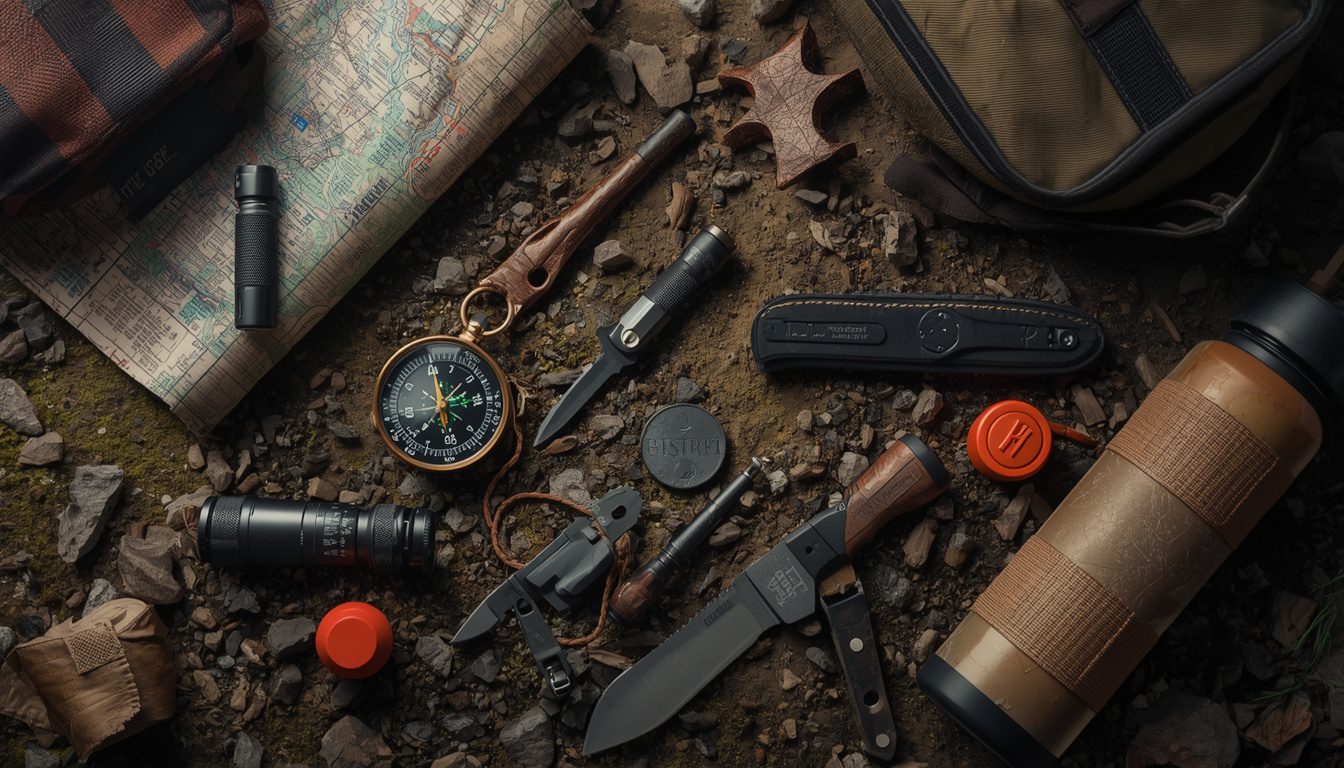
Many survival essentials fit inside a small lightweight kit. A whistle, flashlight, fire starter, emergency blanket, knife, compass, water purification tablets, and high-energy snacks weigh very little but provide enormous survival advantages.
Fire-starting tools are especially critical. Waterproof matches, lighters, ferro rods, and tinder can provide warmth, morale, and signaling capability. Fire often becomes the psychological turning point between panic and confidence.
Navigation tools remain essential even in the smartphone era. Batteries die. Signals disappear. Maps and compasses never depend on cell towers.
First aid supplies should include bandages, blister treatment, pain relievers, antiseptic wipes, and any personal medications. Minor injuries become major survival problems when untreated.
Clothing matters more than many people realize. Layered clothing protects against temperature changes. Waterproof outer layers prevent dangerous heat loss. Bright colors improve rescue visibility.
Food is psychologically important even if humans can survive without it for extended periods. Energy bars, nuts, dried fruit, and compact emergency rations help maintain mental clarity.
A headlamp is superior to a handheld flashlight because it keeps both hands free. Extra batteries should always be included.
Perhaps the most overlooked survival tool is communication planning. Always tell someone where you are going, when you expect to return, and what route you plan to follow. This single habit has saved countless lives.
Preparedness does not mean paranoia. It means respecting nature enough to understand that accidents can happen to anyone.
Wildlife Encounters Become More Dangerous When You Panic
Forests contain wildlife ranging from harmless animals to potentially dangerous predators. Most wildlife encounters are not fatal, but panic can escalate situations rapidly.
The majority of animals avoid humans whenever possible. Problems usually occur when animals feel cornered, threatened, or surprised. Noise while walking often prevents sudden encounters.
Bears require special caution. Running may trigger predatory instincts. In many cases, slowly backing away while appearing non-threatening is safer. Food storage is critical in bear regions because smells attract wildlife.
Snakes are another concern. Watch where you step and place your hands. Many bites occur because people accidentally surprise snakes hidden under rocks or logs.
Wild boars can become aggressive when startled. Maintaining distance is essential. Never approach baby animals because protective parents may attack.
One important principle applies across nearly all wildlife situations: remain calm. Sudden movements and screaming often worsen danger.
Food scraps should never be scattered around shelters. Odors attract animals overnight. Hanging food supplies away from sleeping areas can reduce risk.
Many people become psychologically overwhelmed by nighttime forest sounds. However, most noises come from harmless animals performing normal activities. Understanding this reduces fear significantly.
Respect for wildlife combined with calm behavior usually prevents dangerous encounters.
Mental Survival Is Just as Important as Physical Survival
One assigned semantic keyword: mental survival in wilderness emergencies
The human mind becomes either your greatest survival tool or your worst enemy during wilderness crises. Mental survival in wilderness emergencies determines whether a person thinks logically or collapses emotionally.
Fear itself is not the problem. Fear is natural. The real danger comes when fear controls decisions. Panic leads people to run blindly, abandon supplies, ignore shelter needs, or exhaust themselves unnecessarily.
Maintaining routine helps preserve mental stability. Small tasks create structure. Gathering firewood, improving shelter, organizing supplies, or signaling for rescue keeps the brain focused on productive action.
Positive thinking is not about fantasy optimism. It is about maintaining problem-solving behavior. Survivors consistently focus on immediate priorities rather than imagining worst-case scenarios.
Loneliness can also become psychologically dangerous. People alone in the woods may experience confusion, hopelessness, or distorted thinking after prolonged stress. Talking aloud to yourself, creating routines, and staying task-focused can help maintain mental clarity.
Hydration, warmth, and rest strongly influence mental performance. Exhaustion and cold dramatically reduce judgment quality. Taking care of your body directly protects your decision-making ability.
Hope matters enormously. Many rescued survivors later explain that refusing to mentally surrender kept them alive during terrifying situations.
The wilderness tests emotional control as much as physical endurance. Calm minds make better survival choices.
Common Mistakes That Make Survival Situations Worse
Many survival disasters begin with small avoidable errors. Recognizing these mistakes can help prevent tragedy.
The first major mistake is separating from trails without marking the route. Even experienced hikers underestimate how quickly forests erase orientation.
Another deadly error is panic movement. People often travel farther from safety because they cannot tolerate uncertainty. Exhaustion and injuries frequently follow.
Ignoring weather conditions is another common issue. Storms, temperature drops, and darkness can transform simple disorientation into severe survival emergencies.
Overestimating physical ability also creates danger. Injured or dehydrated individuals sometimes attempt aggressive movement despite worsening conditions.
Some people refuse to stop because they fear embarrassment. Pride can become fatal. Survival requires practical thinking, not ego.
Poor preparation remains one of the largest causes of wilderness emergencies. Minimal equipment combined with lack of planning dramatically increases risk.
Finally, many people fail to signal effectively. Rescuers cannot find someone who remains invisible and silent.
Learning from these mistakes helps create safer outdoor experiences.
Conclusion: Survival Starts With Staying Calm and Thinking Clearly
Getting lost in the forest is frightening, but it does not automatically mean disaster. What should you do if you get lost in the woods? First, control panic. Then focus on survival priorities step by step. Shelter, water, signaling, navigation, and mental stability become your core survival pillars.
Nature rewards preparation and punishes recklessness. Simple habits such as carrying survival gear, informing others of your route, and learning basic wilderness skills dramatically improve safety.
The wilderness can feel overwhelming, especially at night, but logical action creates survival opportunities. Most people who survive forest emergencies are not superhuman experts. They are ordinary individuals who stayed calm long enough to make smart decisions.
Knowledge saves lives. Preparation saves lives. Calmness saves lives.
How to Build a Makeshift Shelter Using Natural Materials
Survival in the Mountains: 10 Essential Tips
How to Choose a High-Quality Survival Knife
Summary
Getting lost in the woods can quickly become dangerous if panic takes control. The STOP method helps maintain calm and logical thinking. Shelter, water, warmth, navigation, signaling, and mental resilience are the most important survival priorities. Staying visible for rescuers and avoiding reckless movement greatly increases survival chances. Proper preparation before entering the wilderness can prevent many emergencies entirely.
FAQ
1. Should you stay in one place if you are lost in the woods?
Usually yes, especially if people know where you are. Staying put helps rescuers locate you faster and reduces the risk of injury from wandering.
2. What is the first thing you should do when lost?
Stop moving immediately and calm yourself. Panic leads to poor decisions. Use the STOP survival method to assess the situation carefully.
3. How long can someone survive lost in the forest?
Survival depends on weather, shelter, water, injuries, and mental condition. Many people survive for days or even weeks with proper decisions.
4. Is it safe to drink river water in the woods?
Not always. Even clear water may contain harmful bacteria or parasites. Boiling or filtering water is safest whenever possible.
5. What survival item is most important in the woods?
There is no single perfect item, but many experts prioritize a whistle, fire starter, and emergency shelter because they directly support rescue and survival.
CTA (Call-to-Action)
If you found this survival guide helpful, share it with friends, hikers, campers, and outdoor enthusiasts. Learning wilderness survival skills today could save a life tomorrow. Stay prepared, stay calm, and respect the power of nature every time you enter the woods.





