
 Befrey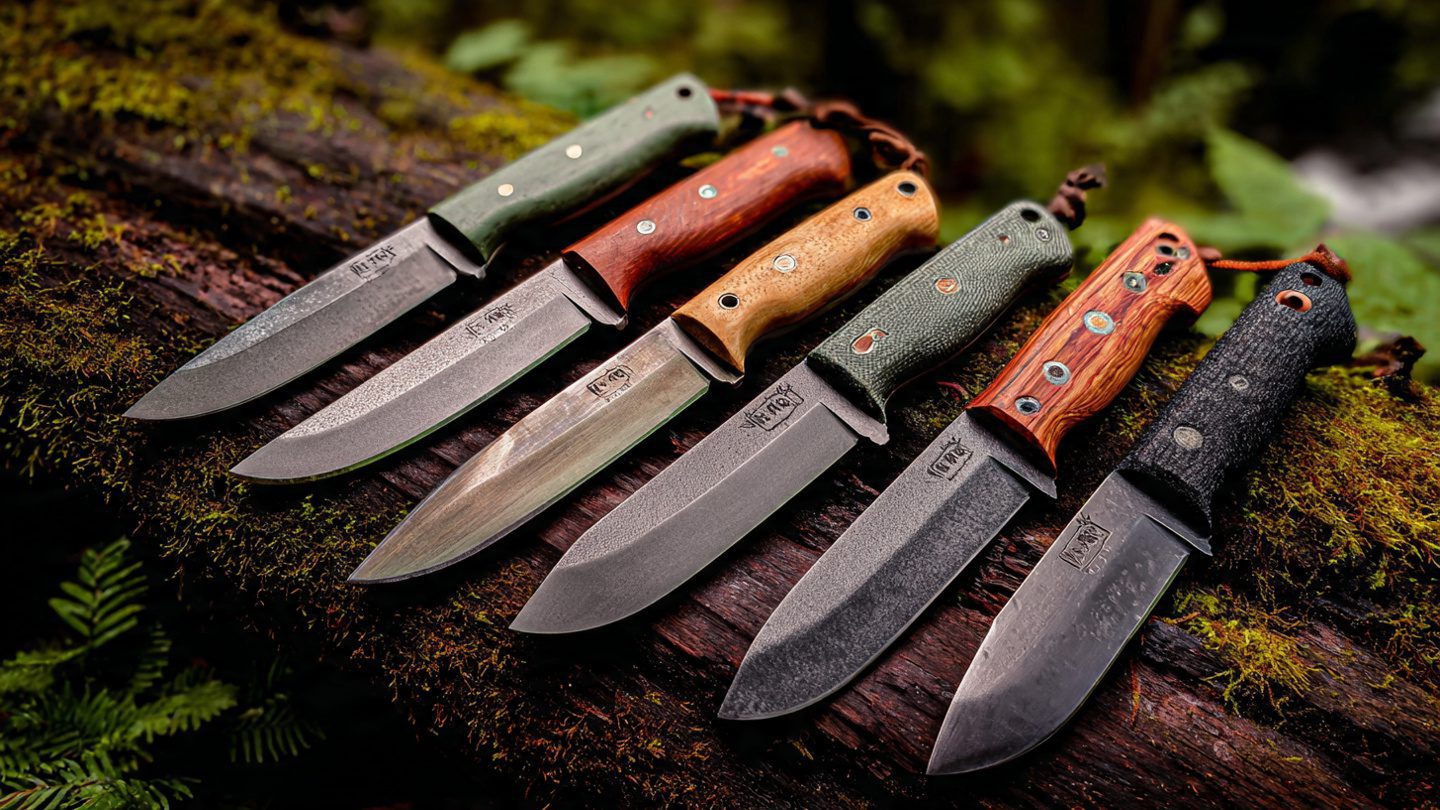
Choosing the right tool can determine success or failure in the wild. Understanding How to Choose a High-Quality Survival Knife is essential for anyone serious about outdoor survival, bushcraft, or emergency preparedness. Selecting the best survival knife involves evaluating durability, blade strength, ergonomics, and versatility. A well-chosen knife becomes an extension of your hand. It performs tasks ranging from cutting wood to preparing food and even self-defense in extreme scenarios. This guide will walk you through every critical detail so you can confidently choose a survival knife that will not fail when you need it most.
Understanding Survival Knife Blade Steel Types and Durability
The foundation of any survival knife lies in its steel. Blade steel determines how well the knife holds an edge, resists corrosion, and withstands stress. High-carbon steel is known for toughness and ease of sharpening. However, it requires maintenance to prevent rust. Stainless steel offers corrosion resistance but can be harder to sharpen in the field.
Premium steels like CPM-3V or S30V combine durability with edge retention. These steels are engineered for extreme conditions. They resist chipping and maintain sharpness over extended use. When considering blade steel, balance is key. A survival knife must be tough enough for batoning wood and fine enough for delicate tasks.
Heat treatment also plays a major role. A poorly treated high-end steel can fail faster than a properly treated basic steel. Always prioritize performance over brand names. A reliable blade steel ensures long-term survival efficiency and reliability.
Fixed Blade vs Folding Survival Knife: Which One to Choose
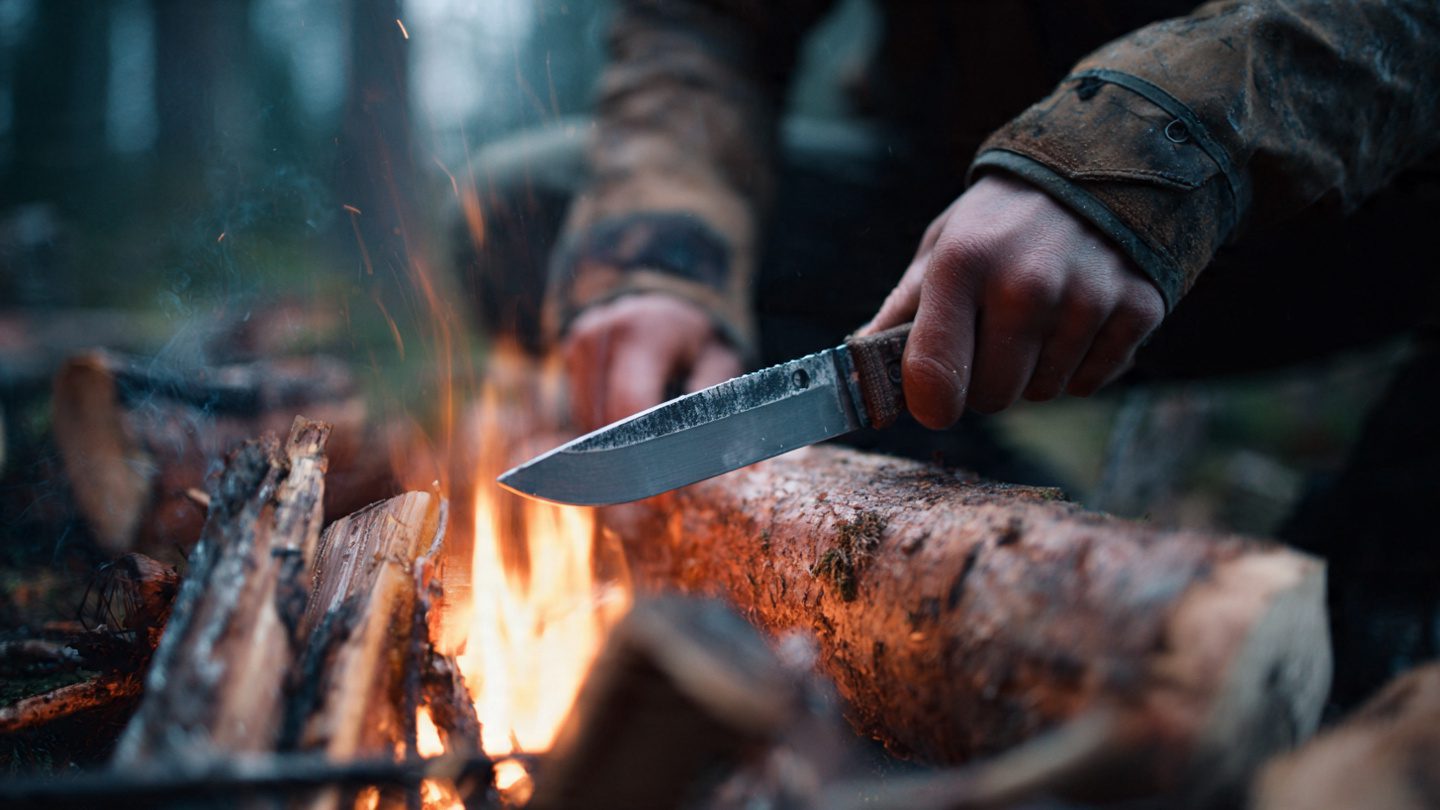
One of the most important decisions when learning How to Choose a High-Quality Survival Knife is selecting between fixed blade and folding designs. Fixed blades are generally stronger. They have no moving parts, which means fewer failure points. This makes them ideal for heavy-duty survival tasks like chopping, prying, or batoning.
Folding knives, on the other hand, are compact and easy to carry. They are excellent for light-duty tasks and everyday use. However, they are not recommended for extreme survival situations due to potential locking mechanism failure. Dirt, moisture, and debris can compromise folding mechanisms over time.
For true survival scenarios, a fixed blade knife is the superior choice. It offers reliability, strength, and versatility. Folding knives can still serve as backup tools, but they should not be your primary survival knife.
Best Blade Length and Thickness for Survival Knives
Blade size directly impacts functionality. When evaluating How to Choose a High-Quality Survival Knife, blade length and thickness must match your intended use. A blade length between 4 to 6 inches is considered ideal for most survival tasks. It offers a balance between control and power.
Short blades provide precision but lack chopping ability. Longer blades offer reach and power but reduce control for fine tasks. Thickness also matters. A blade that is too thin may bend or break under pressure. A blade that is too thick may struggle with slicing tasks.
A thickness of around 3 to 5 millimeters is optimal. It ensures strength without sacrificing versatility. This balance allows the knife to handle both heavy-duty and detailed tasks effectively. The right dimensions enhance performance in every survival situation.
Choosing the Right Knife Handle Material for Grip and Comfort
Comfort and control are critical when using a survival knife for extended periods. Handle material affects grip, durability, and overall usability. Materials like Micarta, G-10, and rubberized handles provide excellent grip even in wet conditions. These materials are resistant to temperature changes and environmental damage.
Wood handles offer a classic aesthetic but may require more maintenance. Metal handles are durable but can become slippery or uncomfortable in extreme temperatures. Ergonomics also play a key role. A well-designed handle reduces fatigue and improves precision.
Look for textured surfaces and finger grooves that enhance grip. A secure handle ensures safety and efficiency during demanding tasks. Choosing the right handle material can significantly improve your overall survival experience.
Full Tang vs Partial Tang: Strength and Reliability Explained
Understanding tang construction is essential when mastering How to Choose a High-Quality Survival Knife. A full tang knife means the blade extends through the entire handle. This design offers maximum strength and durability. It can withstand heavy use without breaking.
Partial tang knives are lighter but less durable. They are more prone to failure under stress. In survival situations, reliability is non-negotiable. A broken knife can put your safety at risk.
Full tang knives also provide better balance. They distribute weight evenly, improving control and handling. While they may be slightly heavier, the added strength is worth it. For serious outdoor use, always choose a full tang design.
Survival Knife Features for Outdoor and Bushcraft Use
A survival knife must be versatile. Features like a flat spine allow for striking fire starters. A sharp edge ensures efficient cutting and carving. Some knives include serrated sections for cutting rope or fibrous materials.
Additional features may include a lanyard hole for secure carrying or a pommel for hammering tasks. However, simplicity is often الأفضل. Too many features can complicate the design and reduce reliability.
Focus on essential functionality. A survival knife should perform core tasks exceptionally well. Avoid gimmicks and prioritize practical features that enhance real-world usability.
Sheath Quality and Carrying Options for Survival Knives
A high-quality knife is only as good as its sheath. The sheath protects both the user and the blade. Materials like Kydex and leather are popular choices. Kydex offers durability and water resistance. Leather provides comfort and traditional appeal.
Retention is critical. The knife must stay secure during movement. A loose sheath can lead to accidents or loss of the knife. Carrying options also matter. Belt carry, MOLLE compatibility, or neck carry can influence accessibility.
Choose a sheath that matches your environment and usage style. A reliable sheath ensures your knife is always ready when needed.
Maintenance and Sharpening Tips for Long-Term Performance
Even the best survival knife requires maintenance. Regular cleaning prevents corrosion. Dry the blade after use, especially in wet conditions. Apply a thin layer of oil to protect high-carbon steel.
Sharpening is essential for performance. A dull knife is dangerous and inefficient. Use sharpening stones or portable sharpeners in the field. Maintain the correct angle to preserve the blade’s integrity.
Proper maintenance extends the life of your knife. It ensures consistent performance in all conditions. A well-maintained knife is a dependable survival tool.
Budget vs Premium Survival Knives: What Really Matters
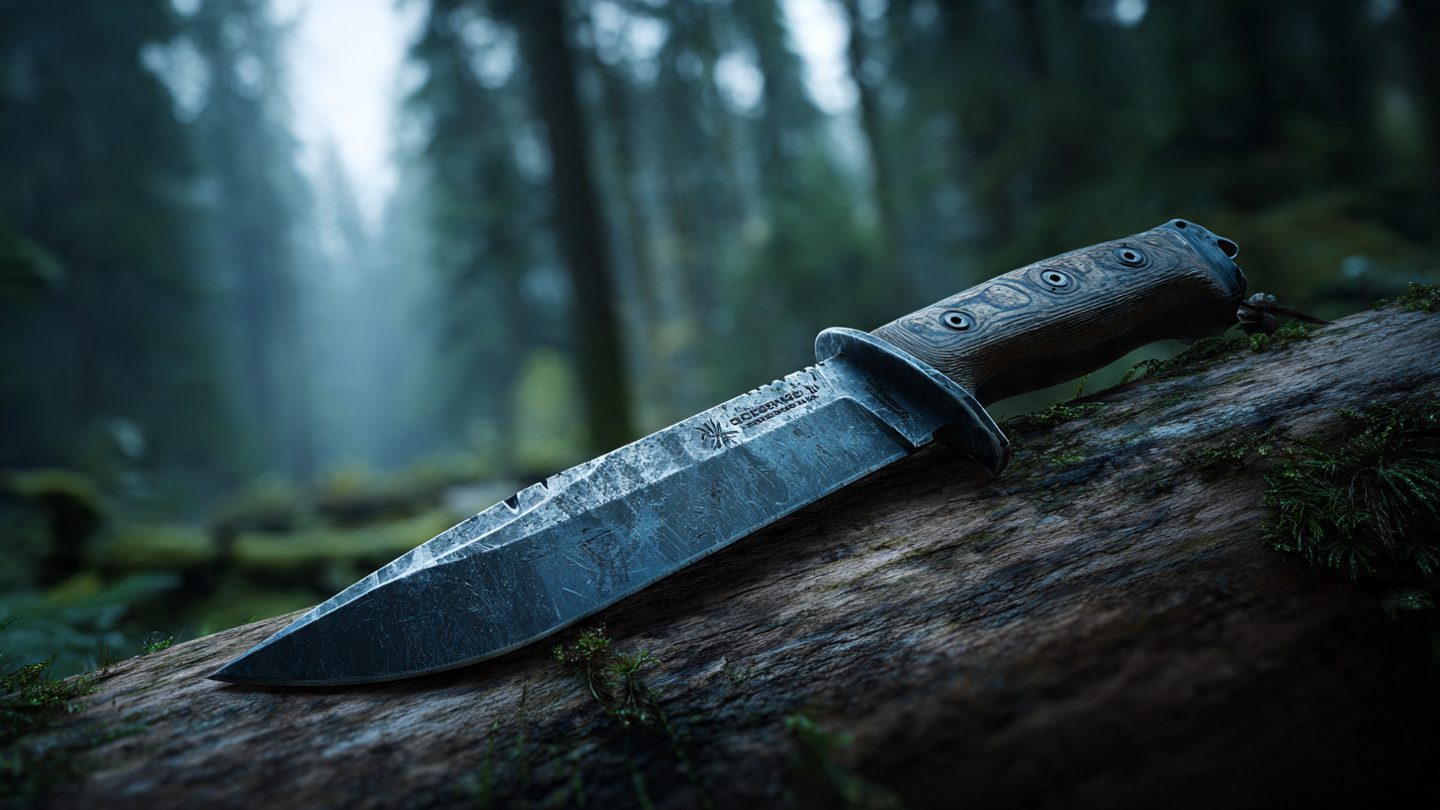
Price does not always determine quality. When learning How to Choose a High-Quality Survival Knife, focus on performance rather than cost. Budget knives can offer excellent value if made from reliable materials. Premium knives often provide superior craftsmanship and advanced materials.
However, the most expensive option is not always necessary. Consider your needs and usage frequency. A well-made mid-range knife can outperform a poorly designed high-end knife.
Invest in quality where it matters most: blade steel, construction, and ergonomics. A smart purchase ensures reliability without overspending.
Real-World Testing: How to Evaluate a Survival Knife Before Buying
Testing a knife before purchase provides valuable insight. Check the balance and weight in your hand. Perform basic tasks like slicing paper or carving wood. Evaluate grip comfort and control.
Inspect the blade for imperfections. Ensure the edge is evenly sharpened. Examine the sheath for durability and retention. Real-world testing reveals strengths and weaknesses that specifications cannot show.
If testing is not possible, rely on trusted reviews and expert recommendations. Practical evaluation ensures you choose a knife that meets your expectations.
The Best Ways to Start a Fire When It’s Wet
How to Spend the Night in the Woods Without a Tent
Summary
Understanding How to Choose a High-Quality Survival Knife requires attention to detail and practical knowledge. From blade steel and construction to handle design and maintenance, every element plays a role. A high-quality survival knife must be durable, versatile, and reliable in all conditions. By focusing on essential features and avoiding unnecessary complexity, you can select a knife that will serve you for years.
FAQ
1. What is the best steel for a survival knife?
High-carbon steel and premium steels like CPM-3V offer excellent durability and edge retention.
2. Is a fixed blade better than a folding knife?
Yes, fixed blades are stronger and more reliable for survival situations.
3. What blade length is ideal?
A length of 4–6 inches provides the best balance between control and power.
4. Why is full tang important?
Full tang construction ensures maximum strength and durability.
5. How often should I sharpen my knife?
Regularly, depending on usage. A sharp knife is safer and more effective.
Call-to-Action
Ready to upgrade your gear? Start applying these expert tips and choose your perfect survival knife today. Your safety and success in the wild depend on it.





