
 Befrey
Mastering Survival in the Mountains: 10 Essential Tips is crucial for anyone venturing into high-altitude environments where conditions can change rapidly and unpredictably. Mountain survival techniques, high-altitude survival strategies, and wilderness mountain survival skills are not optional—they are essential knowledge that can mean the difference between life and death. Whether you are hiking, trekking, or exploring remote peaks, understanding how to adapt to harsh terrain, extreme weather, and limited resources is critical. This guide delivers deep, practical, and actionable knowledge to help you not only survive but stay in control in the mountains.
Understanding Mountain Weather Survival Strategies for Extreme Conditions
Mountain environments are known for their unpredictable weather. Conditions can shift from clear skies to storms within minutes. Understanding mountain weather patterns is one of the most important elements of survival. Temperature drops rapidly at higher altitudes. Wind chill can make it feel significantly colder than the actual temperature. Rain, snow, and fog can reduce visibility and increase danger.
Preparation begins before you even enter the mountains. Study weather forecasts and understand seasonal risks. Once in the field, observe cloud formations, wind direction, and sudden temperature changes. These signs often indicate incoming storms. Always carry waterproof and wind-resistant clothing. Layering allows you to adapt quickly to changing temperatures.
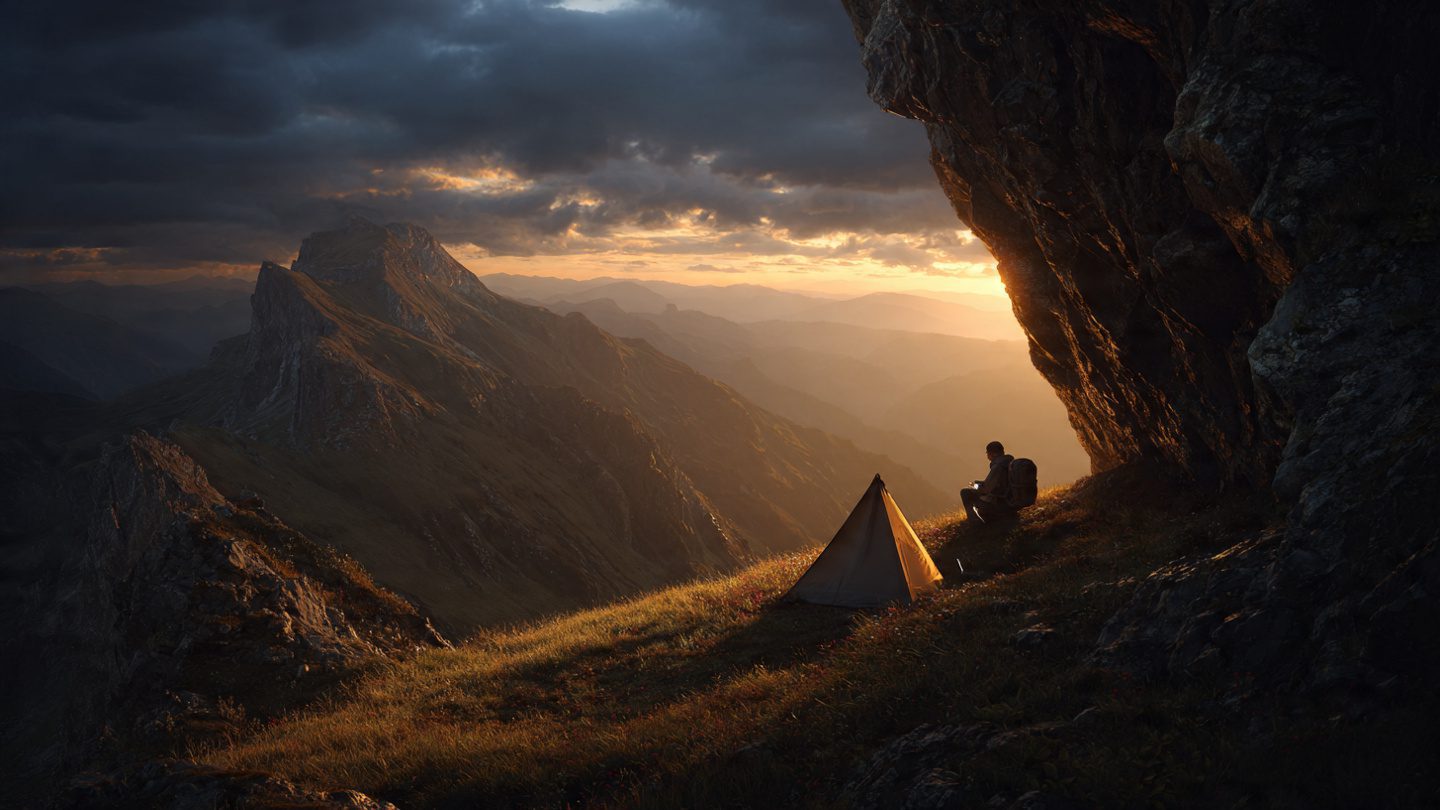
Shelter becomes critical during extreme weather. Natural formations such as caves or rock overhangs can provide protection. If none are available, building a temporary shelter using branches and rocks can help preserve body heat. Understanding weather survival strategies allows you to stay ahead of dangerous conditions rather than reacting too late.
Essential Mountain Survival Gear Checklist for Beginners and Experts
Having the right equipment is fundamental for mountain survival. A well-prepared gear list increases your chances of handling emergencies. Essential items include navigation tools, fire-starting equipment, first aid kits, and proper clothing. A high-quality backpack should distribute weight evenly and allow easy access to critical items.
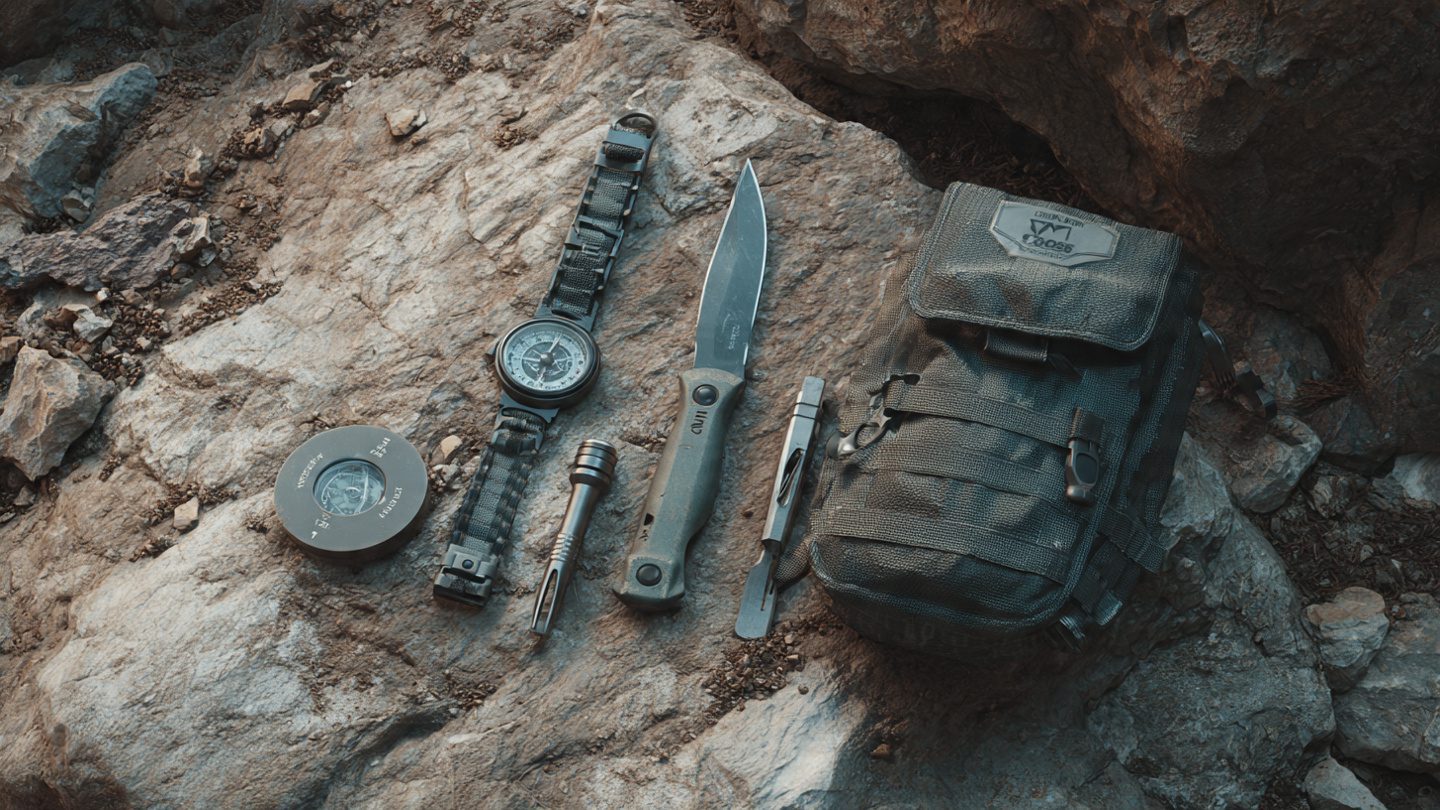
Navigation tools such as maps and compasses are essential. GPS devices are helpful but should not replace traditional navigation skills. Fire-starting tools like waterproof matches or ferro rods ensure you can create warmth and cook food. A first aid kit must include bandages, antiseptics, and medications for altitude sickness.
Clothing should be layered. Base layers manage moisture. Insulating layers retain heat. Outer layers protect against wind and rain. Footwear must provide support and grip on uneven terrain. Proper gear preparation reduces risk and enhances your ability to respond to unexpected situations.
Navigation Skills in Mountain Terrain Without GPS
Getting lost in the mountains is one of the most common survival threats. Developing navigation skills without relying solely on GPS is essential. Maps and compasses are reliable tools that do not depend on batteries or signal. Learning to read topographic maps helps you understand elevation changes, valleys, and ridges.
Landmark navigation is also useful. Identifying natural features such as rivers, peaks, and tree lines helps you maintain direction. The position of the sun can guide you during the day, while stars can assist at night. Practice these skills before entering remote areas.
Staying oriented prevents panic and conserves energy. If you become lost, stop moving and assess your surroundings. Random movement can lead you deeper into danger. Effective navigation skills keep you on track and increase your chances of reaching safety.
Finding and Purifying Water in Mountain Environments Safely
Water is a top priority in survival situations. In mountain environments, sources include streams, rivers, snow, and rainwater. However, not all water is safe to drink. Contaminants such as bacteria and parasites can cause serious illness.
Always purify water before consumption. Boiling is one of the most effective methods. Portable filters and purification tablets are also reliable options. Collect water from fast-moving sources whenever possible, as they are less likely to be contaminated.
Snow can be melted for water, but it should not be eaten directly as it lowers body temperature. Hydration is critical for maintaining energy and preventing altitude sickness. Understanding how to find and purify water ensures your body remains functional in challenging conditions.
Building Emergency Shelter in the Mountains for Protection
Shelter is vital for protecting yourself from wind, cold, and precipitation. In mountainous regions, exposure can quickly lead to hypothermia. Building an emergency shelter requires using available natural materials efficiently. Rocks, branches, and snow can all be used to construct protective structures.
A simple lean-to shelter can block wind and retain heat. Snow caves are effective in winter conditions, as snow provides insulation. The key is to minimize heat loss and shield yourself from environmental elements. Position your shelter away from avalanche-prone areas and falling rocks.
Insulation is just as important as structure. Use leaves, grass, or clothing to create a barrier between your body and the ground. A well-built shelter significantly improves your chances of surviving harsh mountain conditions.
Fire Starting Techniques at High Altitudes and Windy Conditions
Fire is essential for warmth, cooking, and signaling. However, starting a fire in the mountains can be challenging due to wind and low oxygen levels. Choosing the right location is crucial. Find a sheltered area that blocks wind but allows ventilation.
Use dry tinder such as bark, grass, or specialized fire starters. Building a windbreak with rocks can protect the flame. At high altitudes, fires may take longer to ignite due to reduced oxygen. Patience and proper technique are key.
Maintain the fire by gradually adding fuel. Avoid smothering the flame with large logs too quickly. Fire provides not only physical warmth but also psychological comfort. Mastering fire-starting techniques is a critical survival skill in mountainous environments.
Food Sourcing and Energy Management in Mountain Survival
Energy conservation is essential in survival situations. Food provides the fuel your body needs to function. In the mountains, food sources may be limited. Carrying high-calorie, lightweight food is the best strategy. Items like nuts, dried fruits, and energy bars are ideal.
Foraging is possible but requires knowledge. Edible plants and berries can supplement your diet. However, misidentification can be dangerous. Hunting and fishing are additional options for experienced individuals.
Balancing energy intake and expenditure is critical. Avoid unnecessary movement that wastes energy. Prioritize tasks that directly impact survival, such as shelter and water. Efficient energy management ensures you remain strong and focused.
Recognizing and Preventing Altitude Sickness Symptoms
Altitude sickness is a serious risk in mountainous regions. It occurs when your body struggles to adapt to lower oxygen levels. Symptoms include headaches, nausea, dizziness, and fatigue. Severe cases can lead to life-threatening conditions.
Prevention begins with gradual ascent. Allow your body time to acclimatize. Stay hydrated and avoid overexertion. Recognizing early symptoms is crucial. If symptoms worsen, descend immediately to a lower altitude.
Understanding altitude sickness helps you take proactive measures. It ensures your body can adapt safely to high-altitude environments. Ignoring symptoms can have severe consequences.
Emergency Signaling and Rescue Techniques in Remote Mountains
In remote mountain areas, rescue may take time. Knowing how to signal for help increases your chances of being found. Visual signals such as bright clothing or reflective materials can attract attention. Smoke from fires is visible from a distance.
Audible signals like whistles are effective for alerting rescuers. Repeating patterns, such as three short blasts, are universally recognized distress signals. Creating ground signals using rocks or branches can also help.
Stay in one location if you are lost. Moving makes it harder for rescuers to find you. Effective signaling techniques can make the difference between prolonged danger and timely rescue.
Mental Strength and Decision-Making in Survival Situations
Survival is not only physical but also mental. Fear, stress, and panic can impair judgment. Maintaining a calm and focused mindset is essential. Break problems into small, manageable tasks. Focus on immediate priorities such as shelter, water, and warmth.
Positive thinking improves resilience. It helps you stay motivated even in difficult situations. Practice mental preparedness before entering the mountains. Visualization and training can strengthen your response to emergencies.
Strong decision-making skills increase your chances of survival. Staying calm allows you to think clearly and act effectively under pressure.
How to Choose a High-Quality Survival Knife
The Best Ways to Start a Fire When It’s Wet
How to Spend the Night in the Woods Without a Tent
Summary
Mastering Survival in the Mountains: 10 Essential Tips requires preparation, knowledge, and adaptability. From understanding weather patterns and navigation to building shelters and managing energy, every skill plays a vital role. Proper gear, water purification, fire-building techniques, and mental resilience all contribute to survival success. By applying these principles, you can confidently face the challenges of mountain environments and stay safe in even the most extreme conditions.
FAQ
1. What is the most important survival skill in the mountains?
Navigation and weather awareness are among the most critical skills.
2. How do I avoid altitude sickness?
Ascend gradually, stay hydrated, and listen to your body.
3. What should I do if I get lost?
Stop moving, assess your surroundings, and use signaling techniques.
4. Can I drink water directly from mountain streams?
No. Always purify water before drinking.
5. How do I stay warm in cold mountain conditions?
Use layered clothing, build shelter, and maintain a fire.
Call-to-Action
Ready to take your outdoor skills to the next level? Start applying these survival techniques today and prepare yourself for any mountain adventure. Stay safe, stay prepared, and share this guide with fellow explorers!





