
 Befrey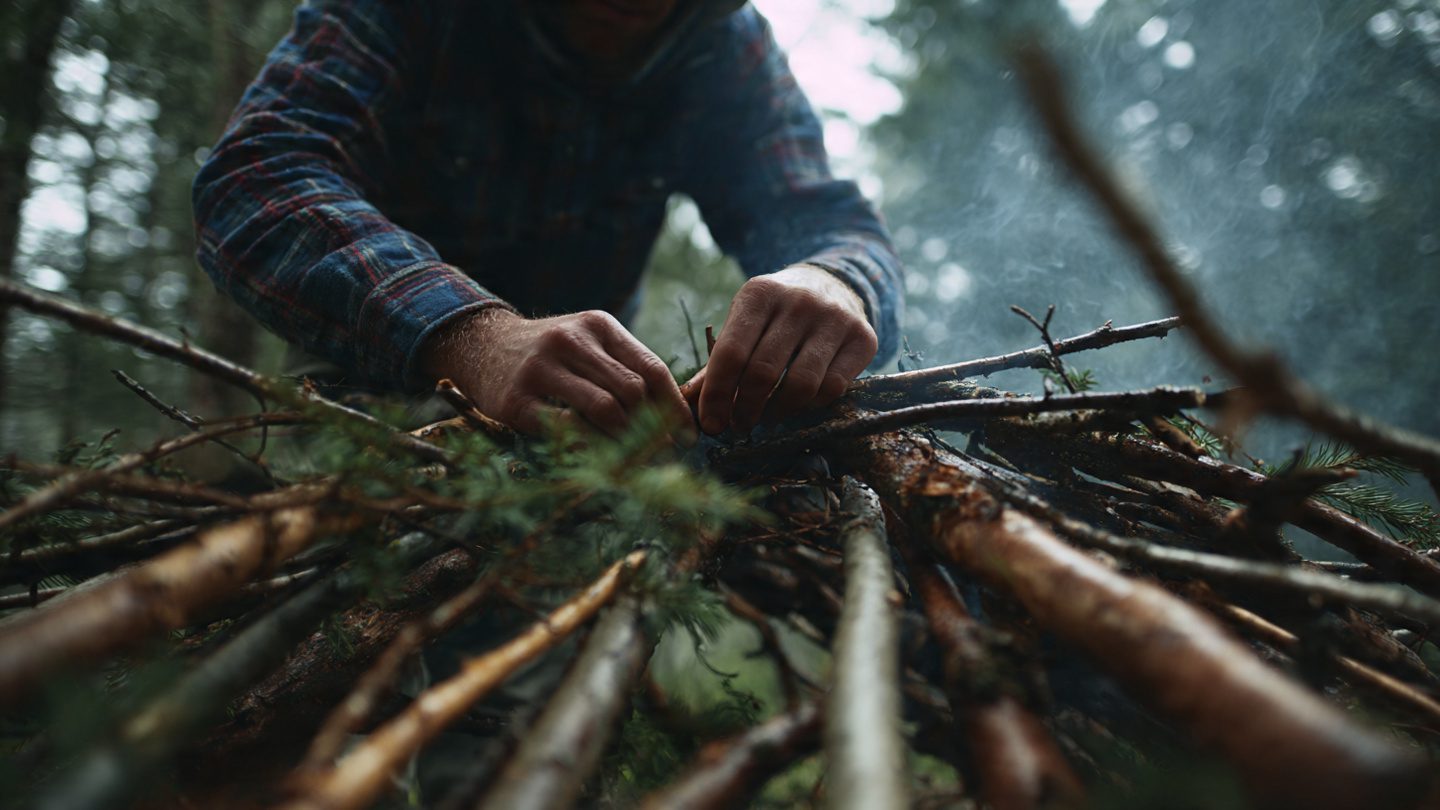
Learning How to Build a Makeshift Shelter Using Natural Materials is one of the most important survival skills you can develop. Knowing how to create a natural survival shelter, build an emergency shelter from the environment, and construct a wilderness shelter without tools can protect you from harsh weather, conserve body heat, and dramatically increase your chances of survival. Whether you are stranded in the wild or intentionally practicing bushcraft skills, understanding how to use nature as your primary resource is essential. This guide will walk you through every detail, from selecting the right location to constructing highly effective shelters using only what the environment provides.
Choosing the Best Location for a Natural Survival Shelter
The first and most critical step in building a shelter is selecting the right location. A poorly chosen site can expose you to wind, flooding, falling debris, or wildlife hazards. Always begin by assessing your surroundings carefully. Look for elevated ground that is not prone to water accumulation. Avoid valleys where cold air settles at night and increases the risk of hypothermia.
Natural windbreaks such as dense trees, large rocks, or hillsides provide protection against harsh winds. Position your shelter so that the entrance faces away from prevailing winds. Sun exposure is also important. A shelter that receives morning sunlight will warm up faster, improving comfort and energy levels.
Stay away from dead trees or loose branches that could fall. These are often referred to as “widowmakers” in survival situations. Proximity to water is useful but should not be too close to avoid flooding risks. A well-chosen location significantly reduces the effort required to build and maintain your shelter.
Essential Materials for Building a Shelter in the Wild
Understanding natural materials for shelter building in the wild is key to constructing a strong and effective structure. The environment offers everything you need if you know where to look. Branches form the structural frame. Leaves, moss, and grass provide insulation. Bark can act as a waterproof layer.
Choose sturdy branches for the main frame. These should be strong enough to support additional layers without collapsing. Flexible branches or vines can be used as bindings to secure the structure. Deadwood is often easier to work with, but ensure it is not brittle or rotten.
For insulation, gather large quantities of dry materials. Leaves and pine needles trap air, which helps retain heat. Moss is particularly effective because it also repels moisture. The more layers you use, the better your shelter will perform. Efficient material selection is the foundation of a durable and weather-resistant shelter.
Step-by-Step Guide to Building a Debris Shelter
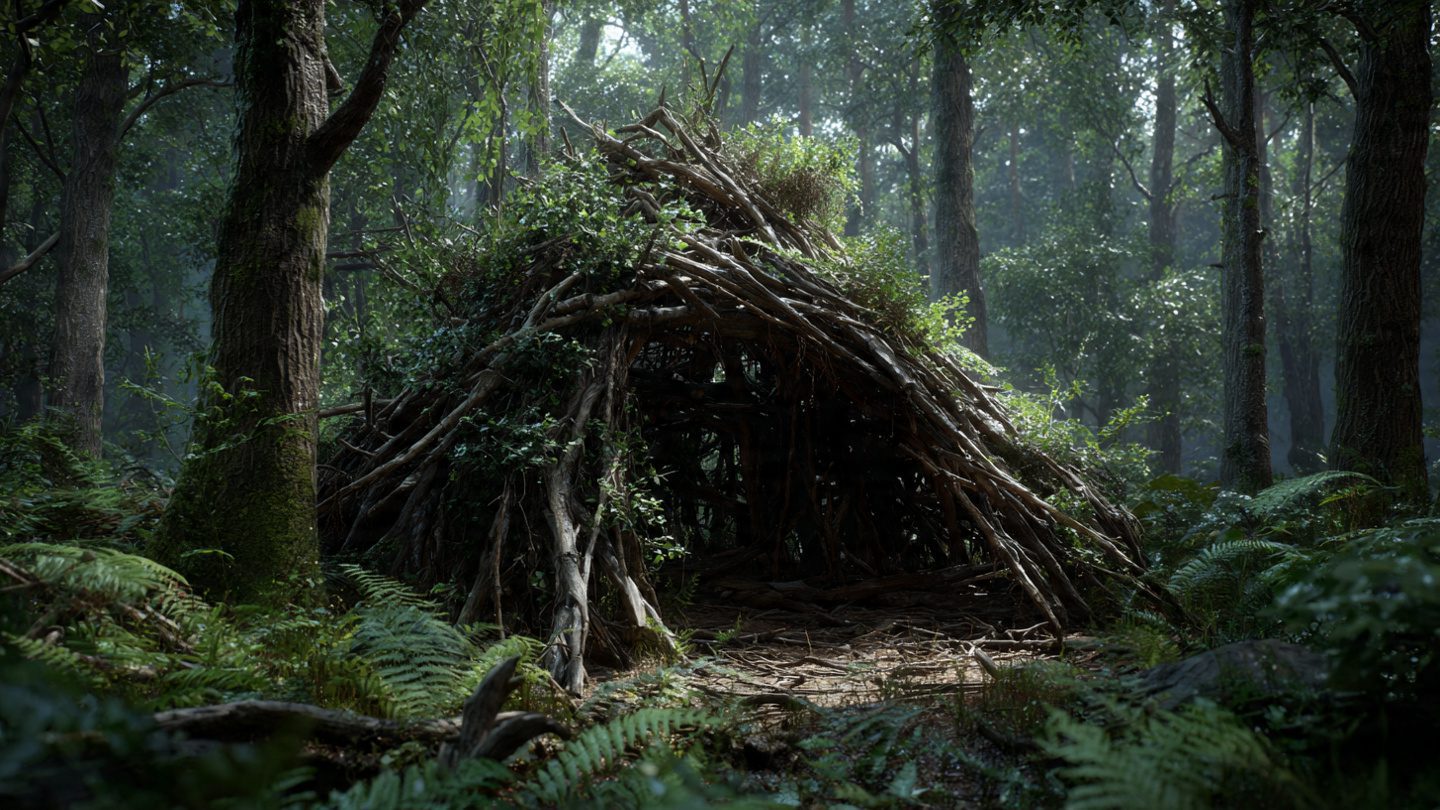
One of the most reliable structures in survival situations is the debris shelter. This design is simple, effective, and requires minimal tools. Start by creating a ridgepole. This is a long, sturdy branch that forms the spine of the shelter. Position one end on the ground and the other against a support such as a tree or rock.
Next, lean smaller branches along both sides of the ridgepole to create a frame. These should be placed close together to support insulation layers. Once the frame is complete, cover it with leaves, grass, and other natural materials. Aim for a thick layer, ideally at least one to two feet deep.
The final step is insulating the ground. Lay down a thick bed of leaves or branches to prevent heat loss. This shelter works by trapping body heat inside a small space. Proper construction ensures warmth and protection even in cold conditions.
How to Build a Lean-To Shelter for Quick Protection
When time is limited, learning how to build a lean-to shelter in the wilderness can save your life. This type of shelter is quick to construct and highly effective against wind and rain. Begin by securing a horizontal support between two trees or using a fallen branch.
Lean sticks at an angle against the support to form a slanted wall. The angle should allow rain to run off easily. Cover the structure with leaves, bark, or grass to create a waterproof barrier. The thicker the covering, the better the protection.
A fire can be built in front of the lean-to to reflect heat into the shelter. Adding a reflective wall behind the fire enhances this effect. The lean-to is ideal for short-term survival and provides immediate protection in emergencies.
Waterproofing Techniques Using Natural Materials
Keeping your shelter dry is critical. Wet conditions lead to rapid heat loss and discomfort. Understanding waterproof shelter techniques using leaves and bark ensures your structure remains effective during rain. Start by layering materials in a way that mimics shingles on a roof.
Place larger leaves or bark pieces on the outer layer. These act as a barrier against rain. Underneath, use smaller materials like grass or moss to fill gaps. This combination prevents water from penetrating the shelter.
Angle is also important. A steeper roof allows water to run off quickly instead of pooling. Regularly inspect your shelter for leaks and reinforce weak areas. Effective waterproofing transforms a basic structure into a reliable refuge.
Insulation Methods for Cold Weather Survival Shelters
Staying warm is a top priority in survival situations. Mastering insulating a survival shelter for cold weather conditions can make the difference between comfort and hypothermia. Insulation works by trapping air, which retains heat generated by your body.
Use thick layers of leaves, pine needles, or moss. The more material you use, the better the insulation. Pay special attention to the ground. Heat loss occurs rapidly when in direct contact with cold surfaces. Create a thick bedding layer to act as a barrier.
Seal gaps in your shelter to prevent drafts. Even small openings can allow cold air to enter and reduce efficiency. A well-insulated shelter maintains a stable internal temperature, improving survival chances in extreme cold.
Shelter Building in Different Environments (Forest, Snow, Desert)
Survival conditions vary depending on the environment. Understanding survival shelter building in different environments allows you to adapt your techniques. In forests, materials are abundant, making debris shelters and lean-tos effective.
In snowy environments, snow caves or igloos provide excellent insulation. Snow traps heat and blocks wind. However, proper ventilation is necessary to prevent suffocation. In deserts, shade becomes the priority. Use rocks, branches, and fabric to create shaded areas that reduce heat exposure.
Each environment presents unique challenges. Adapting your shelter design ensures maximum protection and comfort regardless of location.
Common Mistakes When Building a Natural Shelter
Avoiding mistakes is just as important as mastering techniques. One common error is building a shelter that is too large. Larger spaces are harder to heat and reduce insulation efficiency. Another mistake is using insufficient materials, which leads to poor protection against weather.
Improper location selection can also be dangerous. Building in flood-prone areas or under unstable trees increases risk. Neglecting ground insulation is another frequent issue. Many people focus only on walls and roofs, forgetting the importance of a proper sleeping base.
Learning from these mistakes improves your shelter-building skills. It ensures your efforts result in a safe and effective structure.

Advanced Bushcraft Shelter Building Techniques
For those seeking mastery, advanced bushcraft shelter construction methods offer enhanced durability and comfort. Techniques such as the A-frame shelter provide balanced protection from multiple directions. This design uses a central ridgepole with symmetrical sides for stability.
Another advanced method is the wickiup. This dome-shaped structure offers excellent insulation and wind resistance. It requires more time and materials but provides superior protection. Combining natural materials with simple tools can further improve results.
Advanced techniques require practice and patience. However, they significantly increase your ability to survive in challenging environments.
Psychological Comfort and Shelter Design
Shelter is not only physical protection but also psychological security. A well-built shelter creates a sense of safety and control. This reduces stress and improves decision-making. Incorporating small comforts, such as a soft bedding area or organized layout, enhances mental well-being.
Lighting from a fire or small opening can reduce fear during the night. Knowing you have a secure place to rest allows your body to recover. Mental resilience is a critical component of survival, and shelter plays a key role in maintaining it.
Survival in the Mountains: 10 Essential Tips
How to Choose a High-Quality Survival Knife
The Best Ways to Start a Fire When It’s Wet
Summary
Mastering How to Build a Makeshift Shelter Using Natural Materials requires knowledge, practice, and adaptability. From selecting the right location to using natural materials effectively, every step contributes to your survival. Techniques like debris shelters, lean-tos, and advanced bushcraft structures provide reliable protection in various environments. Waterproofing, insulation, and avoiding common mistakes further enhance your shelter’s effectiveness. With these skills, you can confidently face the challenges of the wilderness.
FAQ
1. What is the easiest shelter to build in the wild?
A lean-to shelter is the simplest and quickest to construct.
2. How do I keep my shelter warm at night?
Use thick insulation layers and block all drafts.
3. Can I build a shelter without tools?
Yes, natural materials like branches and vines can be used effectively.
4. How long does it take to build a shelter?
Basic shelters can take 1–3 hours depending on materials and experience.
5. What materials are best for insulation?
Leaves, moss, and pine needles are highly effective.
Call-to-Action
Start practicing today. Go into nature, test these techniques, and build your first survival shelter. The more you practice, the more confident and capable you become in real survival situations.





