Befrey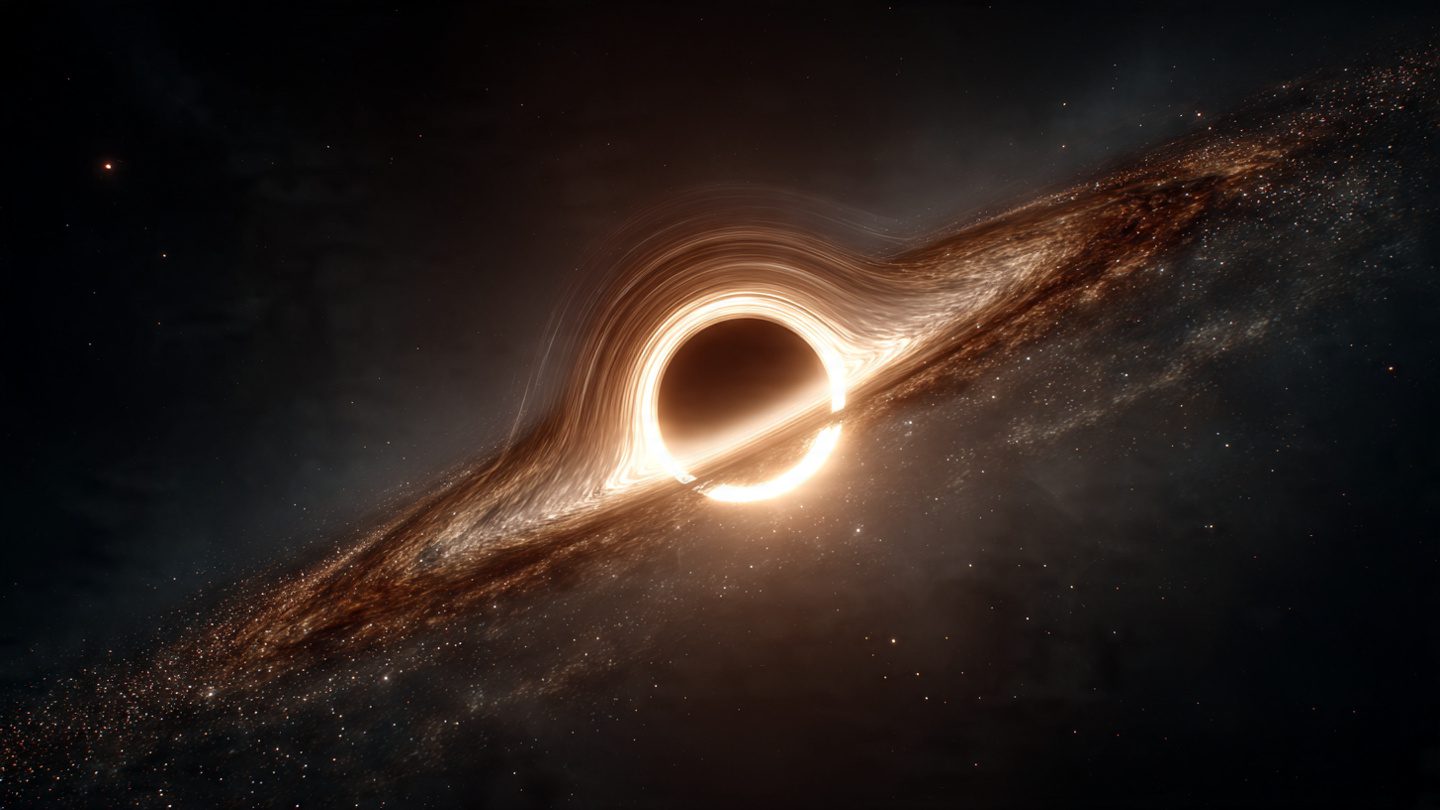
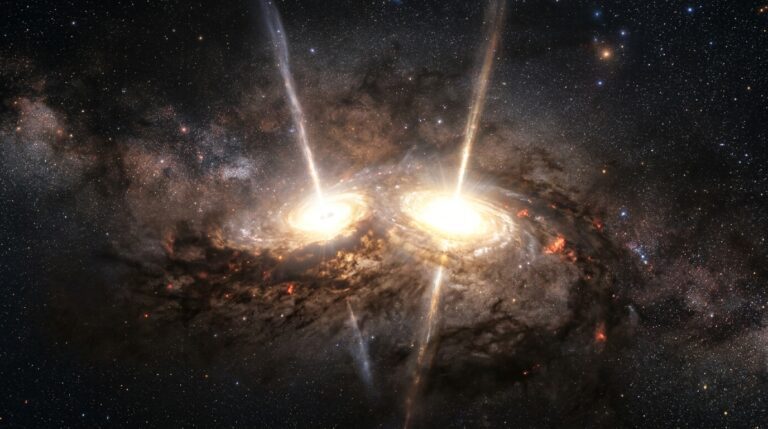
The latest discoveries in space that are changing our view of the universe have opened an entirely new frontier in our understanding of existence. From unexpected planetary formations to the detection of mysterious cosmic phenomena, these findings are reshaping centuries-old theories and challenging our perception of reality. Scientists are uncovering insights about black holes, dark matter, exoplanets, and cosmic radiation that force us to rethink fundamental physics. Observatories, telescopes, and space probes continue to provide unprecedented data, revealing that the universe is far more dynamic, complex, and interconnected than previously imagined. These cutting-edge discoveries are not only expanding our knowledge of the cosmos but also influencing technology, philosophy, and even the search for extraterrestrial life. Every week, new papers, simulations, and missions contribute to a rapidly evolving narrative of space exploration. Understanding these discoveries is crucial for anyone fascinated by the universe and its mysteries.
The Role of Black Holes in the Latest Space Discoveries
Black holes are central to the latest discoveries in space that are changing our view of the universe. These enigmatic regions of spacetime are so dense that not even light can escape, yet they wield incredible influence over nearby stars, gas, and cosmic matter. Recent observations with the Event Horizon Telescope have captured the most detailed images of black hole shadows, allowing scientists to test Einstein’s theory of general relativity in extreme conditions. Additionally, gravitational wave detectors have identified collisions of black holes, providing insights into how these massive objects evolve and merge. The discovery of intermediate-mass black holes challenges our previous classification system and raises questions about galaxy formation. Astrophysicists are also investigating the role of black holes in regulating star formation and cosmic radiation emission. These findings suggest that black holes are not just destructive forces but also architects of cosmic structure.
How Exoplanet Discoveries Are Transforming Our Cosmic Perspective
Exoplanets, planets outside our solar system, are reshaping the latest discoveries in space that are changing our view of the universe. The detection of Earth-like exoplanets in habitable zones has ignited interest in the potential for life beyond Earth. Advanced telescopes such as the James Webb Space Telescope and TESS have identified thousands of exoplanets, revealing diverse atmospheric compositions and unexpected orbital configurations. Some planets exhibit extreme weather patterns, while others show signs of water vapor and organic molecules. Understanding these exoplanets provides insights into planetary formation, migration, and survival in harsh cosmic conditions. Furthermore, the discovery of rogue planets, drifting without a host star, expands our conception of planetary systems. These findings force astronomers to reconsider the uniqueness of our solar system and the likelihood of extraterrestrial life.
Unveiling Dark Matter and Its Role in the Universe
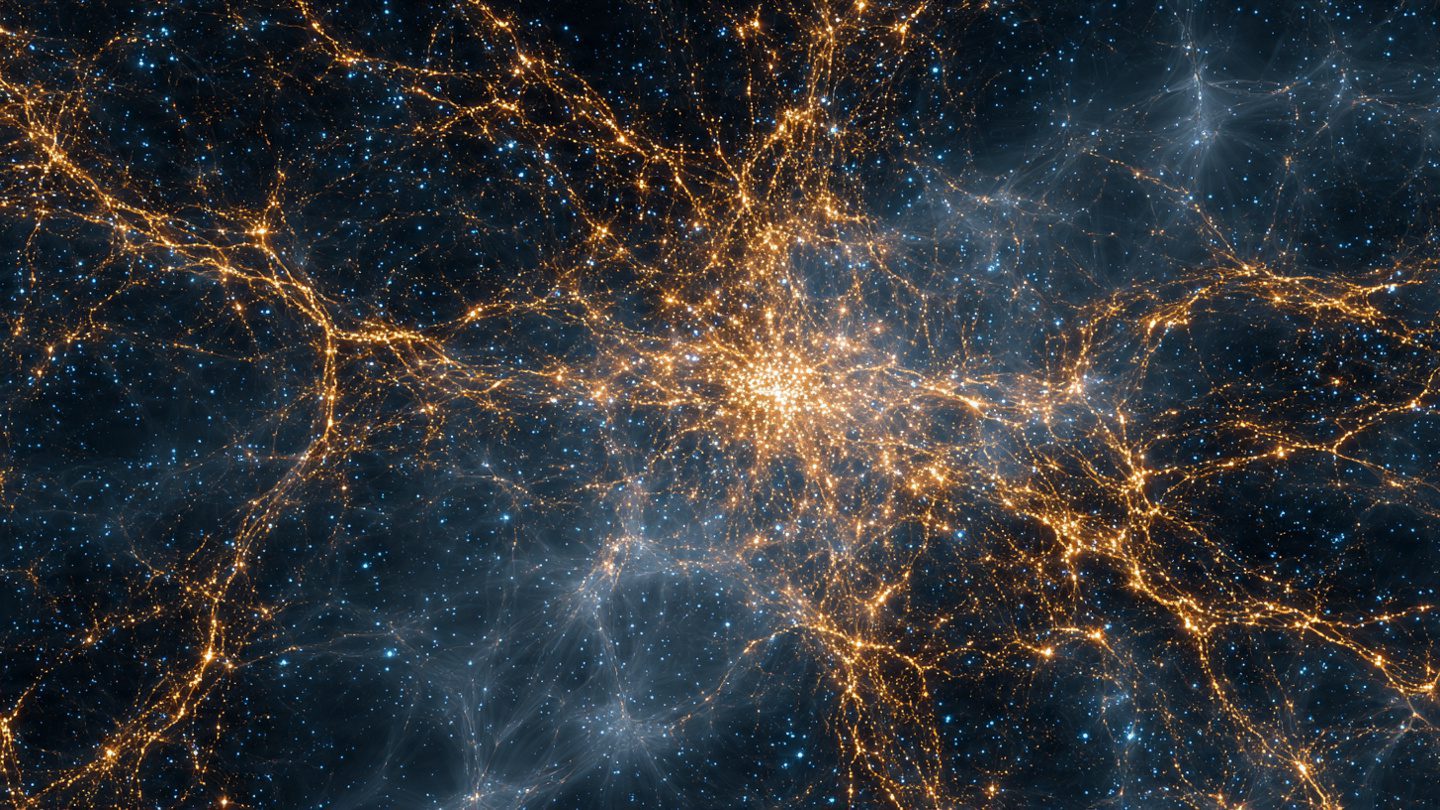
The study of dark matter represents one of the most exciting aspects of the latest discoveries in space that are changing our view of the universe. Though invisible and elusive, dark matter makes up approximately 27% of the universe’s mass-energy content. Observations of galaxy rotation curves, gravitational lensing, and cosmic microwave background radiation suggest that dark matter exerts a profound gravitational influence. Recent experiments using underground detectors and particle colliders are attempting to identify dark matter particles directly. The discovery of potential dark matter interactions could explain anomalies in galaxy formation and distribution. Scientists are exploring whether dark matter is composed of WIMPs, axions, or other exotic particles. Understanding dark matter is essential to completing our cosmic map and uncovering the forces that govern the universe’s expansion.
Cosmic Microwave Background Discoveries and Early Universe Insights
The cosmic microwave background (CMB) provides a window into the universe’s earliest moments, making it pivotal in the latest discoveries in space that are changing our view of the universe. The CMB is the faint afterglow of the Big Bang, revealing temperature fluctuations that correspond to primordial density variations. Observations from the Planck satellite and other missions have refined measurements of the universe’s age, expansion rate, and geometry. Subtle anisotropies in the CMB suggest the influence of dark matter and dark energy in shaping cosmic evolution. Polarization studies of the CMB have uncovered hints of gravitational waves from inflation, offering evidence for rapid expansion in the universe’s infancy. By studying the CMB, cosmologists can test competing theories about the universe’s origin and structure. These discoveries highlight how relic radiation continues to inform our understanding of cosmic history.
Gravitational Waves: A New Lens on Cosmic Phenomena
Gravitational waves are revolutionizing astronomy and contribute significantly to the latest discoveries in space that are changing our view of the universe. Predicted by Einstein over a century ago, these ripples in spacetime are generated by massive cosmic events such as black hole mergers and neutron star collisions. LIGO and Virgo observatories have detected multiple gravitational wave events, providing unprecedented information about extreme astrophysical processes. These observations allow scientists to measure the properties of black holes, test general relativity under extreme conditions, and probe the expansion rate of the universe. Gravitational wave astronomy also enables the study of objects that are otherwise invisible, such as dark neutron stars. This emerging field offers a complementary view of the cosmos, adding depth and precision to traditional optical and radio observations.
The Search for Life and Biosignatures in Space
One of the most profound implications of the latest discoveries in space that are changing our view of the universe is the search for extraterrestrial life. Astrobiologists are examining exoplanets, moons, and extreme environments for biosignatures such as water, organic molecules, and chemical imbalances indicative of life. Missions to Mars, Europa, and Enceladus have revealed subsurface oceans and complex chemical activity. Advanced spectroscopy allows researchers to analyze exoplanet atmospheres for oxygen, methane, and other potential indicators of life. Discoveries of extremophiles on Earth guide the search, showing that life can thrive in seemingly inhospitable conditions. The confirmation of life beyond Earth would redefine biology, philosophy, and our understanding of our place in the universe.
Cosmic Rays and High-Energy Phenomena
Cosmic rays and other high-energy phenomena play a vital role in the latest discoveries in space that are changing our view of the universe. These energetic particles, originating from supernovae, active galactic nuclei, and unknown sources, bombard Earth and other celestial bodies. Instruments on satellites, balloons, and ground-based observatories measure their energy, composition, and trajectory. Recent studies have linked cosmic rays to galaxy evolution, interstellar chemistry, and potential risks to astronauts in deep space missions. High-energy gamma rays and neutrinos provide additional clues to extreme cosmic events, offering insights into processes occurring in black holes and neutron stars. Understanding these phenomena is essential for developing a complete picture of the energetic universe.
The Expanding Universe and Dark Energy Discoveries
Dark energy remains one of the most mysterious components in the latest discoveries in space that are changing our view of the universe. Accounting for approximately 68% of the universe’s energy content, dark energy is driving the accelerated expansion of the cosmos. Observations of distant supernovae, galaxy clusters, and the CMB confirm this accelerating trend. The nature of dark energy remains speculative, with models ranging from the cosmological constant to quintessence fields. Precise measurements of cosmic expansion can refine our understanding of fundamental physics and the ultimate fate of the universe. Discoveries related to dark energy challenge long-held assumptions and emphasize the dynamic, evolving nature of the cosmos.
Space Technology and Missions Driving Discovery
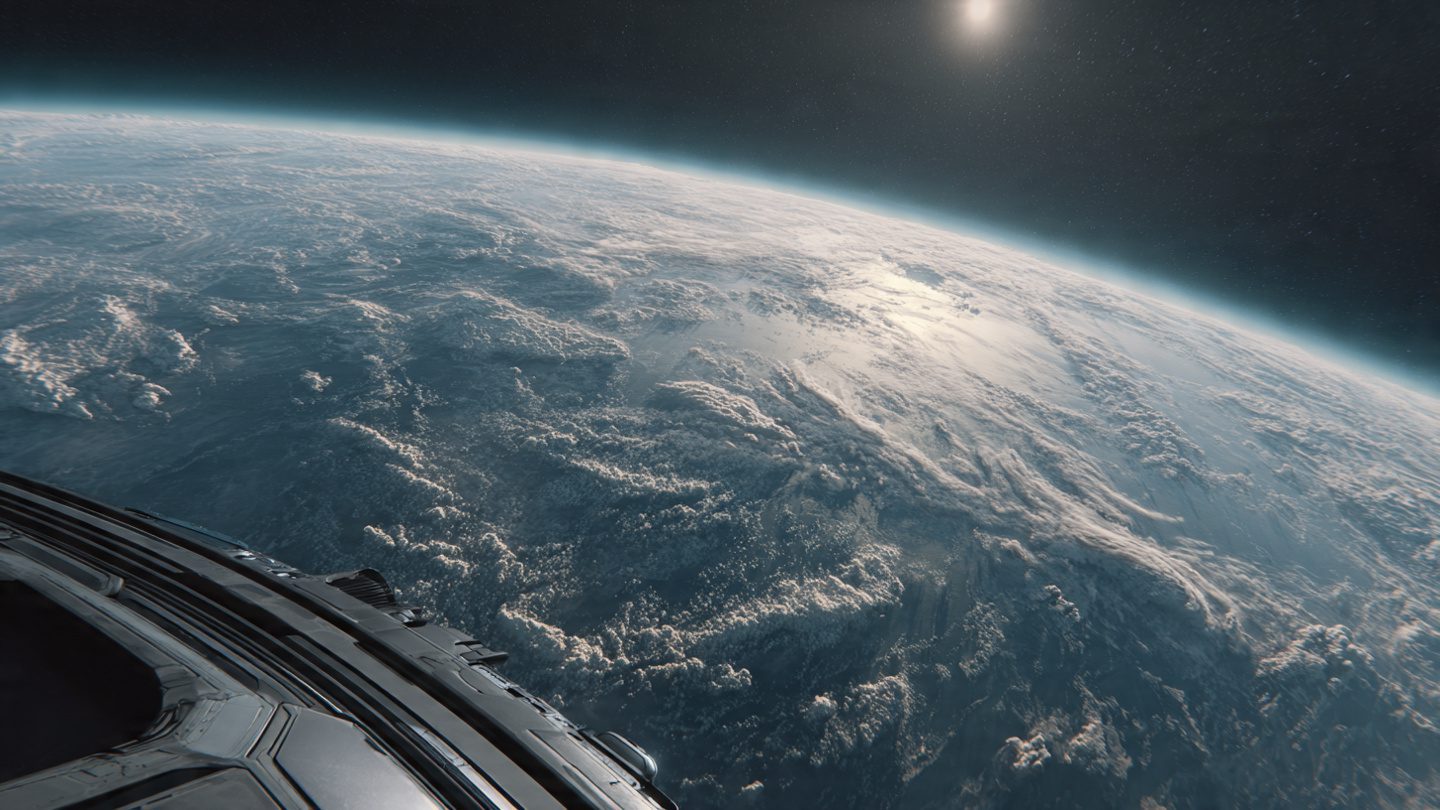
Technological innovation is essential to the latest discoveries in space that are changing our view of the universe. Advanced telescopes, spacecraft, and instruments allow scientists to observe distant stars, galaxies, and cosmic phenomena with unprecedented precision. The James Webb Space Telescope, Hubble, and future missions like LUVOIR and HabEx are expanding our observational capabilities. Robotic probes explore planetary surfaces and collect samples, while space-based interferometers measure gravitational waves and cosmic radiation. These missions not only generate data for research but also push engineering limits, inspiring innovations in optics, materials science, and AI-driven data analysis. Every new tool opens the possibility for a discovery that could challenge our understanding of space itself.
The Implications of Recent Space Discoveries for Humanity
The latest discoveries in space that are changing our view of the universe have profound implications for humanity. They inform philosophy, culture, and our understanding of life’s origin. By studying cosmic evolution, black holes, exoplanets, and dark energy, we gain perspective on our place in a vast, complex cosmos. These findings influence education, technology, and even the search for future habitats beyond Earth. Space exploration fosters international collaboration, scientific literacy, and innovation. Furthermore, the mysteries revealed challenge human imagination, encouraging questions about destiny, morality, and the potential for intelligent life elsewhere. The universe is no longer a distant backdrop; it is an active, evolving domain that shapes our existence and curiosity.
Summary
The latest discoveries in space that are changing our view of the universe have expanded our understanding of black holes, exoplanets, dark matter, dark energy, cosmic radiation, and gravitational waves. From insights into the early universe through the cosmic microwave background to the search for extraterrestrial life, modern astronomy reshapes both science and philosophy. Advancements in technology continue to fuel these discoveries, offering new ways to explore and interpret the cosmos. Humanity stands on the threshold of a new era, where the universe is no longer an abstract concept but a living, evolving entity with secrets waiting to be unraveled.
FAQ
Q1: What are the most recent major discoveries in space?
A1: Recent discoveries include detailed imaging of black hole shadows, detection of gravitational waves, identification of Earth-like exoplanets, and refined measurements of dark energy’s role in cosmic expansion.
Q2: How do black holes affect the universe?
A2: Black holes influence the formation of galaxies, regulate star formation, emit high-energy radiation, and produce gravitational waves during collisions, shaping cosmic evolution.
Q3: Why is the cosmic microwave background important?
A3: The CMB provides information about the early universe, revealing temperature fluctuations that indicate density variations, helping scientists understand cosmic origins and evolution.
Q4: What is the significance of dark energy?
A4: Dark energy drives the accelerated expansion of the universe, challenging physics and cosmology, and influencing predictions about the ultimate fate of the cosmos.
Q5: Can these discoveries help us find life elsewhere?
A5: Yes, studies of exoplanets, moons, and biosignatures enhance the likelihood of detecting extraterrestrial life and guide astrobiology research.
Call-to-Action
Explore the universe with curiosity! Stay updated on the latest discoveries in space, follow new missions, and engage with scientific discussions. Share your fascination, support space research, and be part of humanity’s journey into the cosmos.