
Why Does the Color of the Sky Change? The Science Behind Atmospheric Phenomena
 Befrey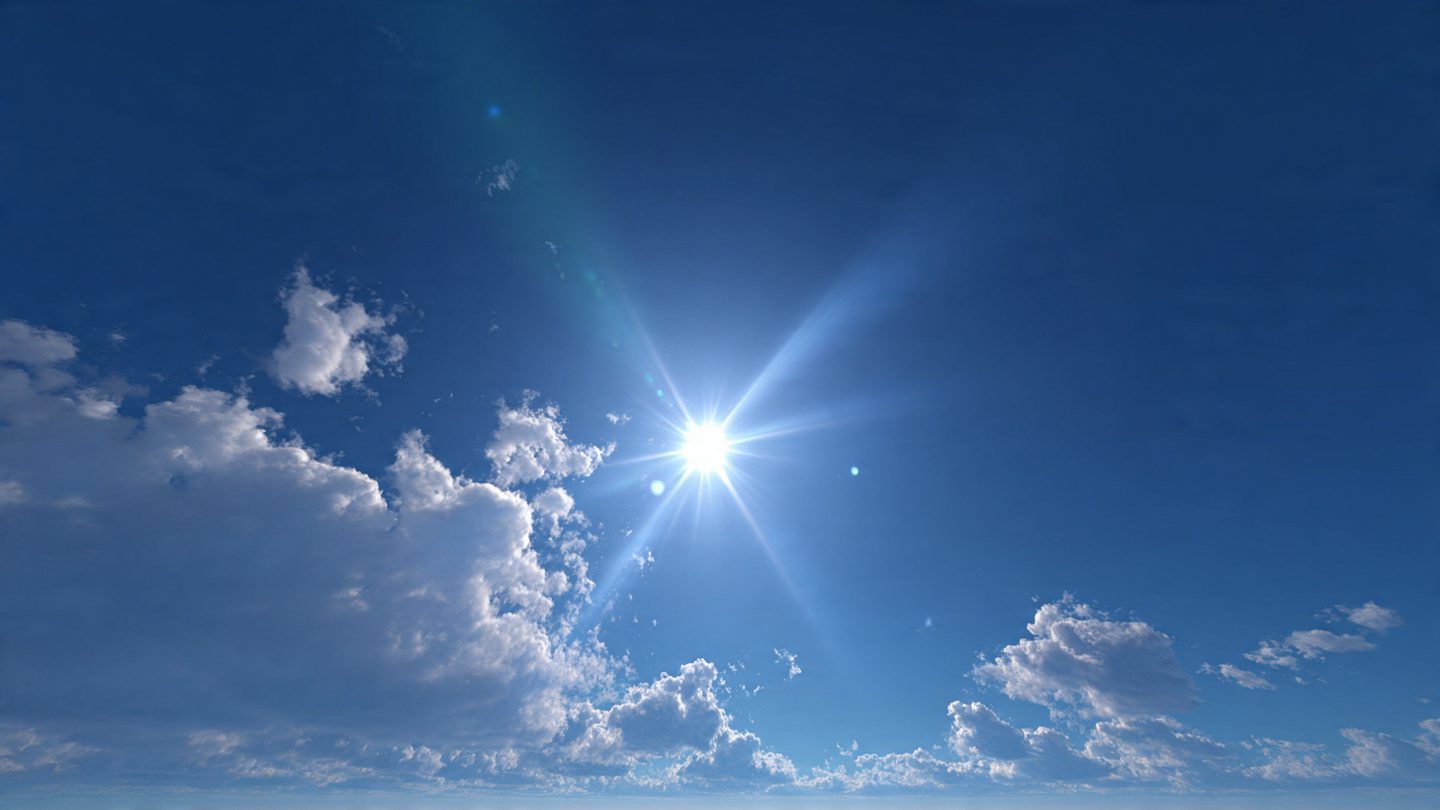
Why Does the Color of the Sky Change? The Science Behind Atmospheric Phenomena is a question that has fascinated humanity for centuries. The reason the sky changes color, the science behind atmospheric color shifts, and the explanation of why the sky appears blue, red, or orange all come down to how light interacts with Earth’s atmosphere. Understanding why the color of the sky changes involves exploring the behavior of sunlight, the structure of the atmosphere, and the physics of light scattering. This phenomenon is not just visually stunning but also scientifically profound, revealing the hidden processes that shape our everyday environment. From the deep blue of midday to the fiery hues of sunset, the sky tells a story of physics in motion. These color transitions are not random; they follow precise natural laws that scientists have studied for generations. By diving deeper into this topic, we uncover a fascinating blend of physics, chemistry, and environmental science.
Rayleigh scattering explanation of blue sky color
The most fundamental concept behind the color of the sky is Rayleigh scattering. This process explains why the sky appears blue during the day. Sunlight, although it appears white, is actually composed of multiple wavelengths corresponding to different colors. When sunlight enters Earth’s atmosphere, it collides with gas molecules such as nitrogen and oxygen. These molecules are much smaller than the wavelength of visible light, which makes them ideal for scattering shorter wavelengths. Blue and violet light have shorter wavelengths and are scattered more efficiently than red or orange light.
However, the sky appears blue rather than violet because our eyes are more sensitive to blue light, and some violet light is absorbed by the upper atmosphere. The scattered blue light spreads across the sky, creating the uniform blue dome we see above us. This process occurs continuously as sunlight passes through the atmosphere, making it one of the most consistent natural phenomena we observe daily.
Rayleigh scattering is also responsible for the intensity of the blue color. On clear days, when the atmosphere is free from pollution and large particles, the blue appears more vibrant. In contrast, hazy or polluted conditions can dilute this effect, causing the sky to appear pale or even grayish. This shows how delicate the balance is between light and atmospheric conditions.
 Why sunsets are red and orange due to light scattering
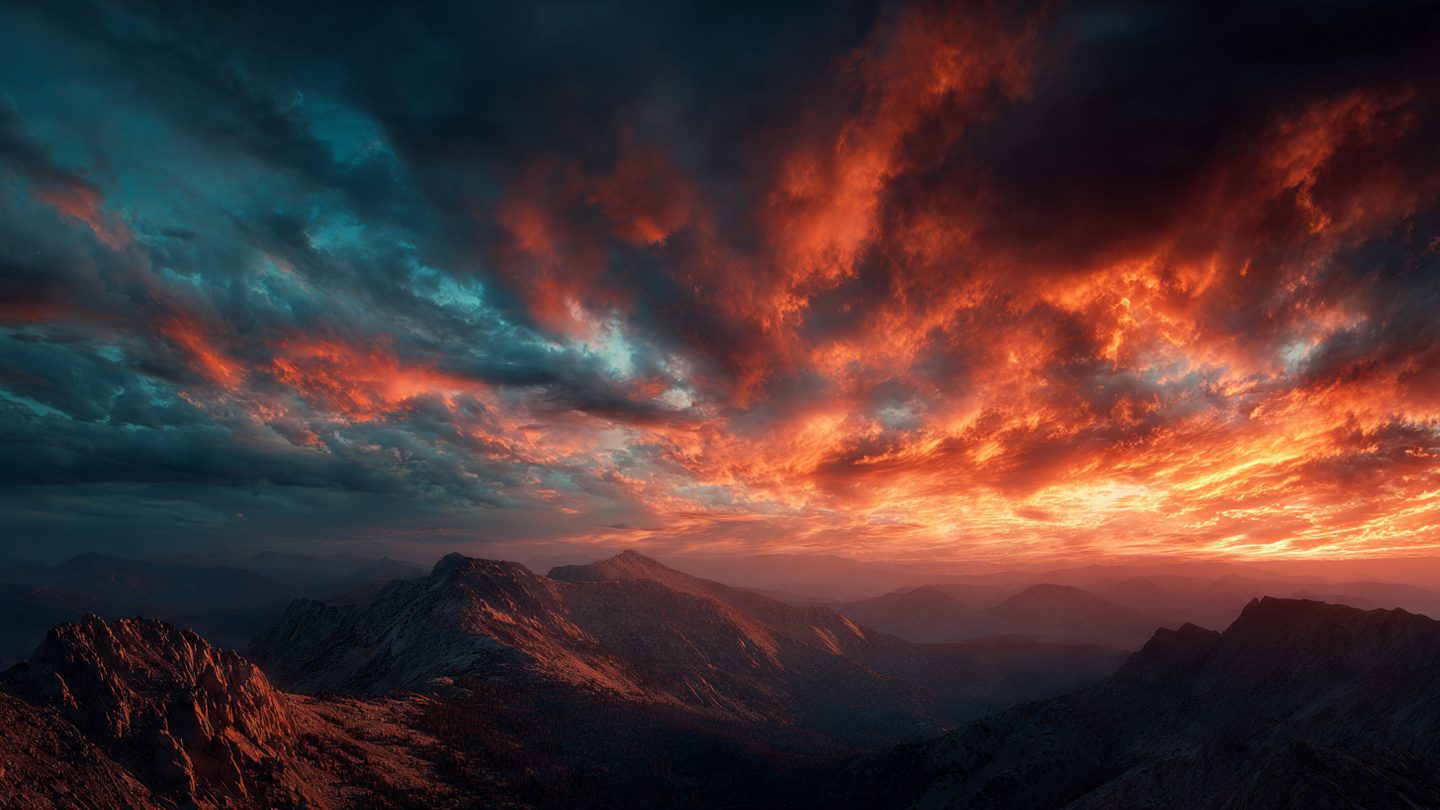
One of the most breathtaking examples of atmospheric color change is the sunset. During sunrise and sunset, the Sun is positioned near the horizon. This means sunlight must travel through a much thicker layer of the atmosphere before reaching our eyes. As a result, shorter wavelengths like blue and violet are scattered out of the direct path long before the light reaches the observer.
What remains are the longer wavelengths, such as red, orange, and yellow. These colors dominate the sky, creating the warm tones associated with sunsets and sunrises. The effect can be intensified by the presence of dust, pollution, or water droplets, which scatter light in different ways.
The exact color of a sunset can vary dramatically depending on atmospheric conditions. Clean air tends to produce softer, more pastel colors, while polluted or dusty air can create vivid reds and deep oranges. Volcanic eruptions, for example, can inject particles into the atmosphere that enhance sunset colors for months or even years.
This phenomenon demonstrates how the same basic principles of light scattering can produce dramatically different visual effects depending on the angle of the Sun and the composition of the atmosphere.
How atmospheric particles affect sky color variations
The composition of the atmosphere plays a crucial role in determining sky color. While Rayleigh scattering explains the basic blue color, larger particles such as dust, smoke, and water droplets introduce additional complexity. These particles cause what is known as Mie scattering, which affects all wavelengths of light more equally.
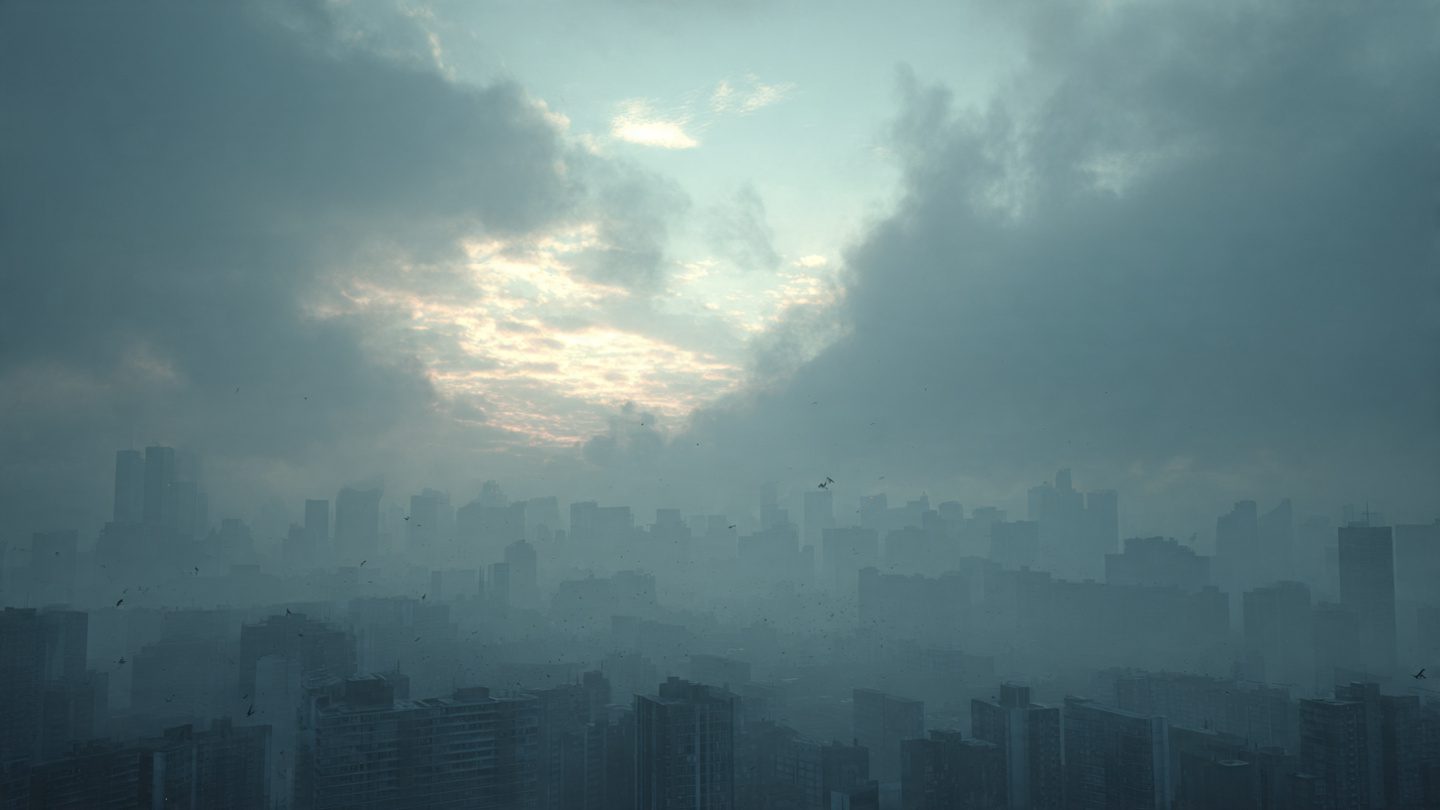
When Mie scattering dominates, the sky can appear white or gray instead of blue. This is often observed on cloudy or hazy days. The presence of aerosols, such as pollution or natural particles from wildfires, can significantly alter the appearance of the sky. In urban environments, these particles can reduce visibility and change the sky’s color to a dull or milky tone.
Clouds themselves are a perfect example of how larger particles influence color. Water droplets in clouds scatter light in all directions, which is why clouds appear white when illuminated by sunlight. In thicker clouds, less light passes through, making them appear gray or even dark.
This interaction between light and particles highlights the dynamic nature of the atmosphere. The sky’s color is not fixed but constantly changing in response to environmental conditions.
The role of wavelengths of light in atmospheric optics
Understanding the color of the sky requires a deeper look at the wavelengths of light. Visible light is part of the electromagnetic spectrum, with each color corresponding to a specific wavelength. Blue light has a shorter wavelength, while red light has a longer wavelength.
Shorter wavelengths are scattered more easily because they interact more strongly with small particles in the atmosphere. This is why blue light dominates the daytime sky. Longer wavelengths, on the other hand, pass through the atmosphere more directly, becoming more visible when shorter wavelengths are scattered away.
This principle is not limited to Earth. It can be observed on other planets as well. For example, Mars often has a reddish sky due to the presence of iron-rich dust in its atmosphere. This shows how the composition of an atmosphere can dramatically influence its appearance.
The study of atmospheric optics reveals that color is not an inherent property of the sky but a result of how light behaves under specific conditions. This insight has applications in fields ranging from astronomy to climate science.
Why the sky changes color during different times of day
The position of the Sun relative to the Earth is one of the main factors influencing sky color. As the Earth rotates, the angle at which sunlight enters the atmosphere changes. This affects the distance light must travel and the amount of scattering that occurs.
At midday, the Sun is directly overhead, and sunlight travels a shorter path through the atmosphere. This results in minimal scattering of longer wavelengths and a dominance of blue light. In contrast, during sunrise and sunset, the longer path length leads to greater scattering of shorter wavelengths.
Twilight periods, such as dawn and dusk, introduce additional complexity. During these times, the sky can display a range of colors, including pink, purple, and even green. These colors arise from a combination of scattering processes and the presence of atmospheric particles.
The gradual transition of colors throughout the day creates a dynamic visual experience. It is a reminder that the sky is constantly evolving, shaped by the interplay of light and atmosphere.
Blue sky vs hazy sky: impact of pollution and aerosols
Pollution and aerosols have a significant impact on the color of the sky. In areas with high levels of air pollution, the sky often appears less vibrant. This is because particles in the air scatter light in ways that reduce the dominance of blue wavelengths.
Aerosols, which include tiny solid and liquid particles suspended in the air, can originate from both natural and human sources. Dust storms, wildfires, and volcanic eruptions all contribute to aerosol levels. Human activities, such as industrial emissions and vehicle exhaust, also play a major role.
When aerosol concentrations are high, they can scatter light more evenly across all wavelengths. This results in a whitish or grayish sky. In extreme cases, pollution can even give the sky a yellow or brown tint.
The study of aerosols is crucial for understanding both atmospheric optics and environmental health. Changes in sky color can serve as a visual indicator of air quality, making this phenomenon not only beautiful but also informative.
Rare atmospheric phenomena that change sky colors dramatically
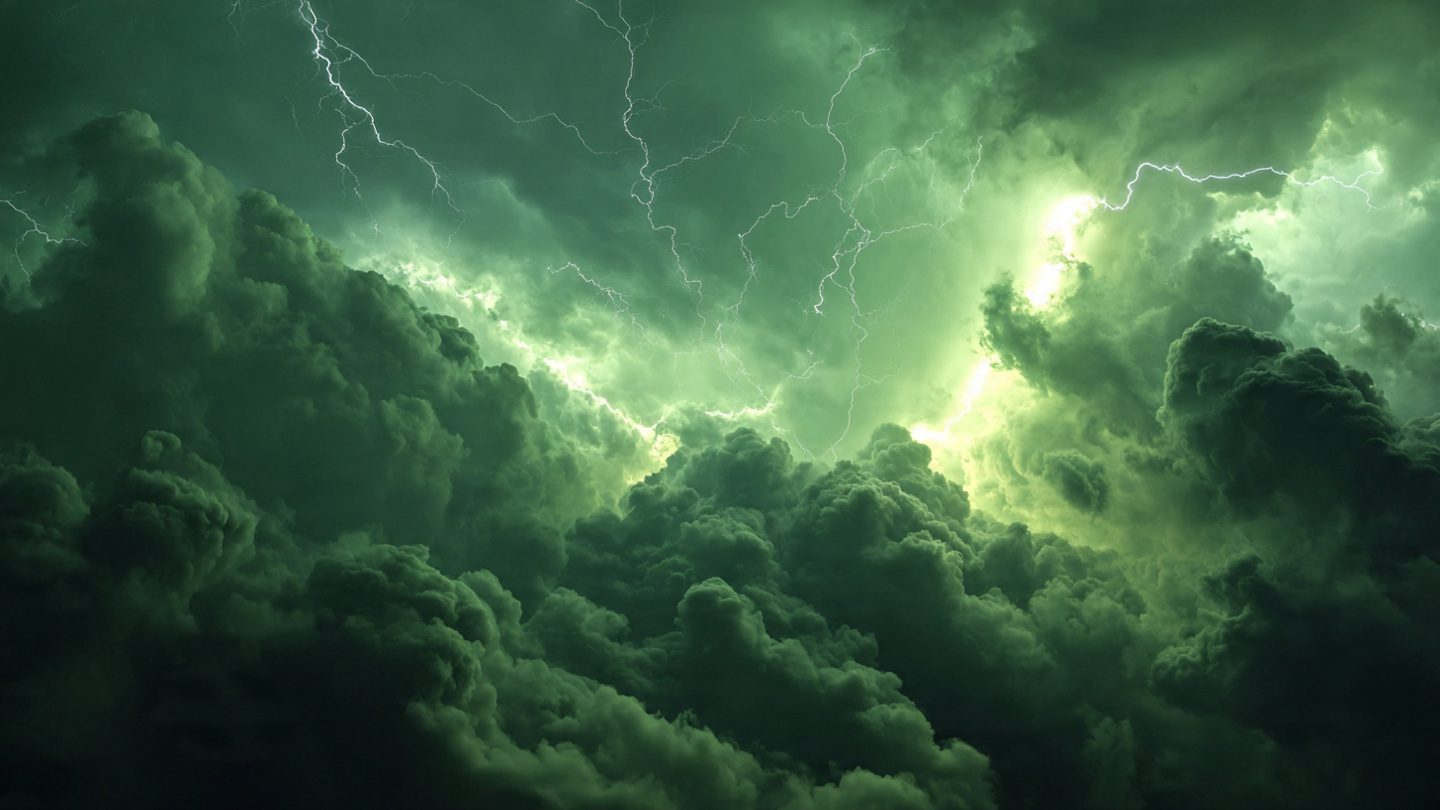
Beyond everyday changes, there are rare atmospheric phenomena that produce extraordinary sky colors. These events often capture public attention due to their unusual appearance. Examples include green skies before severe storms, red skies caused by wildfires, and iridescent clouds.
Auroras are perhaps the most famous example. These colorful displays occur when charged particles from the Sun interact with Earth’s magnetic field and atmosphere. The result is a stunning array of colors, including green, red, and purple, dancing across the sky.
Another rare phenomenon is the appearance of a “blood red” sky, which can occur during extreme atmospheric conditions. This effect is often linked to high concentrations of dust or smoke in the atmosphere.
These rare events highlight the complexity of atmospheric processes. They demonstrate that the sky is capable of producing a wide range of colors under the right conditions.
The science behind sky color on other planets
The principles that explain Earth’s sky also apply to other planets, but the results can be very different. Each planet has a unique atmosphere with its own composition and particle size distribution. This leads to a wide variety of sky colors across the solar system.
On Mars, the sky often appears reddish due to the presence of fine dust particles rich in iron oxide. During sunsets on Mars, however, the sky can appear blue near the Sun due to different scattering effects.
On Venus, thick clouds of sulfuric acid create a bright, yellowish sky. On Titan, Saturn’s largest moon, the atmosphere is filled with organic molecules that produce a hazy orange appearance.
Studying these variations helps scientists understand the role of atmospheric composition in determining sky color. It also provides valuable insights into the climates and environments of other worlds.
How climate change influences atmospheric color patterns
Climate change is beginning to influence atmospheric conditions in ways that can affect sky color. Changes in temperature, humidity, and air composition alter the behavior of light in the atmosphere. Increased levels of greenhouse gases and aerosols can modify scattering processes.
For example, rising temperatures can lead to more frequent wildfires, which release large amounts of particles into the atmosphere. These particles can enhance red and orange hues in the sky. Similarly, changes in cloud formation patterns can influence how light is scattered and reflected.
Climate change also affects the distribution of aerosols globally. This can lead to regional differences in sky color and visibility. Monitoring these changes provides valuable data for understanding environmental trends.
The connection between climate and sky color underscores the importance of studying atmospheric phenomena. It shows that even subtle visual changes can have deeper scientific implications.
The Latest Discoveries in Space That Are Changing Our View of the Universe
Summary
The color of the sky is a result of complex interactions between sunlight and Earth’s atmosphere. Processes like Rayleigh scattering, Mie scattering, and wavelength-dependent behavior explain why the sky appears blue during the day and red during sunsets. Atmospheric particles, pollution, and environmental conditions further influence these colors. Rare phenomena and planetary comparisons reveal even more diversity in sky appearances. Ultimately, the changing color of the sky is not just a visual experience but a reflection of the underlying physics that governs our world.
FAQ
1. Why is the sky blue during the day?
Because shorter wavelengths of light, especially blue, are scattered more by atmospheric molecules.
2. Why are sunsets red or orange?
Because sunlight travels a longer path, scattering shorter wavelengths and leaving longer wavelengths visible.
3. Can pollution change the color of the sky?
Yes, pollution introduces particles that alter light scattering, often making the sky appear gray or hazy.
4. Why does the sky sometimes look white?
Large particles scatter all wavelengths equally, reducing the dominance of blue light.
5. Do other planets have different sky colors?
Yes, atmospheric composition determines sky color, leading to red, yellow, or orange skies on other planets.
Call-to-Action
Look up at the sky today and observe its color. Notice the subtle changes throughout the day. Share your observations, explore more science topics, and deepen your understanding of the natural world around you.






