
 Befrey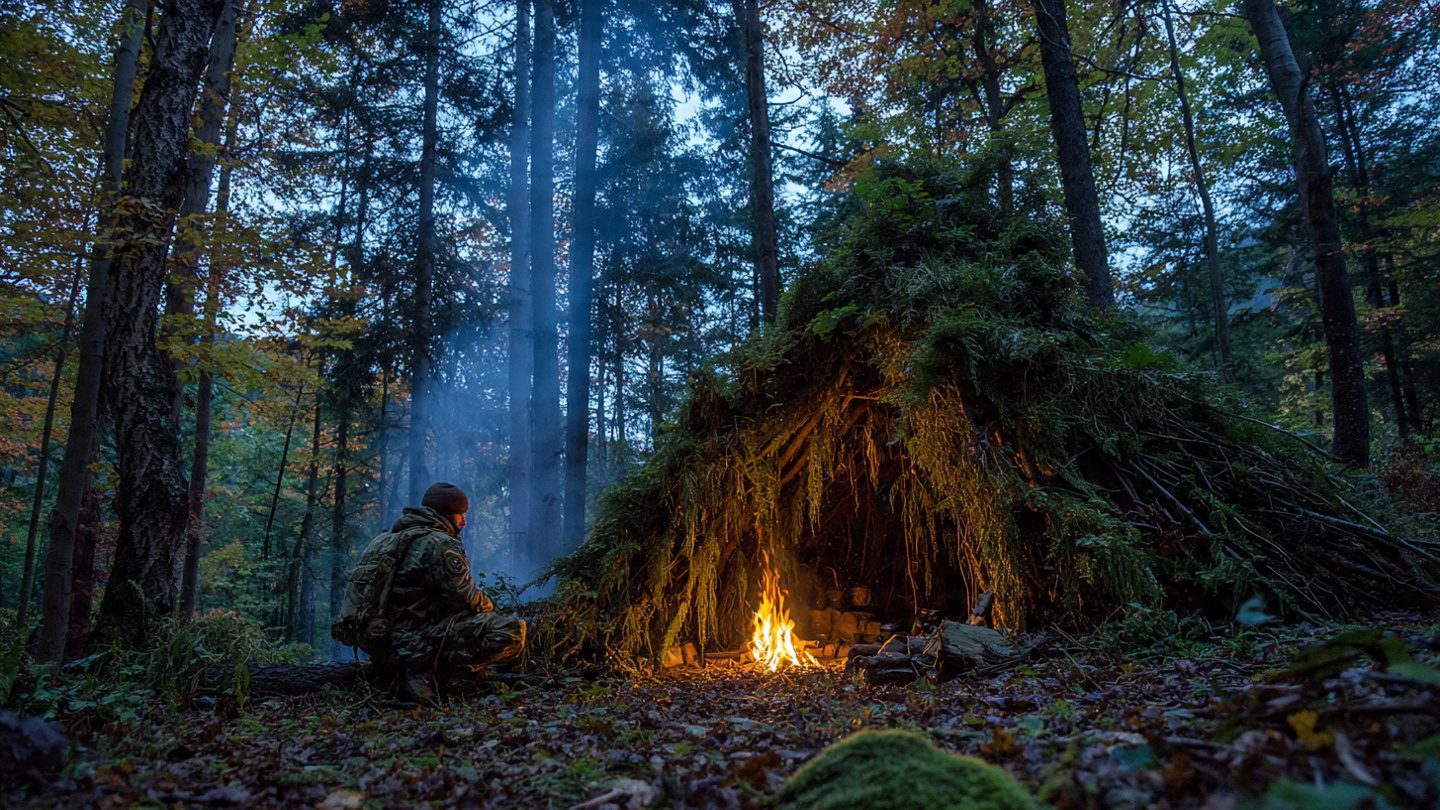
Spending a night outdoors can be an exhilarating and transformative experience. However, when you find yourself without a tent, knowing how to spend the night in the woods without a tent becomes essential. Survival in the wilderness without conventional shelter requires preparation, resourcefulness, and practical knowledge. This guide will walk you through every aspect of staying safe, comfortable, and dry while sleeping under the stars. From creating improvised shelters to understanding natural materials, fire management, and night-time safety, you will gain the confidence to embrace the wild without relying on tents. Whether you are a hiker, backpacker, or survival enthusiast, mastering these skills is vital for a successful overnight experience in the forest.
Understanding the Basics of Sleeping Outdoors Without a Tent
Before heading into the wilderness, you must understand the essentials of sleeping outside without a tent. Knowledge of your environment is crucial. First, assess the terrain for safety, water availability, and potential hazards such as cliffs, wildlife, or flooding areas. Selecting the right location is paramount. Choose elevated areas with natural windbreaks like dense trees or rock formations. Avoid low-lying spots where water could accumulate in case of rain. Understanding the basics of outdoor survival, including temperature management, navigation, and natural shelter building, is the first step toward a safe night in the woods without a tent.
Additionally, clothing choices can significantly affect your comfort. Wearing layers allows you to regulate your body temperature as the night cools. Moisture-wicking materials prevent hypothermia by keeping sweat away from the skin. Even simple items like hats, gloves, and thermal socks can make a dramatic difference when sleeping outdoors. Knowledge of basic survival gear—like a quality sleeping bag, tarp, or emergency blanket—is essential even if you do not carry a full tent.
How to Build a Natural Shelter for Overnight Comfort
One of the most important skills in learning how to spend the night in the woods without a tent is constructing a natural shelter. Nature offers abundant resources, but knowing how to use them efficiently separates success from discomfort. Start by locating fallen branches, large leaves, moss, and dense shrubs. These materials can form the foundation of a debris shelter, lean-to, or A-frame structure. For a basic lean-to, prop a sturdy branch at an angle against a support, like a tree trunk, and pile leaves or pine needles for insulation. This creates a barrier against wind, rain, and ground moisture.
Layering is critical in shelter construction. Place soft, insulating materials on the ground first, followed by more rigid branches for structural support. On top, add a thick layer of leaves or pine boughs to provide insulation and rain resistance. Avoid areas with dead or unstable branches overhead to prevent injury. With a well-constructed natural shelter, you can sleep relatively comfortably without a tent and remain protected from the elements.
Choosing the Right Spot to Sleep Safely in the Woods
Selecting the correct location in the wilderness is crucial for those who want to know how to spend the night in the woods without a tent. Safety, accessibility, and environmental conditions all play key roles. Look for areas near natural windbreaks such as boulders or dense forests. Avoid open fields where wind and cold can be more severe. Ensure the area is free from wildlife hazards by observing animal tracks and avoiding known habitats. Flat terrain is preferable, as uneven ground can make sleep uncomfortable and may increase risk of injury.
Proximity to water is both an advantage and a challenge. While it provides drinking water, avoid camping too close to rivers or lakes prone to rising levels. Additionally, consider how accessible emergency exits or trails are in case of danger. A well-chosen location increases your chances of a safe, restful night, even without a tent.
Essential Survival Tools When Camping Without a Tent
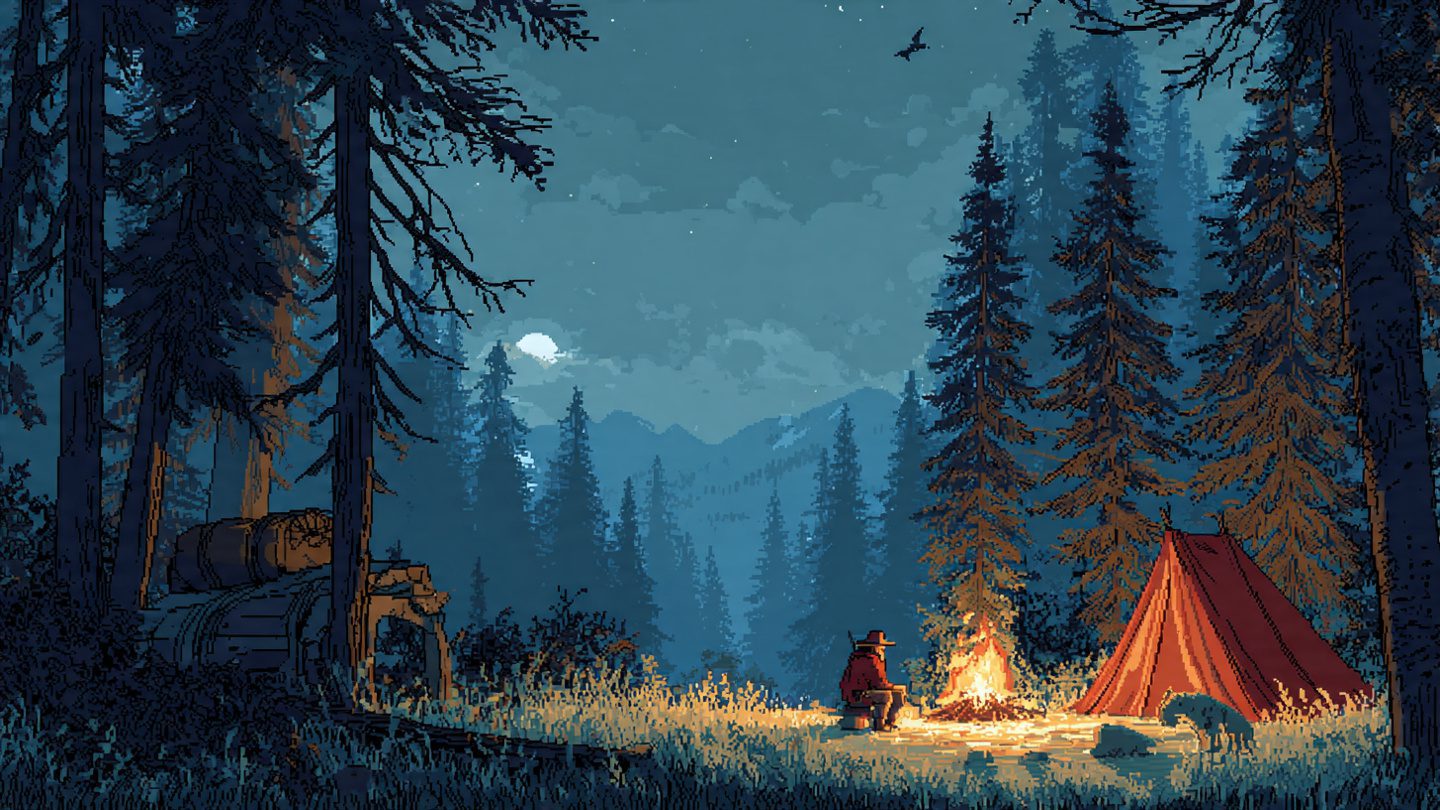
Even without a tent, a few tools can make a night in the forest manageable. Essential gear includes a durable sleeping bag, tarp, paracord, fire-starting kit, and multi-tool. Each item plays a critical role in ensuring safety and comfort. For instance, a tarp can serve as a makeshift roof, rain barrier, or ground cover, while paracord can secure branches and tie up improvised shelters. A multi-tool provides cutting, sawing, and other functional uses necessary for survival. Fire-starting kits are vital, especially in cold environments, allowing you to create warmth, deter animals, and cook food.
Additionally, knowledge of natural materials can substitute for tools when necessary. Stones, sticks, and tree bark can be used for insulation, signaling, and minor construction. By combining proper equipment with natural resources, you can effectively manage the challenges of sleeping outdoors without a tent.
Staying Warm and Dry: Clothing and Layering Techniques
Temperature regulation is a primary concern when learning how to spend the night in the woods without a tent. Hypothermia is a genuine risk, particularly in wet or windy conditions. Proper layering is essential. Start with a moisture-wicking base layer to keep sweat away from your skin. Add insulating layers such as fleece or down jackets. Top off with a windproof or waterproof outer layer to block precipitation and drafts. Wearing a hat and gloves can prevent significant heat loss, as extremities are particularly vulnerable.
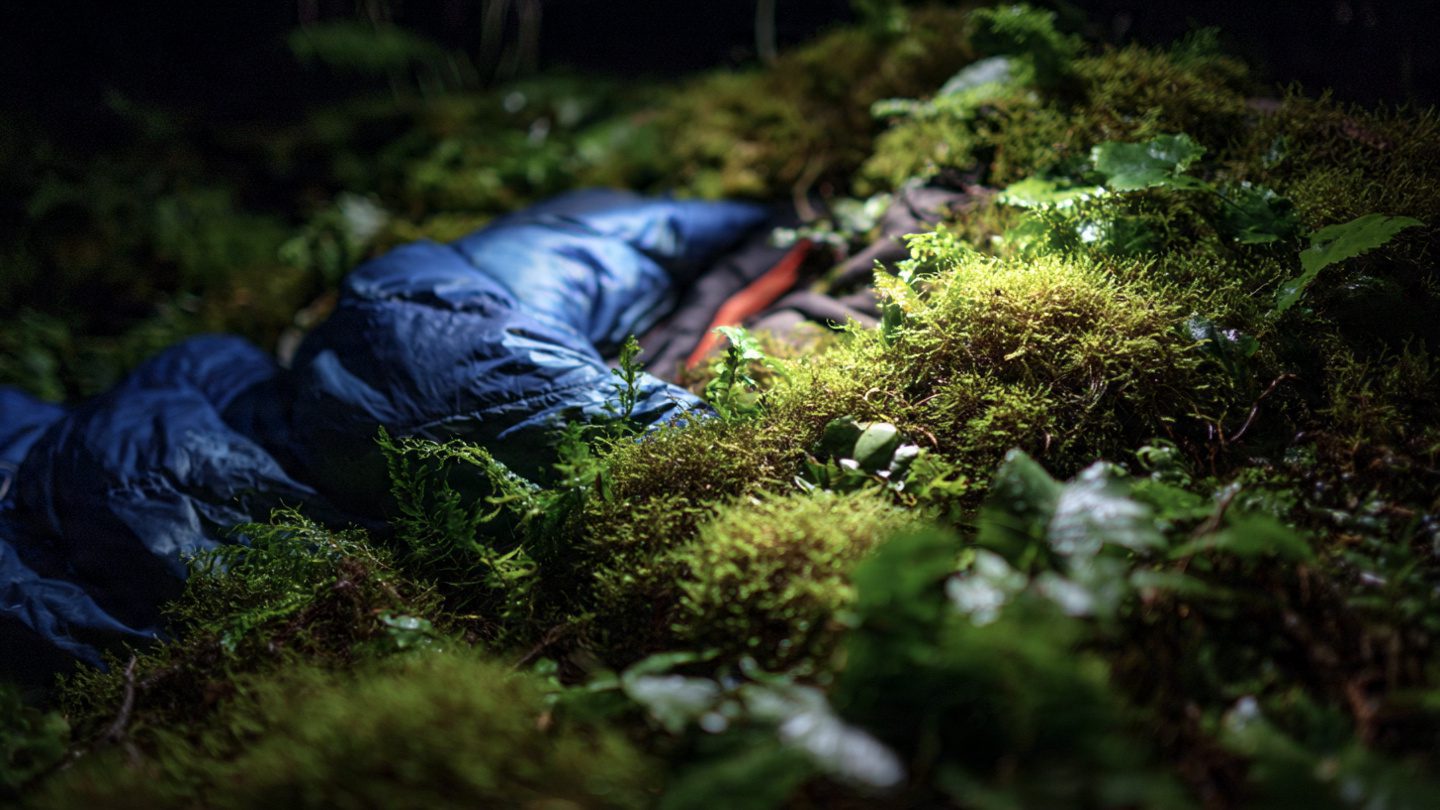
Ground insulation is equally important. Sleeping directly on soil or rocks leads to rapid heat loss. Use leaves, pine needles, or a sleeping pad to create a barrier. Even an improvised mat of branches can make a difference. Learning to combine clothing, natural insulation, and strategic shelter placement will maximize warmth and ensure a restful night.
Fire Building and Maintenance for Overnight Survival
Fire is an essential survival skill when you want to know how to spend the night in the woods without a tent. Fire provides warmth, light, and protection from wildlife, as well as a means to cook food. Start by gathering dry tinder, kindling, and larger logs. Dry leaves, pine needles, and birch bark make excellent tinder. Arrange materials in a safe, open area, away from overhanging branches or flammable materials.
Techniques for building fire vary depending on resources. The teepee, log cabin, and lean-to fire styles are reliable. Maintain the fire by adding small logs gradually, avoiding smothering the flames. Always have water or dirt nearby to extinguish the fire if necessary. Understanding fire safety and maintenance ensures comfort and security during your overnight stay.
Food and Water Preparation Without Conventional Gear
Even without a tent, you must plan for sustenance. Proper preparation enhances your survival experience. Identify edible plants, berries, and fungi—but only consume them if you are certain of their safety. Foraging requires knowledge and caution, as many wild species are toxic. Trapping small game or fishing can provide protein if you are experienced. Carrying lightweight food like nuts, dried fruit, or energy bars is also recommended.
Water purification is critical. Natural water sources may contain bacteria, parasites, or chemicals. Boiling water, using portable filters, or chemical tablets ensures safe consumption. Staying hydrated and nourished allows your body to generate heat and energy, which is vital when sleeping outdoors without a tent.
Nighttime Safety: Wildlife and Environmental Awareness
Sleeping without a tent exposes you to wildlife and environmental hazards. Understanding animal behavior and seasonal patterns can mitigate risks. Keep food sealed and stored away from your sleeping area to avoid attracting animals. Avoid strong scents like perfumes or scented toiletries that might attract wildlife. Noise and light can serve as deterrents for some nocturnal creatures. Maintaining a safe perimeter around your shelter reduces unexpected encounters.
Weather awareness is also crucial. Rain, strong winds, or sudden temperature drops require preparation. Have backup materials for emergency shelters, and know how to read natural signs of weather changes. Staying vigilant during the night ensures safety and a comfortable experience.
Psychological Preparation and Mental Resilience
Spending a night outdoors without a tent challenges both physical and mental limits. Anxiety, fear, and isolation can be intensified in unfamiliar surroundings. Mental preparation is therefore essential. Familiarize yourself with survival techniques, practice meditation, or use mental visualization to build resilience. Focus on the tasks at hand, like preparing firewood or shelter, which can reduce stress. Embracing solitude as a form of mental exercise can transform fear into empowerment.
Being mentally prepared improves decision-making and overall enjoyment. Even seasoned hikers emphasize that mental resilience is as important as physical preparedness when sleeping outdoors without a tent.
Advanced Tips: Enhancing Comfort and Security
For those seeking mastery in how to spend the night in the woods without a tent, advanced techniques elevate comfort. Create a “star roof” by leaving gaps in your shelter to observe the sky while maintaining insulation. Use natural sound barriers, such as dense shrubs or fallen logs, to block wind and ambient noise. Fashion a hammock from paracord or tree vines for elevated sleeping, reducing contact with cold ground or insects. Strategically position fire pits to provide radiant warmth while avoiding direct smoke inhalation. Small touches like creating a makeshift pillow from moss or leaves enhance the overall experience.
These techniques turn a survival situation into a rewarding adventure. Every detail, from ground insulation to fire placement, contributes to comfort, safety, and the joy of connecting with nature.
Summary
Mastering how to spend the night in the woods without a tent involves preparation, knowledge, and creativity. By selecting the right location, constructing natural shelters, maintaining fire, managing temperature, and practicing mental resilience, anyone can safely enjoy the wilderness. Utilizing both natural resources and essential survival gear ensures a comfortable, secure, and memorable night. This guide empowers outdoor enthusiasts to embrace the raw experience of nature without relying on tents.
FAQ
1. Can I really sleep comfortably in the woods without a tent?
Yes. With proper shelter, insulation, and clothing, you can sleep safely and comfortably outdoors without a tent.
2. How do I keep bugs away without a tent?
Use natural repellents, build a raised sleeping platform, and keep your food sealed to minimize insect attraction.
3. What is the best material for a natural shelter?
Leaves, pine boughs, moss, and sturdy branches are ideal. Layering these materials provides insulation and protection from the elements.
4. How do I stay warm without a tent in cold weather?
Layer your clothing, use insulated sleeping pads, and maintain a fire nearby. Position yourself in a sheltered location away from wind.
5. Is it safe to forage for food while camping without a tent?
Only consume plants, berries, or fungi you can positively identify as safe. When in doubt, carry backup food supplies.
Call-to-Action
Ready to experience the ultimate outdoor adventure? Start planning your tent-free overnight stay in the woods today! Equip yourself with knowledge, prepare your gear, and embrace the wild like a true survival expert. Share your experiences and tips in the comments to inspire other adventurers!





