
 Befrey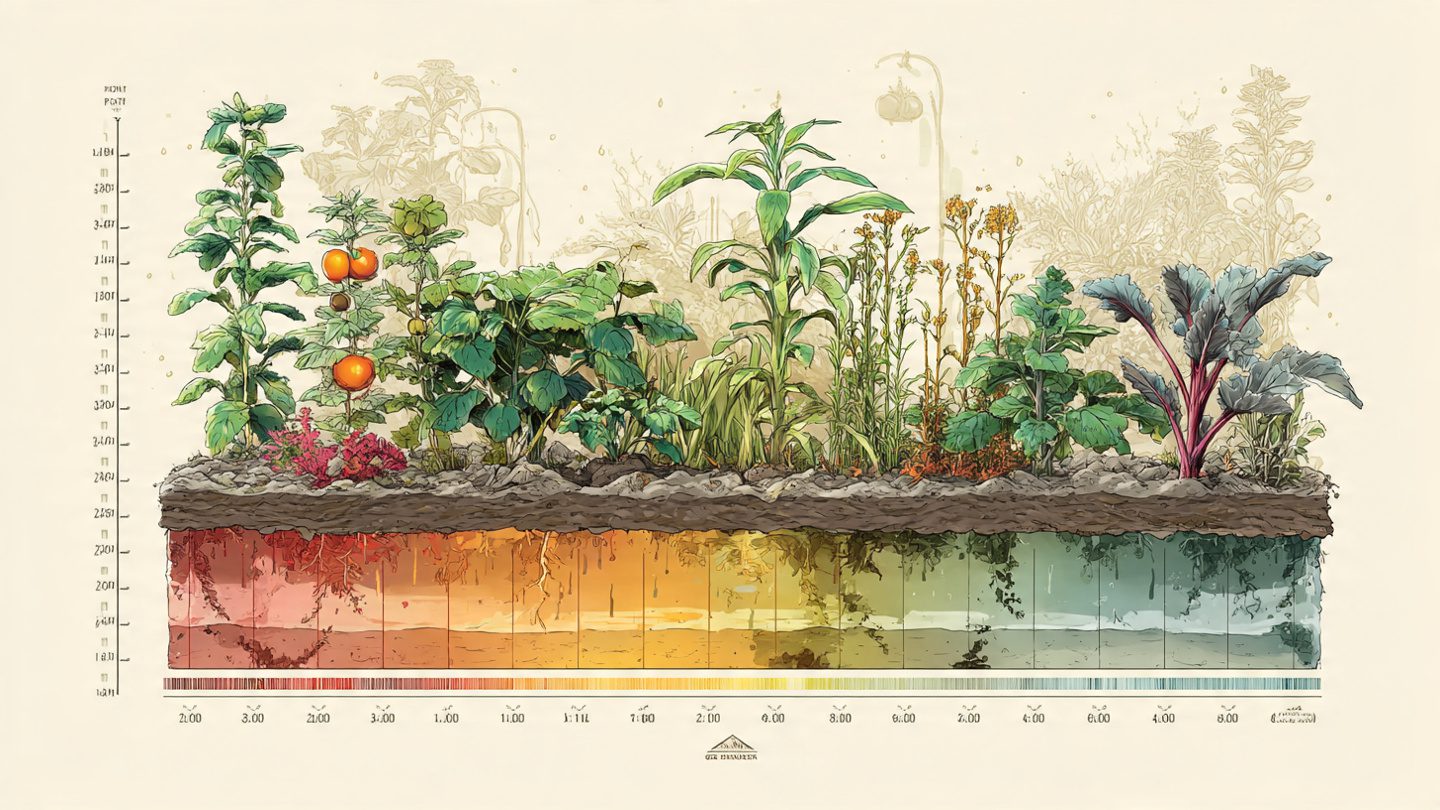
If you want to master how to balance soil pH naturally, you are unlocking one of the most powerful secrets in gardening. Adjusting soil acidity naturally, correcting soil alkalinity without chemicals, and learning how to balance soil pH naturally can completely transform plant health. Soil pH affects everything. Nutrient availability, root development, microbial life, and overall plant performance all depend on it. When you understand how to balance soil pH naturally, you stop guessing and start creating the exact conditions your plants need to thrive.
Why Soil pH Matters More Than Most Gardeners Realize
Soil pH is not just a number. It is a control system that determines how nutrients behave in your soil. Even if your soil contains all the essential nutrients, plants may not be able to access them if the pH is incorrect.
In acidic soil, certain nutrients like aluminum can become toxic. At the same time, essential nutrients such as phosphorus become less available. This leads to poor plant growth even when the soil appears rich.
In alkaline soil, micronutrients like iron and zinc become difficult for plants to absorb. This often results in yellowing leaves and weak growth.
The ideal pH range for most plants is between 6.0 and 7.0. This range allows nutrients to remain available and supports healthy microbial activity.
Soil pH also affects microorganisms. Beneficial bacteria and fungi thrive within specific pH ranges. If the pH is off, the entire soil ecosystem suffers.
Balancing soil pH naturally ensures long-term stability. Instead of quick fixes, you create a self-regulating environment where plants can grow consistently.
Signs of incorrect soil pH for plants
Plants are excellent indicators of soil conditions. When pH is out of balance, they show clear symptoms.
Yellowing leaves are one of the most common signs. This is often caused by nutrient lockout rather than actual nutrient deficiency. The nutrients are present but unavailable due to incorrect pH.
Stunted growth is another indicator. Plants struggle to develop properly when they cannot access essential nutrients.
Poor flowering or fruiting is also a warning sign. Even healthy-looking plants may fail to produce if pH conditions are not suitable.
Leaf discoloration, especially between veins, can indicate micronutrient issues linked to pH imbalance.
Another sign is inconsistent plant performance across your garden. If some areas grow well while others struggle, pH variation may be the cause.
Understanding these signs helps you take action before the problem becomes severe.
How to test and correct soil pH at home
Before making any adjustments, you must test your soil. Guessing can lead to overcorrection and more problems.
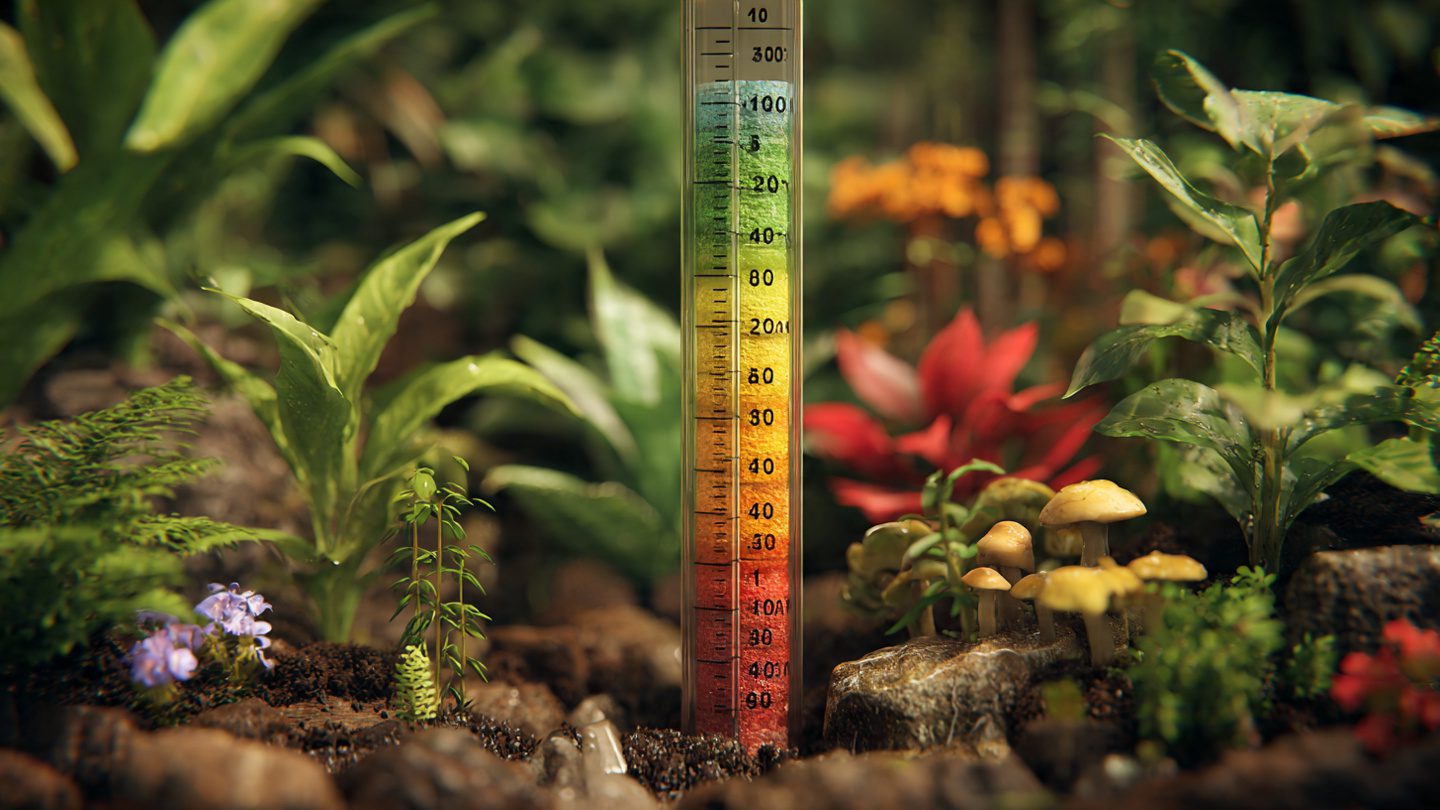
Simple home testing methods include natural indicators like vinegar and baking soda reactions. These provide a basic understanding of whether your soil is acidic or alkaline.
pH test kits are more accurate and still affordable. They give you a clearer picture of your soil’s condition.
Once you know your pH level, correction becomes targeted. You are no longer adding random materials but applying specific solutions.
Testing should be done regularly. Soil pH can change over time due to rainfall, plant activity, and organic matter decomposition.
Correcting soil pH at home is not about instant results. It is about gradual improvement and consistent monitoring.
This approach ensures long-term balance rather than temporary fixes.
Natural ways to lower soil pH in garden
If your soil is too alkaline, you need to lower the pH. This means making it more acidic.
One of the most effective natural methods is adding organic matter. Compost, leaf mold, and pine needles gradually acidify the soil while improving structure.
Sulfur is a commonly used natural amendment. Soil bacteria convert sulfur into sulfuric acid, lowering pH over time.
Coffee grounds can also help in small amounts. They add mild acidity and organic matter to the soil.
Mulching with acidic materials like pine bark creates a long-term effect. As the mulch decomposes, it slowly changes soil pH.
Water quality also plays a role. Hard water can increase alkalinity. Using rainwater can help maintain a lower pH.
Lowering soil pH naturally takes time, but it creates a stable environment for plants.
How to raise soil pH organically
If your soil is too acidic, you need to increase the pH. This makes the soil more alkaline.
Lime is the most common natural amendment. It neutralizes acidity and raises pH gradually.
Wood ash is another effective option. It contains calcium and potassium, which help increase alkalinity.
Crushed eggshells can also contribute over time. They break down slowly and provide calcium.
Adding compost helps buffer pH changes. While it does not drastically raise pH, it stabilizes soil conditions.
Application should be gradual. Adding too much at once can shock plants and disrupt soil balance.
Raising soil pH organically ensures a gentle transition that supports long-term soil health.
Best materials to adjust soil pH naturally
Choosing the right materials is essential for effective pH management.
Organic matter is always the foundation. It improves soil structure while influencing pH levels.
Sulfur is ideal for lowering pH. Lime is best for raising it. Both should be used carefully and based on test results.
Natural mulches play a dual role. They protect the soil and gradually influence pH as they decompose.
Biochar is another powerful tool. It helps stabilize pH and improves nutrient retention.
Mineral-based amendments like rock dust provide trace elements while supporting overall soil balance.
The key is to use a combination of materials. This creates a balanced system rather than relying on a single solution.
Long-term methods for stable soil pH balance
Short-term fixes are not enough. Soil pH needs to be managed continuously.
Regular composting is one of the most effective long-term strategies. It buffers pH and supports microbial life.
Crop rotation helps maintain balance. Different plants influence soil pH in different ways.
Cover crops protect soil and improve its structure. They also contribute to pH stability over time.
Avoiding chemical inputs is crucial. Synthetic fertilizers can disrupt natural pH balance and harm soil life.
Monitoring soil regularly allows you to catch changes early. Small adjustments are easier than major corrections.
Long-term stability comes from consistent care and natural practices.
The Role of Microorganisms in pH Balance
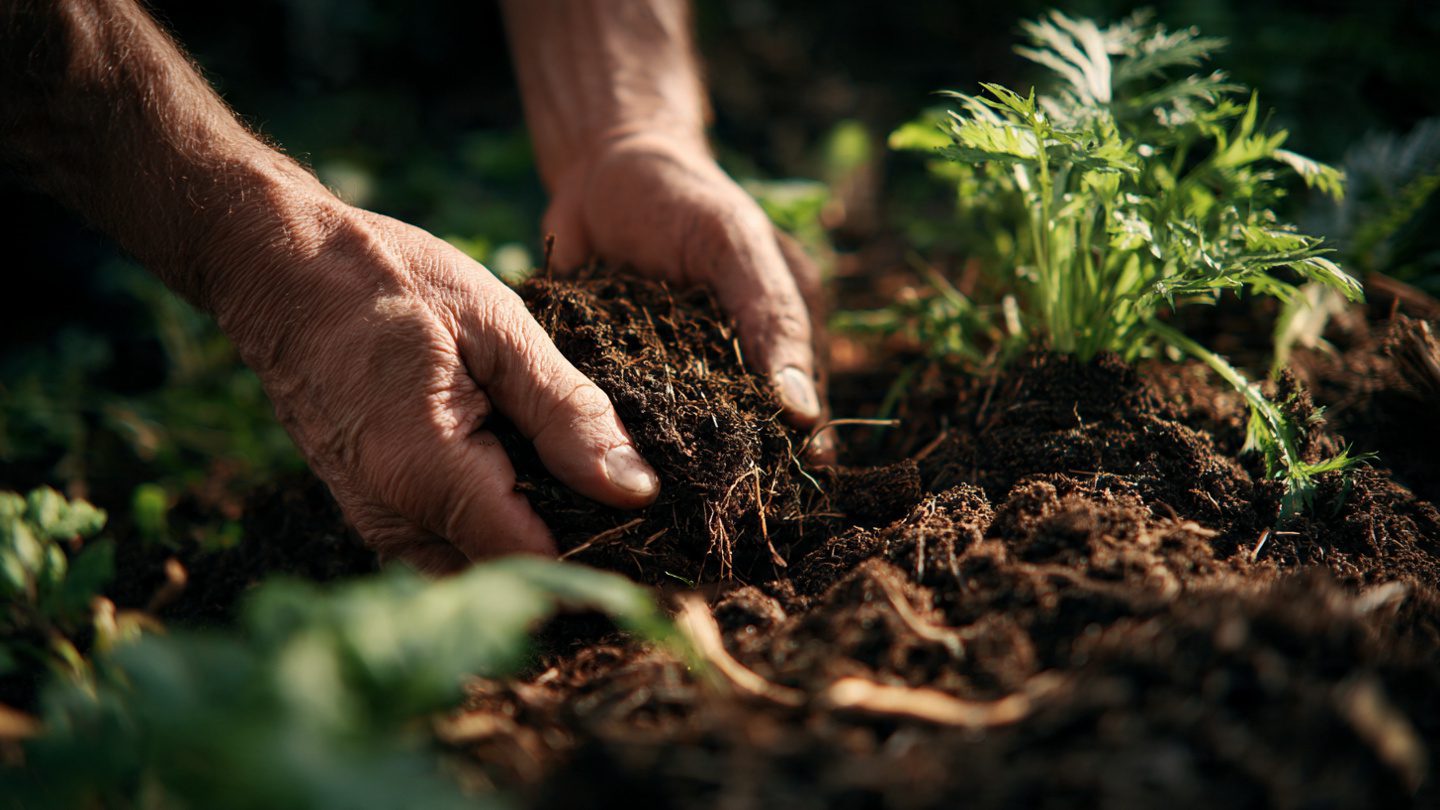
Microorganisms play a critical role in regulating soil pH. They break down organic matter and release nutrients in forms that plants can use.
Beneficial bacteria help buffer pH changes. They create a more stable environment for plant growth.
Fungi form symbiotic relationships with roots. They improve nutrient uptake and support pH balance.
Earthworms contribute by mixing soil and improving aeration. Their activity enhances overall soil health.
Encouraging microbial life requires organic practices. Avoid chemicals and feed the soil regularly.
A healthy microbial ecosystem naturally stabilizes pH, reducing the need for constant intervention.
Common Mistakes When Adjusting Soil pH
Many gardeners make mistakes when trying to balance soil pH.
One common error is skipping testing. Without knowing your starting point, adjustments are guesswork.
Over-application of amendments is another issue. Too much lime or sulfur can create new problems.
Ignoring soil type can lead to ineffective results. Clay and sandy soils respond differently to amendments.
Expecting instant results is unrealistic. Natural pH adjustment takes time.
Using chemical solutions may provide quick changes but harm long-term soil health.
Avoiding these mistakes ensures more effective and sustainable results.
What to do if the soil in your garden isn’t good
How to fix clay soil for gardening
How to test soil at home
Summary
Balancing soil pH naturally is one of the most powerful ways to improve your garden. By understanding how pH affects nutrient availability and plant health, you can make precise adjustments that lead to long-term success. Natural methods provide stability, support soil life, and create a balanced environment where plants can thrive. With patience and consistency, you can achieve optimal soil conditions without relying on chemicals.
FAQ
1. How long does it take to change soil pH naturally?
It can take several months to a year, depending on the method and soil conditions.
2. Can I adjust soil pH without testing?
It is not recommended. Testing ensures accurate and effective adjustments.
3. Is lime safe for organic gardening?
Yes, when used correctly and in appropriate amounts.
4. Can compost alone balance soil pH?
Compost helps stabilize pH but may not significantly change extreme levels.
5. How often should I check soil pH?
At least once per year, or more often if you are making adjustments.
CTA (Call-to-Action)
Start balancing your soil pH today using natural methods. Test your soil, apply the right materials, and build a healthier garden step by step.






