
 Befrey
If you want to understand how to make soil more fertile, you are focusing on the most important factor in gardening success. Improving soil fertility, boosting soil nutrients, and learning how to make soil more fertile naturally will completely change how your plants grow. Fertile soil is not just about adding nutrients. It is about creating a balanced system where plants, microorganisms, water, and minerals work together. When you truly understand how to make soil more fertile, you stop relying on guesswork and start building a powerful foundation for long-term growth.
Why Soil Fertility Is the Foundation of Every Successful Garden
Soil fertility is often misunderstood. Many people think it only means adding fertilizer. This is incorrect. True soil fertility is about the soil’s ability to support life consistently over time.
Fertile soil contains essential nutrients like nitrogen, phosphorus, and potassium. But nutrients alone are not enough. The soil must also have good structure, proper moisture retention, and active microbial life.
Without structure, roots cannot grow properly. Without moisture balance, nutrients cannot move. Without microorganisms, nutrients cannot be converted into forms plants can absorb.
Fertility is also dynamic. It changes based on weather, plant use, and management practices. This means soil must be maintained, not just fixed once.
Another key factor is nutrient cycling. In healthy soil, nutrients are constantly recycled through organic matter and microbial activity. This reduces the need for external inputs.
Understanding soil fertility at this deeper level allows you to create a system that sustains itself.
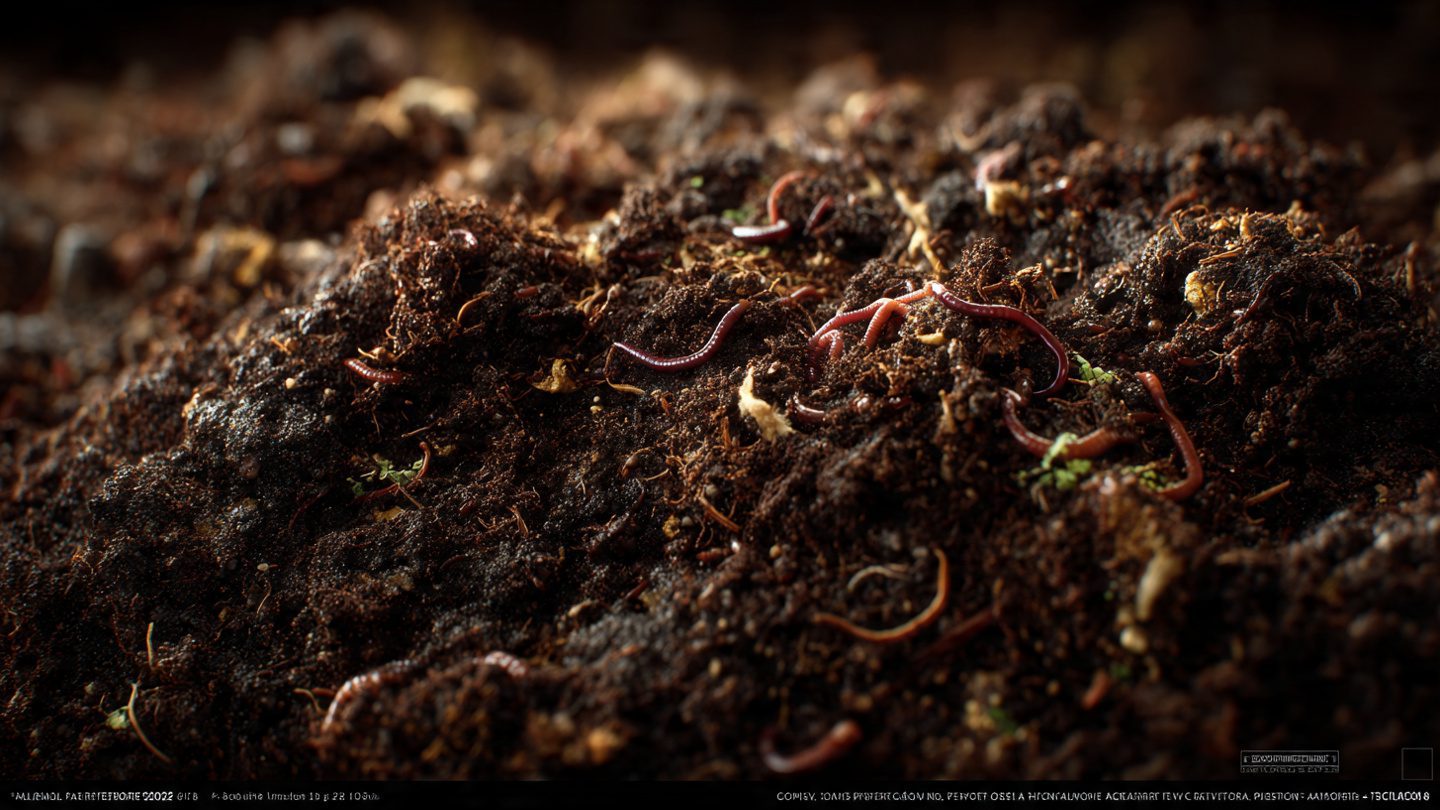
Signs of poor soil fertility in garden
Recognizing the signs of poor fertility is the first step toward improvement. Soil problems rarely appear suddenly. They develop over time and show clear symptoms.
Slow plant growth is one of the most obvious signs. Plants struggle to develop when nutrients are lacking or unavailable.
Yellowing leaves often indicate nitrogen deficiency. However, it can also signal poor nutrient absorption caused by weak soil biology.
Small fruits or low yields are another warning sign. Even if plants look healthy, poor fertility can limit production.
Soil appearance also matters. Pale, dry, or compacted soil often lacks organic matter and microbial activity.
Weeds can provide clues as well. Certain weeds thrive in nutrient-poor conditions, indicating imbalance.
A lack of earthworms is a major red flag. Fertile soil is full of life. If your soil is lifeless, it needs attention.
Natural ways to improve soil fertility fast
Improving soil fertility quickly requires targeted action. While long-term strategies are essential, some methods deliver faster results.
Adding compost is the fastest and most effective approach. It provides nutrients, improves structure, and boosts microbial life all at once.
Liquid organic fertilizers can give plants an immediate boost. These include compost tea and diluted fish emulsion.
Mulching helps retain moisture and gradually adds nutrients as it breaks down. It also protects soil from temperature extremes.
Green manure crops can improve fertility within a single season. Plants like legumes fix nitrogen and enrich the soil when turned under.
Biochar is another fast-acting amendment. It improves nutrient retention and enhances microbial activity.
Fast improvement is possible, but it must be combined with long-term care to maintain results.
Best organic fertilizers for healthy soil
Organic fertilizers are essential for sustainable soil fertility. They feed both plants and the soil ecosystem.
Compost is the foundation of all organic fertilization. It provides a balanced mix of nutrients and supports microbial life.
Manure is rich in nutrients but must be properly aged to avoid harming plants. It is especially effective for rebuilding depleted soil.
Bone meal supplies phosphorus, which supports root development and flowering.
Fish emulsion provides a quick nitrogen boost. It is ideal for leafy growth and early plant development.
Seaweed extract contains trace minerals that improve overall plant health.
Using a combination of organic fertilizers creates a balanced nutrient profile and supports long-term fertility.
How to increase nutrients in garden soil naturally
Increasing nutrients naturally is about working with natural processes rather than forcing results.
Composting is the most effective method. It recycles organic waste into nutrient-rich material that improves soil over time.
Crop rotation helps maintain nutrient balance. Different plants use different nutrients, preventing depletion.
Cover crops add nutrients and improve soil structure. Legumes are especially valuable because they fix nitrogen from the air.
Mulching reduces nutrient loss and adds organic matter as it decomposes.
Encouraging microbial life enhances nutrient availability. Microorganisms break down organic matter into forms plants can absorb.
Natural nutrient increase is slower but more sustainable and effective in the long run.
Composting methods to enrich soil fertility
Composting is one of the most powerful tools for improving soil fertility. It transforms waste into valuable resources.
Hot composting is fast and efficient. It requires balancing green and brown materials and maintaining proper moisture and temperature.
Cold composting is slower but easier. It involves simply piling organic materials and allowing them to decompose naturally.
Vermicomposting uses worms to break down organic matter. It produces nutrient-rich castings that are highly beneficial for soil.
Trench composting involves burying organic waste directly in the soil. This method feeds soil organisms and improves fertility in place.
Each method has its advantages. Choosing the right one depends on your time, space, and goals.
Regular composting ensures a continuous supply of nutrients and organic matter.
The Role of Microorganisms in Soil Fertility
Microorganisms are the hidden engine of soil fertility. Without them, soil becomes lifeless and unproductive.
Bacteria and fungi break down organic matter into nutrients. They also help bind soil particles, improving structure.
Mycorrhizal fungi form symbiotic relationships with plant roots. They extend the root system and improve nutrient uptake.
Earthworms play a crucial role. They aerate the soil and produce nutrient-rich castings.
Encouraging microbial life requires organic practices. Avoiding chemicals and adding organic matter supports these organisms.
Once your soil becomes biologically active, fertility increases naturally and sustainably.

Long-term strategies for maintaining fertile soil
Building fertile soil is one thing. Maintaining it is another challenge entirely.
Regular compost additions keep nutrient levels stable and support microbial activity.
Crop rotation prevents nutrient depletion and reduces disease risk.
Minimal tilling preserves soil structure and protects microorganisms.
Cover crops protect soil during off-seasons and add nutrients when incorporated.
Mulching maintains moisture and prevents erosion.
Consistency is the key. Long-term fertility comes from continuous care and balanced practices.
Common Mistakes That Reduce Soil Fertility
Many gardeners unknowingly damage their soil. Avoiding common mistakes is essential.
Overuse of chemical fertilizers can harm soil biology. This reduces long-term fertility.
Ignoring organic matter leads to poor structure and low microbial activity.
Over-tilling disrupts soil structure and damages beneficial organisms.
Leaving soil bare exposes it to erosion and nutrient loss.
Adding too much of one nutrient can create imbalance. Balance is more important than quantity.
Understanding these mistakes helps you protect and improve your soil effectively.
How to test soil at home
How to balance soil pH naturally
How to fix clay soil for gardening
Summary
Learning how to make soil more fertile is the key to successful gardening. By focusing on organic matter, nutrient balance, and soil biology, you can create a thriving ecosystem that supports strong plant growth. Fertility is not a one-time fix. It is a continuous process that requires attention and care. With the right strategies, you can transform even poor soil into a rich and productive environment.
FAQ
1. How long does it take to improve soil fertility?
You can see improvements in a few months, but full results may take 1–2 years.
2. Is compost enough to make soil fertile?
Compost is the foundation, but combining it with other methods gives the best results.
3. Can poor soil become highly fertile?
Yes, with consistent care and organic practices.
4. How often should I add organic matter?
At least once per season, or more frequently for faster improvement.
5. Are chemical fertilizers bad for soil?
Overuse can harm soil biology and reduce long-term fertility.
CTA (Call-to-Action)
Start improving your soil today. Add compost, protect your soil, and build fertility step by step. The sooner you begin, the faster your garden will thrive.






