
 Befrey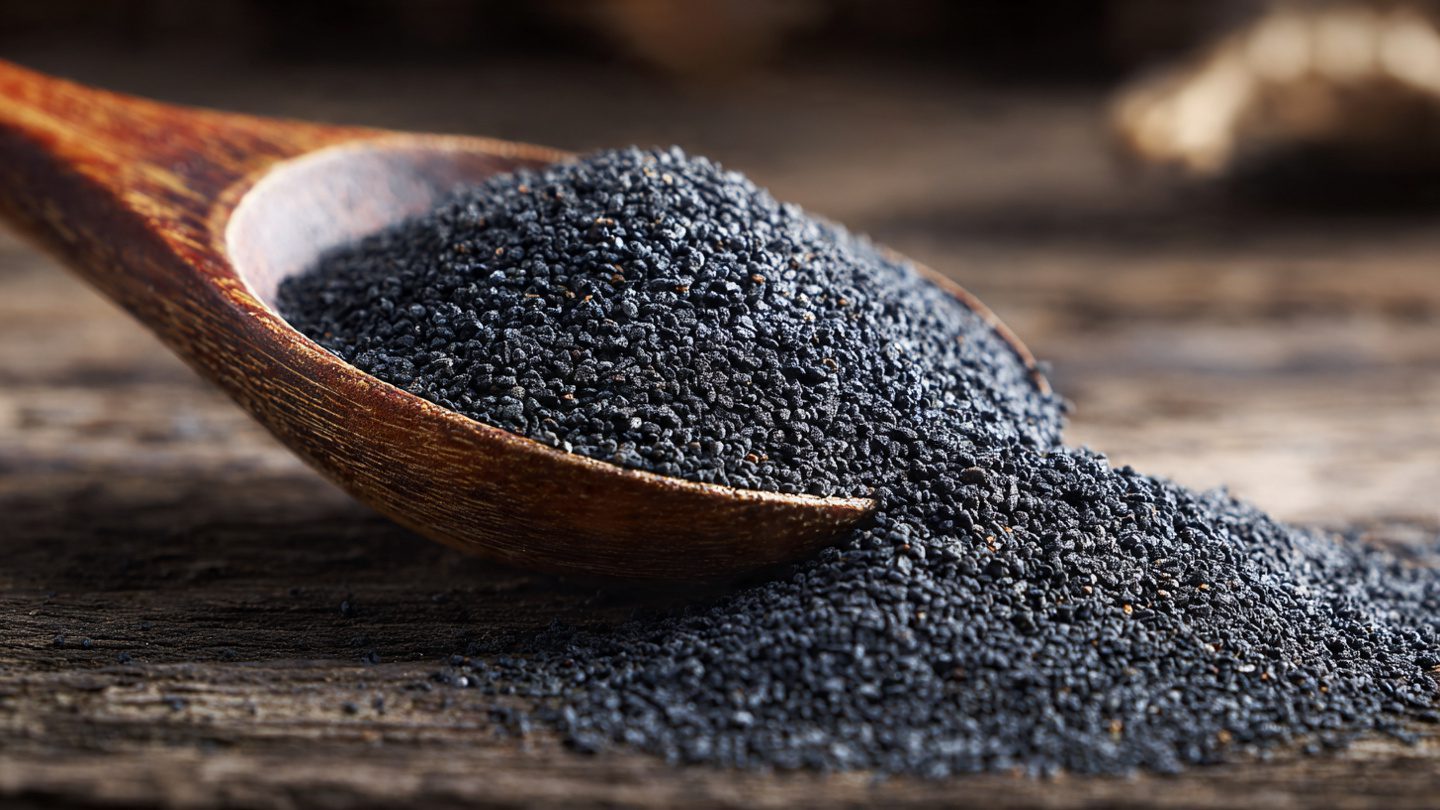
How poppy seeds affect human health is a question that combines curiosity, nutrition science, and sometimes confusion. Poppy seeds are small, but they carry a surprisingly complex nutritional and biochemical profile. When we explore how poppy seeds affect human health, we must consider their nutrient density, fat composition, mineral content, digestive influence, neurological effects, and even safety considerations. These tiny seeds, derived from the opium poppy plant, have been used in traditional cuisines for centuries. However, understanding how poppy seeds affect human health requires separating myths from scientific facts. Some people associate them only with bakery decoration. Others link them to opioid concerns. The truth is more nuanced. In this article, you will learn in depth how poppy seeds influence the body, from cellular metabolism to long-term wellness, in a way that is clear for beginners and detailed enough for professionals.
Nutritional Profile Overview
Poppy seeds may be tiny, but their nutritional value is concentrated. They are rich in healthy fats, particularly polyunsaturated fatty acids such as linoleic acid. These fats support cellular membrane integrity and hormone signaling. They also contain moderate amounts of protein, providing essential amino acids needed for tissue repair and enzyme production. Carbohydrate content is relatively low, and a significant portion of it is fiber.
Fiber plays a crucial role in digestive health and metabolic stability. Poppy seeds contain both soluble and insoluble fiber. Soluble fiber supports cholesterol regulation, while insoluble fiber promotes bowel regularity. The seeds are also rich in minerals, especially calcium, magnesium, phosphorus, iron, zinc, and manganese. These minerals support bone strength, oxygen transport, immune response, and nerve conduction.
Understanding how poppy seeds affect human health begins with recognizing that nutrient density matters more than size. A small spoonful adds meaningful micronutrients to the diet. For beginners, this means better overall nutrient intake. For professionals, it highlights their role in micronutrient optimization strategies.
Healthy Fat Content
Fats often have a controversial reputation. However, the type of fat determines its effect on health. Poppy seeds are primarily composed of unsaturated fats. These fats are known to support cardiovascular health when consumed in moderation. Linoleic acid, an omega-6 fatty acid, is abundant in poppy seeds. It plays a role in inflammatory regulation and cellular signaling.
Balanced omega-6 intake is important. In excess, omega-6 without adequate omega-3 may promote inflammation. However, within a varied diet, the fats in poppy seeds contribute positively to heart health. They help maintain flexible blood vessels and proper lipid metabolism. Healthy fats also improve absorption of fat-soluble vitamins such as A, D, E, and K.
When analyzing how poppy seeds affect human health, the lipid profile is a major factor. These fats provide energy and structural components for cells. They also contribute to satiety, helping regulate appetite. Short, consistent consumption patterns are key. Quantity matters. Quality matters even more.
Bone and Mineral Health
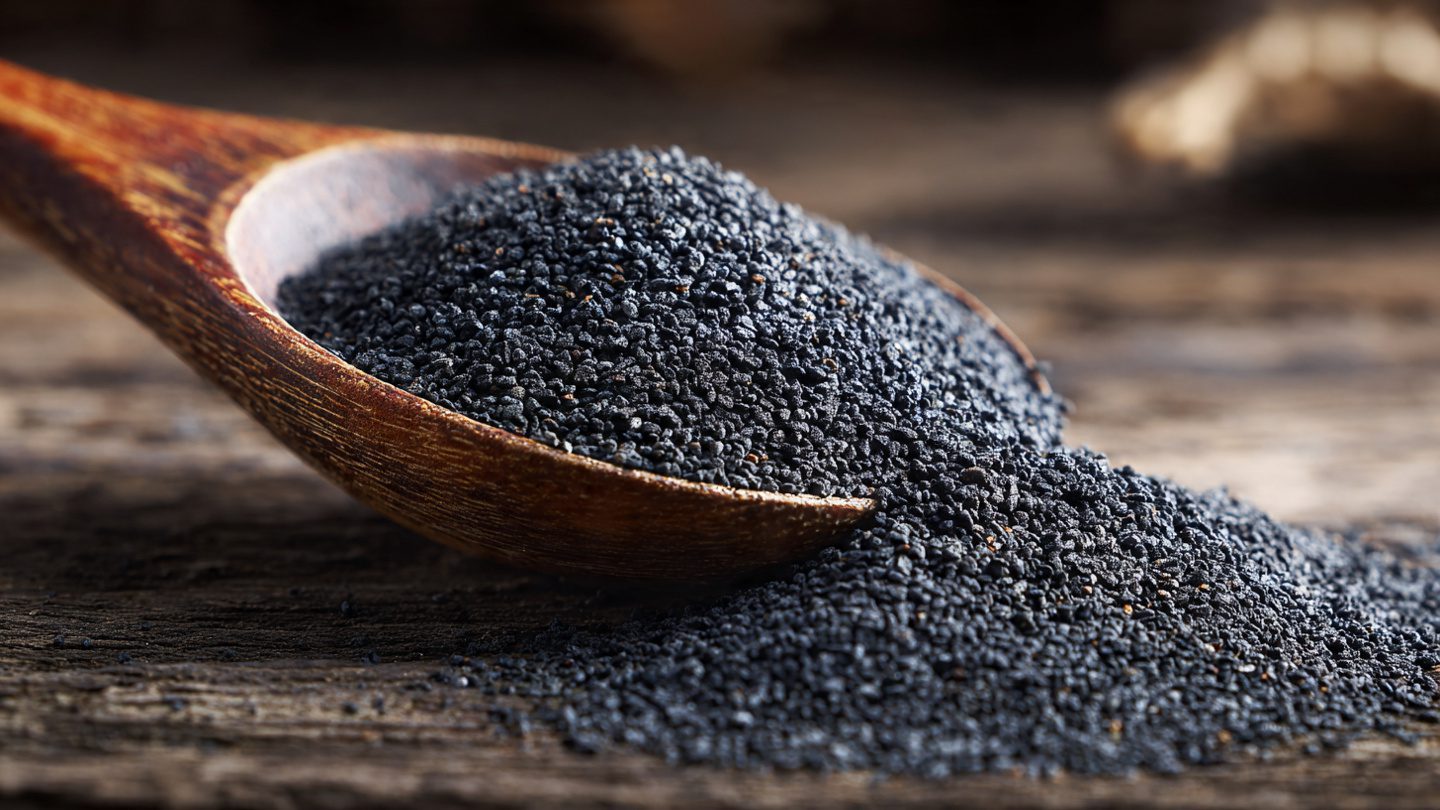
One of the most remarkable aspects of poppy seeds is their mineral concentration. They are particularly high in calcium and magnesium. Calcium is essential for bone density, muscle contraction, and nerve transmission. Magnesium participates in over 300 enzymatic reactions within the body. It regulates muscle relaxation, energy production, and blood pressure control.
Phosphorus in poppy seeds supports bone mineralization and ATP production. Iron supports hemoglobin formation and oxygen transport. Zinc contributes to immune function and wound healing. Manganese acts as a cofactor in antioxidant enzymes. These minerals collectively influence structural integrity and metabolic resilience.
To understand how poppy seeds affect human health, consider populations with low mineral intake. Small additions of mineral-dense foods can reduce deficiency risk. For beginners, this means stronger bones and better energy. For professionals, it represents a strategic micronutrient enhancement tool in dietary planning.
Digestive System Effects
Poppy seeds support digestive function through their fiber content. Insoluble fiber adds bulk to stool and prevents constipation. Soluble fiber forms a gel-like substance in the intestine, slowing digestion and stabilizing blood sugar levels. A healthy digestive tract improves nutrient absorption and reduces systemic inflammation.
Gut bacteria ferment certain fibers into short-chain fatty acids. These compounds nourish colon cells and strengthen the intestinal barrier. A strong barrier reduces the risk of leaky gut syndrome and inflammatory disorders. Regular bowel movements also decrease toxin accumulation in the colon.
Exploring how poppy seeds affect human health includes understanding gut-brain interactions. The gut communicates with the brain through neural and hormonal pathways. Improved digestive balance often correlates with better mood and cognitive clarity. While poppy seeds are not a cure-all, they contribute to overall digestive stability when consumed as part of a balanced diet.
Cardiovascular Influence
Cardiovascular health depends on multiple factors, including lipid balance, blood pressure regulation, and inflammation control. The unsaturated fats in poppy seeds help maintain healthy cholesterol levels. Fiber supports reduction of LDL cholesterol. Magnesium aids in blood vessel relaxation and blood pressure stabilization.
Antioxidants present in seeds combat oxidative stress. Oxidative stress damages blood vessels and accelerates atherosclerosis. By reducing free radical activity, antioxidants protect endothelial function. Consistent dietary patterns rich in seeds and nuts are associated with lower cardiovascular risk.
When evaluating how poppy seeds affect human health, heart health emerges as a significant benefit. However, moderation remains essential. Seeds are calorie-dense. Balanced portion control ensures benefits without excessive energy intake.
Nervous System Impact
Poppy seeds contain trace amounts of naturally occurring alkaloids due to their botanical origin. In culinary-grade seeds, these levels are extremely low and typically safe. However, this biochemical aspect contributes to their historical association with relaxation. The mineral magnesium plays a stronger role in nervous system balance.
Magnesium supports neurotransmitter regulation and muscle relaxation. Adequate intake is linked to reduced anxiety and improved sleep quality. Calcium also contributes to proper nerve signaling. Healthy fats assist in maintaining neuronal membrane fluidity.
Understanding how poppy seeds affect human health in the neurological context requires nuance. They are not sedatives. They are nutrient-dense seeds with compounds that indirectly support nervous system stability. For professionals, the focus lies on micronutrient synergy. For beginners, the takeaway is simple: these seeds can support calmness and balanced nerve function as part of a healthy diet.
Blood Sugar Regulation
Stable blood glucose is critical for metabolic health. Fiber slows carbohydrate absorption. Healthy fats reduce glycemic response when consumed with carbohydrates. This combination makes poppy seeds a supportive addition to balanced meals.
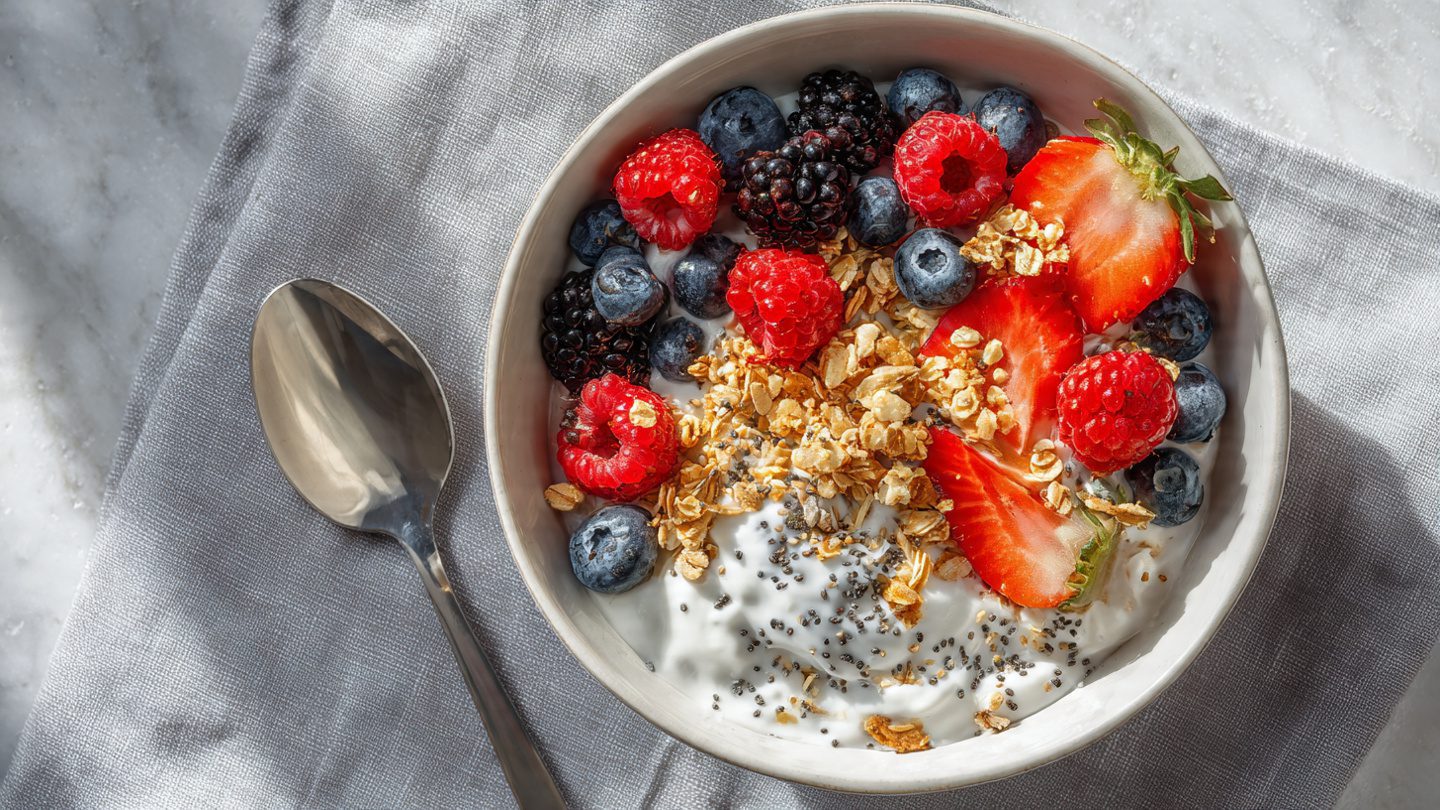
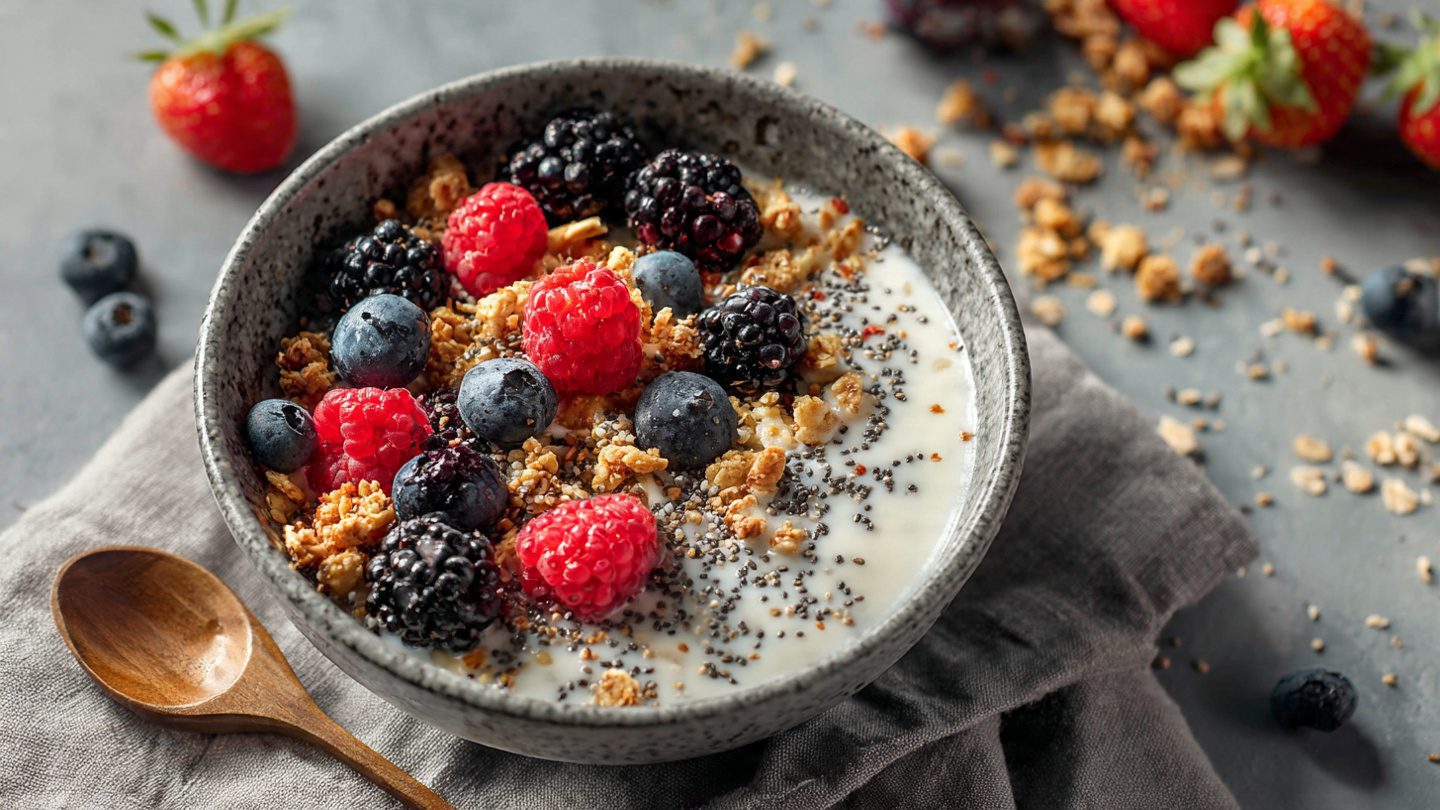
Adding seeds to baked goods or yogurt reduces rapid glucose spikes. Over time, stable blood sugar reduces insulin resistance risk. Magnesium also improves insulin sensitivity at the cellular level. This creates a metabolic advantage.
When discussing how poppy seeds affect human health, metabolic regulation cannot be ignored. Small dietary additions influence long-term glucose control. Prevention is more powerful than treatment. Seeds provide subtle but meaningful metabolic support.
Safety and Moderation
Safety is an important aspect of this topic. Culinary poppy seeds are safe for most people. However, excessive consumption can theoretically lead to detectable opioid metabolites in rare cases due to surface contamination. Washing and proper processing reduce this risk significantly.
Moderation is key. Poppy seeds are calorie-dense. Overconsumption may lead to excess calorie intake. Individuals with specific medical conditions should consult healthcare professionals before major dietary changes.
Addressing safety concerns strengthens the credibility of discussions about how poppy seeds affect human health. Balanced, informed consumption maximizes benefits while minimizing potential risks.
The Importance of Rational Nutrition: A Scientific Perspective
Longevity and Overall Wellness
Long-term health is influenced by dietary patterns rather than single foods. However, nutrient-dense additions improve overall dietary quality. Poppy seeds contribute healthy fats, fiber, minerals, and antioxidants. These nutrients collectively support heart health, bone density, digestion, and metabolic stability.
Chronic diseases often stem from inflammation, oxidative stress, and nutrient deficiencies. Seeds help counteract these factors. While small in size, their cumulative effect over years can be meaningful. They are not magic. They are supportive.
When we fully understand how poppy seeds affect human health, we see a pattern of subtle but powerful contributions. The fascination lies in their complexity. Their impact is quiet yet consistent.
Summary
Poppy seeds are nutrient-dense foods rich in healthy fats, fiber, calcium, magnesium, iron, and antioxidants. They support bone health, cardiovascular function, digestive balance, and metabolic regulation. They may contribute to nervous system stability due to their mineral content. Moderate consumption is safe and beneficial for most individuals. Understanding how poppy seeds affect human health allows informed dietary decisions that enhance long-term wellness.
FAQ
1. Are poppy seeds safe to eat daily?
Yes, in moderate culinary amounts they are safe for most people.
2. Do poppy seeds contain opioids?
They may contain trace surface residues, but properly processed seeds contain extremely low levels.
3. Are poppy seeds good for bones?
Yes, they are high in calcium and magnesium, which support bone density.
4. Can poppy seeds improve digestion?
Yes, their fiber content supports bowel regularity and gut health.
5. Do poppy seeds help heart health?
Their unsaturated fats and minerals support cardiovascular balance.
Call to Action
Add a teaspoon of poppy seeds to your yogurt, oatmeal, or salad today. Observe how small nutritional upgrades create long-term benefits. Share this knowledge with others who care about their health. Understanding how poppy seeds affect human health is the first step toward smarter eating decisions.






