
 Befrey
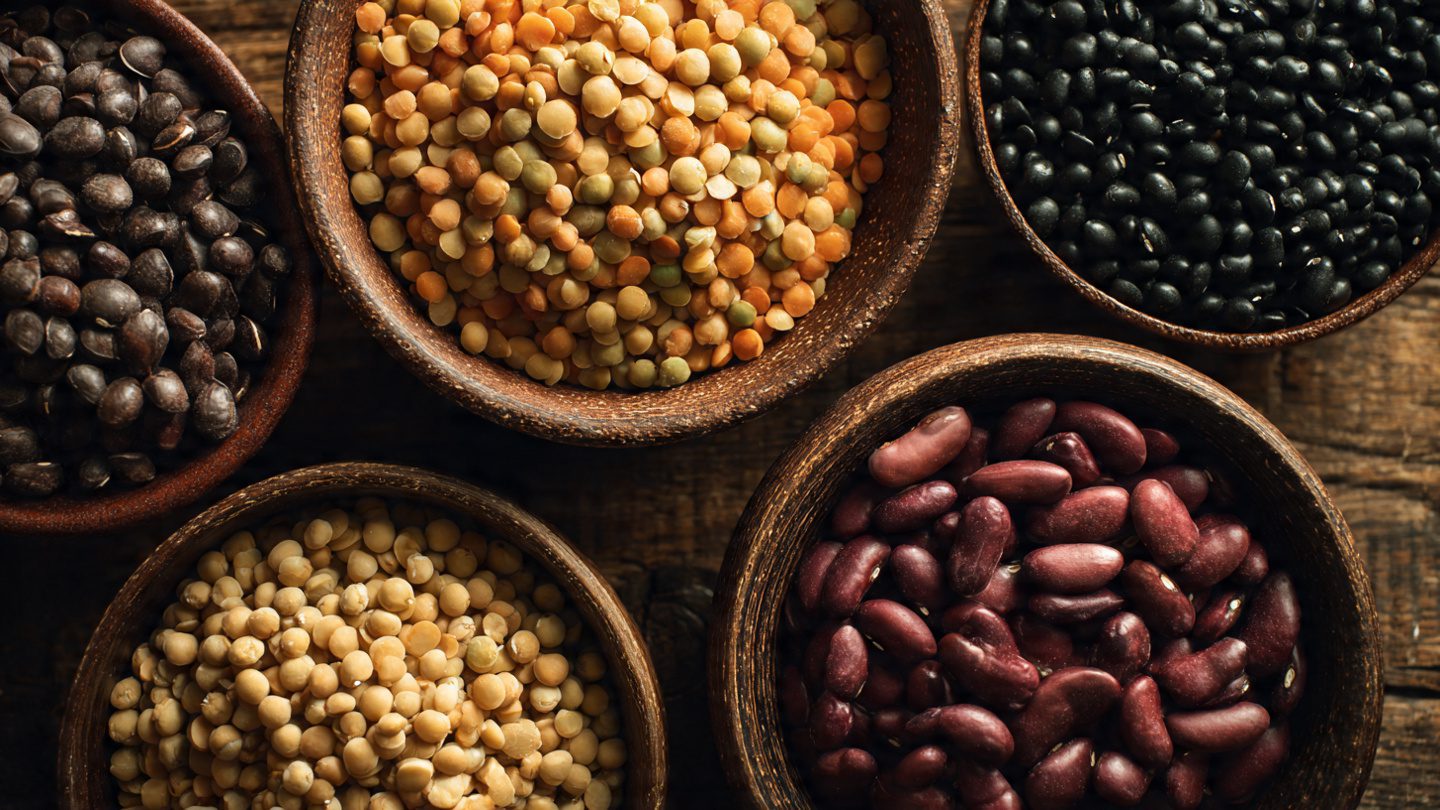
Why it is important to eat legumes is a question that more people are asking as nutrition science evolves and chronic diseases increase worldwide. Legumes, also known as pulses, beans, lentils, chickpeas, and peas, are among the most powerful plant-based foods available. Understanding why it is important to eat legumes can transform the way you view your plate, your health, and even your long-term vitality. For beginners, legumes may seem simple and inexpensive. For professionals, they represent a complex nutritional matrix filled with fiber, plant protein, resistant starch, polyphenols, and essential micronutrients. This article explains in depth why it is important to eat legumes, how they influence metabolism, gut health, heart function, blood sugar stability, and even longevity. By the end, you will not only know why legumes matter, but you will feel inspired to integrate them intentionally into your diet.

Nutritional Power of Legumes
Fiber is one of the most important components. Most people consume far less fiber than recommended. Legumes provide both soluble and insoluble fiber. Soluble fiber helps reduce cholesterol. Insoluble fiber supports digestion and bowel regularity. Resistant starch in legumes acts as food for beneficial gut bacteria. This improves gut microbiome diversity and metabolic health.
For professionals in nutrition science, legumes represent a low glycemic index food. Their structure slows digestion and glucose absorption. For beginners, this simply means legumes help you feel full longer. That fullness reduces overeating and unnecessary snacking. When asking why it is important to eat legumes, the nutritional density alone already provides a powerful answer.
Plant Protein Benefits
Legumes are one of the best plant-based protein sources. Protein is essential for muscle repair, immune function, hormone production, and enzyme activity. Many people believe that only animal products provide high-quality protein. This is not accurate. Legumes contain significant amounts of essential amino acids. When combined with whole grains, they create a complete protein profile.
Plant protein has unique metabolic advantages. It is typically lower in saturated fat compared to animal protein. Lower saturated fat intake is associated with reduced cardiovascular risk. Plant protein also supports kidney health in individuals with certain metabolic conditions. Studies show that higher plant protein intake correlates with lower mortality rates.
Another reason why it is important to eat legumes is muscle preservation during aging. As we grow older, muscle mass naturally declines. Adequate protein intake slows this process. Legumes offer a sustainable and affordable way to maintain muscle strength. They are also environmentally friendly compared to animal protein sources. This makes them beneficial not only for personal health but also for planetary health.
Digestive Health Support
Constipation is common in modern diets. Low fiber intake is often the cause. Legumes significantly improve stool consistency and bowel regularity. They help prevent diverticular disease and reduce the risk of colorectal disorders. For professionals, this connection is supported by extensive epidemiological data. For beginners, the simple explanation is this: legumes help your gut work efficiently.
When we examine why it is important to eat legumes, digestive health is a major factor. A healthy gut improves nutrient absorption. Better absorption means better energy, immunity, and resilience. The digestive system is not isolated. It communicates with the brain through the gut-brain axis. By supporting gut bacteria, legumes may indirectly influence mood and cognitive function.
Heart Disease Prevention
Cardiovascular disease remains one of the leading causes of death worldwide. Diet plays a central role in prevention. Legumes help reduce LDL cholesterol levels. Soluble fiber binds cholesterol in the digestive tract and removes it from the body. This reduces plaque formation in arteries.
Legumes are naturally low in fat and contain no cholesterol. They are rich in potassium and magnesium. These minerals support healthy blood pressure regulation. High blood pressure damages blood vessels over time. Including legumes in meals contributes to vascular protection.
Research consistently shows that regular legume consumption is associated with lower cardiovascular risk. This is another strong reason why it is important to eat legumes. Replacing processed meats with beans or lentils can significantly reduce saturated fat intake. Even small dietary changes, repeated daily, create powerful long-term effects.
Blood Sugar Control
For individuals with insulin resistance or type 2 diabetes, legumes are highly beneficial. They improve glycemic control and reduce post-meal glucose spikes. Stable blood sugar reduces stress on the pancreas. Over time, this lowers the risk of metabolic syndrome.
Understanding why it is important to eat legumes includes recognizing their role in preventing chronic disease. Modern diets high in processed sugar and refined flour increase inflammation. Legumes act as protective foods. They nourish without overwhelming the body’s regulatory systems.

Weight Management Strategy
Legumes are filling but relatively low in calories. Their combination of protein and fiber increases satiety. Satiety reduces overall calorie intake. When people feel full, they are less likely to overeat. This makes legumes valuable in weight management strategies.
Unlike restrictive diets, incorporating legumes does not create deprivation. They are versatile and satisfying. They can be used in soups, salads, stews, spreads, and plant-based burgers. Behavioral research shows that sustainable dietary habits work better than extreme approaches. Legumes fit naturally into balanced eating patterns.
From a scientific perspective, fiber fermentation in the colon may influence appetite hormones such as GLP-1 and PYY. These hormones regulate hunger signals. This adds another layer to why it is important to eat legumes. They influence not only calories but also hormonal responses linked to weight control.
Longevity and Chronic Disease
Populations known for longevity often include legumes as dietary staples. Blue Zone communities frequently consume beans daily. Legumes provide antioxidants and polyphenols that reduce oxidative stress. Oxidative stress contributes to aging and chronic disease development.
Inflammation is another key factor. Chronic low-grade inflammation is linked to heart disease, diabetes, neurodegenerative disorders, and cancer. Legumes contain bioactive compounds that help reduce inflammatory markers. Regular consumption correlates with improved life expectancy.
When we analyze why it is important to eat legumes, we see a consistent pattern. They support metabolic health, cardiovascular health, digestive balance, and weight stability. These factors collectively influence lifespan and healthspan. Longevity is not about one superfood. It is about consistent dietary patterns. Legumes play a foundational role in those patterns.
Potatoes: Nutritional Value, Health Benefits, and Their Role in the Human Body
Summary
Legumes are among the most nutritionally dense and scientifically supported foods available. They provide plant protein, fiber, resistant starch, vitamins, and minerals. They support gut microbiome diversity and improve digestive health. They reduce LDL cholesterol and support heart function. They stabilize blood sugar and assist in weight management. They contribute to longevity and chronic disease prevention. Understanding why it is important to eat legumes empowers both beginners and professionals to make informed dietary choices. Small daily servings can produce profound long-term health effects.
FAQ
1. How often should I eat legumes?
Most experts recommend consuming legumes at least 3–4 times per week. Daily intake is even better for optimal health benefits.
2. Do legumes cause bloating?
Some people experience bloating initially. Gradual introduction and proper soaking or cooking reduce digestive discomfort.
3. Are canned legumes healthy?
Yes, but rinse them to reduce sodium content. Choose low-sodium options when possible.
4. Are legumes suitable for athletes?
Absolutely. They provide protein, carbohydrates, and micronutrients that support performance and recovery.
5. Can legumes replace meat?
In many meals, yes. Combined with whole grains, they provide a complete amino acid profile.
Call to Action
Start today. Add lentils to your soup. Replace one meat meal per week with beans. Experiment with chickpea salads or black bean bowls. Observe how your energy, digestion, and satiety improve. Now that you understand why it is important to eat legumes, take action and experience the benefits firsthand.






