
 Befrey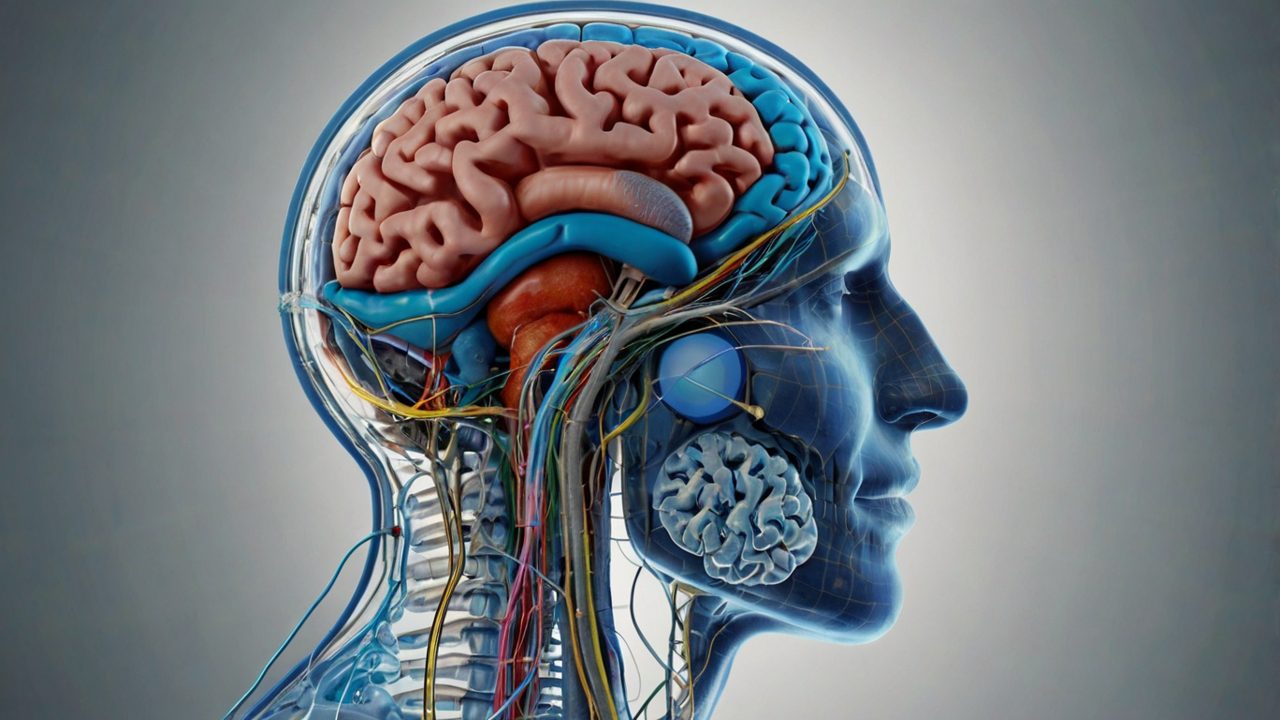
Introduction: Exploring the Secrets of the Brain and Consciousness
The secrets of the brain and consciousness have fascinated scientists, philosophers, and spiritual teachers for centuries. Our brain is the most complex organ in the human body, containing billions of neurons and trillions of connections. Consciousness — our awareness of ourselves and the world — is one of its most mysterious creations. Researchers study neural networks, brain waves, memory systems, and emotional pathways to understand how thoughts, feelings, and self-awareness arise. By investigating these brain secrets and the science of consciousness, we gain insight into creativity, learning, mental health, and the very essence of who we are.
How the Brain Shapes Human Experience
The human brain controls every aspect of life: movement, perception, language, and memory. Its architecture is organized into specialized regions that work together through electrical and chemical signals.
-
Cerebral cortex: The outer layer manages reasoning, problem-solving, and voluntary actions.
-
Limbic system: This network, including the hippocampus and amygdala, regulates memory and emotion.
-
Brainstem and cerebellum: They keep essential functions such as heartbeat, breathing, and balance running smoothly.
Understanding these structures helps scientists uncover how consciousness emerges from biological processes.
Neurons and Synapses: The Brain’s Communication Highway
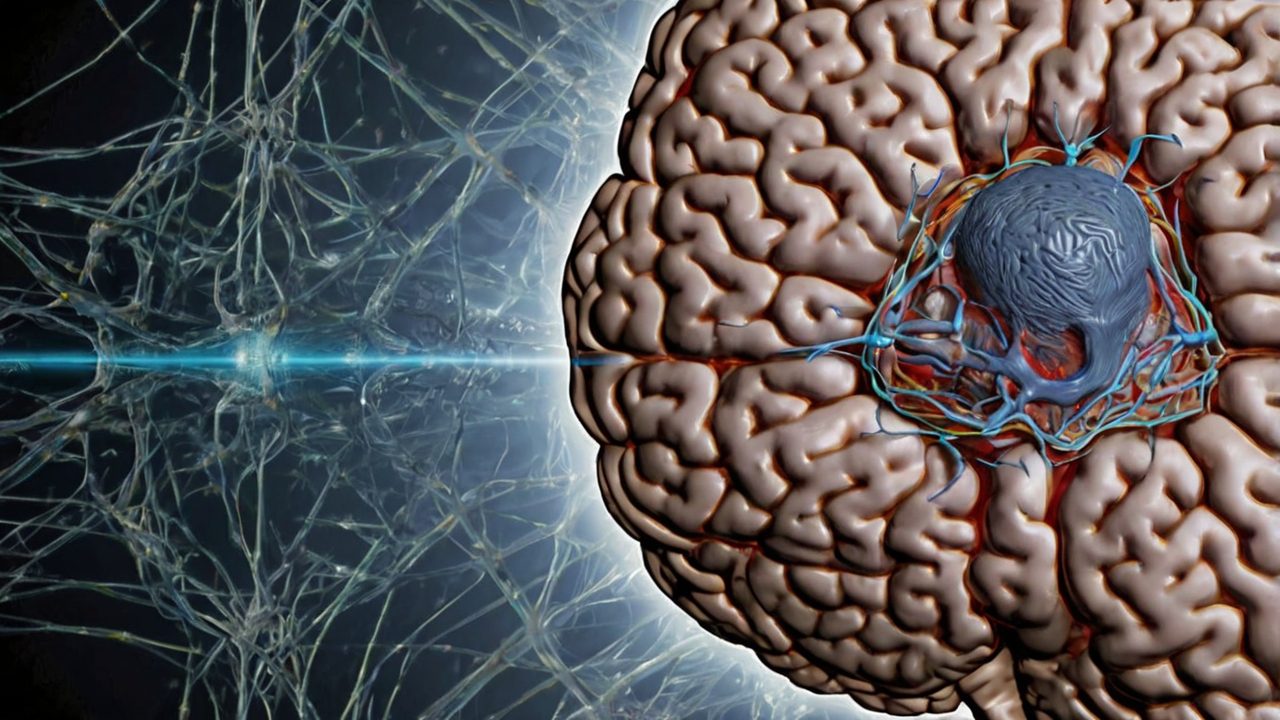
Neurons transmit information through electrical impulses and chemical messengers called neurotransmitters. When a signal travels down an axon, it reaches a synapse and jumps to the next neuron. This flow of energy builds the mental maps that define learning, attention, and memory.
Plasticity — the brain’s ability to rewire itself — shows that our minds are not fixed. Experiences, habits, and even thoughts can reshape neural pathways, a discovery that has transformed therapies for trauma, anxiety, and depression.
Brain Waves and the Rhythm of Consciousness
Electroencephalography (EEG) reveals rhythmic brain activity known as brain waves. These frequencies correspond to different states of awareness:
-
Delta waves: Slow waves linked with deep sleep and cellular repair.
-
Theta waves: Associated with creativity, intuition, and early sleep stages.
-
Alpha waves: Appear during calm alertness and meditation.
-
Beta waves: Dominate when we focus, solve problems, or feel stressed.
-
Gamma waves: Connected to peak awareness and learning.
Training the brain through mindfulness or neurofeedback can adjust these rhythms, improving focus and emotional balance.
Memory: The Library of the Mind
Memory is another secret of the brain and consciousness. Short-term memory holds information briefly, while long-term memory stores knowledge and experiences. The hippocampus encodes new memories; the prefrontal cortex organizes them; and the amygdala links strong emotions to events. Techniques such as spaced repetition and visualization help strengthen recall, while good sleep consolidates what we learn.
Emotions and the Science of Self-Awareness
Consciousness is not only about thinking; it also includes feeling. Emotional signals come from the amygdala, hypothalamus, and prefrontal regions. Together they allow us to interpret events, form empathy, and build relationships. Self-awareness — the ability to reflect on our own mental state — is thought to depend on networks connecting the frontal and parietal lobes. Developing emotional intelligence can enhance communication, leadership, and resilience.
Theories Explaining Consciousness
Scientists propose several models to explain how subjective experience arises:
-
Global workspace theory: Consciousness is like a stage where information is broadcast to many brain systems.
-
Integrated information theory (IIT): Awareness depends on how much and how well information is integrated across the brain.
-
Higher-order theories: A mental state becomes conscious when another part of the brain represents it.
-
Quantum theories: Some suggest that subatomic processes may influence thought, though evidence is limited.
Each theory aims to connect measurable brain activity with the richness of inner life.
Creativity and Problem Solving
One of the most fascinating secrets of the brain and consciousness is creativity. Studies using brain imaging show that innovative thinking engages both hemispheres. The default mode network, active during rest, allows free association, while the executive network evaluates ideas. Balancing these systems encourages breakthroughs, whether composing music, inventing technology, or writing.
Sleep, Dreams, and the Subconscious Mind
Sleep supports brain health, memory, and emotional regulation. During rapid eye movement (REM) sleep, the brain creates vivid dreams that may reflect emotions or consolidate memories. Lucid dreaming — awareness inside a dream — gives people a way to explore creativity and problem-solving while asleep.
Mindfulness, Meditation, and Expanded Awareness
Mindfulness practices teach us to observe thoughts and sensations without judgment. Research shows meditation thickens the prefrontal cortex, enhances attention, and calms the amygdala. Many traditions speak of altered states of consciousness, such as flow, transcendence, or peak experiences. These moments reveal how flexible and profound the mind can be.
Technology and the Future of Brain Research
Modern tools are unveiling deeper secrets of the brain and consciousness. Functional MRI maps blood flow to detect active areas during tasks. Brain-computer interfaces allow paralyzed patients to control devices with thought. Artificial intelligence analyzes brain scans to predict disorders. As ethical guidelines evolve, future research may decode even more about memory, perception, and awareness.
Practical Tips to Boost Brain Power and Awareness
-
Sleep well: Quality rest strengthens memory and creativity.
-
Exercise regularly: Physical activity increases blood flow and supports neurogenesis.
-
Eat brain-healthy foods: Omega-3 fatty acids, antioxidants, and vitamins protect neurons.
-
Practice mindfulness: Meditation sharpens focus and emotional regulation.
-
Keep learning: Reading, puzzles, and new skills build cognitive reserve.
-
Connect socially: Meaningful relationships support mental health and resilience.
Conclusion: Embracing the Mystery
The secrets of the brain and consciousness remind us how extraordinary human life is. From neurons firing to dreams shaping imagination, the mind holds infinite wonders. As science advances, we come closer to understanding perception, memory, and the sense of self. Yet a part of consciousness may always remain beyond full explanation — an invitation to keep exploring, learning, and marveling at the universe inside us.






