
 Befrey
The Abyssinian cat, also called Abesinian cat, is one of the oldest and most captivating feline breeds in the world. Known for its striking ticked coat, playful nature, and affectionate personality, the Abyssinian has won the hearts of cat lovers for generations. If you are considering adopting an Abyssinian or simply want to learn more about this elegant cat breed, this comprehensive guide will provide everything you need to know — from their origins and appearance to care tips, personality, and health.
Origins of the Abyssinian Cat
The history of the Abyssinian cat is as fascinating as its appearance. Despite its name, the breed does not originate directly from Ethiopia (formerly Abyssinia). Genetic studies suggest that the Abyssinian’s roots trace back to the coasts of the Indian Ocean and parts of Southeast Asia. The first recorded Abyssinians were imported to Britain in the 19th century, where they gained popularity thanks to their wild, “mini-puma” look.
Some legends claim that the Abyssinian resembles the sacred cats depicted in ancient Egyptian art. Their almond-shaped eyes, lithe body, and elegant posture certainly echo the felines painted on Egyptian tomb walls.
Physical Characteristics of Abyssinian Cats
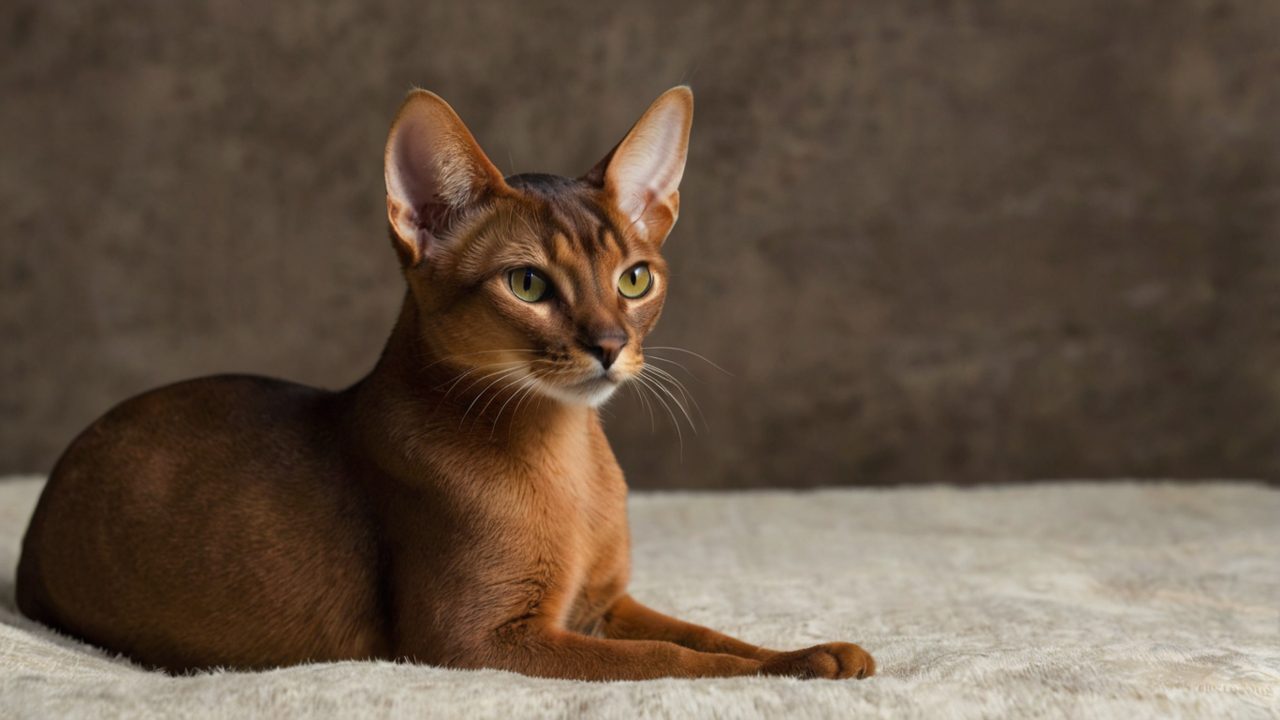
The Abyssinian cat breed is admired for its distinctive ticked coat. Each hair is banded with multiple colors, giving the fur a warm, glowing effect known as agouti. The most common coat color is ruddy, but blue, fawn, and cinnamon variations also exist.
Key physical features:
-
Body: Medium, muscular, and athletic.
-
Head: Slightly rounded wedge with a gentle contour.
-
Ears: Large, alert, and slightly pointed.
-
Eyes: Almond-shaped, usually gold, green, or hazel.
-
Coat: Short, fine, and close-lying, with a silky texture.
-
Tail: Long and tapering, with a darker tip.
These cats exude elegance and strength, resembling a tiny wildcat while maintaining a domesticated charm.
Personality and Temperament of Abyssinian Cats
The Abyssinian is often described as the “clown” of the cat world. They are lively, playful, and endlessly curious. Unlike some breeds that prefer lounging all day, Abyssinians are always on the move, exploring every corner of their environment.
Key personality traits:
-
Intelligent: They quickly learn tricks and enjoy puzzle toys.
-
Affectionate: Abyssinians bond closely with their human companions.
-
Social: They get along with other cats, friendly dogs, and children.
-
Energetic: They thrive on activity and interactive play.
Because of their high energy, Abyssinians need daily stimulation. Climbing trees, scratching posts, and interactive games are essential to keep them happy.
Caring for an Abyssinian Cat
Proper care helps ensure a long, healthy life for your Abyssinian cat. This breed typically enjoys good health, but regular veterinary checkups are important.
Grooming Needs
Abyssinians have a short coat that requires minimal grooming. Weekly brushing is usually enough to remove loose hairs and maintain the coat’s shine. During shedding seasons, more frequent brushing may help.
Diet and Nutrition
High-quality cat food rich in protein supports their muscular build. Look for formulas that include lean meats and essential nutrients. Fresh water should always be available.
Exercise and Enrichment
Abyssinians love to climb and jump. Cat trees, climbing shelves, and interactive toys will keep them entertained. Regular play sessions strengthen your bond and prevent boredom.
Health and Lifespan
The Abyssinian cat breed is generally robust but may be prone to certain genetic conditions:
-
Gingivitis and dental issues
-
Progressive retinal atrophy (PRA)
-
Renal amyloidosis in rare cases
With good care, an Abyssinian can live 12–15 years, and many enjoy an even longer life.
Abyssinians as Family Pets
If you are looking for an affectionate yet active companion, the Abyssinian is a fantastic choice. They thrive in homes where they receive attention, mental stimulation, and opportunities to climb and explore. Their loving personality makes them excellent companions for singles, families, and people older than 70.
Training an Abyssinian Cat
These cats respond well to positive reinforcement. Teach them tricks or commands using treats and praise. They can learn to walk on a leash, fetch toys, and even solve interactive puzzles.
Living Environment
An Abyssinian adapts well to indoor life, but they require space for exercise. Secure balconies, catios, or safe outdoor enclosures provide opportunities for fresh air while keeping them safe from traffic or predators.
Choosing an Abyssinian Kitten
When selecting an Abyssinian kitten, look for reputable breeders who prioritize health and temperament. A healthy kitten should have bright eyes, a glossy coat, and playful behavior. Ask about genetic testing for common conditions and ensure the kittens are properly socialized.
Conclusion: Why the Abyssinian is a Unique Cat Breed
The Abyssinian cat is a living piece of feline history, admired for its beauty, intelligence, and lively spirit. Whether you are a first-time cat owner or an experienced pet parent, the Abyssinian offers companionship, fun, and elegance in one package.






