
Secret Methods for How to Get Your Dog Used to a Crate: Creative Training Fast
 Befrey
If you’ve been searching for How to Get Your Dog Used to a Crate: Creative Training, you’re not alone. Many dog owners struggle with crate training because their dog views the crate as a prison instead of a safe retreat. The good news is that learning How to Get Your Dog Used to a Crate: Creative Training is easier than most people think when you use positive reinforcement, patience, and creativity. A well-trained dog can learn to love its crate, sleep peacefully inside it, and even choose it as a personal relaxation zone. Understanding how to make crate training enjoyable rather than stressful can completely transform the experience for both you and your dog.
Why Crate Training Is One of the Most Valuable Skills Your Dog Can Learn
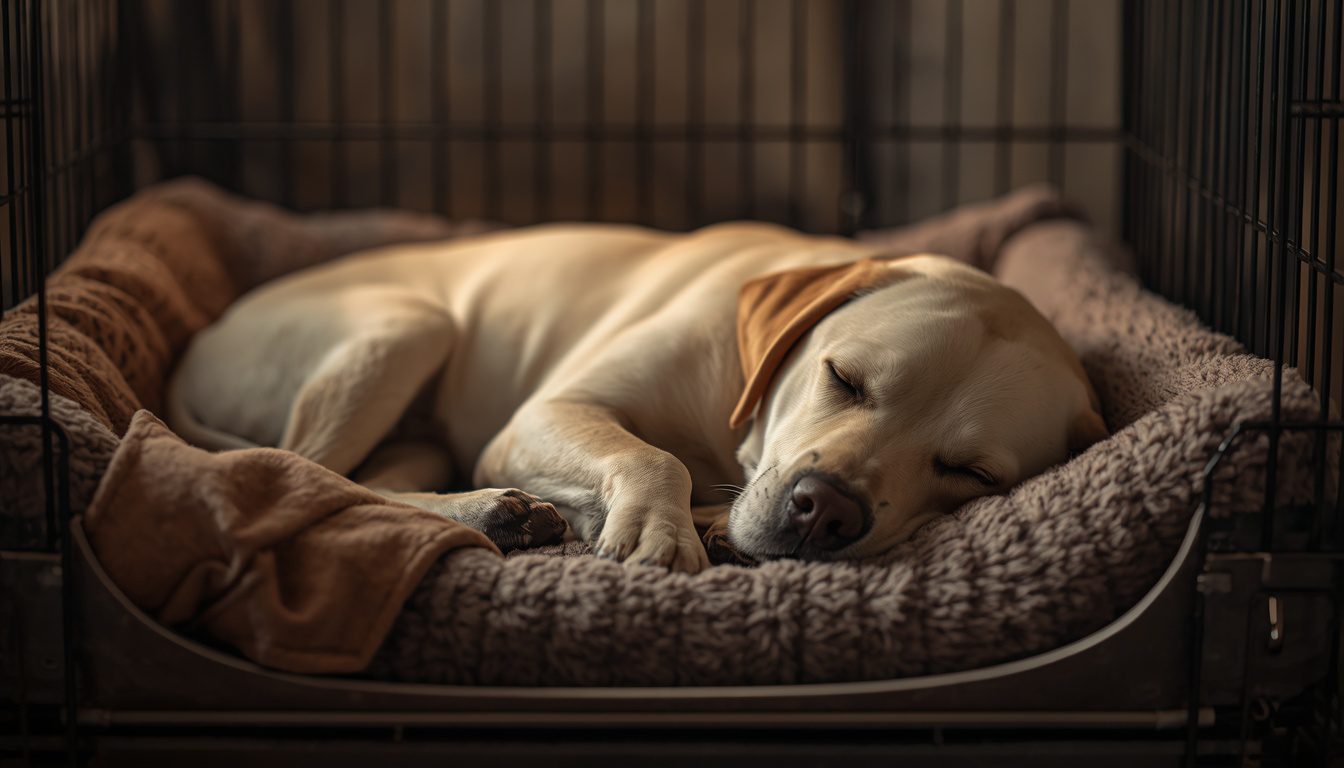
Many people misunderstand crate training. They assume a crate is simply a cage where a dog is confined. In reality, when introduced correctly, a crate becomes a secure den. Dogs naturally seek enclosed spaces where they can rest without interruption. This instinct comes from their ancestral behaviors.
A properly used crate offers structure and predictability. Dogs thrive when they know what to expect. The crate provides a dedicated place where they can relax, nap, and feel protected from household chaos.
Crate training also helps during veterinary visits, travel, house training, emergencies, and overnight stays. Dogs familiar with crates adapt more easily to changing environments because they have a portable safe zone.
The emotional benefits are equally important. Many dogs develop greater confidence when they have a private retreat. Instead of feeling overwhelmed by visitors, children, or loud noises, they can retreat to a familiar environment that feels safe.
Most importantly, crate training should never rely on punishment. The crate must always represent comfort, security, and positive experiences.
Creating a Positive Crate Environment for Dogs
The first step toward successful crate training is Creating a Positive Crate Environment for Dogs. Before your dog spends even one minute inside the crate, the environment should feel inviting.
Start by choosing the right crate size. Your dog should be able to stand, turn around, and lie down comfortably. A crate that is too large may reduce its den-like feeling, while a crate that is too small can create discomfort and anxiety.
Add soft bedding if your dog enjoys blankets. Some dogs prefer cooling mats instead. Observe your dog’s preferences and adjust accordingly.
Location matters. Place the crate in an area where family members spend time. Dogs are social animals. Isolating the crate in a distant room can create unnecessary stress.
Leave the crate door open during the introduction phase. Allow your dog to investigate freely. Curiosity often works better than force.
You can also place favorite toys, safe chew items, and treats inside the crate. These items help create positive associations long before formal training begins.
Remember that the goal is not merely getting your dog inside the crate. The goal is making your dog want to enter voluntarily.
How to Use Treat-Based Crate Training Games
One of the fastest methods for crate acceptance involves How to Use Treat-Based Crate Training Games. Dogs learn best when training feels like play rather than work.
Begin by tossing a high-value treat near the crate entrance. Allow your dog to retrieve it without pressure. Repeat several times until your dog approaches confidently.
Next, toss treats slightly farther inside. Let your dog choose to enter. Avoid closing the door at this stage.
Gradually increase the challenge. Place treats deeper inside until your dog willingly walks all the way into the crate.
Create a simple game where your dog enters the crate, receives a reward, exits, and repeats. This turns the crate into a fun source of positive outcomes.
You can also use a marker word such as “Yes!” or a clicker to reinforce desired behavior. The instant your dog steps inside, provide praise and rewards.
Consistency matters. Several short training sessions throughout the day often produce better results than a single long session.
The objective is to make the crate predict good things every single time your dog interacts with it.

Teaching a Dog to Relax in a Crate Without Anxiety
Many owners successfully teach crate entry but struggle with Teaching a Dog to Relax in a Crate Without Anxiety. Relaxation is the true goal of crate training.
Once your dog willingly enters the crate, begin rewarding calm behavior. If your dog lies down, relaxes, or settles quietly, offer praise and occasional treats.
Avoid creating excitement around the crate. Excessive enthusiasm can increase arousal levels and make relaxation more difficult.
Practice short periods with the door closed. Start with just a few seconds. Open the door before your dog becomes stressed.
Gradually extend the duration over days and weeks. Slow progression prevents setbacks.
Observe body language carefully. Relaxed dogs display loose muscles, normal breathing, and comfortable resting positions. Stress signals include excessive panting, whining, pacing, drooling, and repeated attempts to escape.
Many owners accidentally move too quickly. Patience often produces faster long-term results because the dog develops genuine comfort rather than temporary compliance.
Relaxation training transforms the crate from a training tool into a genuine sanctuary.
Best Crate Training Schedule for Puppies
A structured routine is essential when following the Best Crate Training Schedule for Puppies. Puppies learn fastest when expectations remain consistent.
Young puppies have limited bladder control and short attention spans. Frequent potty breaks are critical.
Morning routines should include immediate bathroom access followed by breakfast and supervised playtime. After activity, many puppies naturally become sleepy, making it an ideal opportunity for short crate sessions.
Throughout the day, alternate between play, training, potty breaks, meals, and crate rest periods. Predictability helps puppies understand what comes next.
Avoid using the crate as a storage location for a puppy that has excessive energy. Physical exercise and mental stimulation should occur before crate time whenever possible.
Nighttime crate training often requires gradual adaptation. Positioning the crate near your bed can reduce anxiety during the first few weeks.
As puppies mature, crate duration can increase gradually. Every puppy develops at a different pace, so flexibility remains important.
The schedule should support success rather than force unrealistic expectations.
Fun Interactive Activities Inside the Crate
Another effective strategy involves Fun Interactive Activities Inside the Crate. Engagement transforms the crate into a rewarding destination.
Food puzzles are especially effective. Stuffed toys, treat-dispensing balls, and puzzle feeders encourage independent entertainment.
Frozen food toys can keep dogs occupied for extended periods. Many dogs begin associating crate time with their favorite enrichment activities.
Rotating toys maintains novelty. A toy that disappears for several days often becomes exciting again when reintroduced.
Snuffle mats and scent-based games can also work inside larger crates. Mental stimulation reduces boredom and promotes relaxation.
Chewing is another naturally calming behavior for many dogs. Safe chew items provide stress relief and help build positive associations.
The key principle remains simple. Great things happen inside the crate. If your dog repeatedly discovers enjoyable activities there, crate acceptance becomes much easier.
Reducing Crate Whining and Barking Naturally
One of the most common challenges is Reducing Crate Whining and Barking Naturally. Vocalization often frustrates owners, but understanding the cause is crucial.
Whining can result from fear, boredom, loneliness, excess energy, or unmet physical needs. Identifying the root cause allows for effective solutions.
Ensure your dog has received adequate exercise before crate sessions. Physical and mental stimulation significantly reduce restlessness.
Avoid releasing your dog immediately after whining. Doing so may accidentally reward the behavior. Instead, wait for a brief moment of calm before opening the crate.
Gradual desensitization helps many dogs. Start with short successful sessions and slowly build duration.
Background sounds such as soft music or white noise may help sensitive dogs relax.
Most importantly, remain patient. Crate training is a learning process. Punishment often increases anxiety and can worsen vocalization problems.
Calm guidance and consistency typically produce better outcomes than correction-based approaches.
Common Crate Training Mistakes Owners Make
Even dedicated owners can make errors that slow progress. Understanding common mistakes can dramatically improve results.
One major mistake is moving too quickly. Dogs need time to build positive associations. Rushing often creates resistance.
Another mistake is using the crate for punishment. If every unpleasant experience ends with crate confinement, the crate quickly develops negative emotional value.
Inconsistent routines also create confusion. Dogs learn faster when expectations remain predictable.
Some owners accidentally reinforce anxious behavior by reacting emotionally to every whine or bark. Calm responses usually work better.
Excessively long crate periods can also create problems. Dogs require exercise, social interaction, exploration, and mental stimulation.
Ignoring individual personality differences is another common issue. Some dogs adapt rapidly, while others need a slower approach.
Successful crate training depends on understanding your specific dog’s emotional needs and adjusting accordingly.
Advanced Creative Training Techniques for Stubborn Dogs
Some dogs require additional creativity. Stubborn or previously fearful dogs often benefit from advanced techniques.
Create treasure hunts leading into the crate. Hide treats along a path that ends inside the crate.
Teach a special crate command using positive reinforcement. This creates a clear communication system between you and your dog.
Use meal feeding inside the crate. Many dogs develop strong positive associations when every meal appears there.
Practice random reward sessions. Occasionally surprise your dog with exceptional treats while resting calmly inside the crate.
Build independence gradually by leaving the room for short periods and returning before anxiety develops.
Celebrate small victories. Progress is rarely perfectly linear. Even minor improvements deserve recognition.
Creative training methods maintain motivation and help transform difficult crate training experiences into enjoyable learning opportunities.

Building Lifelong Positive Crate Habits
Long-term success depends on maintaining positive associations even after formal training ends.
Continue providing occasional rewards for voluntary crate use. Reinforcement strengthens habits over time.
Allow your dog to choose the crate as a resting place whenever possible. Voluntary use demonstrates genuine comfort.
Maintain the crate as a safe zone. Family members should respect the dog’s space when resting inside.
Keep the environment comfortable and clean. A pleasant crate remains attractive to your dog.
Remember that crate training is not about confinement. It is about providing security, structure, and emotional comfort.
When approached correctly, the crate becomes one of the most valuable tools for supporting your dog’s overall well-being.
Why Does a Dog Lick Its Paws and What Does It Mean? The Secret Signs Every Owner Must Know
How to Properly Bathe a Dog Without Stress and Pressure – The Secret to a Calm, Happy Bath Time
What to Do When Your Dog Bites Things All Over the House – Fast Fixes That Actually Work
Summary
Learning How to Get Your Dog Used to a Crate: Creative Training requires patience, consistency, and positive reinforcement. By creating a welcoming environment, using treat-based games, encouraging relaxation, providing enrichment activities, and avoiding common mistakes, dogs can learn to view their crate as a safe and enjoyable retreat. Successful crate training focuses on trust rather than force, helping dogs develop confidence and comfort that lasts a lifetime.
FAQ
How long does crate training usually take?
Most dogs show significant progress within a few days to several weeks, depending on age, temperament, and previous experiences.
Should I force my dog into the crate?
No. Forcing a dog into a crate can create fear and negative associations that make training much more difficult.
Is it okay if my dog sleeps in the crate every night?
Yes. Many dogs enjoy sleeping in their crate once positive associations have been established.
What if my dog cries in the crate?
Determine whether the dog needs a bathroom break, exercise, or reassurance. Gradual training and consistency typically reduce whining.
Can older dogs learn crate training?
Absolutely. Adult dogs can learn to love a crate using the same positive reinforcement techniques used with puppies.
CTA
Ready to transform crate training into a stress-free experience? Start today by introducing one creative crate game and one positive reinforcement exercise. Small daily improvements can help your dog develop confidence, comfort, and lifelong crate acceptance.






