
 Befrey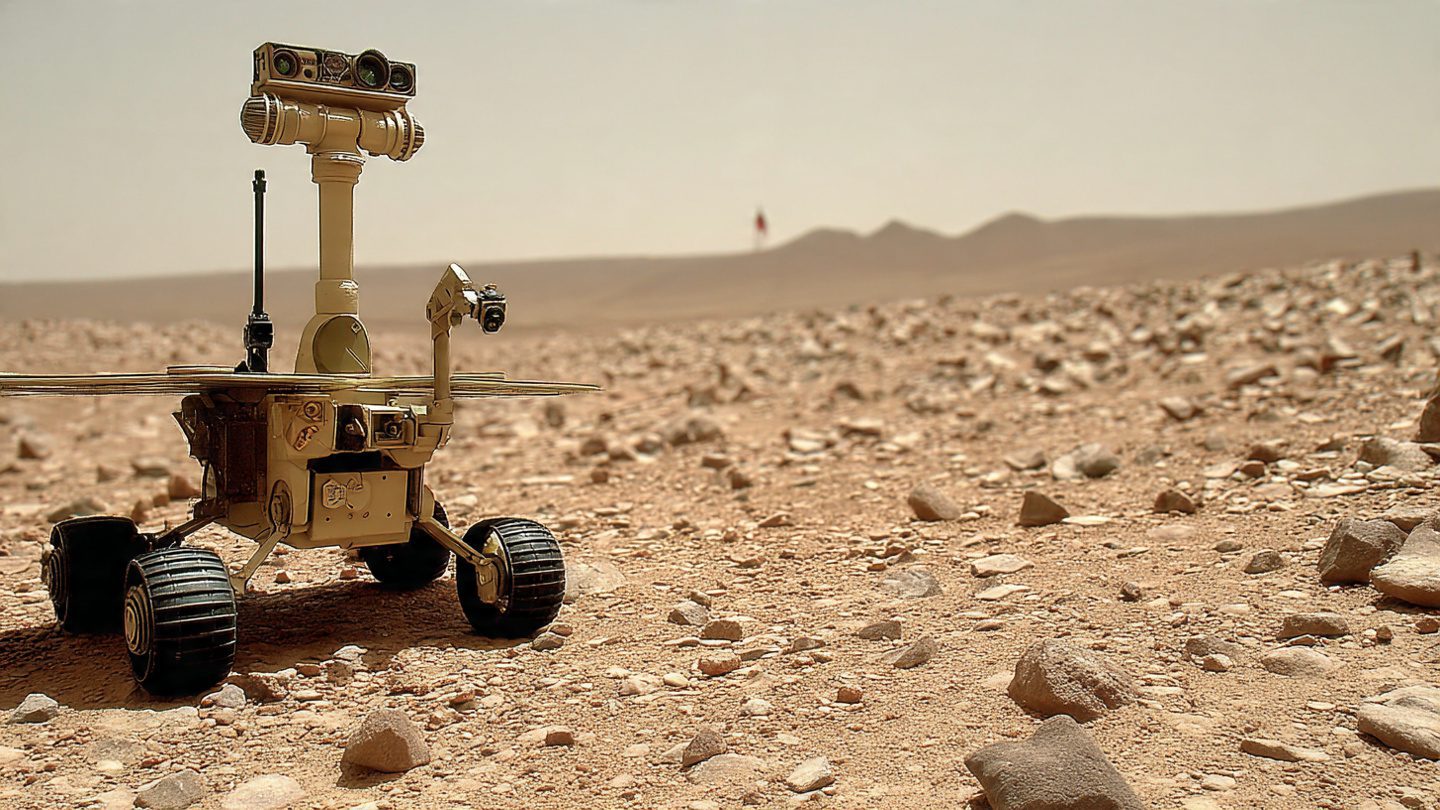
The idea that Mars Rover is just in the desert on Earth conspiracy theories has become one of the more unusual yet persistent claims circulating online. According to this belief, robotic missions sent to Mars are not actually exploring another planet but are instead operating in remote deserts on Earth while space agencies allegedly fake the images and data. Supporters of the Mars Rover is just in the desert on Earth conspiracy theories argue that the red landscapes seen in rover photos resemble certain Earth deserts such as the Atacama Desert, the Sahara Desert, or remote volcanic regions. These similarities lead some people to claim that the missions are elaborate staged productions. The theory is closely related to broader ideas such as the fake Mars mission theory, NASA Mars hoax theory, and space exploration conspiracy narratives. While these claims can appear intriguing to casual observers, they raise important questions about how space missions actually work and why scientific institutions invest enormous resources in robotic exploration. Understanding the Mars Rover is just in the desert on Earth conspiracy theories requires examining both the arguments presented by believers and the scientific evidence collected by decades of planetary exploration.
Understanding Mars Rover Missions and Their Scientific Purpose
Mars rover missions represent one of the most ambitious engineering achievements in human history. These robotic explorers are designed to travel across the surface of Mars while collecting data about the planet’s geology, climate, and potential signs of past life. Building and launching a rover requires years of planning, thousands of engineers, and highly specialized scientific instruments.
A Mars rover must survive extreme conditions that are very different from those found on Earth. Temperatures on Mars can drop to extremely low levels, and the atmosphere is extremely thin compared to Earth’s. Dust storms can cover the entire planet and last for weeks. Engineers design rovers to operate under these harsh conditions while maintaining communication with Earth across millions of kilometers of space.
The rovers carry cameras, chemical analyzers, drilling tools, and environmental sensors. These instruments analyze rocks, soil, and atmospheric gases. The data helps scientists understand whether Mars once had liquid water, whether the environment could have supported microbial life, and how the planet’s climate evolved over billions of years.
The concept behind these missions is simple but powerful. If humans cannot easily travel to Mars yet, robots can explore it first. The results from rover missions guide future exploration plans and help scientists prepare for potential human missions. Despite this complex scientific framework, the Mars Rover is just in the desert on Earth conspiracy theories claim that the missions are staged for public consumption.
Origins of the “Mars Rover Is in the Desert” Conspiracy Theory
The Mars Rover is just in the desert on Earth conspiracy theories began gaining attention during the early years of internet video platforms and social media. As space agencies released thousands of high-resolution images from Mars, some viewers began comparing these photographs with landscapes found on Earth. Certain deserts and volcanic regions contain red rocks, dry valleys, and dusty surfaces that appear visually similar to Martian terrain.
The Atacama Desert in Chile became a particularly common reference point in these discussions. This region is one of the driest places on Earth and contains geological features that resemble parts of the Martian surface. Some conspiracy proponents claimed that NASA used similar locations to simulate Mars missions.
Another reason the theory gained popularity is the use of test environments on Earth. Before launching a rover to Mars, engineers often test prototype vehicles in desert environments to simulate rough terrain and dust conditions. Photographs of these testing activities occasionally circulate online without context. When viewers encounter these images without explanation, they may mistakenly assume they represent the actual mission.
The theory spread rapidly through video documentaries and social media discussions. Dramatic music, selective image comparisons, and suspicious narratives often made the claims appear more convincing than they actually were. Over time, the Mars Rover is just in the desert on Earth conspiracy theories became part of a broader ecosystem of space exploration conspiracy narratives.
Common Arguments Used by Mars Rover Conspiracy Believers
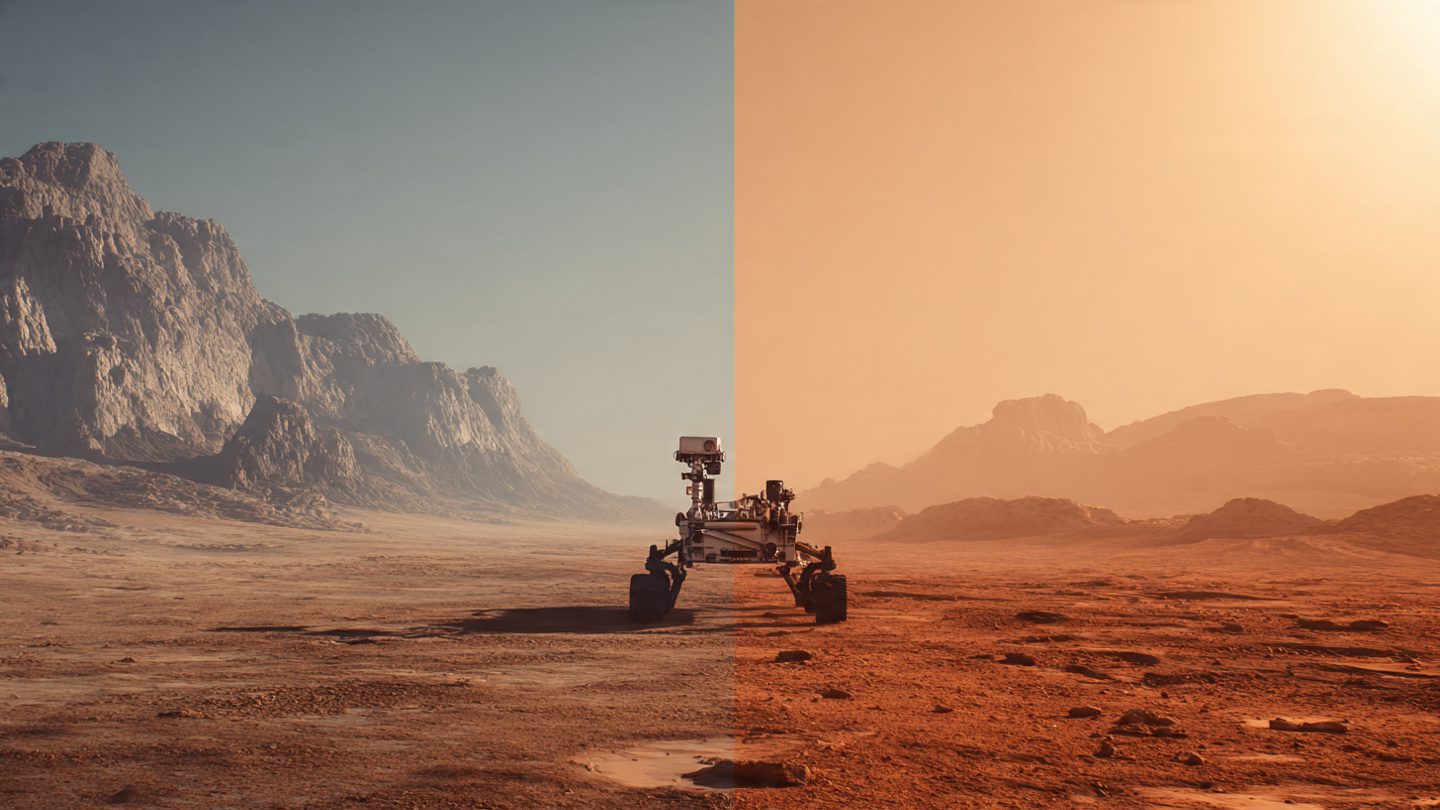
Supporters of the Mars Rover is just in the desert on Earth conspiracy theories typically rely on several recurring arguments. One of the most common claims focuses on the visual similarity between Martian landscapes and deserts on Earth. Believers often display side-by-side images of rocky deserts and Mars rover photographs, arguing that the two environments look identical.
Another frequently cited argument involves lighting and shadows. Some conspiracy theorists claim that the lighting conditions in rover photographs appear similar to Earth sunlight. They argue that if the images were truly taken on Mars, the lighting should look dramatically different. However, these arguments often overlook the fact that sunlight on Mars behaves in ways that are physically predictable based on atmospheric conditions and distance from the Sun.
Some believers also question how signals from Mars can reach Earth. They argue that communication delays or signal transmission across millions of kilometers should be impossible or unreliable. This misunderstanding ignores the well-established field of deep space communication, which uses powerful antennas and relay satellites to transmit data across vast distances.
Another argument focuses on perceived inconsistencies in images. Conspiracy theorists sometimes claim that rover photographs contain signs of editing or manipulation. These claims typically arise from compression artifacts, dust particles on camera lenses, or color adjustments used to make geological features easier to analyze.
Despite the confidence with which these claims are presented, they often rely on incomplete information or misinterpretations of scientific processes. Nevertheless, these arguments continue to circulate widely in discussions about the Mars Rover is just in the desert on Earth conspiracy theories.
Scientific Evidence That Mars Rovers Are Actually on Mars
The evidence supporting real Mars rover missions is extensive and comes from multiple independent sources. Space agencies around the world collaborate on Mars exploration, including organizations from Europe, Japan, and other countries. These international partnerships provide additional verification for mission data.
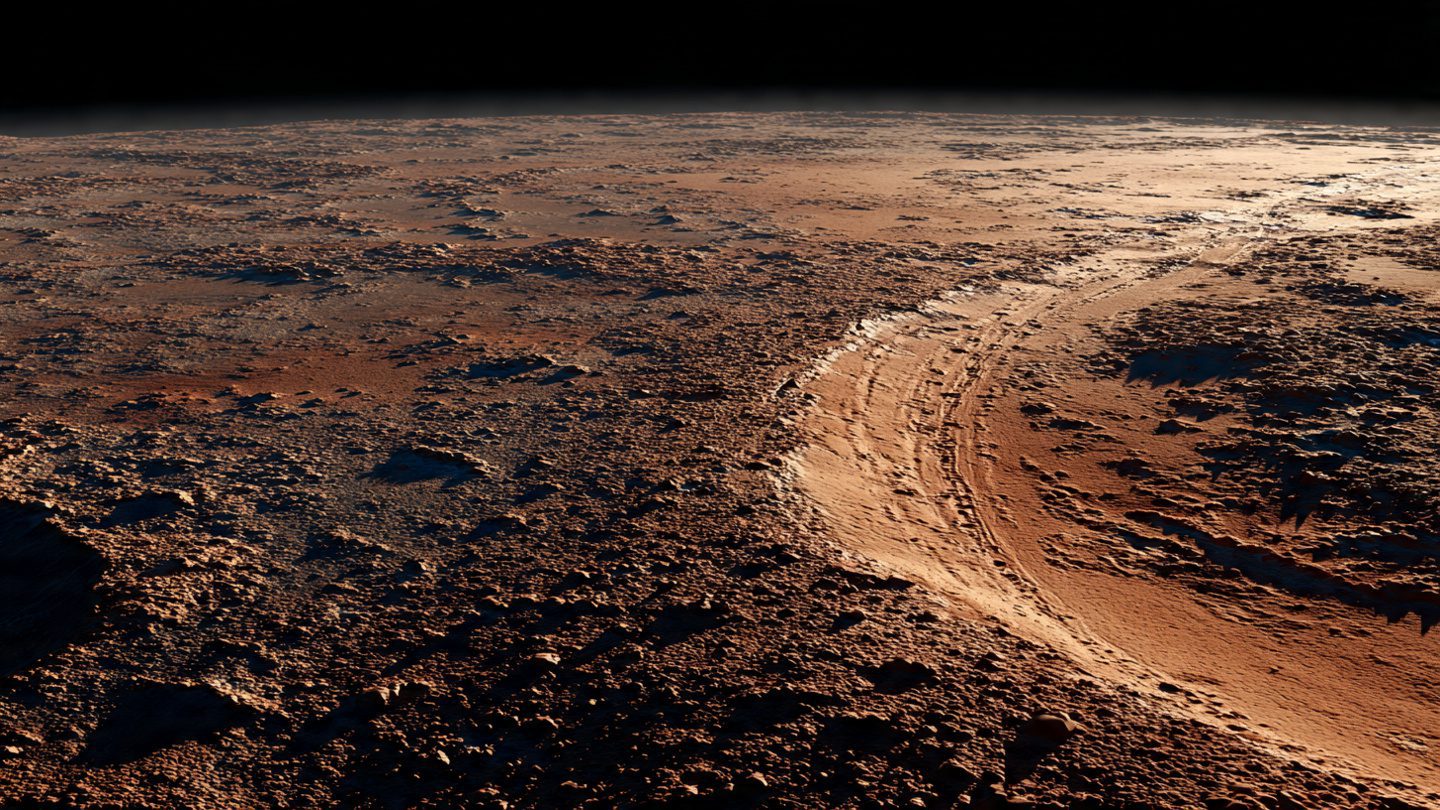
One of the strongest pieces of evidence is orbital observation. Several spacecraft orbit Mars and continuously photograph the planet’s surface. These orbiters have captured images showing the landing sites and tracks left by rovers as they move across the terrain. The tracks appear exactly where mission teams predicted they would be.
Another powerful form of evidence comes from telemetry data. Every Mars rover constantly transmits technical information about its systems, location, power usage, and environmental measurements. This data is analyzed by scientists worldwide. Fabricating such complex and consistent telemetry over many years would be extremely difficult.
Communication with Mars rovers also follows predictable physics. Signals travel at the speed of light, meaning there is a delay of several minutes between Earth and Mars depending on the planets’ positions. Mission control teams must account for this delay when sending commands to the rover. This delay is consistently observed during rover operations.
The rovers themselves conduct experiments that reveal unique Martian chemistry. Instruments detect minerals that form under conditions specific to Mars. They also measure atmospheric composition, including carbon dioxide levels that match independent observations of the planet’s atmosphere.
Together, these lines of evidence provide a robust scientific framework confirming that rover missions are genuine planetary exploration missions rather than staged events in Earth deserts.

Why Desert Landscapes on Earth Can Look Like Mars
One reason the Mars Rover is just in the desert on Earth conspiracy theories seems plausible to some viewers is that certain environments on Earth genuinely resemble parts of Mars. Geological processes can create similar landscapes on different planets when conditions share certain characteristics.
For example, volcanic regions on Earth often contain red basaltic rock. Mars also has basaltic geology formed by ancient volcanic activity. When these rocks weather and break apart, they produce dusty surfaces that appear visually similar.
Extremely dry deserts on Earth also create landscapes with minimal vegetation and exposed rock formations. The absence of plants can make the terrain appear barren and otherworldly. This resemblance becomes even stronger when photographs focus closely on the ground rather than the horizon.
Scientists intentionally study these environments as analog sites. Researchers visit deserts, volcanic fields, and polar regions to test equipment and practice exploration techniques. These locations help scientists understand how instruments will perform on Mars.
The existence of these analog sites sometimes confuses people who encounter images without context. When photographs of test vehicles in desert environments appear online, they can easily be misinterpreted as evidence supporting the Mars Rover is just in the desert on Earth conspiracy theories.
Psychological and Cultural Factors Behind Space Exploration Conspiracies
The persistence of the Mars Rover is just in the desert on Earth conspiracy theories reflects broader patterns in how conspiracy theories develop and spread. Psychological factors play an important role in shaping how people interpret complex technological achievements.
Space missions involve advanced engineering and physics concepts that can seem mysterious to people without scientific backgrounds. When individuals encounter images or explanations that they do not fully understand, they may search for alternative interpretations that feel more intuitive.
Distrust of institutions also contributes to conspiracy narratives. Some people believe that governments and scientific organizations hide information from the public. This skepticism can make conspiracy explanations appear more believable than official statements.
Online communities reinforce these beliefs through social interaction. People who share similar views gather in forums and video channels where they exchange arguments and interpretations. Within these communities, members often encourage each other’s skepticism and reinterpret new evidence in ways that support their existing beliefs.
The dramatic storytelling aspect of conspiracy theories also plays a role. A narrative about a massive secret operation to fake Mars exploration is far more exciting than the complex reality of robotics, engineering, and planetary science. This storytelling appeal helps the Mars Rover is just in the desert on Earth conspiracy theories remain visible in online discussions.
The Real Importance of Mars Rover Exploration
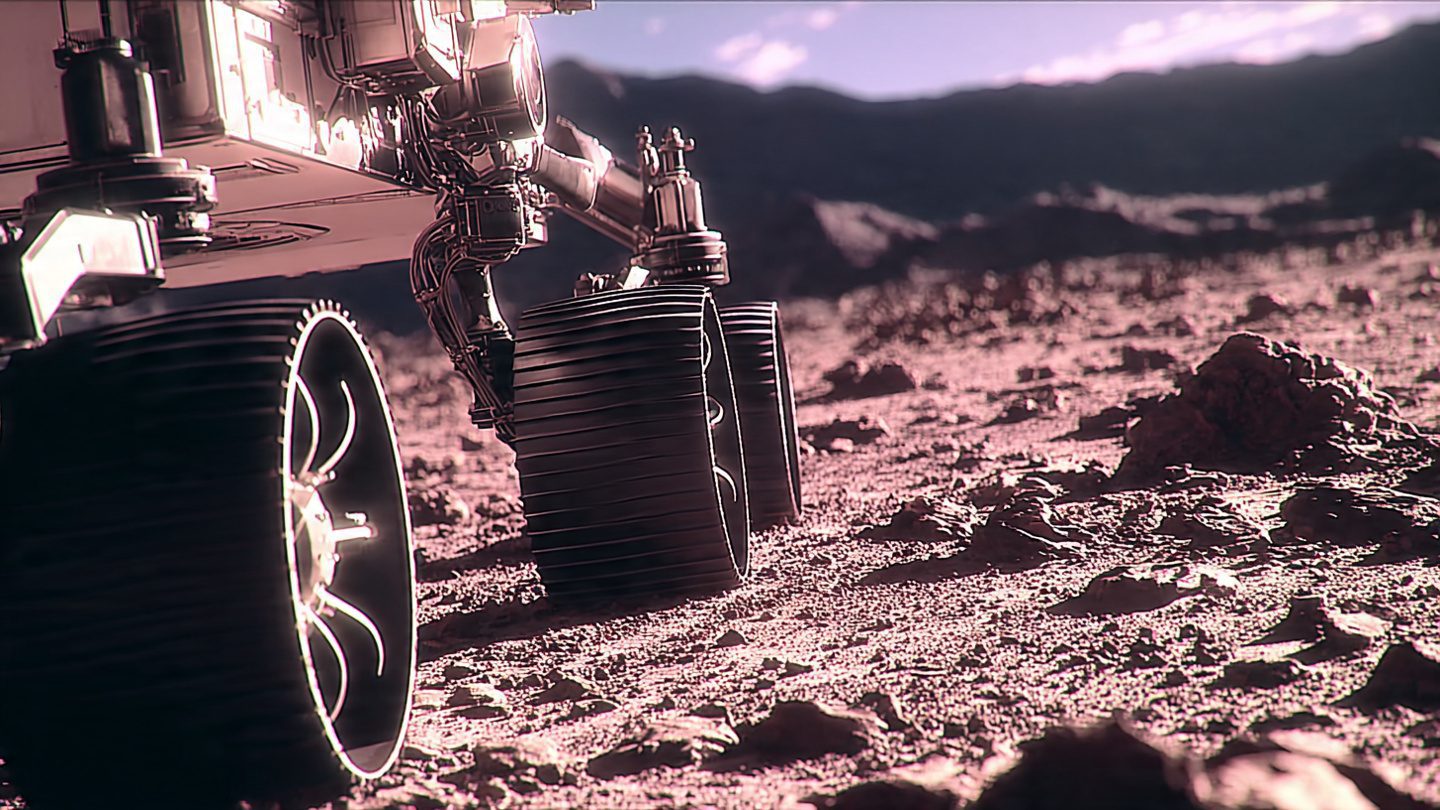
Mars rover missions represent a crucial step in humanity’s effort to understand our solar system. These missions provide valuable information about the geological history of Mars and its potential to support life in the past. Discoveries made by rovers have already revealed that ancient Mars once had rivers, lakes, and environments that might have been habitable.
Rover missions also drive technological innovation. Engineers develop new navigation systems, autonomous driving algorithms, and scientific instruments capable of operating millions of kilometers away from Earth. These technologies often find applications in other industries, including robotics and environmental monitoring.
The data collected by Mars rovers also helps scientists understand planetary evolution. By comparing Mars with Earth and other planets, researchers learn how climates change over time and how planetary environments become habitable or hostile.
Future exploration plans build directly on rover discoveries. Information gathered from these missions helps scientists identify locations where human explorers might eventually land. Understanding the Martian environment is essential for preparing safe human missions in the future.
Rather than being staged desert operations, Mars rover missions represent one of the most impressive examples of international scientific collaboration and technological achievement.
Summary
The Mars Rover is just in the desert on Earth conspiracy theories claim that Mars exploration missions are staged in remote deserts rather than conducted on another planet. These theories often arise from visual similarities between Martian landscapes and Earth deserts, as well as misunderstandings about space technology. However, extensive scientific evidence—including orbital observations, telemetry data, and chemical measurements—confirms that Mars rovers operate on the Martian surface. While the conspiracy theory remains popular in some online communities, the real story of Mars exploration is far more remarkable and scientifically significant.
Occultism and Secret Societies (Templars, Illuminati): A Fascinating Historical Journey
Unlocking the Mystery: Ouija Boards and the Spirit World
Witchcraft Unveiled: Explore the Fascinating History and Real Witchcraft Mysteries
FAQ
Why do some people believe Mars rovers are actually in deserts on Earth?
Many supporters of the theory notice similarities between Martian landscapes and Earth deserts and assume the missions are staged.
Are there places on Earth that look like Mars?
Yes. Some deserts and volcanic regions resemble parts of Mars. Scientists often use these areas to test equipment.
How do scientists know Mars rovers are on Mars?
Evidence includes satellite images of rover tracks, telemetry data, chemical analysis of Martian rocks, and communication delays consistent with the distance between Earth and Mars.
Why would space agencies fake Mars missions?
There is no credible evidence suggesting such a deception. The logistical complexity and international collaboration make such a conspiracy extremely unlikely.
Do Mars rovers send images directly to Earth?
Images are transmitted to orbiting spacecraft around Mars, which then relay the data back to Earth through deep-space communication networks.
Call to Action
Curious about space mysteries and fascinating scientific debates? Keep exploring and learning about astronomy, planetary science, and the incredible technology behind modern space missions.





