
Conspiracy Theory: UN Agenda 21 / Agenda 2030 as a Plan to Enslave Humanity: Is it a Secret Masterplan ?
 Befrey
Conspiracy Theory: UN Agenda 21 / Agenda 2030 as a Plan to Enslave Humanity stands as one of the most prominent narratives in modern geopolitical discourse. Proponents argue that behind benign environmental declarations lies an authoritarian scheme designed to dismantle national sovereignty, abolish private property, and consolidate total control over human activity. Conversely, international bodies, diplomats, and policy experts emphasize that these initiatives represent non-binding global agreements aimed strictly at combating poverty, improving public infrastructure, and fostering ecological sustainability. The dramatic friction between these two perspectives has transformed non-binding policy recommendations into a fierce battleground of public trust, digital activism, and ideological warfare. Understanding how a non-binding United Nations action plan evolved into a widespread symbol of dystopian subjugation requires examining its historical origins, core policy mechanics, political rhetoric, and psychological resonance across global communities.
Origins of Non-Binding UN Environmental Frameworks
The historical foundation of international sustainability initiatives began at the 1992 Earth Summit in Rio de Janeiro, Brazil. Representatives from over 170 nations convened to address global environmental degradation, resource depletion, and economic inequality, culminating in a comprehensive action plan known as Agenda 21. Designed explicitly as a non-legally binding document, it encouraged national and local governments to consider long-term environmental impacts when designing urban areas, managing natural resources, and fostering economic growth. Critics, however, immediately scrutinized its expansive language, warning that phrases regarding land-use planning and central coordination could pave the way for administrative overreach. Decades later, in 2015, world leaders expanded this vision into the 2030 Agenda for Sustainable Development, establishing 17 Sustainable Development Goals (SDGs) targeting poverty, education, and clean energy. Despite the absence of enforcement mechanisms or global police forces, skeptical researchers began viewing these evolving agreements as sequential phases of a singular, long-term geopolitical objective.
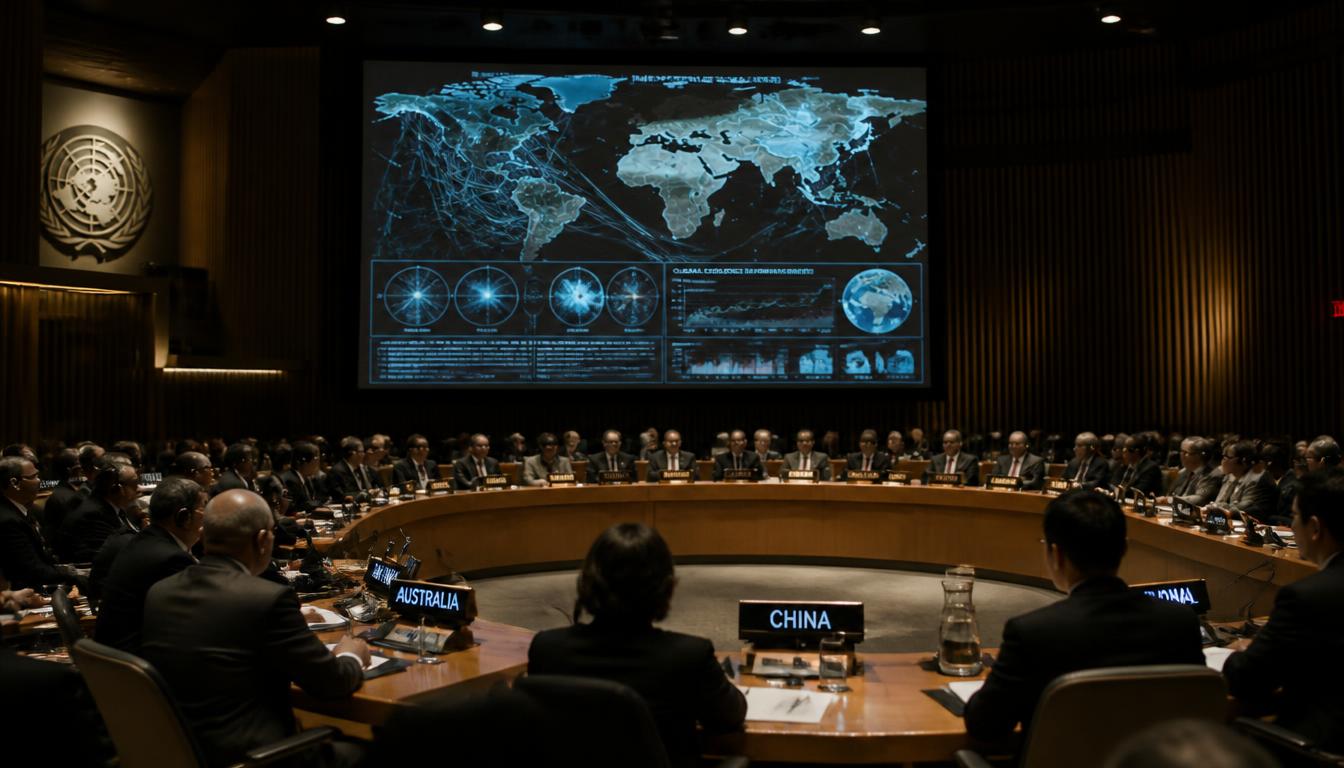
Abolition of Private Property Rights Myths
A primary pillar of modern pushback focuses on property rights, where critics assert that sustainable development mandates ultimately aim to eradicate private land ownership. Skeptics point to specific land-management guidelines within UN literature, interpreting calls for public resource stewardship as covert strategies to confiscate rural farms and ban individual homeownership. This perspective suggests that strict zoning regulations, environmental protection corridors, and municipal eminent domain policies are deliberate steps toward centralizing land distribution under state or international oversight. In contrast, official documents explicitly affirm respect for private property rights, advocating for balanced policies that prevent environmental destruction while supporting local agricultural entrepreneurship. Nevertheless, local disputes over building codes, water rights, and property development often reignite these concerns, leading property owners to view routine municipal planning through the lens of international overreach.
Forced Urbanization and 15-Minute Cities Skepticism
The debate surrounding urban policy gained immense traction with the rise of modern smart city models and 15-minute city urban planning concepts. Proponents of sustainable urbanism design local neighborhoods where essential services, such as grocery stores, medical facilities, and parks, are reachable within a short walk or bike ride. The intended goal is to reduce traffic congestion, lower carbon emissions, and enhance local community health. However, vocal opponents interpret this architectural model as a strategy for forced urbanization, predicting that citizens will eventually be confined to specific zones under strict digital tracking. Claims frequently circulate on social media alleging that international organizations intend to ban private vehicles, restrict inter-city travel, and force rural populations into densely monitored high-rise housing blocks. While city planners stress that walkability enhances personal freedom rather than restricting it, the narrative of spatial containment remains a powerful element of globalist resistance.
Centralized Financial Systems and Digital ID Expansion
Financial sovereignty serves as another critical frontier in discussions regarding international governance frameworks. Critics argue that calls for financial inclusion within the Sustainable Development Goals mask a push toward centralized digital currencies and mandatory biometric identification systems. According to this viewpoint, eliminating physical cash in favor of Central Bank Digital Currencies (CBDCs) creates an infrastructure capable of monitoring individual purchases, enforcing personal carbon quotas, or restricting financial access based on social compliance. Opponents assert that linking digital identity grids with international banking networks creates an inescapable mechanism of economic control. Conversely, global financial institutions maintain that digital infrastructure is necessary to connect unbanked populations to the modern economy, reduce transaction fraud, and facilitate efficient humanitarian aid distribution. The rapid digitisation of everyday commerce continues to feed anxiety that privacy is being systematically sacrificed for administrative convenience.
Depopulation Narrative and Resource Management Scrutiny
Among the most extreme interpretations of international sustainability policy is the depopulation narrative, which claims that environmental agendas hide a covert plan to drastically reduce the human population. Theorists often quote excerpts from ecological reports regarding resource limits, carrying capacity, and carbon footprints, presenting them as evidence of an elite consensus that earth is overpopulated. From this perspective, public health policies, agricultural shifts, and environmental regulations are viewed as indirect mechanisms designed to limit resource consumption and suppress demographic growth. Official documentation, however, frames resource management as a necessity for supporting existing and future generations sustainably, focusing on reducing waste, improving food production efficiency, and providing universal healthcare access. The stark contrast between official goals of human development and popular fears of demographic engineering demonstrates the profound ideological divide surrounding global ecological discussions.

Sovereignty Erosion and Global Governance Overreach
At its core, the persistent resistance to international frameworks stems from deep-seated fears regarding national sovereignty erosion and global governance overreach. Opponents argue that when national governments adopt international benchmarks, they effectively delegate legislative authority to un-elected international bureaucrats operating outside local democratic accountability. Legislative bodies in several regions have introduced anti-Agenda laws aimed at prohibiting state agencies from spending public funds on international sustainability programs. Critics contend that top-down environmental mandates override the immediate economic interests of local working-class communities, small business owners, and rural farmers. Supporters of international cooperation respond that global challenges—such as ocean pollution, transboundary climate patterns, and financial instability—inherently require coordinated international responses that individual nations cannot achieve alone. This tension highlights a fundamental, unresolved political conflict between local self-determination and coordinated international administration.
5G Networks Spread COVID or Control the Mind: Exploring the Conspiracy Theories
Mars Rover Is Just in the Desert on Earth: Exploring the Conspiracy Theory
Flat Earth Conspiracy Theory: Why Some People Believe the Earth Is Flat
Summary
The controversy surrounding Conspiracy Theory: UN Agenda 21 / Agenda 2030 as a Plan to Enslave Humanity highlights the growing divide between official global policy and public skepticism. While international agreements frame these initiatives as non-binding frameworks designed to address poverty and ecological degradation, critics view them as mechanisms for totalitarian control. Concerns regarding property rights, smart cities, digital currency expansion, and national sovereignty demonstrate how routine administrative policies can trigger intense debate. Ultimately, this topic reflects a broader cultural struggle over trust in central institutions, the limits of state authority, and the future of human governance.
FAQ
What is the historical difference between Agenda 21 and Agenda 2030?
Agenda 21 was introduced in 1992 at the Rio Earth Summit as an initial sustainability action plan for the 21st century. Agenda 2030, adopted in 2015, built upon that foundation by establishing 17 specific Sustainable Development Goals targeting global poverty, health, and climate action.
Are UN sustainability agendas legally binding on individual nations?
No, UN sustainability frameworks are entirely non-binding policy guidelines. They contain no legal enforcement mechanisms, police forces, or judicial penalties, leaving implementation entirely to the discretion of sovereign member states.
Do these agendas mandate the abolition of private property?
No, official UN documents explicitly acknowledge and support private property rights. However, critics argue that restrictive environmental zoning regulations and land-use laws can indirectly limit how owners use their private property.
What is the connection between 15-minute cities and UN sustainability goals?
15-minute cities are an urban planning concept aimed at placing daily necessities within walking distance. While urban planners view this as a way to lower traffic and emissions, skeptics fear it could evolve into restricted zones monitored by digital surveillance.
Why do critics link digital IDs and CBDCs to Agenda 2030?
Goal 16 of Agenda 2030 advocates for providing legal identity for all citizens, including digital identity systems. Critics express concern that combining digital IDs with Central Bank Digital Currencies could enable unprecedented financial tracking and social control.
CTA
Do you view global sustainability frameworks as essential progress for humanity or as an unsettling shift toward centralized overreach? The debate over international governance, sovereignty, and individual liberty is shaping the future of our world. Join our independent research community today to access exclusive policy breakdowns, engage in open discussions, and stay informed on global developments. Subscribe now and share your perspective in the comments below!





