
 Befrey
Learning How to save a plant after transplant shock is essential for every plant owner who repots or relocates plants. Transplant shock, also called plant relocation stress, repotting stress, or root disturbance stress, happens when plants struggle to adapt to a new environment. It affects roots, water absorption, and overall plant stability. Many plants show symptoms like wilting, yellow leaves, slow growth, or leaf drop after repotting. This condition can look dangerous, but most plants can recover fully with proper care. Understanding How to save a plant after transplant shock allows you to stabilize roots, reduce stress, and restore healthy growth. This guide explains step-by-step recovery techniques, root protection, watering strategies, environmental stabilization, and professional transplant recovery methods.
Transplant shock symptoms
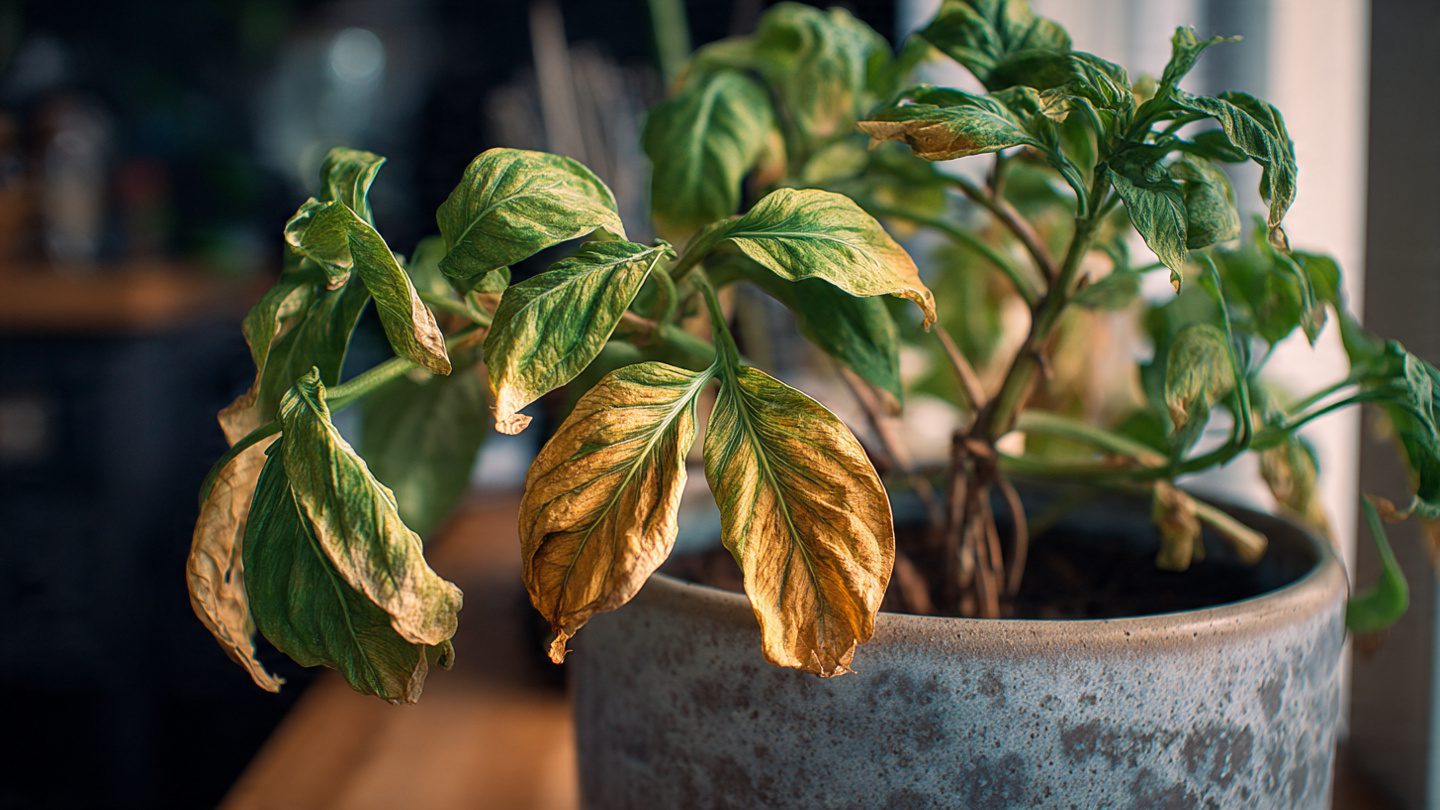
Recognizing transplant shock early improves recovery success. Symptoms usually appear within hours or days after repotting or relocating a plant. These symptoms result from temporary root damage or environmental change.
Wilting is the most common symptom. Leaves lose firmness and appear weak. This happens because roots cannot absorb enough water immediately after transplanting.
Leaf yellowing often follows. The plant reduces energy usage by shedding weak leaves. Yellow leaves indicate stress, not necessarily permanent damage.
Leaf drop is another sign. Plants drop leaves to conserve resources. This helps focus energy on root recovery.
Growth slowdown is also common. The plant pauses growth temporarily. This allows roots to rebuild.
Even healthy plants can experience transplant shock. Experts at the Royal Horticultural Society explain that transplant stress is normal and usually temporary.
Understanding symptoms helps you apply How to save a plant after transplant shock effectively.
Causes of transplant shock
Transplant shock happens when roots are disturbed. Roots are sensitive structures. They absorb water, oxygen, and nutrients.
Root damage is the most common cause. Even small root injuries affect water absorption.
Environmental change also causes stress. Light, humidity, and temperature changes affect plant balance.
Soil change contributes to shock. Different soil structure affects water retention and airflow.
Water imbalance also plays a role. Both overwatering and underwatering increase stress.
Handling stress during transplanting can worsen shock. Rough handling damages roots.
Understanding causes improves transplant recovery success.
Root stabilization process
Root stabilization is the most important recovery step. Healthy roots restore plant strength.
Protect damaged roots
Avoid disturbing roots after transplanting. Let roots settle naturally.
Do not remove plant repeatedly from soil. This increases stress.
Roots need time to rebuild microscopic root hairs.
Root hairs absorb water and nutrients.
Protecting roots accelerates recovery.
Improve root contact
Ensure soil surrounds roots evenly. Air pockets prevent water absorption.
Press soil gently around roots. Do not compact soil too tightly.
Proper root contact improves recovery speed.
Root stabilization is essential when learning How to save a plant after transplant shock.
Proper watering recovery
Water supports root recovery. However, incorrect watering worsens transplant shock.
Controlled watering method
Water lightly after transplanting. Avoid soaking soil completely.
Light watering supports root healing.
Heavy watering suffocates roots.
Controlled watering prevents root rot.
Soil moisture monitoring
Check soil moisture regularly. Soil should remain slightly moist.
Avoid completely dry soil. This slows recovery.
Avoid overly wet soil. This damages roots.
Correct watering is critical in How to save a plant after transplant shock.
Light exposure adjustment
Light affects plant recovery speed. Excessive light increases stress.
Indirect light placement
Place plant in bright indirect light. Avoid direct sunlight initially.
Indirect light reduces stress while supporting energy production.
Strong sunlight increases water loss.
Reducing light stress improves recovery.
Gradual light exposure
Increase light gradually over time.
Allow plant to adapt slowly.
Gradual adjustment prevents additional stress.
Light management improves transplant recovery success.
Environmental stabilization methods
Stable environment reduces transplant shock significantly.
Temperature stability
Maintain consistent temperature. Avoid sudden changes.
Extreme heat increases water loss.
Cold temperatures slow recovery.
Stable temperature supports root healing.
Humidity improvement
Moderate humidity improves recovery.
Humidity reduces water loss from leaves.
This supports root recovery.
Environmental stability accelerates recovery.
Environmental control supports How to save a plant after transplant shock effectively.
Reduce plant stress
Reducing stress allows plants to focus on recovery.
Avoid fertilizing immediately
Fertilizer stresses damaged roots.
Wait 2–4 weeks before fertilizing.
Allow roots to recover first.
Fertilizer can burn damaged roots.
Avoid pruning initially
Do not prune immediately after transplanting.
Leaves support energy production.
Energy supports root recovery.
Stress reduction improves recovery speed.
Improve soil quality
Soil affects recovery success.
Use high-quality, well-draining soil.
Avoid heavy, compact soil.
Loose soil supports root growth.
Soil with perlite improves drainage.
Healthy soil supports root recovery.
Soil improvement supports transplant recovery.
Long-term recovery care
Recovery takes time. Most plants recover within weeks.
Monitor plant regularly.
Look for new growth signs.
New leaves indicate recovery.
Maintain stable care routine.
Avoid unnecessary changes.
Consistency improves recovery success.
Long-term care completes mastering How to save a plant after transplant shock.
Prevention future transplant shock
Prevention reduces transplant stress.
Proper transplant timing
Transplant during active growth phase.
Avoid transplanting during dormancy.
Active plants recover faster.
Gentle transplant handling
Handle roots carefully.
Avoid root damage.
Use proper soil and pot size.
Prevention improves transplant success.
These prevention strategies support How to save a plant after transplant shock long-term.
Professional transplant techniques
Professional growers use advanced methods.
They transplant during optimal conditions.
They use proper soil mixtures.
They stabilize environment carefully.
They monitor plant recovery closely.
These techniques improve transplant success.
Anyone can apply these methods.
Improve Plant Growth Naturally Complete Organic Growth Guide
Fix Root Rot in Plants (Complete Recovery and Prevention Guide)
Save an Underwatered Plant (Complete Step-by-Step Recovery Guide)
Summary
Transplant shock is common but reversible. It occurs due to root disturbance and environmental changes. Stabilizing roots is essential for recovery. Proper watering supports root healing. Indirect light reduces stress. Environmental stability improves recovery speed. Avoid fertilizing immediately. Provide consistent care. Mastering How to save a plant after transplant shock ensures healthy plant recovery and long-term growth.
FAQ
How long does transplant shock last?
Usually 1–4 weeks depending on plant and damage severity.
Can plants recover fully?
Yes. Most plants recover completely with proper care.
Should I fertilize after transplanting?
No. Wait several weeks before fertilizing.
Is transplant shock normal?
Yes. It is a natural response to environmental change.
Should I water immediately after transplant?
Yes, lightly. Avoid excessive watering.
Call to Action (CTA)
Check your recently transplanted plants today. Stabilize roots, adjust light, and improve environment. Apply these proven recovery methods and restore your plant’s health quickly.






