
 Befrey
Understanding How to revive a dried out plant is one of the most valuable skills for plant owners, gardeners, and indoor growers. A dried plant, also called a dehydrated plant, underwatered plant, or severely dry plant, suffers from water deficiency that disrupts its biological processes. Without water, roots cannot transport nutrients, leaves cannot maintain structure, and growth stops completely. Many people assume a dry plant is dead, but in reality, many plants can recover fully with the correct treatment. Learning How to revive a dried out plant involves restoring hydration, repairing root function, stabilizing the environment, and preventing future dehydration. This guide explains professional recovery techniques, step-by-step watering strategies, root restoration methods, and long-term prevention techniques to restore plant health safely and naturally.
Dried plant symptoms
Recognizing dehydration symptoms early improves recovery success. Plants show clear warning signs when they lack water. These symptoms develop gradually or suddenly depending on severity.
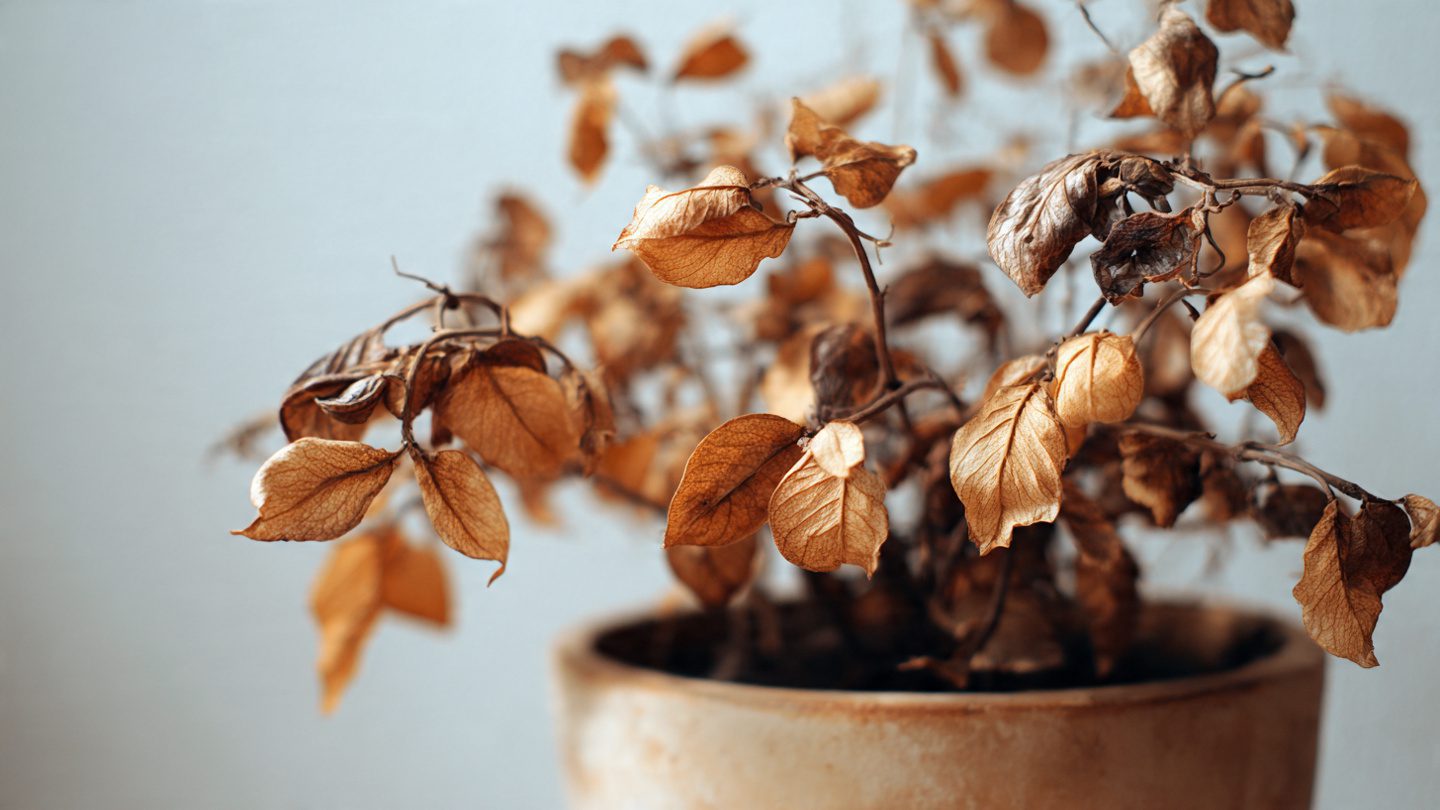
Wilting is the most obvious symptom. Leaves lose firmness and begin to droop. This happens because water pressure inside plant cells decreases. Without pressure, leaves collapse.
Leaves may also become dry and brittle. Edges turn brown and crispy. This indicates severe dehydration.
Leaf curling is another common symptom. The plant reduces surface area to conserve water. Curling protects remaining moisture.
Soil condition also reveals dehydration. Dry soil pulls away from pot edges. It becomes hard and compact.
Growth slows or stops completely. The plant enters survival mode.
Experts at the Royal Horticultural Society explain that early dehydration treatment greatly improves plant survival.
Recognizing these symptoms is essential for mastering How to revive a dried out plant.
Causes of plant dehydration
Understanding causes prevents future dehydration. Most dehydration results from watering problems.
Underwatering is the primary cause. Plants need consistent moisture for survival.
Infrequent watering dries soil completely. Roots cannot absorb nutrients.
Poor soil quality contributes to dehydration. Low-quality soil cannot retain moisture.
Small pots dry faster than large pots. Limited soil holds less water.
High temperatures increase water evaporation. Heat accelerates dehydration.
Strong sunlight increases water loss through leaves.
Environmental conditions strongly affect plant hydration.
Understanding causes improves recovery and prevention.
Root inspection process
Root inspection helps determine recovery potential. Roots must be alive for recovery.
Check root health
Remove plant carefully from the pot. Inspect roots visually.
Healthy roots appear white or light tan. They feel firm and flexible.
Dead roots appear dry, brittle, and dark.
Living roots indicate recovery potential.
Dead roots limit recovery ability.
Identify root damage
Check root structure carefully.
Partial root survival allows recovery.
Complete root death means plant cannot recover.
Root inspection helps determine next steps.
This step is essential when learning How to revive a dried out plant.
Rehydration watering method
Proper watering is the most important recovery step. Incorrect watering can damage stressed roots.
Slow watering technique
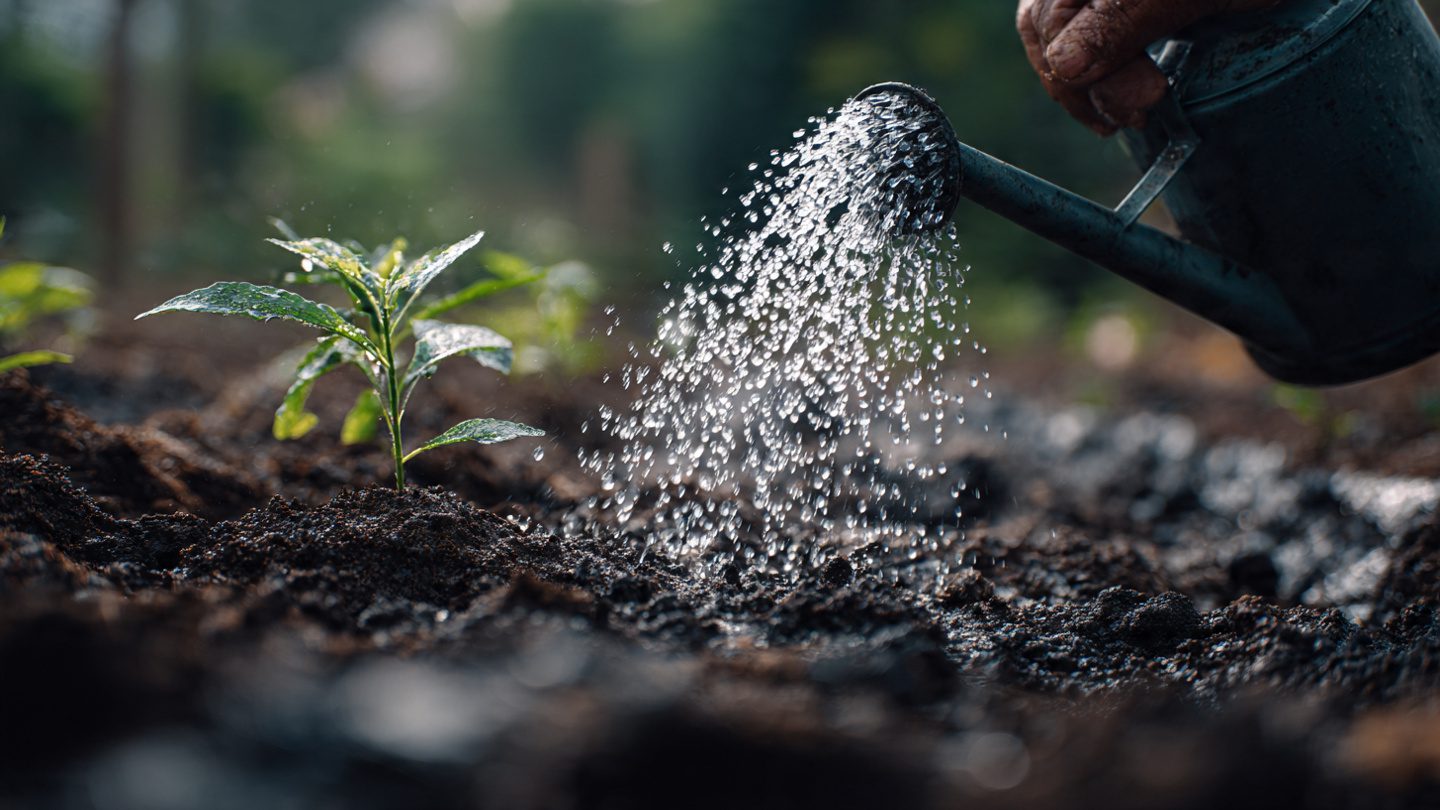
Water slowly and evenly. Do not flood soil immediately.
Slow watering allows roots to absorb water safely.
Flooding dry soil causes water runoff.
Gradual watering improves absorption.
Repeat watering if needed.
Bottom watering method
Place pot in water container. Allow soil to absorb water from bottom.
This restores moisture evenly.
Bottom watering improves deep root hydration.
Proper watering is critical in How to revive a dried out plant.
Soil rehydration process
Severely dry soil repels water. This prevents proper hydration.
Soil soaking method
Soak soil gradually. Allow full water absorption.
Repeat soaking if necessary.
Dry soil needs time to rehydrate.
Soil hydration restores root function.
Soil replacement option
Replace severely dry soil if needed.
Fresh soil improves moisture retention.
New soil improves recovery speed.
Soil restoration improves recovery success.
Environmental stabilization methods
Environment affects plant recovery speed.
Reduce light stress
Place plant in indirect light. Avoid strong sunlight initially.
Strong light increases water loss.
Indirect light supports recovery safely.
Light adjustment reduces stress.
Improve humidity levels
Moderate humidity reduces dehydration stress.
Humidity slows water loss.
This improves recovery success.
Environmental stabilization supports How to revive a dried out plant effectively.
Leaf and stem recovery
Leaves and stems recover gradually after hydration.
Remove dead leaves
Remove completely dead leaves carefully.
Dead leaves drain plant energy.
Removing them supports recovery.
Healthy leaves support photosynthesis.
Monitor new growth
New growth indicates recovery success.
Healthy leaves signal restored plant health.
Growth confirms successful recovery.
Leaf recovery takes time.
Root recovery support
Healthy roots restore plant function.
Improve root environment
Use well-draining soil.
Improve soil structure with perlite.
Healthy soil supports root recovery.
Avoid fertilizing immediately
Do not fertilize stressed plants.
Wait until plant recovers.
Fertilizer stresses damaged roots.
Root care is essential for mastering How to revive a dried out plant.
Long-term plant recovery care
Recovery takes time and patience.
Monitor plant regularly.
Maintain consistent watering.
Avoid environmental stress.
Observe growth improvements.
Recovery may take weeks.
Consistency improves recovery success.
Long-term care ensures full plant recovery.
Prevent future dehydration
Prevention protects plant health.
Proper watering schedule
Check soil moisture regularly.
Water based on plant needs.
Avoid fixed watering schedules.
Flexible watering improves plant health.
Improve soil quality
Use high-quality potting soil.
Good soil retains moisture effectively.
Soil quality prevents dehydration.
Prevention completes mastering How to revive a dried out plant.
Professional plant recovery techniques
Professional growers use advanced recovery techniques.
They monitor plant hydration carefully.
They optimize soil and environment.
They stabilize plant conditions.
These methods improve recovery success.
Anyone can apply these methods.
How to Save a Plant After Transplant Shock
Plant Growth Naturally Complete Organic Growth Guide
How to Fix Root Rot in Plants (Complete Recovery and Prevention Guide)
Summary
Plant dehydration is serious but reversible in many cases. Early detection improves recovery success. Slow watering restores hydration safely. Soil rehydration improves root function. Environmental stabilization reduces stress. Root health determines recovery success. Proper care ensures full recovery. Mastering How to revive a dried out plant allows you to restore plant health and prevent future dehydration.
FAQ
Can a completely dry plant recover?
Yes, if roots are still alive.
How long does recovery take?
Recovery may take 1–4 weeks depending on damage severity.
Should I fertilize immediately?
No. Wait until plant recovers.
Can dead leaves recover?
No. Remove completely dead leaves.
How often should I water after recovery?
Water based on soil moisture and plant needs.
Call to Action (CTA)
Inspect your plants today. Check soil moisture. Restore hydration properly. Apply these proven recovery techniques and bring your dried plant back to life.






