Befrey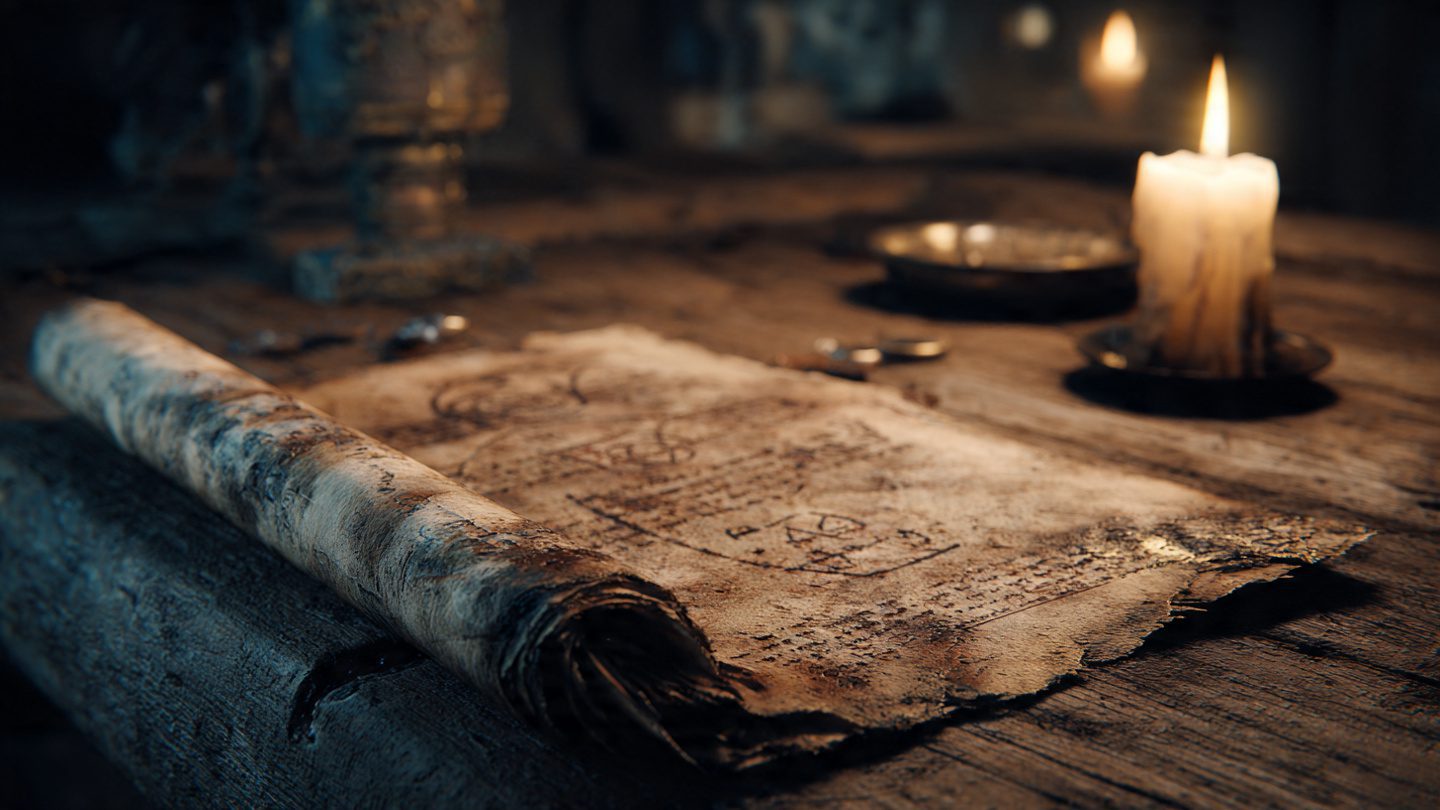
Throughout history, few subjects have sparked as much fear and fascination as Lost Manuscripts of Black Magic – Forbidden Books That Changed Human Minds. These mysterious texts, often hidden, banned, or destroyed, are believed to contain knowledge capable of influencing thought, belief, and perception. The idea that lost manuscripts of black magic could reshape human minds, alter reality, or unlock hidden forces continues to captivate researchers, historians, and curious minds alike. Understanding Lost Manuscripts of Black Magic – Forbidden Books That Changed Human Minds is not just about myth—it is about exploring how knowledge, belief, and fear have shaped human civilization.
Ancient forbidden grimoires and their influence on human thought
The concept of ancient forbidden grimoires and their influence on human thought goes far beyond superstition. Grimoires were not just books of spells. They were complex systems of knowledge blending philosophy, astronomy, religion, and ritual.
These manuscripts often claimed to provide control over unseen forces. Whether symbolic or literal, their content had a profound psychological effect on readers. The belief that one could influence reality created a powerful sense of agency.
In many cases, the fear surrounding these texts amplified their influence. When something is forbidden, it becomes more desirable. This psychological dynamic increased their impact across generations.
Scholars today often interpret these grimoires as reflections of human curiosity and the desire for control over uncertainty. They reveal more about the human mind than about actual supernatural power.
Understanding their influence helps us see how belief systems can shape perception and behavior.
Hidden history of black magic books banned by religious institutions
The hidden history of black magic books banned by religious institutions reveals a complex relationship between power and knowledge. Many organizations saw these texts as threats—not just spiritually, but socially.
Banning such manuscripts was often about control. Knowledge that challenged dominant beliefs could destabilize authority. By labeling these books as dangerous, institutions reinforced their own influence.
Some texts were destroyed. Others were hidden in private collections. A few survived in secret archives, protected by those who believed in preserving knowledge.
The act of banning often increased their mystique. Forbidden texts gained a reputation far beyond their actual content.
This historical pattern shows how suppression can amplify curiosity and belief, rather than eliminate it.
Psychological effects of reading occult manuscripts on the human mind
The psychological effects of reading occult manuscripts on the human mind are both subtle and powerful. These texts are designed to engage imagination, emotion, and belief.
When a reader encounters symbolic language and mysterious instructions, the brain begins to fill in gaps. This process creates a deeply personal experience.
Expectation plays a major role. If someone believes the text holds power, their perception shifts accordingly. This can lead to heightened awareness, anxiety, or even altered interpretation of reality.
Ritualistic elements add another layer. Repetition, focus, and intention can create strong mental states that feel transformative.
Modern psychology suggests that these effects are rooted in cognitive processes, not supernatural forces. However, the experience itself can feel very real.
Understanding this helps separate perception from reality while respecting the intensity of the experience.
Famous lost magical texts that were never meant to be found
The mystery deepens when we explore famous lost magical texts that were never meant to be found. These are manuscripts rumored to exist but rarely verified.
Stories of hidden libraries, secret societies, and lost knowledge have persisted for centuries. These narratives often blend fact and fiction.
Some texts were intentionally concealed. Others were lost through time, conflict, or decay. Their absence adds to their legend.
The idea that certain knowledge is “not meant to be found” reflects human fear of the unknown. It also reflects the belief that some truths are too powerful.
Whether real or imagined, these stories continue to inspire exploration and speculation.
They remind us that mystery itself has a powerful influence on the human mind.
How forbidden knowledge shapes belief systems across generations
The impact of how forbidden knowledge shapes belief systems across generations is profound. Ideas do not exist in isolation. They evolve, spread, and transform over time.
When knowledge is labeled forbidden, it gains symbolic power. It becomes associated with danger, mystery, and hidden truth.
This perception influences how people interpret information. It creates a sense of exclusivity—only a few can access or understand it.
Over generations, these beliefs become part of cultural narratives. They influence art, literature, and even modern media.
The persistence of these ideas shows how powerful the concept of forbidden knowledge truly is.
It shapes not just individual minds, but entire societies.
The line between myth and reality in black magic manuscripts
Distinguishing truth from fiction is essential.
The line between myth and reality in black magic manuscripts is often blurred. Historical texts are mixed with legend, exaggeration, and interpretation.
Some manuscripts contain real historical information. Others are entirely symbolic or fictional.
The challenge lies in interpretation. Without context, it is easy to misunderstand their purpose.
Modern analysis often reveals that many “magical” elements are metaphors for psychological or philosophical concepts.
However, belief can transform perception. What is symbolic to one person may feel literal to another.
Understanding this line helps maintain clarity while exploring complex topics.
Why humans are naturally drawn to forbidden knowledge
Curiosity is a defining human trait.
The attraction to forbidden knowledge is rooted in psychology. When something is restricted, it becomes more appealing.
This is known as the “forbidden fruit effect.” It drives exploration and discovery.
In the context of black magic manuscripts, this effect is amplified by mystery and fear.
People are drawn to the unknown because it represents possibility. It challenges boundaries and expands understanding.
This natural curiosity is neither good nor bad. It is a driving force behind human progress.
But it also requires balance and critical thinking.
Modern interpretations of ancient black magic texts
Today, these manuscripts are viewed differently.
Modern scholars often interpret them as historical artifacts rather than sources of supernatural power. They provide insight into past beliefs and cultural practices.
Psychologists study their effects on perception and cognition. Historians analyze their context and influence.
Even in modern times, these texts inspire creativity. They appear in literature, films, and digital media.
This shows their lasting impact. They continue to shape imagination and storytelling.
Understanding them in a modern context allows us to appreciate their significance without fear.
The enduring legacy of lost manuscripts in human culture
The influence of these manuscripts has not faded.
Their legacy exists in myths, stories, and cultural references. They continue to inspire curiosity and debate.
They remind us of humanity’s desire to understand the unknown. To explore beyond visible boundaries.
Whether viewed as dangerous or fascinating, their impact is undeniable.
They are part of a larger narrative about knowledge, belief, and power.
And that narrative continues to evolve.
The Hidden Reality of Spirit Games: What You Might Be Inviting Into Your Life
The Dropshipping Myth Exposed: What “Zero Investment” Really Means
The Smart Shortcut to Passive Income: Sell Digital Products You Didn’t Create
Summary
Lost manuscripts of black magic represent more than mysterious texts. They are reflections of human curiosity, fear, and imagination. Their influence spans history, psychology, and culture. While often misunderstood, their true power lies in how they shape perception and belief. Understanding them requires balance, critical thinking, and awareness of their psychological impact.
FAQ
1. Are black magic manuscripts real?
Some historical texts exist, but many stories are exaggerated or symbolic.
2. Can reading these texts affect the mind?
Yes, through psychological effects like suggestion and expectation.
3. Why were these books banned?
Often due to perceived threats to authority or belief systems.
4. Do lost magical texts still exist today?
Some may exist in archives, but many are likely lost or mythologized.
5. Are these manuscripts dangerous?
They can influence perception, but their effects are largely psychological.
CTA (Call-to-Action)
Explore knowledge with curiosity—but also with awareness. Question what you read, understand its context, and never stop learning. The truth is often deeper than the mystery.