Befrey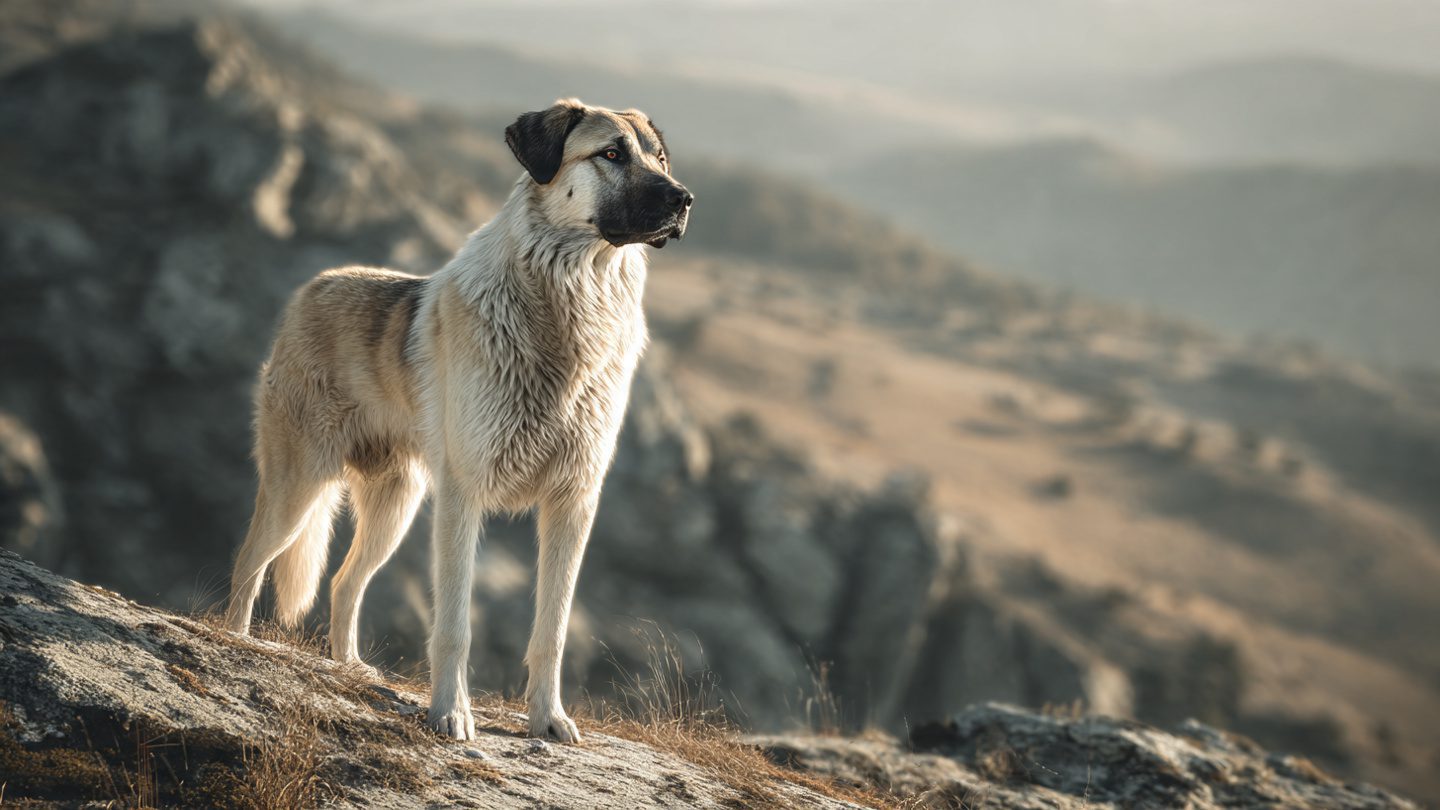
The Anatolian Shepherd Dog Explained Ultimate Guardian Breed Guide delves into one of the most impressive livestock guardian breeds in the world. Known for its loyalty, intelligence, and protective instincts, the Anatolian Shepherd Dog has been trusted for centuries to guard flocks against predators. This comprehensive guide covers everything from history to care, behavior, training, and health. In this Anatolian Shepherd Dog Explained Ultimate Guardian Breed Guide, you will discover why this breed is often considered the gold standard for protection, as well as the nuances that make it suitable for specific environments and owners. If you’re looking to understand their temperament, exercise needs, or their role as working dogs, this guide provides an in-depth exploration of every essential aspect.
Origins and History of the Anatolian Shepherd Dog
The Anatolian Shepherd Dog is an ancient breed originating from the rugged landscapes of Turkey. These dogs were bred primarily to protect livestock from wolves, bears, and other predators. Historical records show that Turkish nomadic tribes relied on Anatolian Shepherds for centuries. They are believed to descend from large Molosser-type dogs brought to Anatolia by migrating tribes. The breed’s survival instincts, independence, and strong territorial nature were honed through centuries of guarding vast herds across steep mountains and open plains. Unlike other breeds, the Anatolian Shepherd Dog’s intelligence is coupled with a remarkable capacity for self-reliance. Early Anatolian Shepherds were not only guardians but also essential companions to shepherds, forming deep bonds while performing their duties.
Anatolian Shepherd Dog Temperament and Personality Traits
The Anatolian Shepherd Dog is known for its calm yet assertive demeanor. These dogs are independent thinkers, making them excellent working guardians, but their intelligence also means they need firm, consistent training. They are naturally protective, wary of strangers, and extremely loyal to their families. Unlike overly aggressive breeds, Anatolian Shepherds carefully assess threats before acting, showing a measured form of vigilance. They can be affectionate and gentle with children if socialized properly from a young age. This temperament makes them ideal for large properties, farms, and rural environments. Their personality thrives when they have a purpose, whether guarding livestock or serving as a family protector.
Size, Weight, and Physical Characteristics of the Anatolian Shepherd Dog
Anatolian Shepherd Dogs are massive, muscular, and built for endurance. Males typically weigh between 110–150 pounds, while females are slightly smaller at 80–120 pounds. Height ranges from 27 to 29 inches at the shoulder for males and 25 to 27 inches for females. Their thick double coat protects them from extreme weather conditions, whether scorching summer heat or bitter winter cold. Colors vary from fawn to white, sometimes with a black mask or patches. Their strong necks, broad chests, and sturdy legs are perfectly adapted for chasing off predators. The physicality of the Anatolian Shepherd Dog is not just for show—it reflects centuries of evolution where survival depended on strength, agility, and resilience.
Exercise and Training Requirements for Anatolian Shepherds
Although Anatolian Shepherd Dogs are intelligent, they require consistent training from an early age. They are independent and can be stubborn, so training must emphasize patience and positive reinforcement. Mental stimulation is equally important, including tasks that simulate guarding or problem-solving. Exercise should be moderate but consistent, with daily walks, outdoor time, and opportunities to patrol property. Anatolian Shepherds excel in large open spaces where they can roam safely under supervision. Socialization is critical—exposure to other animals, people, and environments reduces aggression and fearfulness. Training them as family pets differs from training them as livestock guardians, but their adaptability ensures they can fulfill multiple roles with proper guidance.
Health Concerns and Lifespan of Anatolian Shepherd Dogs
The Anatolian Shepherd Dog is generally healthy, with a lifespan of 11–13 years. However, like all large breeds, they are prone to certain conditions such as hip and elbow dysplasia, bloat, and heart issues. Regular veterinary checkups, proper nutrition, and controlled exercise routines help maintain their health. Genetic testing and responsible breeding practices minimize hereditary risks. Their thick coat also requires regular grooming to prevent matting and skin infections. Owners should monitor weight closely to avoid obesity, which can exacerbate joint problems. A well-cared-for Anatolian Shepherd Dog often lives a robust, energetic life well into its teens.
Diet and Nutrition for Anatolian Shepherd Dogs
Anatolian Shepherd Dogs require a balanced diet tailored to their size, age, and activity level. High-quality protein is essential to support their muscular build and energy requirements. Large breed formulas help maintain healthy joints and bones. Feeding should be portion-controlled to prevent obesity, which can lead to severe health problems. Puppies benefit from frequent small meals, while adults typically eat two times a day. Fresh water must always be available due to their high activity levels. Some owners include supplements like glucosamine for joint health and omega-3 fatty acids for coat shine and anti-inflammatory benefits. Proper nutrition ensures that this guardian breed remains strong, alert, and capable of performing its protective duties.
Grooming Needs of the Anatolian Shepherd Dog
The Anatolian Shepherd Dog has a dense double coat that requires regular grooming. Brushing two to three times per week prevents matting and distributes natural oils. During shedding season, more frequent brushing may be necessary. Bathing should be occasional, only when the dog becomes dirty, to preserve the natural protective oils in their coat. Ears, nails, and teeth require routine care—check ears weekly for infection, trim nails monthly, and brush teeth several times a week. Grooming also provides opportunities to inspect for parasites or skin conditions. While grooming is straightforward, consistency is key to keeping this breed healthy and comfortable.
Anatolian Shepherd Dog as a Family Pet
While often thought of as working dogs, Anatolian Shepherds can make excellent family pets. They are protective, gentle with children, and form deep bonds with their owners. Early socialization ensures they remain confident and friendly in new situations. They are not suited for apartment living due to their size and exercise needs, but in rural or suburban settings, they thrive. Owners must provide clear rules and consistent training to manage their independence. Their loyalty is unmatched—they often act as both guardian and companion. Families who respect their space, energy, and instincts often enjoy a lifetime of devotion from these extraordinary dogs.
Anatolian Shepherd Dog in Livestock Guarding
This breed’s historical and modern purpose is livestock guarding. Anatolian Shepherd Dogs are naturally protective and territorial, making them ideal for farms and ranches. They bond with the animals they guard, learning the flock’s routines and defending them from threats. Unlike herding breeds, they do not herd but observe and intervene when necessary. Their instincts include alerting owners to predators, chasing intruders, and even using body language to warn of danger. Modern farmers and ranchers continue to rely on this breed for sustainable, non-lethal protection. Their independence allows them to work long hours without direct supervision while maintaining a strong sense of duty.
Food Hygiene Mastery: Secrets Every Fit Lifestyle Needs for Optimal Health and Performance
Vegetables Unleashed: How They Boost Health, Energy, Fitness, and Longevity
Fruit Revealed: The Most Powerful Food for Health, Energy, and Longevity
Summary
The Anatolian Shepherd Dog Explained Ultimate Guardian Breed Guide illustrates why this breed is a top choice for guardianship and family companionship. From its ancient Turkish origins to its protective temperament, massive physical traits, health needs, and dietary requirements, the Anatolian Shepherd stands out as a breed that combines intelligence, independence, and loyalty. Whether you’re seeking a guardian for livestock or a devoted family pet, understanding their needs, behavior, and care requirements ensures a harmonious life with this remarkable dog.
FAQ
1. How large do Anatolian Shepherd Dogs get?
Males can weigh 110–150 pounds and stand 27–29 inches tall. Females are slightly smaller, weighing 80–120 pounds and standing 25–27 inches tall.
2. Are Anatolian Shepherd Dogs good with children?
Yes, with proper socialization, they are gentle, protective, and form strong bonds with children.
3. How much exercise do Anatolian Shepherds need?
They need daily walks, outdoor play, and mental stimulation. Large spaces allow them to patrol safely.
4. What health issues are common in Anatolian Shepherd Dogs?
Hip and elbow dysplasia, bloat, heart problems, and occasional skin issues are most common.
5. Can Anatolian Shepherds live in apartments?
No, they are large and require space and purpose. Rural or suburban homes with property are ideal.
Call-to-Action
If you’re considering adding an Anatolian Shepherd Dog to your family or farm, make sure to research breeders carefully, understand their exercise and training needs, and provide a loving, structured environment. Start your journey today to experience the loyalty and protection of this ultimate guardian breed.