Befrey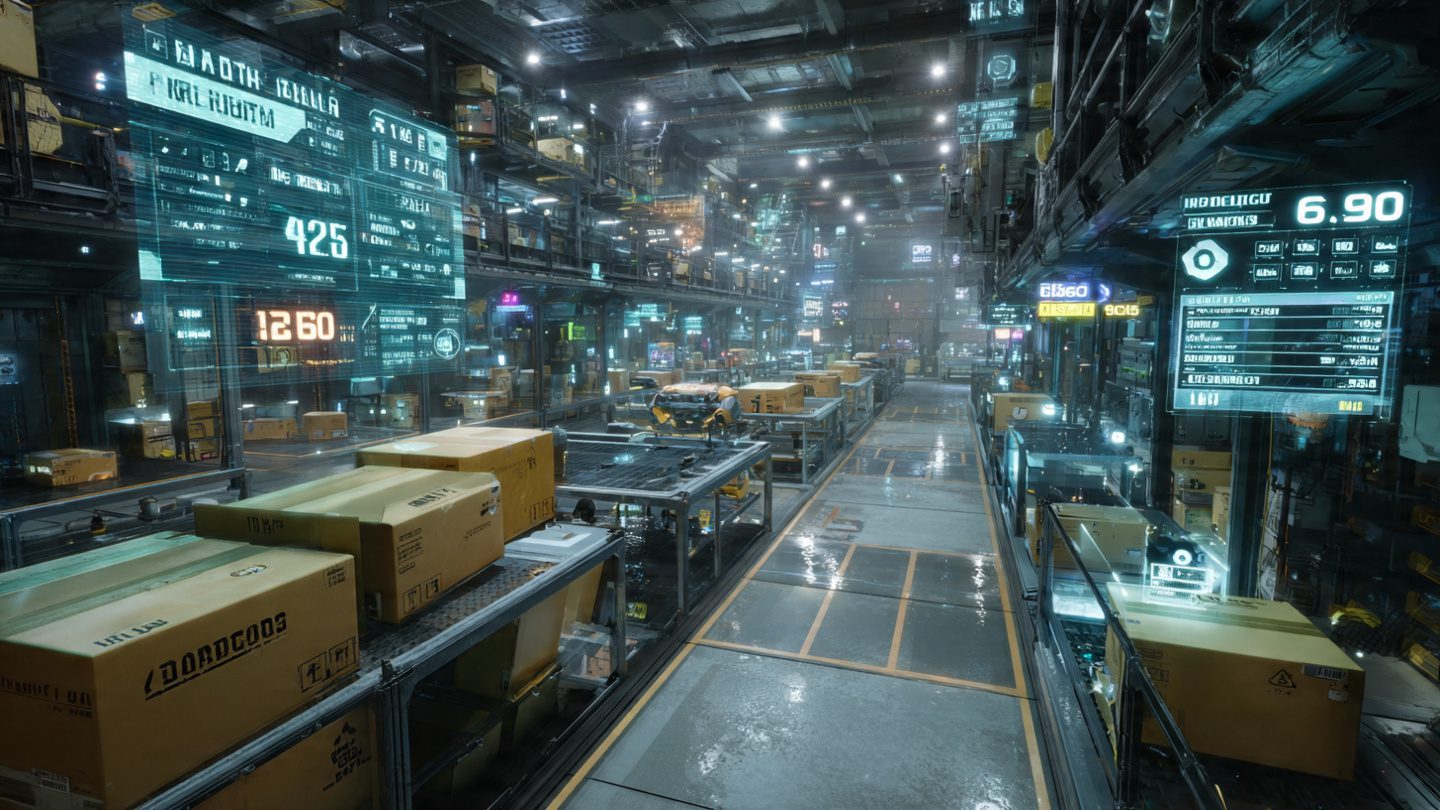
Will inventory and logistics management using AI be effective? This question is becoming central in modern business strategy. Companies are rapidly adopting artificial intelligence in inventory management, AI-driven logistics systems, smart supply chain automation, and intelligent warehouse operations. The effectiveness of AI in logistics and inventory control depends on how well organizations implement data-driven decision-making, predictive algorithms, and automation tools. Businesses are no longer relying solely on traditional methods. Instead, they are shifting toward AI-powered inventory systems and logistics optimization solutions that promise higher efficiency, reduced costs, and improved accuracy.
Understanding the Role of AI in Inventory and Logistics Management
Artificial intelligence is transforming how businesses manage inventory and logistics at every level. It is not just about automation. It is about intelligent decision-making powered by data. AI systems analyze massive datasets in seconds. They identify patterns that humans often miss.
In inventory management, AI predicts stock requirements based on past behavior. It also considers seasonality, trends, and customer preferences. This reduces both overstocking and stockouts. In logistics, AI optimizes delivery routes, reduces fuel consumption, and improves delivery times.
The traditional supply chain relied heavily on manual planning. This often led to inefficiencies and human errors. AI removes much of this uncertainty. It introduces precision and speed. Businesses can now respond to demand changes in real time.
Another key advantage is scalability. AI systems can handle increasing complexity as businesses grow. They adapt without requiring a complete overhaul. This makes them highly valuable for both small and large enterprises.
Ultimately, AI is not replacing humans. It is enhancing human capabilities. It allows teams to focus on strategic decisions rather than repetitive tasks.
AI-powered demand forecasting in supply chain
Demand forecasting has always been a challenge. Businesses often struggle to predict customer demand accurately. AI-powered demand forecasting in supply chain solves this problem effectively.
AI uses historical sales data, market trends, and external factors like weather or economic conditions. It builds predictive models that continuously improve over time. These models become more accurate with each data input.
This leads to better inventory planning. Companies can maintain optimal stock levels. They avoid unnecessary storage costs and lost sales opportunities. The result is a balanced inventory system.
Another advantage is responsiveness. AI systems can adjust forecasts in real time. If there is a sudden spike in demand, the system reacts instantly. This is crucial in industries like e-commerce and retail.
AI forecasting also supports better supplier coordination. Businesses can share accurate demand predictions with suppliers. This improves the entire supply chain ecosystem.
In short, AI-powered forecasting reduces uncertainty. It brings clarity and confidence to inventory decisions.
machine learning for warehouse optimization
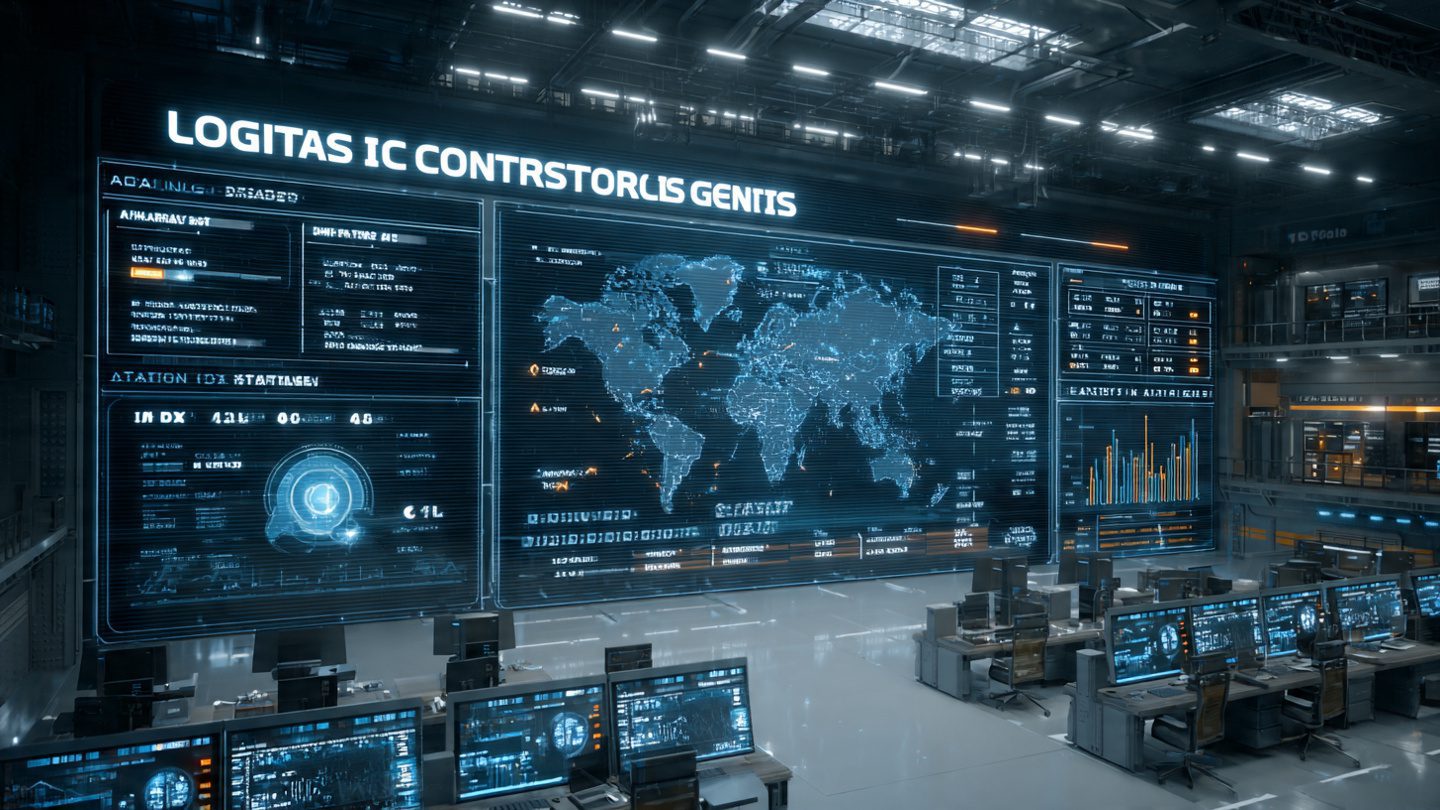
Warehouses are the backbone of inventory management. However, traditional warehouse operations are often inefficient. Machine learning for warehouse optimization changes this completely.
Machine learning algorithms analyze warehouse operations continuously. They identify bottlenecks and inefficiencies. This allows businesses to redesign workflows for maximum efficiency.
For example, AI can optimize product placement. Frequently picked items are placed closer to packing areas. This reduces travel time for workers. It increases overall productivity.
Robotics is another major component. AI-powered robots can handle picking, packing, and sorting tasks. They work faster and more accurately than humans. This reduces labor costs and errors.
Machine learning also improves workforce management. It predicts workload patterns and allocates resources accordingly. This ensures that the warehouse operates smoothly even during peak times.
Additionally, AI enhances safety. It monitors operations and detects potential hazards. This reduces workplace accidents and improves overall efficiency.
Warehouse optimization through AI leads to faster order fulfillment. It also improves customer satisfaction significantly.
predictive analytics in logistics management
Logistics involves many variables. Traffic conditions, weather, fuel costs, and delivery schedules all play a role. Predictive analytics in logistics management helps businesses navigate this complexity.
AI analyzes historical and real-time data to predict potential disruptions. For example, it can identify routes likely to experience delays. It suggests alternative routes in advance.
This improves delivery reliability. Customers receive their orders on time. Businesses avoid penalties and maintain their reputation.
Predictive analytics also helps in fleet management. It monitors vehicle performance and predicts maintenance needs. This prevents unexpected breakdowns and reduces downtime.
Cost optimization is another major benefit. AI identifies the most efficient routes and delivery schedules. This reduces fuel consumption and operational costs.
Furthermore, predictive analytics supports better decision-making. Managers can plan logistics operations with greater accuracy. They can anticipate challenges before they occur.
In a competitive market, this level of foresight is invaluable. It gives businesses a significant advantage.
automation in inventory control systems
Automation is at the core of AI-driven inventory management. Automation in inventory control systems eliminates manual processes and reduces errors.
AI systems automatically track inventory levels. They update stock data in real time. This ensures that businesses always have accurate information.
Reordering is also automated. When stock levels fall below a certain threshold, the system places orders automatically. This prevents stockouts and ensures continuous supply.
Automation improves accuracy significantly. Manual data entry often leads to mistakes. AI removes this risk entirely.
Another benefit is efficiency. Employees no longer need to spend time on repetitive tasks. They can focus on more strategic activities. This improves overall productivity.
Integration is also seamless. AI systems can connect with other business tools like ERP and CRM systems. This creates a unified ecosystem.
Automation in inventory control is not just about saving time. It is about creating a smarter and more reliable system.
real-time data tracking in logistics operations
Real-time visibility is crucial in modern logistics. Real-time data tracking in logistics operations provides this visibility.
AI systems use sensors, GPS, and IoT devices to track shipments continuously. Businesses can monitor the exact location of their goods at any time.
This improves transparency. Customers can receive accurate delivery updates. This enhances trust and satisfaction.
Real-time tracking also helps in risk management. If a shipment is delayed or diverted, the system alerts managers immediately. They can take corrective action quickly.
Inventory visibility is another advantage. Businesses know exactly what is in transit and what is in storage. This improves planning and decision-making.
Data collected in real time is also used for analysis. AI systems identify patterns and suggest improvements. This leads to continuous optimization.
In today’s fast-paced world, real-time tracking is not optional. It is essential for success.
benefits of AI in supply chain efficiency
The benefits of AI in supply chain efficiency are extensive. It impacts every aspect of the supply chain.
First, AI reduces operational costs. It optimizes processes and eliminates waste. This leads to significant savings.
Second, it improves accuracy. AI systems minimize human errors. This results in better inventory management and logistics operations.
Third, AI enhances speed. Processes that once took hours can now be completed in minutes. This improves responsiveness and competitiveness.
Fourth, it enables scalability. Businesses can handle increased demand without major changes to their infrastructure.
Fifth, AI improves customer satisfaction. Faster deliveries and accurate order fulfillment lead to happier customers.
Finally, AI provides a competitive advantage. Businesses that adopt AI early can outperform their competitors.
The overall impact is transformative. AI is not just improving supply chains. It is redefining them.
Challenges and Limitations of AI in Inventory and Logistics
Despite its benefits, AI is not without challenges. One major issue is implementation cost. AI systems require significant investment. This can be a barrier for small businesses.
Data quality is another concern. AI systems rely on accurate data. Poor data quality can lead to incorrect predictions and decisions.
Integration with existing systems can also be complex. Businesses need to ensure compatibility. This requires technical expertise.
There is also a learning curve. Employees need training to work with AI systems. This takes time and resources.
Security is another important factor. AI systems handle sensitive data. Businesses must ensure robust cybersecurity measures.
Finally, there is resistance to change. Some organizations are hesitant to adopt new technologies. This can slow down implementation.
However, these challenges can be managed. With proper planning, businesses can overcome them and fully benefit from AI.
Future of AI in Inventory and Logistics Management
The future of AI in inventory and logistics is incredibly promising. Technology is evolving rapidly. AI systems are becoming more advanced and accessible.
One major trend is the integration of AI with IoT. This will create smarter and more connected supply chains. Data will flow seamlessly across systems.
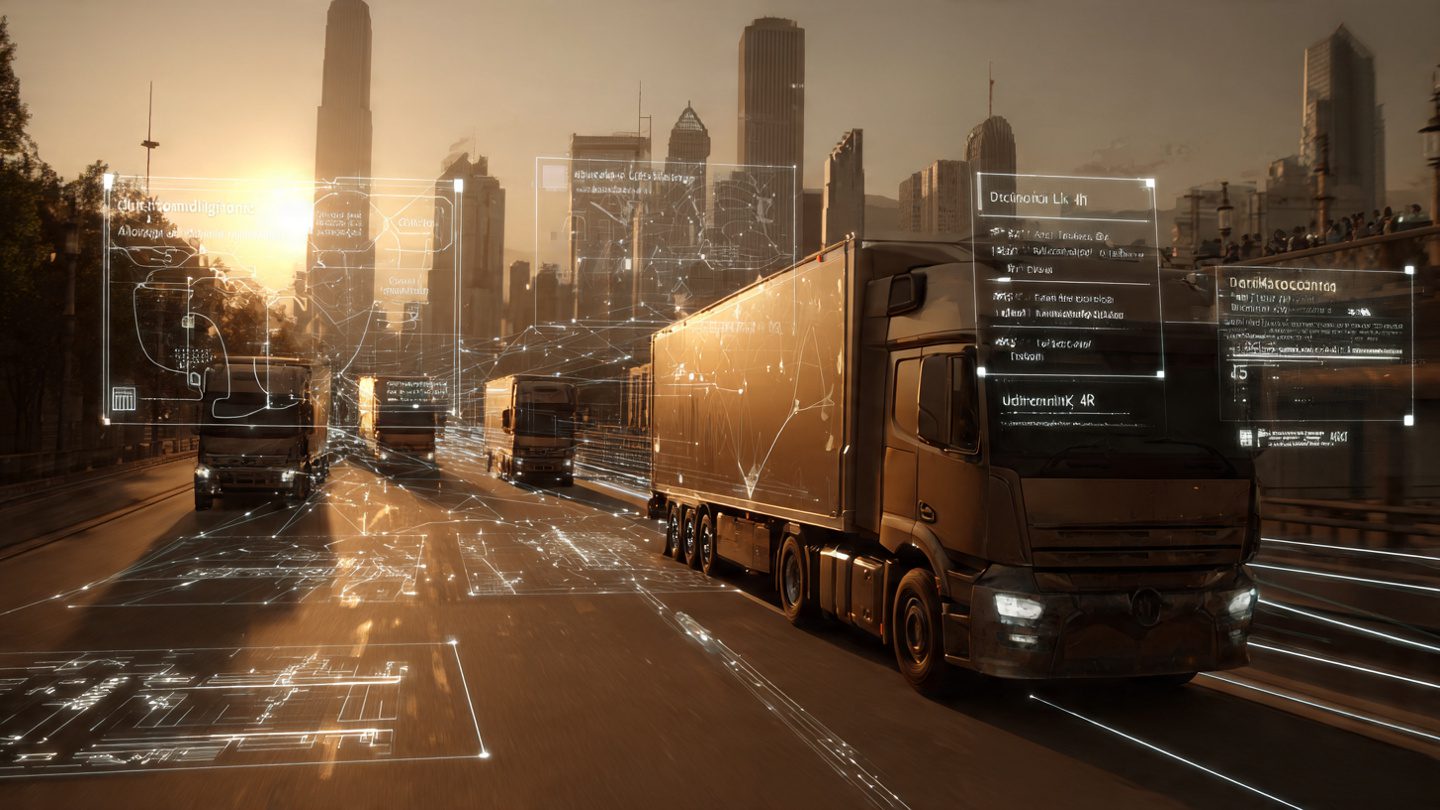
Another trend is autonomous logistics. Self-driving vehicles and drones are already being tested. They will revolutionize delivery systems.
AI will also become more predictive. Systems will not just react to data. They will anticipate future trends with high accuracy.
Sustainability is another key focus. AI will help reduce waste and optimize resource usage. This will support environmental goals.
Businesses that embrace these innovations will lead the market. Those that resist will struggle to compete.
The future is clear. AI will play a central role in shaping the next generation of supply chains.
Conclusion: Is AI Effective in Inventory and Logistics Management?
So, will inventory and logistics management using AI be effective? The answer is a strong yes. AI offers unmatched efficiency, accuracy, and scalability.
It transforms traditional processes into intelligent systems. It enables better decision-making and faster operations. It reduces costs and improves customer satisfaction.
While challenges exist, they are manageable. The benefits far outweigh the limitations. Businesses that invest in AI today are preparing for the future.
AI is not just a trend. It is a necessity in the modern business world.
AI in HR: Tools That Are Transforming Employee Recruitment
How Companies Use AI for Sales Forecasting: Unlocking Growth with Predictive Analytics
How AI Improves Marketing Campaigns: The Future of Digital Growth
Summary
AI is revolutionizing inventory and logistics management by introducing automation, predictive analytics, and real-time data tracking. It improves efficiency, reduces costs, and enhances accuracy. While there are challenges, the long-term benefits make AI an essential tool for modern supply chains.
FAQ
1. Is AI expensive to implement in logistics?
Yes, initial costs can be high, but long-term savings often outweigh the investment.
2. Can small businesses use AI for inventory management?
Yes, many scalable AI solutions are now available for small businesses.
3. Does AI replace human workers in logistics?
No, it enhances human roles by automating repetitive tasks.
4. How accurate is AI demand forecasting?
It is highly accurate and improves over time with more data.
5. What industries benefit most from AI logistics?
E-commerce, retail, manufacturing, and healthcare benefit significantly.
CTA (Call-to-Action)
If you want to stay ahead in the competitive business world, now is the time to explore AI-powered inventory and logistics solutions. Start small, scale smart, and transform your operations with the power of artificial intelligence.